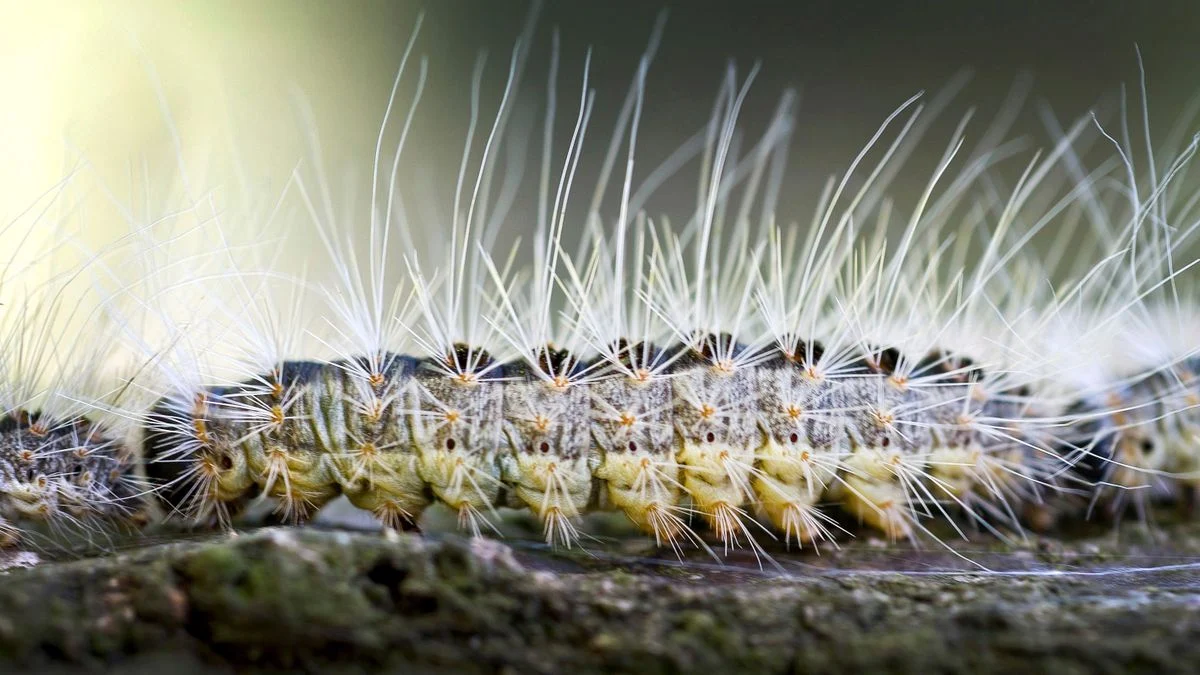
As temperatures rise and spring blossoms into early summer, a familiar, yet unwelcome, visitor has returned to the forests and urban parks of Europe. The oak processionary moth (Thaumetopoea processionea) is currently experiencing a population surge that has ecologists and public health officials on high alert. What was once a localized forest pest has, in recent years, transformed into a significant urban environmental challenge, prompting widespread warnings across the continent.
This article examines the biological drivers behind this year’s boom, the health risks posed by the moth’s toxic larvae, and the measures being taken to manage what is rapidly becoming a seasonal public health crisis.
Main Facts: A Biological Overview
The oak processionary moth is a species of moth that, in its larval stage, causes significant damage to oak trees and presents a severe health hazard to humans and animals. Unlike many other insects, these larvae are covered in thousands of microscopic, barbed hairs known as "setae." These hairs contain a potent protein toxin called thaumetopoein.
When these hairs come into contact with human skin or are inhaled, they trigger an aggressive allergic reaction. The most common manifestation is lepidopterism—an intense, itchy skin rash (dermatitis). However, in more severe cases, exposure can lead to respiratory distress, conjunctivitis, and, in rare instances, anaphylactic shock.
The "processionary" moniker is derived from the caterpillars’ unique behavioral pattern. During the day, they congregate in communal silken nests on the trunks or branches of oak trees. At night, they emerge in long, single-file "processions" to feed on the leaves. As they grow through their various developmental stages (instars), they shed these toxic hairs, which can remain airborne or accumulate in nests, posing a threat to anyone in the vicinity of an infested tree.
Chronology: From Forest Dweller to Urban Menace
To understand the current surge, one must look at the shifting environmental landscape of the last two decades.
- 1990s and Early 2000s: The moth was primarily confined to southern and central European regions. Populations were relatively stable, and the impact was largely limited to silvicultural interests—specifically the defoliation of oak forests.
- 2010–2015: As urban sprawl increased and the climate began to show consistent warming trends, the moths began appearing in northern European cities. Experts noted that the "urban heat island" effect—where cities are significantly warmer than surrounding rural areas—provided an ideal breeding ground for the moths.
- 2018–2020: A series of record-breaking heatwaves across Europe accelerated the life cycles of the moths. The population density spiked, leading to the closure of public parks, schoolyards, and sports facilities in countries like Germany, the Netherlands, and Belgium.
- 2024 (Current Season): This year, favorable mild winter temperatures followed by a warm, dry spring have resulted in a "perfect storm" for larval survival. Reports from municipal parks departments indicate that nests are appearing earlier and in higher densities than in previous years, forcing authorities to enact emergency removal protocols.
Supporting Data: Why Numbers are Rising
Entomologists have identified several key factors contributing to the current proliferation.
Climate Change and Phenology
The synchronization between the hatching of the larvae and the budding of oak leaves is critical. Warmer springs mean that oak trees develop leaves earlier. If the moth eggs hatch in alignment with this early budding, the survival rate of the larvae increases exponentially. Data suggests that the duration of the developmental window has expanded, allowing the moths to thrive in environments that were previously too harsh.
The Lack of Natural Predators
In a balanced ecosystem, the oak processionary moth is kept in check by various natural predators, including specific species of parasitic wasps, tachinid flies, and certain birds (such as cuckoos and orioles). However, in modern urban environments, biodiversity is often low. The fragmentation of habitats and the heavy use of pesticides have decimated these predator populations, allowing the moth to proliferate without the "checks and balances" of a healthy ecosystem.
Tree Stress
Oaks in urban settings are often stressed due to soil compaction, air pollution, and inconsistent water access. Stressed trees produce higher levels of specific amino acids in their leaves, which can make them more attractive to the larvae. This creates a feedback loop: the trees are more susceptible to infestation, and the infestation, in turn, weakens the trees, making them more vulnerable to subsequent environmental stressors.
Official Responses: Managing the Crisis
Public health authorities have shifted from a reactive stance to a proactive, integrated pest management strategy.
Mechanical Removal
In highly trafficked areas like playgrounds and schoolyards, manual removal remains the most effective method. Professional arborists, wearing full-body chemical protection suits and breathing apparatus, use industrial vacuums to remove the silken nests from the trees. These nests are then disposed of in hazardous waste incinerators to ensure the toxic hairs are destroyed.
Biological Controls
Many municipalities are now turning to biological control methods. The use of Bacillus thuringiensis (a bacterium that specifically targets moth larvae) has become common. When sprayed onto the foliage, the larvae ingest the bacteria, which kills them within days. While effective, this method requires precise timing to minimize the impact on non-target insect species.
Promoting Biodiversity
Ecologists are advocating for the restoration of urban ecosystems. By planting a wider variety of tree species and creating habitats for predatory insects and birds, cities hope to regain natural control over the moth population. "The goal is not to eradicate the species," notes one leading entomologist, "but to restore the natural equilibrium that prevents these explosive population surges."
Implications: A Future Living with the Moth
The implications of this year’s surge go beyond mere physical discomfort. There is a growing economic burden on local governments, which must spend millions annually on monitoring and eradication efforts. Furthermore, the psychological impact on urban residents—who are increasingly avoiding public green spaces during the late spring and early summer—threatens the mental and social benefits of urban nature.
As we look toward the future, it is clear that the oak processionary moth is here to stay. The challenge lies in adapting our urban planning to coexist with this species. This involves better mapping of affected areas, improved public communication regarding the risks, and a long-term commitment to ecological restoration.
Health Precautions for the Public
As the season progresses, health officials offer the following guidelines to minimize risk:
- Identify the Nests: Learn to recognize the characteristic silken nests, which can look like white, matted webs on the trunks of oak trees.
- Maintain Distance: Avoid walking in areas with known infestations, particularly on windy days when hairs can be blown from the nests.
- Cover Up: If you must be in an area with oak trees, wear long sleeves and trousers.
- Seek Medical Advice: If you develop a persistent, itchy rash after being near oak trees, consult a physician. Do not attempt to treat severe reactions with over-the-counter creams alone.
The proliferation of the oak processionary moth serves as a stark reminder of how environmental shifts can alter the urban experience. As the climate continues to evolve, our ability to manage these biological threats will depend on scientific vigilance, public cooperation, and a fundamental shift in how we manage our city forests. By understanding the life cycle of this small but potent insect, we can mitigate its impact and continue to enjoy the natural spaces that remain vital to our urban lives.