BERLIN – The debate surrounding the future of Germany’s pension system has entered a critical new phase. Federal Minister of Labour and Social Affairs, Bärbel Bas (SPD), has publicly addressed the sweeping recommendations recently unveiled by the government’s independent commission on old-age security. While endorsing the conceptual framework as a "total work of art," she emphasized that the path toward implementation will be paved with rigorous political deliberation, particularly regarding the contentious phase-out of the "pension at 63."
1. Main Facts: A Paradigm Shift for the German Pension System
The German social security landscape faces an unprecedented demographic challenge. As the "baby boomer" generation approaches retirement, the ratio of contributors to retirees is shifting, placing immense pressure on the statutory pension insurance system. The government’s commission on old-age security has proposed a comprehensive overhaul to ensure long-term fiscal sustainability.
At the core of the proposal is a structural recalibration of retirement entry ages and eligibility criteria. The most significant shift is the proposed phasing out of the "pension without deductions after 45 years of service"—colloquially known as the "pension at 63." Furthermore, the commission suggests linking the statutory retirement age directly to increases in average life expectancy.
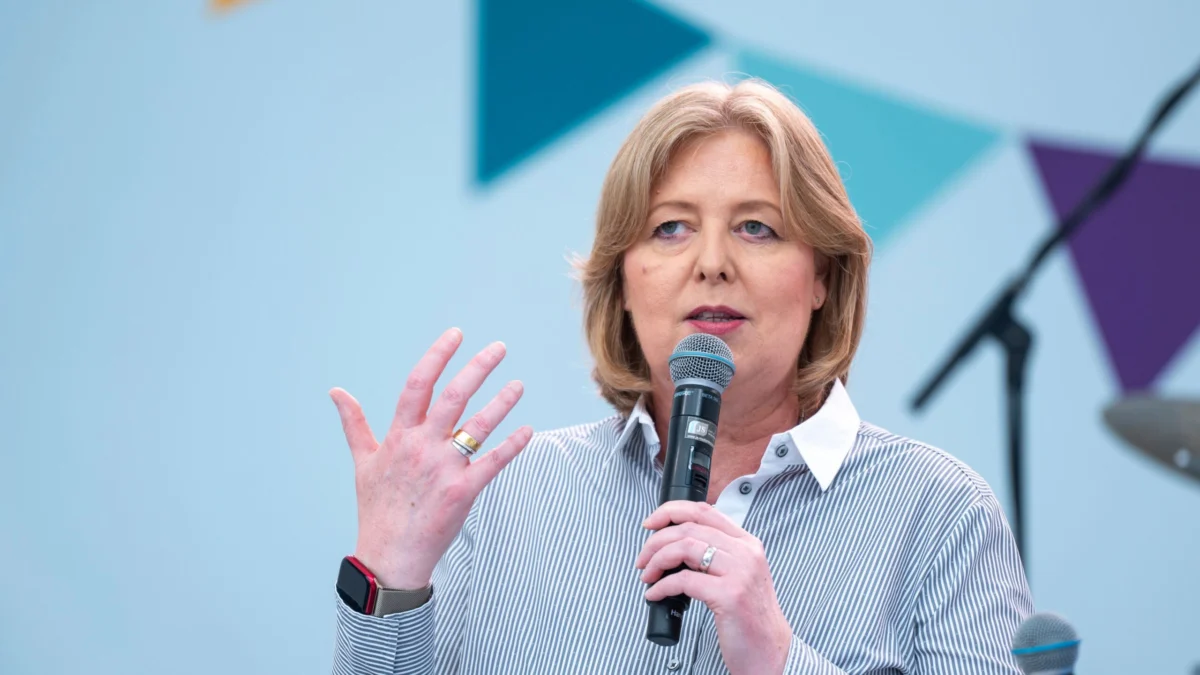
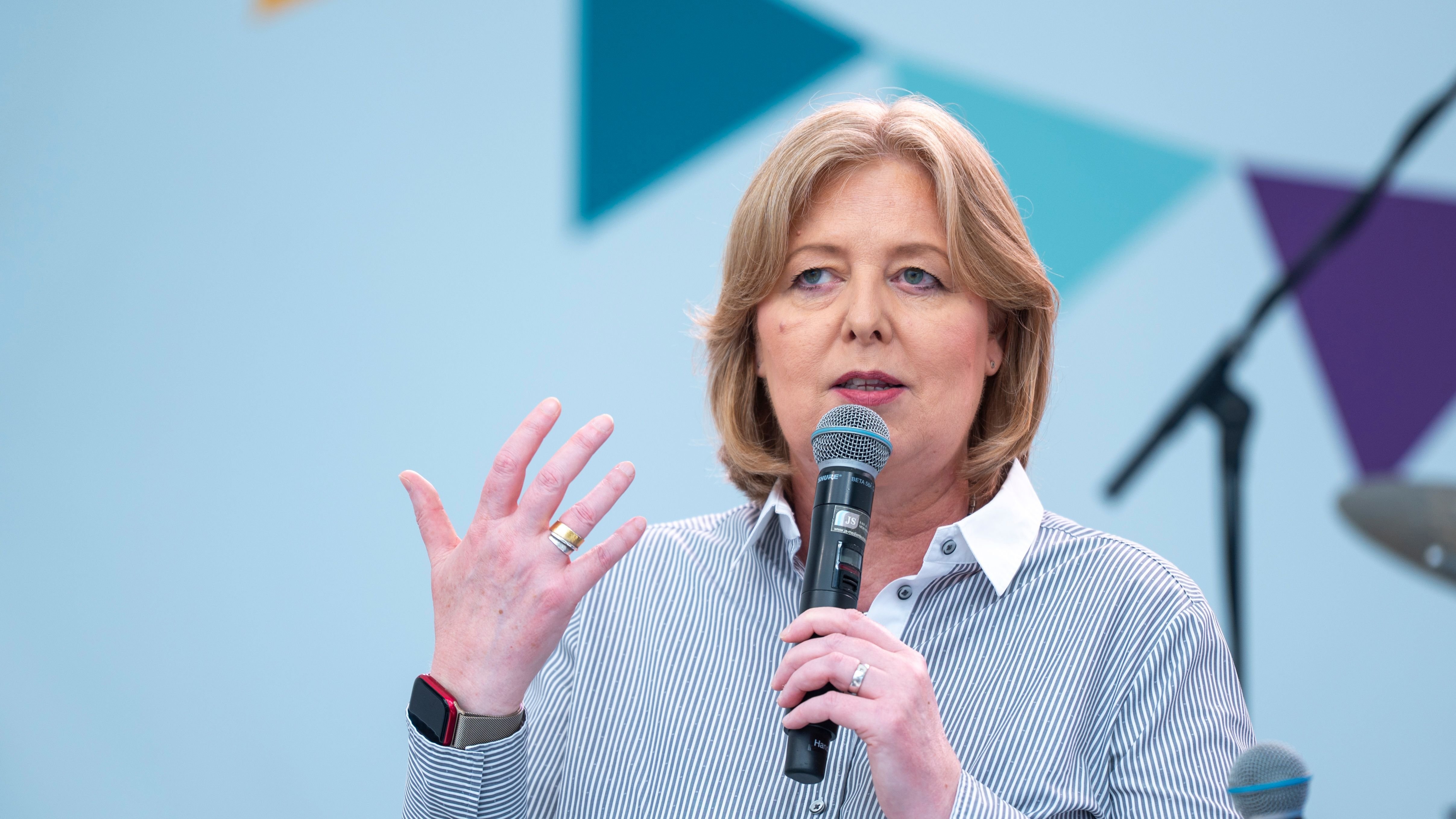
Minister Bärbel Bas, speaking at a recent citizen dialogue in Berlin, described the package as a "Gesamtkunstwerk" (total work of art). Her choice of words reflects the complexity of the task: balancing the economic necessity of extending working lives against the social promise of security for long-term contributors.
2. Chronology: The Road to the Current Proposals
The current discourse is the culmination of years of internal government debate and external pressure from economic think tanks.
- Mid-2025: The government commissioned an independent panel of experts, including economists and social scientists, to model the fiscal trajectory of the German pension system through 2040.
- Early 2026: Preliminary discussions within the coalition government highlighted deep divides regarding the "pension at 63." While some factions argued it was an essential reward for long-term employees, others highlighted its role in exacerbating the skilled labor shortage.
- June 20, 2026: The commission released its final report. The document received immediate attention for its bold suggestions, particularly the proposal to tie retirement age to life expectancy.
- June 21, 2026: Minister Bärbel Bas offers the first official government reaction to the findings, signaling a willingness to negotiate while emphasizing the need for "transition periods" and "protection of legitimate expectations."
3. Supporting Data: The Demographic Imperative
The demographic data underpinning these reforms is stark. Germany’s aging population is not a new phenomenon, but the acceleration of the retirement of the 1960s birth cohorts is hitting the labor market with full force.
The Math of Sustainability
Current projections suggest that by 2035, the number of people in the workforce will shrink by approximately 4 to 6 million. Without structural changes, the contribution rate required to keep the pension system afloat could exceed 25% of gross wages, creating a prohibitive tax burden on younger generations and potentially stifling economic growth.
The "Pension at 63" Factor
Introduced to provide a pathway for those who have worked for 45 years to retire early without financial penalties, the policy has seen higher-than-anticipated uptake. Critics argue that the program, while socially beneficial in theory, has inadvertently drained the labor market of highly experienced workers at a time when their expertise is most needed. The commission’s data indicates that curbing this benefit could stabilize the system by roughly 0.5 to 0.8 percentage points in contribution rate savings over the next decade.

4. Official Responses: The Balancing Act
Minister Bärbel Bas has adopted a nuanced stance that reflects the delicate nature of her position. As a representative of the SPD, she is tasked with maintaining the party’s commitment to social equity while acknowledging the fiscal realities of a modern industrial economy.
The Minister’s Position
"We must look at how we can reduce early retirements," Bas stated during her Berlin appearance. However, she was careful to add that any policy shift must be gradual. "There must be protection of trust and transition periods," she assured the public. Her comments indicate that the government is acutely aware of the "grandfathering" that would be required to prevent a political backlash from those currently near retirement age.

The Political Spectrum
- The SPD: Generally supports the goal of stability but insists on social safeguards for those in physically demanding jobs.
- The Opposition (CDU/CSU/FDP): Elements within the opposition have welcomed the commission’s focus on life expectancy as a "long overdue" move toward fiscal responsibility, though some argue the reforms do not go far enough.
- Labor Unions: The unions have expressed deep skepticism, warning that linking retirement age to life expectancy could effectively become a "pension cut" for those who cannot physically work into their late 60s or 70s.
5. Implications: What Does This Mean for Citizens?
The proposed reforms represent a shift from a system that assumes a fixed, early retirement age to one that is dynamic and responsive to demographic reality.
For the Current Workforce
The primary implication is uncertainty regarding "exit dates." If the government adopts the commission’s recommendation to tie retirement age to life expectancy, employees in their 30s and 40s will likely face a sliding retirement age that is not yet set in stone. This will require a significant change in financial planning, as the "standard" retirement age of 67 may soon be considered an optimistic baseline rather than a ceiling.

For the Labor Market
A rollback of the "pension at 63" would have immediate, tangible effects on the labor market. It would likely force companies to rethink their retention strategies for older workers. If workers are incentivized—or forced by the removal of early retirement options—to remain in the workforce for longer, employers will need to provide better health management, more flexible work models, and ongoing professional development for the 60+ demographic.
The Social Contract
The central, unspoken question remains: Is the "Gesamtkunstwerk" sustainable? By suggesting that every generation must "think about the system as a whole," the commission is signaling that the era of expanding pension benefits without increasing costs is over. The challenge for Minister Bas and the government will be to convince the public that these sacrifices are necessary to preserve the system for the next generation, rather than a mere austerity measure.

Future Outlook: The Legislative Process
The next steps for the German government will involve a series of parliamentary consultations. The commission’s report serves as a starting point, but the legislative draft will likely be subject to intense lobbying.
Minister Bas has promised that the government will analyze which birth years would be affected by the changes. This "fine-tuning" phase is expected to last several months, with the aim of presenting a draft bill by the end of the year.

As the debate moves from the expert commission to the halls of the Bundestag, the focus will shift from the abstract concept of "sustainability" to the concrete reality of individual lives. The government must find a way to honor the "protection of trust" that Bas advocates while ensuring that the German pension system remains a functional pillar of the nation’s social security for decades to come.
In the final analysis, the "total work of art" described by the Minister is far from complete. It remains a work-in-progress, subject to the pressures of political reality, public opinion, and the cold, hard logic of demographic change. Whether it will be viewed as a masterpiece of policy-making or a divisive political failure depends entirely on how the government manages the transition periods and the equitable distribution of the burden across the generations.