In the high-stakes theater of modern life, the difference between a calculated risk and a paralyzing hesitation often comes down to a matter of milliseconds. Whether it is navigating a high-pressure boardroom presentation, making a split-second decision in a survival scenario, or finally summoning the courage to pursue a long-held personal ambition, the human brain is hardwired for self-preservation. Yet, new scientific research suggests that the key to unlocking boldness may not be found in complex psychological exercises, but in the simple, rhythmic act of breathing.
A collaborative study conducted by researchers at the German Institute of Human Nutrition (DIfE) and the Charité – Universitätsmedizin Berlin has unveiled a profound link between respiratory control and decision-making. The findings indicate that by consciously slowing down our exhalation, we can physically alter our physiological state, thereby shifting our brain’s approach to risk and reward.
The Neurovisceral Connection: Beyond the Brain
For decades, the prevailing view of the human nervous system treated the brain as the sole commander-in-chief, dictating orders to the body. However, the emerging field of the "neurovisceral model" challenges this hierarchical perspective, proposing instead that the relationship between the brain and the body is a two-way street. Our physical state—our heart rate, our hormonal levels, and our respiratory pattern—serves as a constant feedback loop that influences our cognitive processes and emotional resilience.
When we encounter stress, our sympathetic nervous system triggers the "fight or flight" response. Our heart rate spikes, our pupils dilate, and our brain shifts into a protective, risk-averse mode. Evolutionarily, this is a brilliant mechanism designed to keep us safe from immediate threats. However, in the context of modern daily life, this constant state of high alert often causes us to default to "better safe than sorry." We choose the familiar meal, we avoid the difficult conversation, and we shy away from career changes that could lead to growth.
The Anatomy of a Study: Investigating the Breath
To understand how respiration impacts these high-stakes decisions, the research team, led by experts in nutritional and decision neuroscience, recruited 41 volunteers. The study design was rigorous and multi-faceted, requiring participants to make a series of risky financial and social decisions while their physical and neurological responses were monitored in real-time.
The Methodology
Throughout the experiments, the researchers utilized a comprehensive monitoring suite:
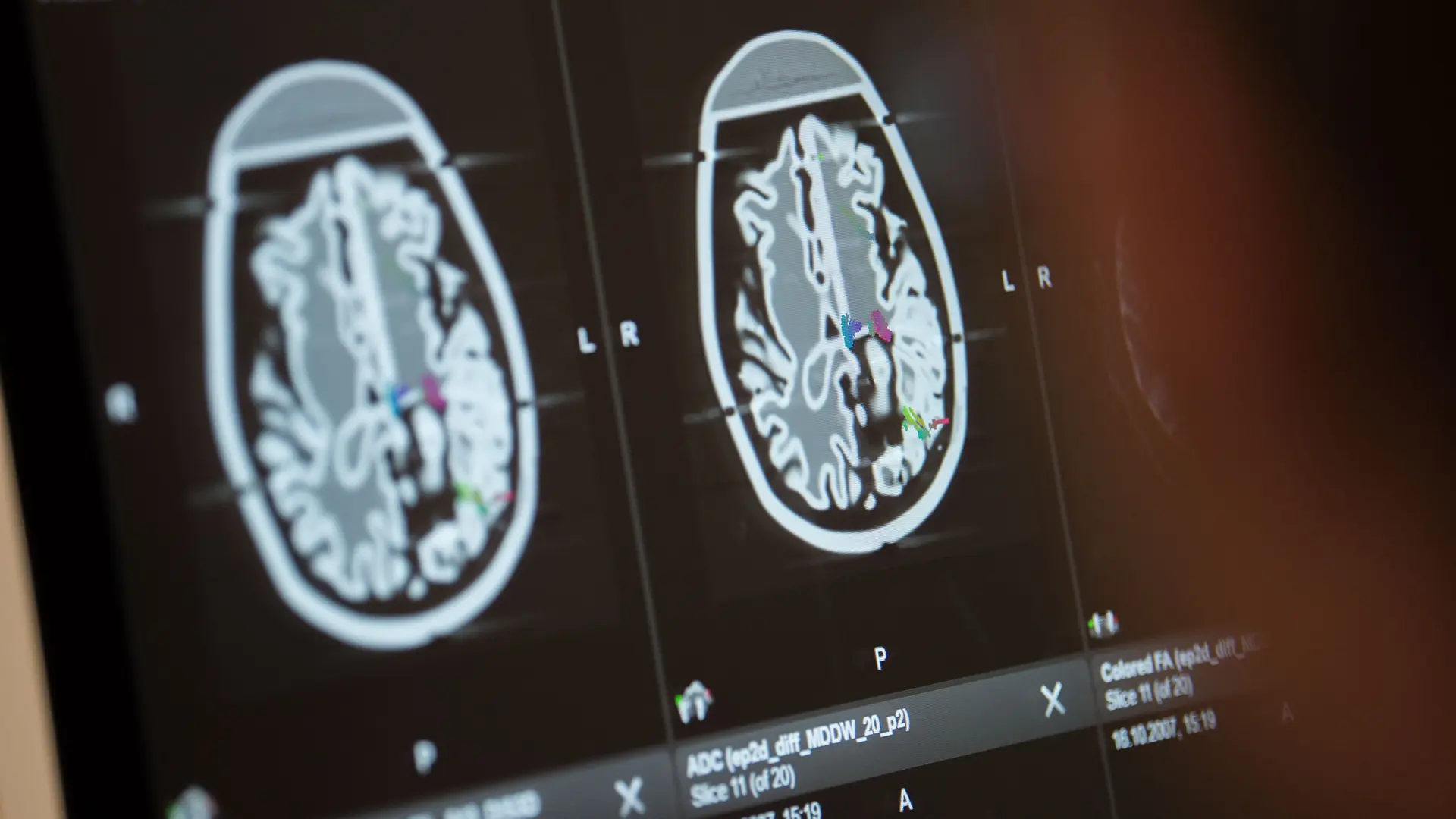
- Functional Magnetic Resonance Imaging (fMRI): To observe blood flow and activity within specific brain regions.
- Electrocardiogram (ECG): To measure the precise timing of heart rate variability.
- Electrodermal Activity (EDA): To track skin conductance, a marker of physiological arousal and stress.
- Pupillometry: To monitor subtle changes in pupil size, which reflect cognitive load and emotional response.
Participants were divided into groups where they were asked to either breathe at their natural, spontaneous rhythm or to adopt a controlled technique—specifically, a prolonged exhalation. The results were striking: the act of slowing down the breath acted as a biological "reset button" for the brain’s decision-making centers.
Chronology of the Physiological Shift
The research highlights a clear sequence of events that occurs when a person initiates a slow, controlled exhalation:
- Vagal Stimulation: The slow, deep out-breath stimulates the vagus nerve, which is the primary component of the parasympathetic nervous system (the "rest and digest" system).
- Cardiac Deceleration: As the vagus nerve is activated, the interval between heartbeats increases, effectively lowering the heart rate.
- Neural Reconfiguration: The fMRI scans revealed that this deceleration triggered increased activity in two critical regions of the brain: the ventromedial prefrontal cortex (vmPFC) and the precuneus.
- Reward Revaluation: These specific regions are deeply involved in calculating the value of potential rewards and processing self-referential information. By calming the physiological stress response, the brain becomes less preoccupied with "threat detection" and more open to "reward assessment."
"Better Safe Than Sorry" is No Longer the Only Option
The implications of this shift are profound. When we breathe normally under stress, our brain prioritizes safety, viewing potential losses as catastrophic. By contrast, when we slow our exhalation, the physiological signal of "danger" is dampened. The risk-reward calculation changes: the potential gains start to look more attractive, and the perceived risks feel manageable.
Dr. Soyoung Q Park, a lead author of the study and Head of the Department of Decision Neuroscience and Nutrition at DIfE, notes that this phenomenon is not merely a placebo effect. It is a fundamental shift in how the brain processes environmental stimuli based on the body’s internal state. "Because nutritional and lifestyle decisions are strongly influenced by reward valuation and physical state, targeted breathing regulation could play a role in perceiving and managing behavior more effectively," Park explains.
Implications for Modern Life and Medicine
The potential applications for these findings extend far beyond the laboratory. While the study is currently based on a modest sample size and requires further replication in larger, more diverse populations, the initial results offer a promising, non-invasive tool for behavioral modification.
Addressing Eating Behaviors
One of the most promising areas for application is in the treatment of obesity and disordered eating. Many individuals struggle with impulsive eating, which is often a maladaptive response to stress. If an individual can be trained to use slow, controlled breathing before making food choices, they may be able to shift their brain from an impulsive, reward-seeking state to one of greater executive control and awareness.
Clinical and Mental Health Benefits
Beyond nutrition, the integration of breath-work into clinical therapy could prove transformative. Patients suffering from generalized anxiety disorders or chronic stress may find relief by using these techniques to regulate their autonomic nervous system. By consciously slowing their breath, they can lower their baseline physiological stress, potentially reducing the frequency of panic-driven decisions and improving overall emotional regulation.
Corporate and High-Performance Environments
In the worlds of finance, sports, and emergency response, the ability to maintain composure under pressure is a premium skill. Incorporating "breath-awareness" training could become a standard practice for professionals who must make rapid, accurate decisions. Rather than relying on external stimulants or coping mechanisms, individuals could utilize their own physiology to optimize their mental state.

The "Fingerprint" of Breath
This study builds upon a growing body of evidence regarding the complexity of the human respiratory system. Recent research has identified that, much like a fingerprint, every human has a unique pattern of breathing. This "respiratory signature" is not only indicative of our current state of health but also serves as a gateway to our cognitive function. If our breathing patterns can influence our memory consolidation during sleep—as shown in related studies on sleep-related breath patterns—then it stands to reason that conscious manipulation of this pattern while awake can be used to engineer our own mental resilience.
Challenges and Future Research
While the findings are compelling, the research team remains cautious. The leap from a laboratory setting with 41 participants to real-world application requires longitudinal studies that account for cultural, environmental, and biological variations.
"The next phase of our research will focus on the durability of these effects," says a spokesperson for the research team. "We need to determine if these benefits persist over long-term practice and whether they can be successfully integrated into standard treatment protocols for metabolic and psychological health."
Furthermore, there is the challenge of accessibility. Teaching the public to utilize these techniques effectively requires educational outreach. It is not simply about "breathing," but about specific, rhythmic, and intentional exhalations that can trigger the necessary neurobiological response.
Conclusion: Empowering the Individual
The beauty of this research lies in its simplicity. It democratizes the ability to influence one’s own brain chemistry. We are no longer entirely at the mercy of our autonomic responses; we have a steering wheel. By recognizing the physical signals of stress—the rapid heartbeat, the shallow breathing—we can choose to initiate a shift.
The next time you are faced with a difficult decision, the next time you feel the urge to retreat into the safety of the status quo, or the next time you find yourself paralyzed by the weight of a choice, pause. Take a moment. Focus on the exhale. Let it be long, slow, and deliberate. In that quiet moment, you may find that the courage you were looking for was within your reach all along, waiting to be exhaled into existence.
The science is clear: our bodies do not just carry our brains; they help them decide who we are and what we are capable of. By mastering the breath, we move one step closer to mastering our own destiny.