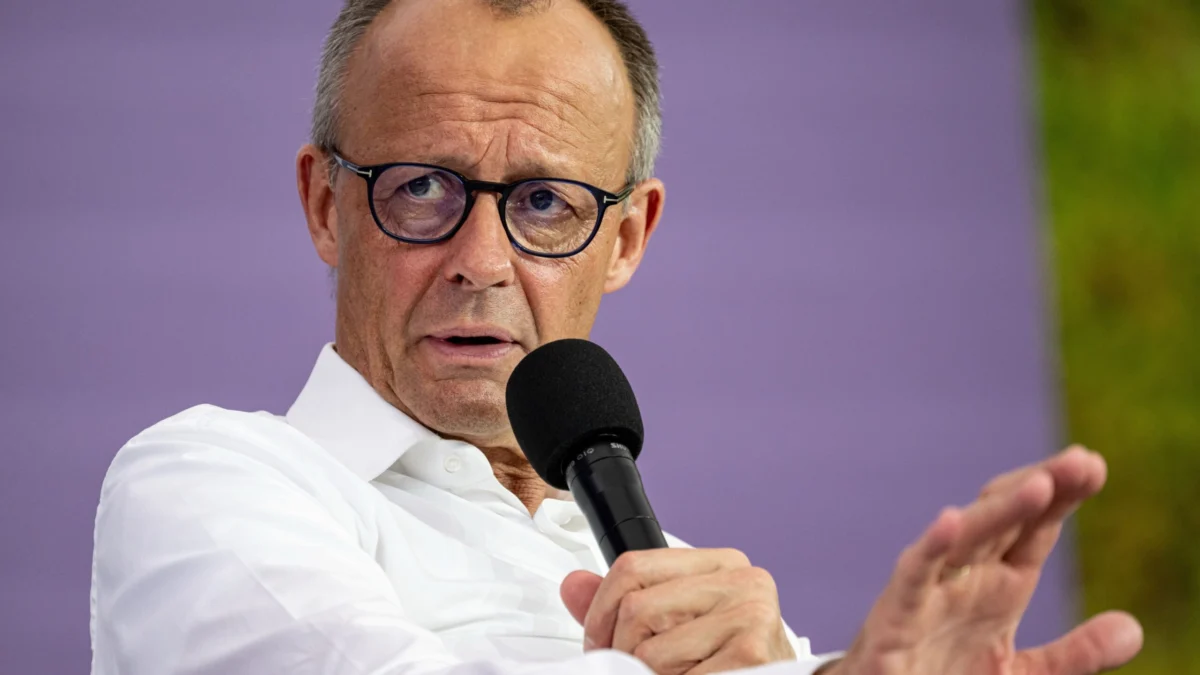
Berlin, Germany – June 21, 2026, 7:10 PM UTC – Germany’s political arena is abuzz with a flurry of proposals and debates spanning fiscal austerity, social welfare reform, European budgetary disputes, and national security upgrades. At the forefront, Chancellor Friedrich Merz (CDU) has ignited discussions by identifying significant savings potential within the youth welfare sector, aiming to alleviate the financial burden on municipalities. This initiative is part of a broader push by the federal government to rein in escalating public expenditures, touching upon critical areas from healthcare financing to housing and defense.
The pronouncements come from a dynamic week of political activity, including EU and G7 summits, underscoring Germany’s pivotal role in both domestic policy shaping and international diplomacy. Alongside Merz’s fiscal proposals, key ministers have weighed in on a diverse range of issues, from the future of pension contributions for nursing relatives and strategies to combat rising construction costs, to ambitious investments in drone defense and the intricate challenges of European asylum reform. The overarching theme remains a national effort to adapt to evolving economic pressures and societal needs, often met with bipartisan scrutiny and calls for careful consideration.
I. Fiscal Policy & Municipal Relief: Merz Targets Social Spending
Main Facts:
Chancellor Friedrich Merz (CDU) has declared that Germany’s municipalities could be significantly relieved through cost reductions in specific social legislation, particularly within the youth welfare sector. He highlighted three key laws for potential reform: the Advance Maintenance Payments Act (Unterhaltsvorschussgesetz), the Youth Welfare Act (Jugendhilfegesetz), and the Integration Assistance Act (Eingliederungshilfe).
Chronology:
Merz announced these intentions on Sunday during the federal government’s Open Day in Berlin. He expressed hope for an agreement on these reforms before the upcoming meeting of state premiers mid-week, signaling an urgent push to implement changes. His statements follow a period of intense scrutiny over municipal budgets, which have been struggling under increasing social expenditures.
Supporting Data:
The Chancellor pointed to a "cost explosion" in these areas, with some annual growth rates reaching double-digit percentages. Municipalities across Germany have repeatedly voiced concerns about their strained financial capacity, attributing a significant portion of this pressure to mandatory social welfare provisions. For instance, the Youth Welfare Act covers a broad spectrum of services, including social work for young people, educational support, and measures for children and families in need. The Advance Maintenance Payments Act provides financial support to children when a parent liable for maintenance fails to pay or is deceased, with the state initially stepping in. The Integration Assistance Act focuses on supporting individuals with disabilities to enable their participation in society. These programs, while crucial for social cohesion, represent substantial and growing financial commitments.
Official Responses:
Merz explicitly stated, "We cannot just keep spending more money. We must also review whether these laws still fulfill the purpose they were originally intended to fulfill, and whether we might be able to save here." This reflects a broader conservative push for fiscal discipline and efficiency in public spending. While specific details on how these laws would be amended to achieve savings were not immediately provided, the announcement sets the stage for potentially contentious negotiations with federal states and civil society organizations, many of whom are staunch advocates for maintaining robust social safety nets.
Implications:
The proposed reforms could significantly alter the landscape of social support in Germany. For municipalities, successful implementation could mean substantial financial breathing room, allowing for investments in other crucial areas like infrastructure or education. However, critics are likely to raise concerns about the potential impact on vulnerable populations, arguing that cuts in youth welfare or integration assistance could lead to reduced services and increased hardship for those who rely on them most. The balancing act between fiscal responsibility and social equity will be a central theme in the upcoming political debates. Any changes would require careful calibration to ensure that essential support for children, young people, and individuals with disabilities is not jeopardized.
II. Social Policy Reforms: Healthcare, Pensions, and Domestic Violence Protection
Germany is also grappling with critical reforms in its social policy framework, particularly in healthcare and pensions, alongside efforts to enhance protection against domestic violence.
A. Pension Contributions for Nursing Relatives: A Contentious Cut
Main Facts:
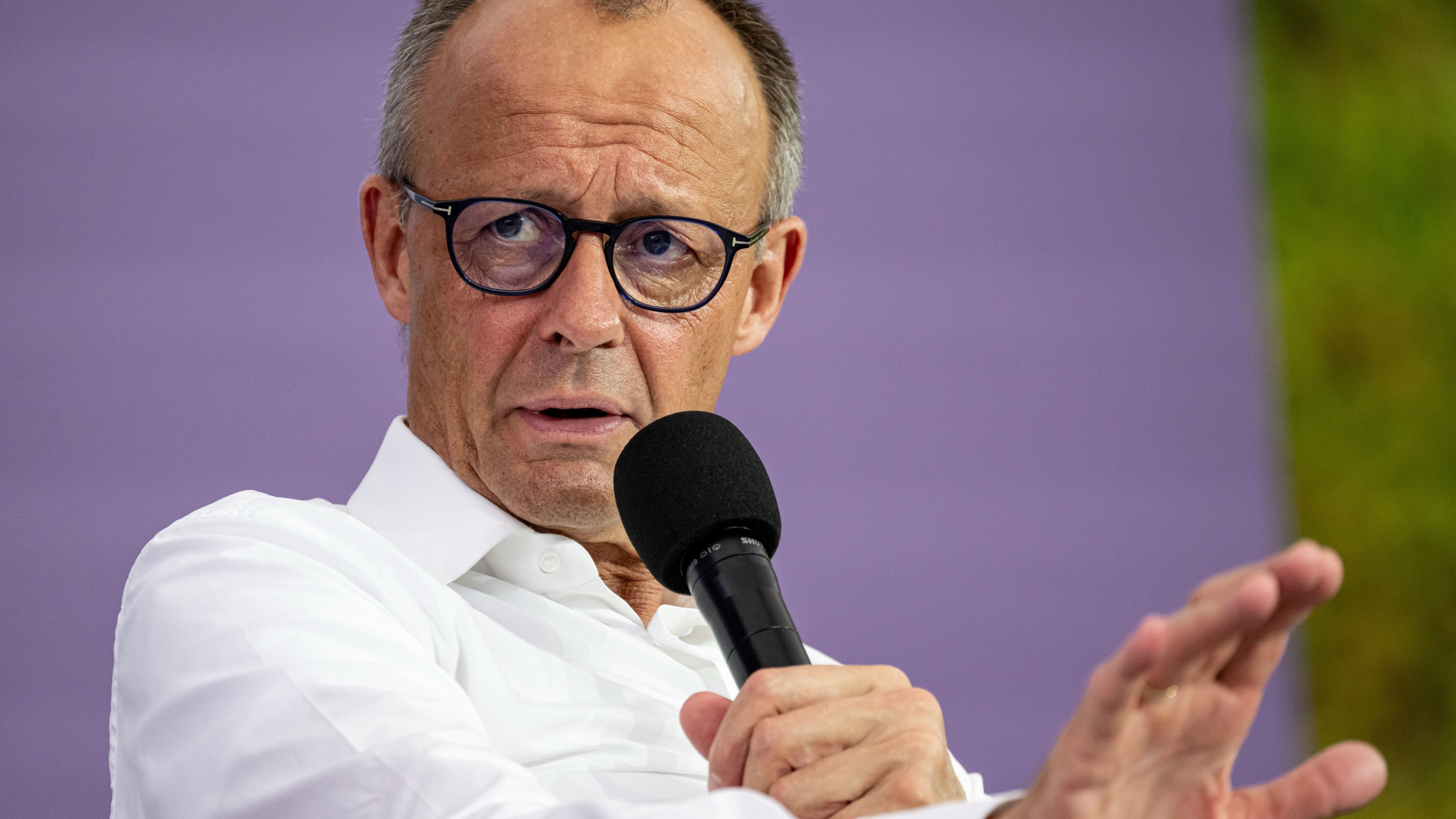
Health Minister Nina Warken (CDU) has hinted at possible adjustments to the controversial reduction of pension insurance contributions for family caregivers. Her initial legislative proposal for nursing care reform included cutting the state’s subsidy from 100 percent to 70 percent.
Chronology:
Warken made these remarks on Sunday at the federal government’s Open Day in Berlin, acknowledging the widespread criticism her proposal had received. The reform aims to address a multi-billion euro deficit in the statutory long-term care insurance system.
Supporting Data:
The current system ensures that family members who reduce their working hours to care for relatives at home do not suffer a significant pension disadvantage. By taking on care responsibilities, these individuals often transition from full-time to part-time employment, leading to lower personal pension contributions. The state has historically compensated for this by fully covering their pension insurance contributions. The proposed cut to 70% was met with cross-party criticism, as it would effectively penalize caregivers who perform vital work that significantly reduces overall care costs for the system.
Official Responses:
Warken admitted that the reduction of pension contributions for caregivers was "not a good measure." While emphasizing the primary goal of closing the massive financial gap in long-term care insurance to prevent soaring contributions, she stated, "We are certainly still in discussion in the coming days and weeks as to whether there are other possibilities, other solutions." This suggests a willingness to reconsider the specific mechanism of savings in response to public and political pressure.
Implications:
Any alteration to the pension contributions for family caregivers has significant implications for both the financial stability of the long-term care system and the social security of individuals. A reduction could discourage home-based care, potentially increasing demand for more expensive institutional care. Conversely, maintaining full contributions adds to the financial strain on the care insurance fund. The debate highlights the tension between fiscal consolidation and the recognition of informal caregiving’s value. Finding an alternative solution that protects caregivers while addressing the deficit will be crucial for the government.
B. Tax Incentives for Private Nursing Care Insurance
Main Facts:
Health Minister Nina Warken (CDU) is advocating for stronger tax incentives for private long-term care insurance. She believes that making private care insurance more attractive is essential for future care financing.
Chronology:
Warken conveyed her position in an interview with the Funke Media Group newspapers, emphasizing the need for discussions within the federal government on this matter. Her comments come amidst ongoing debates about the growing financial challenges faced by Germany’s social long-term care insurance system.
Supporting Data:
Currently, private long-term care insurance premiums are tax-deductible as "other precautionary expenses" up to an annual maximum of €1,900 for employees and civil servants, and €2,800 for the self-employed. However, the actual tax benefit is often limited because contributions to statutory health and mandatory long-term care insurance are also included within these maximum amounts, quickly exhausting the deductible limit. This makes the current incentive scheme largely ineffective for many.

Official Responses:
Warken argued that "it must become more attractive to take out additional private long-term care insurance." She proposed that premiums paid for private care insurance should be fully deductible from tax as a precautionary expense, allowing for a more substantial tax relief than currently available. She also stressed that her planned care reform is not intended to shift the financial burdens of the care insurance system onto cities and municipalities.
Implications:
Increased tax incentives could encourage more citizens to invest in private long-term care insurance, potentially reducing the future burden on the statutory system. This would align with a model of shared responsibility for care costs between the state and individuals. However, critics might argue that such a policy primarily benefits higher-income earners who can afford private insurance, potentially exacerbating social inequalities in healthcare access. The proposal also underscores the government’s recognition of the immense financial pressures on the existing care system and the need for diversified funding approaches.
C. Stopping Fraud with Sham Paternities
Main Facts:
The Bundestag has passed legislation aimed at combating fraud involving the recognition of paternities for children of foreign women. The new law mandates that immigration authorities must approve paternity acknowledgments when the acknowledging father is German or has long-term residency, but the child’s mother does not.
Chronology:
The bill was approved by the Bundestag with votes from the CDU and SPD, while the Greens and Left Party voted against it, and the AfD abstained. This legislation addresses a specific form of abuse that has been identified in recent years.
Supporting Data:
The legal measure targets a fraudulent scheme where men, often for payment, acknowledge paternity for children of foreign women, even without a biological connection or a partnership. This practice is used to secure residency rights for the mother and child in Germany, and potentially access to social benefits, without genuine family ties. Such cases put a strain on public resources and undermine the integrity of immigration and social welfare systems.
Official Responses:
Proponents of the law argue that it is a necessary step to prevent the exploitation of German family law for immigration purposes and to protect the public purse. They emphasize that genuine family reunification and parental rights remain unaffected, as the law specifically targets cases lacking biological or social basis for paternity. Opponents, including the Greens and Left Party, have voiced concerns that the law could make it harder for genuine fathers to acknowledge their children, or could lead to discrimination based on origin.
Implications:
This law tightens the legal framework around paternity recognition, aiming to prevent its misuse. While intended to curb fraud, its implementation will need careful monitoring to ensure it does not inadvertently impede legitimate paternity acknowledgments or create undue bureaucratic hurdles for families. The debate reflects the ongoing tension between maintaining strict immigration controls and upholding fundamental family rights.
D. Bundesrat Approves Electronic Ankle Tags for Domestic Violence
Main Facts:
The Bundesrat has given its final approval to a reform of the Violence Protection Act, which will allow for the use of electronic ankle tags to better protect victims of domestic violence from repeat contact with offenders.

Chronology:
This legislative reform, previously passed by the Bundestag, received the final endorsement from the Bundesrat in Berlin. It represents a significant step in enhancing protective measures for victims.
Supporting Data:
Under the new law, courts can now mandate offenders to wear an electronic ankle tag to enforce a restraining order. If the offender approaches the victim, the victim will be warned via a receiver device. This "electronic monitoring of whereabouts" is a direct response to cases where traditional restraining orders have proven insufficient to prevent further harassment or violence. Additionally, the law empowers family courts to require offenders to participate in social training courses or violence prevention counseling after an assault or serious threat of violence.
Official Responses:
Advocates for the reform emphasize that it provides a more robust tool for law enforcement and courts to protect vulnerable individuals. It aims to create a physical barrier through technology, offering victims an increased sense of security and a clearer path for intervention if a restraining order is violated. The inclusion of mandatory training and counseling reflects a holistic approach to addressing the root causes of domestic violence and promoting behavioral change.
Implications:
The introduction of electronic ankle tags is a major development in Germany’s approach to domestic violence protection. It leverages technology to enhance victim safety and enforce judicial orders more effectively. While generally welcomed by victim support organizations, concerns about data privacy and the practical implementation of monitoring systems will need to be carefully addressed. The measure signals a stronger commitment to preventing domestic violence and holding perpetrators accountable.
III. European & International Affairs: EU Budget, E5 Summit, and Defense Cooperation
Germany is actively shaping its foreign policy through robust stances on EU financial planning and new diplomatic formats, while also addressing critical defense cooperation.
A. Merz: EU Financial Proposals "Much Too High" and "Not Approvaable"
Main Facts:
Chancellor Friedrich Merz has threatened Germany’s rejection, along with other EU states, of the upcoming EU financial package. He stated that the current proposal is "much too high in its abstract amount" and "not approvable."
Chronology:
Merz made these strong remarks on Friday before the second day of the EU summit in Brussels, setting a firm tone for the negotiations. His comments were echoed by German government circles who later described the Cypriot Presidency’s compromise proposal for the 2028-2034 EU budget as "absolutely disappointing" and "unpayable."
Supporting Data:
The next seven-year EU financial framework is set to begin in 2028. The EU Commission and the current Cypriot EU Council Presidency had presented a financial tableau that, from the perspective of net-contributing EU states like Germany, is significantly overambitious. Germany is a major net contributor to the EU budget, meaning it pays more into the EU than it receives. The Cypriot proposal included a mere two percent reduction from the Commission’s initial €1.76 trillion budget, which Germany deems wholly insufficient.

Official Responses:
Merz emphatically declared, "A new proposal must be on the table, and then we must discuss the structure of revenues and expenditures. The numbers must come down." He added that he shares this position with "a whole series of other EU member states." Crucially, he reiterated his stance against any further indebtedness of the European Union, a red line for many fiscally conservative nations. German government sources further clarified, "We need significant cuts in volume in all areas."
Implications:
Germany’s firm stance indicates that negotiations for the next EU budget will be challenging. While unanimity is required for approval, a strong bloc of net-contributing states demanding austerity could lead to protracted discussions. The outcome will have profound implications for the EU’s strategic priorities, funding for various programs (e.g., climate, defense, cohesion), and the overall financial stability of the Union. It highlights the ongoing tension between ambitious European projects and the fiscal constraints of member states.
B. Merz Invites to E5 Summit in Berlin
Main Facts:
Chancellor Friedrich Merz has invited the heads of state and government of France, Great Britain, Italy, and Poland to an "E5 summit" in Berlin next week. The meeting aims to follow up on the G7 and EU summits and prepare for the upcoming NATO summit.
Chronology:
Merz announced this initiative on the sidelines of the G7 summit in Évian. The exact date for the Berlin meeting was not specified. This new format comes shortly after the G7 summit and before the EU summit in Brussels (Thursday and Friday) and the NATO summit in Ankara (July 7-8).
Supporting Data:
This "E5" format is notable for including Poland, which was the only one of these five countries not represented at the G7 summit. Previously, "E3" summits (Germany, France, Great Britain) were more common, particularly in diplomatic efforts concerning the Ukraine war. Merz’s decision to expand the group reflects a desire for broader engagement among key European powers, particularly in the context of pressing security and geopolitical challenges. The leaders of Germany, France, and Great Britain have recently been trying to restart diplomatic efforts to end the Ukraine war.
Official Responses:
Merz explained his approach by stating he always strives "not to exclude anyone," while also aiming to take "a bit of a leadership role" with larger member states who are simultaneously G7 members and members of the European Council. He emphasized that this would always be "coordinated with others, always with full transparency of what we do." This suggests an effort to leverage Germany’s influence within a more inclusive, yet still selective, European leadership group.
Implications:
The E5 summit signals Germany’s proactive role in European diplomacy and security architecture. By including Poland, Merz acknowledges the growing importance of Eastern European perspectives, particularly concerning the war in Ukraine and NATO’s eastern flank. This new format could become a significant platform for coordinating foreign and security policy among major European players, potentially complementing or even influencing the broader EU and NATO agendas. It underscores a desire for pragmatic, action-oriented cooperation on critical international issues.
C. Germany Demands Veto Right in KNDS Leadership
Main Facts:
Germany’s Federal Ministry of Defense is reportedly insisting on a veto right over certain personnel decisions within the German-French defense contractor KNDS. This move aims to limit the power of the French KNDS CEO regarding changes in the executive board.
Chronology:
Sources familiar with the matter revealed this demand on Friday, highlighting ongoing negotiations between the two countries. The discussions are taking place ahead of a planned IPO for the tank manufacturer.
Supporting Data:
KNDS (Krauss-Maffei Wegmann + Nexter Defense Systems) is a crucial player in European defense manufacturing, responsible for producing main battle tanks like the Leopard 2 and Leclerc. The joint venture is a cornerstone of Franco-German defense cooperation. Germany’s demand for a veto right underscores concerns about ensuring balanced influence and national interests within the company’s strategic leadership, especially given its role in national security and the significant public investment involved.
Official Responses:
A spokesperson for the German Ministry of Defense declined to comment, citing ongoing negotiations. The French Ministry of Defense also refrained from making a statement. This silence indicates the sensitive nature of the discussions, which touch upon national sovereignty, industrial policy, and strategic autonomy within the European defense sector.
Implications:
The demand for a veto right highlights the "hurdles in corporate governance" that exist in cross-border defense mergers, particularly before a significant event like an IPO. It reflects Germany’s desire to secure its influence over key decisions within KNDS, ensuring that its strategic interests are adequately represented. The outcome of these negotiations will not only affect KNDS’s future structure and leadership but also serve as a precedent for other European defense cooperation projects, emphasizing the complexities of integrating national defense industries.
IV. Internal Security & Defense: Drone Investment and Infrastructure Protection
Germany is also making strides in bolstering its internal security and defense capabilities, with significant investments in drone technology and calls for harsher penalties for attacks on critical infrastructure.
A. Pistorius Plans Multi-Billion Euro Investments in Drone Defense
Main Facts:
Federal Minister of Defense Boris Pistorius (SPD) has announced substantial investments in the Bundeswehr’s drone defense capabilities, totaling approximately €16 billion by the end of the decade.
Chronology:
Pistorius made the announcement during a troop visit in Friesland, Lower Saxony, stating that an "Action Plan Drones" is being launched immediately. This plan outlines a multitude of measures for implementation.
Supporting Data:
The investment will cover a comprehensive spectrum of drone technology, including reconnaissance drones, offensive drones, and systems capable of intercepting and defending against attacking drones. The conflict in Ukraine has dramatically underscored the critical role of drones in modern warfare, prompting many nations, including Germany, to rapidly upgrade their capabilities in this domain. The announced sum of €16 billion reflects a significant strategic shift and commitment to modernizing Germany’s defense posture in light of evolving threats.

Official Responses:
Pistorius emphasized a "very strategic and very targeted" approach to introducing these technologies into the armed forces. He stressed the importance of "quickly and effectively procuring the right equipment and practicing with it in the troops." This highlights a sense of urgency and a focus on practical operational readiness. The investment is part of Germany’s broader rearmament efforts following the Zeitenwende (turning point) declared by Chancellor Olaf Scholz, aiming to make the Bundeswehr "fit for purpose" in a more volatile geopolitical environment.
Implications:
This massive investment signals a clear recognition of the transformative impact of drone technology on modern warfare. It aims to close existing capability gaps in the Bundeswehr, enhancing both its offensive and defensive potential. The "Action Plan Drones" will likely involve significant procurement contracts for defense companies, both domestic and international, and will necessitate extensive training for military personnel. The long-term implications include a more technologically advanced and resilient German military, better equipped to face future security challenges.
B. Justice Ministers Advocate Harsher Penalties for Critical Infrastructure Attacks
Main Facts:
Germany’s Justice Ministers Conference (Justizministerkonferenz) has agreed to advocate for harsher penalties for constitutionally hostile sabotage, particularly targeting critical infrastructure.
Chronology:
During their spring meeting in Hamburg, the justice ministers unanimously supported a proposal from Bavaria, Berlin, Baden-Württemberg, and Lower Saxony. This initiative comes amid increasing concerns about threats to essential services.
Supporting Data:
The proposal seeks to raise the penalty framework for extremist attacks on critical infrastructure from five to ten years imprisonment. Critical infrastructure includes vital sectors such as energy supply, telecommunications, transport, water supply, and healthcare. Recent incidents, both domestically and internationally, have highlighted the vulnerability of these systems to sabotage, whether by state actors, terrorist groups, or extremist individuals. The current legal framework, particularly § 305 of the Criminal Code (Strafgesetzbuch) on "Sabotage of important facilities," may be deemed insufficient given the potential for widespread disruption and harm.
Official Responses:
The consensus among the justice ministers underscores a shared political will to send a stronger deterrent signal against such attacks. By doubling the maximum prison sentence, they aim to reflect the severe societal consequences of disrupting critical services and to deter potential perpetrators more effectively. This measure is also seen as a response to the growing hybrid threats Germany faces, where cyberattacks and physical sabotage can merge.
Implications:
If implemented, this change would significantly increase the legal risk for individuals planning or executing attacks on critical infrastructure. It reflects a hardening of Germany’s stance on national security and the protection of essential public services. While the proposal aims to enhance deterrence, its effectiveness will also depend on robust intelligence gathering, law enforcement capabilities, and international cooperation to identify and neutralize threats before they materialize.
C. Reul Calls for European Alternative to Palantir Software
Main Facts:
Herbert Reul, Interior Minister of North Rhine-Westphalia (NRW), is advocating for a European alternative to Palantir data analysis software for combating crime. He stresses the need for advanced technology for analyzing surveillance and investigation data, and for its nationwide linkage.

Chronology:
Reul made these statements to the Redaktionsnetzwerk Deutschland (RND). NRW currently utilizes a Palantir-based platform for cross-database analysis and research, but its contract is set to expire in October 2026. His comments follow the Bundeswehr’s recent decision against using Palantir.
Supporting Data:
Palantir Technologies, a US-based company, develops software used by intelligence agencies, law enforcement, and military organizations for data analysis. Its use has been controversial in Germany due to concerns about data privacy, sovereignty, and reliance on non-European technology. Reul acknowledges the predictive and preventative potential of such technology in crime fighting, stating, "It would be madness to turn back the clock and do without it." However, he underscores a preference for a European solution.
Official Responses:
Reul noted that Federal Interior Minister Alexander Dobrindt (CSU) is also considering the use of such data analysis technology at the federal level and also prefers a European solution. Reul emphasized, "The European alternatives must then also be just as powerful." This indicates a shared desire within the German government to develop indigenous technological capabilities in critical security domains, reducing dependence on foreign providers.
Implications:
This push for a European alternative highlights growing concerns about digital sovereignty and the strategic importance of controlling critical software infrastructure. It could spur investment in European tech companies specializing in data analytics and artificial intelligence for security purposes. While the functionality of Palantir is recognized as valuable, the geopolitical implications and data security concerns associated with non-European providers are driving the search for domestic solutions. This initiative could foster a stronger European digital defense industry.
V. Education & Digitalization: Media Literacy and Early Intervention
In the realm of education, Germany is focusing on equipping young people with essential skills for the digital age and addressing the root causes of educational disparities.
A. Education Ministers Advocate Critical Social Media Engagement
Main Facts:
Germany’s Conference of Education Ministers (Bildungsministerkonferenz) has agreed to strengthen media literacy among students, emphasizing a critical and safe approach to social media.
Chronology:
The ministers reached this consensus in Munich amidst an ongoing public debate about age restrictions for social media platforms. The declaration outlines common goals, guidelines, and measures for schools.
Supporting Data:
The initiative aims to enable children and young people to engage with social media in a reflective, critical, and secure manner, thereby strengthening their media competence and protecting them from negative impacts. The "triple approach" of sensitizing, strengthening, and protecting is central to this strategy. This comes as studies increasingly highlight the psychological and developmental effects of excessive social media use on young people, as well as the spread of misinformation and cyberbullying.

Official Responses:
Anna Stolz (Freie Wähler), President of the Conference of Education Ministers and Bavarian Minister of Culture, stated, "Our goal is to enable children and young people to deal with social media in a reflective, critical, and safe way, to strengthen their media literacy, and to better protect them from negative effects." She emphasized empowering young people for a digital world "full of opportunities, but also full of challenges." The declaration focuses on developing digital resilience, protecting against negative effects of excessive social media use, and fostering close cooperation between schools and parents.
Implications:
This initiative signals a comprehensive effort to integrate media literacy more deeply into the school curriculum and educational framework. It recognizes that simply restricting access is insufficient; young people need the skills to navigate digital environments safely and critically. The emphasis on parental involvement also highlights a shared responsibility in guiding children through the complexities of social media. The success of these measures will be crucial for fostering a digitally competent and resilient generation.
B. Prien: Education Gap Begins at Birth
Main Facts:
Karin Prien (CDU), Schleswig-Holstein’s Minister of Education, has highlighted that the "education gap" in Germany opens up "right from birth."
Chronology:
While the specific context of this statement isn’t fully detailed in the provided snippet, it likely came during discussions about educational equity and early childhood development, possibly during the Education Ministers Conference.
Supporting Data:
The concept of an "education gap opening from birth" refers to the idea that socio-economic background, parental education levels, and early childhood environments significantly influence a child’s developmental trajectory even before formal schooling begins. Children from disadvantaged backgrounds often start school with fewer language skills, lower cognitive abilities, and less exposure to educational stimuli, creating a persistent achievement gap. Data from studies like PISA and national reports frequently underscore these disparities.
Official Responses:
Prien’s statement underscores the importance of early childhood education and intervention. It serves as a call to action for policies that support families from all backgrounds and ensure equitable access to high-quality early learning opportunities. It implicitly criticizes a system that might not adequately compensate for differing starting conditions, and advocates for more targeted support in nurseries and kindergartens.
Implications:
Recognizing that the education gap begins so early shifts the focus of policy interventions to pre-school and even pre-natal support. It suggests that merely reforming schools is not enough; comprehensive strategies are needed that address social determinants of educational success. This could lead to increased funding for early childhood development programs, greater support for disadvantaged families, and more targeted pedagogical approaches in early learning institutions, aiming to level the playing field before children even enter primary school.
VI. Legal & Judicial Developments: Insult Laws and Asylum Reform
Germany’s legal and judicial system is also undergoing adjustments, from refining laws concerning public discourse to adapting to new European asylum regulations.

A. StGB Paragraph on Insulting Politicians to be Restricted
Main Facts:
The Justice Ministers Conference has agreed that the legal provision criminalizing insults against politicians (§ 188 of the Criminal Code, StGB) should only apply to municipal officeholders and mandate holders.
Chronology:
The resolution was passed at the spring meeting in Hamburg, based on a proposal from Saxony and Baden-Württemberg. This represents a partial rollback of a previous amendment.
Supporting Data:
Paragraph 188 of the German Criminal Code, which covers insults, defamation, and slander against "persons in political life," was expanded in 2021. This expansion was partly a response to the murder of Kassel district president Walter Lübcke (CDU) two years prior, aiming to offer better protection to politicians facing increasing threats and abuse, particularly online. However, critics have argued that the broad scope of the paragraph could stifle free speech and disproportionately affect citizens criticizing higher-ranking politicians.
Official Responses:
The decision to restrict its scope specifically to municipal politicians reflects a re-evaluation of the balance between protecting public officials and upholding freedom of expression. Municipal politicians are often seen as more vulnerable and directly accessible to citizens, and thus potentially more exposed to personal attacks, making targeted protection justifiable. For higher-level politicians, existing general insult laws are deemed sufficient, and their public role implies a greater tolerance for criticism.
Implications:
This amendment would narrow the application of a controversial legal provision, potentially easing concerns about its impact on political discourse. It reinforces the principle that while public officials deserve protection from unlawful attacks, their public role requires a higher degree of tolerance for critical, even harsh, commentary compared to private citizens. The move could be seen as a victory for civil liberties advocates, while still offering targeted protection to local officials who often operate without the same security apparatus as their federal or state counterparts.
B. CSU Insists on German Border Controls Despite EU Asylum Reform
Main Facts:
Despite the European Asylum Reform (GEAS) coming into effect, the CSU continues to see an urgent need for controls at Germany’s external borders. Party leader Markus Söder stated that abandoning controls now would be a mistake.
Chronology:
Söder made these remarks after a CSU executive board meeting in Munich. His comments follow the GEAS reform’s implementation last week.
Supporting Data:
The GEAS reform aims for faster asylum procedures, greater solidarity among EU countries, and potentially deportation centers in third countries. However, the CSU argues that while GEAS is a positive step, its implementation will take "a longer time." Experiences with EU-wide reforms often show delays in practical functionality, and some countries remain "critical" of its provisions. Therefore, the CSU believes that maintaining national border controls is essential as a transitional measure. Currently, stationary internal border controls and rejections are still taking place at Germany’s land borders, and this will not change immediately due to GEAS.

Official Responses:
CSU state parliamentary group leader Alexander Hoffmann echoed Söder’s sentiment, emphasizing that until GEAS is "fully implemented" and all countries are on board, border controls must remain. The CSU’s position reflects a deep-seated concern within the party about controlling migration flows and ensuring national security, particularly given past experiences with large-scale refugee arrivals.
Implications:
The CSU’s stance indicates that Germany’s internal border controls, which have been a point of contention within the EU, are likely to persist for the foreseeable future. This could lead to continued friction with neighboring EU countries that advocate for open internal borders under the Schengen Agreement. It also highlights the challenges of implementing complex EU-wide reforms and the persistent national prerogatives in migration policy, even within a common European framework. The long-term success of GEAS will depend on its effective and uniform application across all member states.
VII. Economic Policy & Healthcare Financing
Economic policy discussions are intertwined with healthcare financing, as Germany seeks sustainable solutions for its social systems and housing market.
A. Bundesrat Approves Rent Increase, Pharmacy Reform, and Lower Flight Taxes
Main Facts:
The Bundesrat has approved plans for new services in pharmacies, lower taxes on flight tickets, and the annual pension adjustment taking effect on July 1st.
Chronology:
The approvals were made by the Bundesrat, signifying the final legislative hurdle for these measures. They come alongside other initiatives from the federal states, including opposition to AfD demands for softening compulsory schooling.
Supporting Data:
The pharmacy reform is particularly significant. Pharmacies will now be allowed to offer all vaccinations using "inactivated