Berlin, Germany – June 21, 2026 – Federal Health Minister Nina Warken found herself at the epicenter of a passionate public outcry today, as a citizen dialogue event at her ministry, part of the wider "Tag der offenen Tür" (Open House Day) of the federal government, devolved into a forum for widespread discontent. The Christian Democratic Union (CDU) politician’s defense of her controversial austerity measures and proposed structural reforms within Germany’s revered healthcare system was met with sustained protests, critical questioning, and resounding applause for dissenting voices, highlighting the deep public anxiety surrounding the future of medical care in the nation.
The event, intended as an open exchange between the public and policymakers, quickly became a battleground of ideas, pitting the government’s drive for efficiency and fiscal sustainability against the public’s demand for accessible and high-quality healthcare. Minister Warken articulated her rationale for the reforms, primarily focusing on the assertion that Germany’s current hospital landscape suffers from "overcapacity" and "underutilization," rendering it unsustainable and ill-equipped for future challenges. This stance, however, only served to galvanize opposition from patients, their families, and dedicated healthcare professionals who voiced profound concerns about potential service cuts, hospital closures, and the erosion of a public health system they cherish.
Main Facts: A Day of Confrontation
The atmosphere inside the Federal Ministry of Health on June 21, 2026, was charged from the outset. What began as an opportunity for transparency and direct engagement swiftly transformed into a direct confrontation over the highly contentious issue of healthcare reform. Federal Health Minister Nina Warken, a prominent figure within the CDU, had committed to an open dialogue session as part of the federal government’s annual "Tag der offenen Tür," an initiative designed to demystify political processes and bring citizens closer to their government. However, the reality of the day far surpassed a mere informational exchange.
Minister Warken’s address, which underscored the necessity of her ministry’s proposed austerity measures and structural adjustments to the German healthcare system, was punctuated by a palpable sense of unease that soon escalated into overt disapproval. Her central argument, emphasizing that the current hospital infrastructure in Germany is "no longer future-proof" due to an "overcapacity" of facilities and "too little utilization," struck a raw nerve among the diverse audience. Attendees, comprising a significant number of patients, their relatives, and frontline healthcare workers, were quick to challenge her assertions.
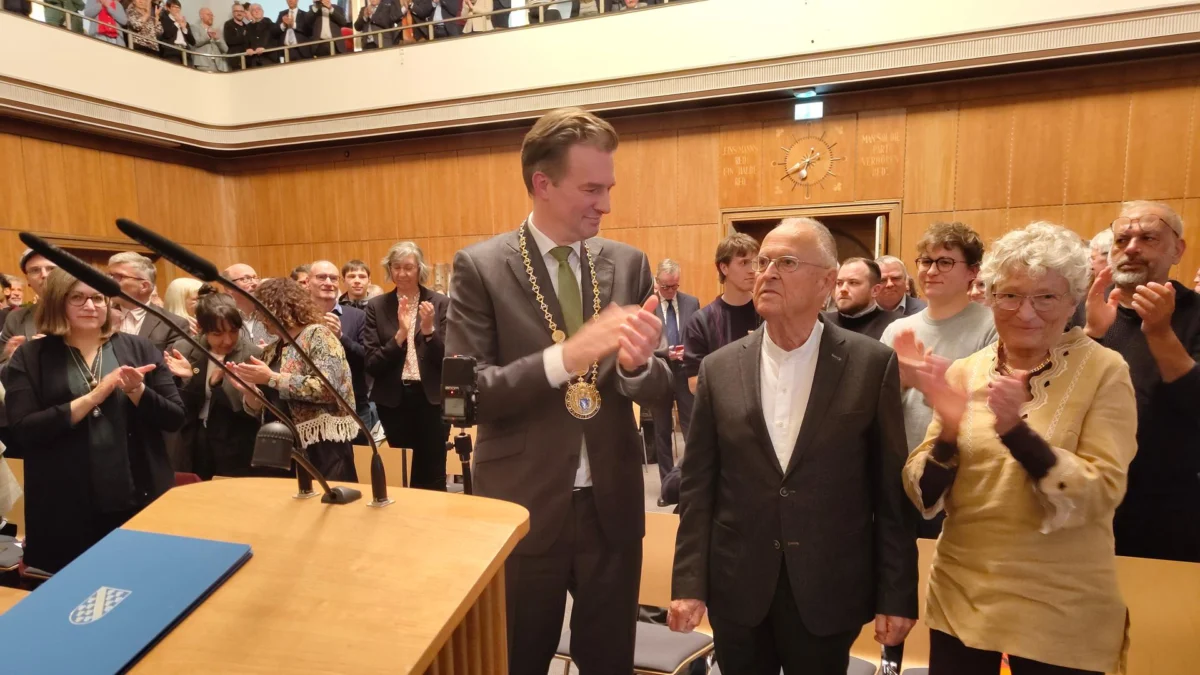
Throughout the session, critical questions regarding the potential impact of hospital closures, staff reductions, and reduced access to medical services dominated the discourse. These pointed queries, often delivered with palpable emotion, were consistently met with loud and sustained applause from sections of the audience, a clear indication of collective frustration and opposition to the minister’s reform agenda. The applause served as a powerful, non-verbal endorsement of the dissenting voices, effectively turning the dialogue into a platform for public protest against the proposed changes.
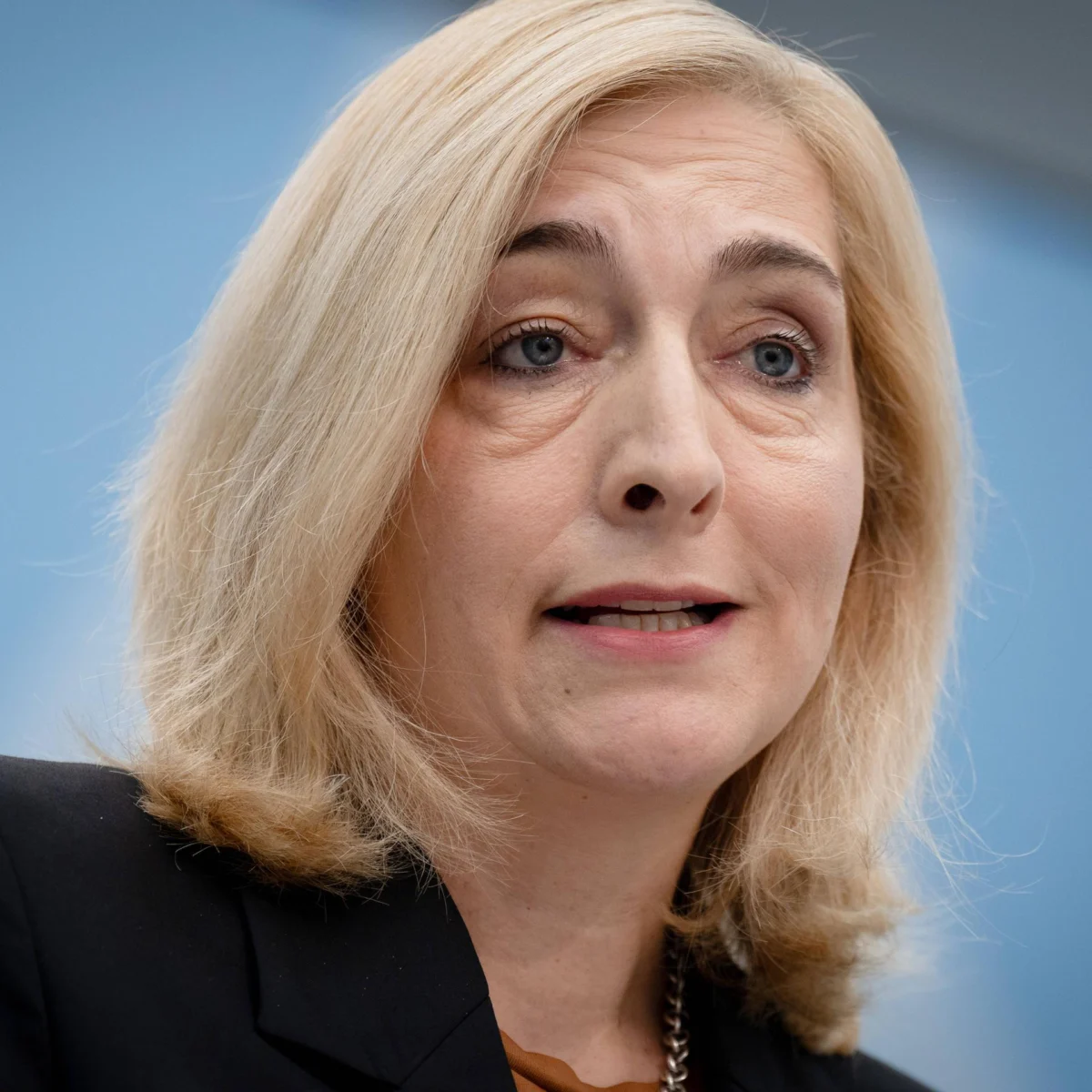
The minister, clad in a dark blazer as depicted in the official photographs, maintained her composure, reiterating her commitment to a financially viable and efficient healthcare system. Yet, the persistent dissent underscored the immense challenge facing her ministry in garnering public support for reforms that are perceived by many as a threat to a fundamental public good. The incident highlights the deep ideological chasm between governmental fiscal priorities and the public’s deeply held expectations regarding universal healthcare access.
Chronology of Events: From Transparency to Tumult
The "Tag der offenen Tür" is an annual fixture in Berlin’s political calendar, offering citizens a rare glimpse behind the usually closed doors of federal ministries and government institutions. For two days, including the day prior to Minister Warken’s event, various departments across the capital open their premises, host informational sessions, and facilitate direct interactions with ministers and civil servants. The overarching goal is to foster transparency, enhance civic engagement, and allow the public to "get an impression of the political operations in the capital," as the official announcement stated.
On Saturday, June 20, 2026, thousands had already flocked to various ministries, engaging in tours, attending panel discussions, and participating in workshops, generally experiencing a convivial atmosphere of civic curiosity. Expectations for the Federal Ministry of Health’s Sunday session were similarly benign, anticipating a standard Q&A format. However, the deep-seated concerns surrounding healthcare policy, simmering beneath the surface for months, ensured that the dialogue featuring Minister Warken would be anything but ordinary.
The session began with Minister Warken outlining the rationale behind her proposed reforms, emphasizing the need for a "sustainable" and "efficient" healthcare system. She presented data points, which, while not fully detailed in the initial reports, presumably pertained to hospital bed occupancy rates, regional distribution of facilities, and the financial pressures on the statutory health insurance system. This introductory segment was met with polite but increasingly restless attention from the audience.
As the floor opened for questions, the tone shifted dramatically. The first few questions, though critical, remained within the bounds of a typical policy debate. However, as more attendees stepped forward, the emotional intensity grew. Patients spoke of fears regarding longer travel distances for specialized care, particularly in rural areas, should local hospitals close. Relatives recounted harrowing experiences of navigating an already stretched system. Healthcare professionals articulated concerns about staff burnout, potential job losses, and the erosion of professional standards under increased pressure. Each poignant question, each personal anecdote of potential hardship, resonated deeply with the audience, culminating in bursts of applause that were not for the minister’s responses, but for the questioners themselves.
Minister Warken attempted to reassert control over the narrative, reiterating her arguments about the need for "consolidation" and "specialization" to ensure higher quality care and fiscal responsibility. She pointed to successful models in other countries and emphasized that inaction would lead to a far more severe crisis down the line. However, her explanations were frequently interrupted by the enthusiastic clapping, signaling a clear rejection of her framing and a solidarity with the voices of dissent. The dialogue, designed to bridge the gap between policy and public perception, instead laid bare the profound disconnect and the sheer scale of public opposition to the proposed healthcare overhaul. This direct and unvarnished confrontation will undoubtedly be a defining moment in the ongoing debate over Germany’s healthcare future.
Supporting Data and Context: The Rationale and the Resistance
Germany’s healthcare system is one of the most comprehensive and well-regarded globally, characterized by its dual system of statutory health insurance (GKV) and private health insurance (PKV), offering universal access to a broad range of services. It boasts a high density of hospitals and medical professionals. However, this very strength is now being framed by the Ministry of Health as a source of its current challenges.
The "Overcapacity" Argument: Minister Warken’s core argument rests on the premise of an inefficiently structured hospital landscape. Proponents of the reform cite several key data points:
- High Hospital Density: Germany has approximately 1,900 hospitals (as of recent years, though exact 2026 figures are subject to change), a significantly higher number per capita compared to many other developed nations in the OECD. While this provides widespread access, it also implies a potentially fragmented system.
- Bed Occupancy Rates: Official figures often indicate average bed occupancy rates below 80% nationally, with some smaller, rural hospitals struggling with much lower utilization. Economists argue that maintaining underutilized infrastructure, medical equipment, and staff is fiscally unsustainable, leading to higher per-patient costs.
- Specialization vs. Generalism: The argument suggests that many smaller hospitals offer a broad range of general services but lack the patient volume to develop highly specialized expertise. Consolidating services into fewer, larger, and more specialized centers could, theoretically, lead to better outcomes for complex cases and more efficient use of advanced medical technology.
- Demographic Shifts: While Germany’s population is aging, leading to an increased demand for healthcare services, the ministry posits that the type of care needed is shifting. More chronic disease management, geriatric care, and outpatient services are required, rather than an ever-increasing number of acute care hospital beds.
The Counterarguments and Public Concerns: The loud applause and critical questions during the dialogue highlight the deep anxieties that directly contradict the ministry’s statistical arguments.
- Patient Access: For many, particularly those living in rural or structurally weak regions, a local hospital is not a luxury but a lifeline. Closures mean significantly longer travel times for emergency care, routine check-ups, and visits to hospitalized family members. This creates a "postcode lottery" for healthcare, where access is determined by geography.
- Impact on Healthcare Workers: Healthcare unions and professional associations fear that consolidation will inevitably lead to job losses, increased workload for remaining staff, and a decline in morale. Already facing staff shortages in various specialties, particularly nursing, the sector is wary of reforms that could exacerbate these issues. The specter of a "brain drain" of medical professionals to countries with better working conditions is a persistent concern.
- Quality of Care: While specialization can improve outcomes for complex procedures, critics argue that smaller, community hospitals often provide essential primary and secondary care, foster trust, and offer a more holistic approach to patient well-being. The fear is that a focus on efficiency might depersonalize care and overlook the socio-emotional aspects of local medical provision.
- Economic Impact on Regions: A hospital is often a major employer and economic anchor in smaller towns. Its closure can devastate local economies, leading to job losses not only in healthcare but also in ancillary services, and can deter new residents and businesses from settling in the area.
- Federal vs. State Responsibilities: Germany’s federal structure means that while the federal government sets overarching policy frameworks, the Länder (states) are primarily responsible for hospital planning and investment. This creates a complex political landscape where federal austerity measures can clash with state-level priorities and regional needs.
The data presented by the ministry, while perhaps statistically sound in isolation, fails to capture the human element and the profound societal value placed on accessible, local healthcare. This disconnect formed the basis of the heated exchange witnessed at the "Tag der offenen Tür," demonstrating that policy rooted purely in economic efficiency can often overlook the critical social fabric it impacts.
Official Responses and Political Landscape: A Tightrope Walk
Minister Warken’s resolute defense of her reform agenda at the "Tag der offenen Tür" was not an isolated incident but a consistent articulation of the government’s position on healthcare sustainability. Her ministry’s official responses consistently emphasize the long-term vision and the necessity of difficult decisions for the future viability of the system.
Minister Warken’s Stance: The minister’s arguments can be summarized as follows:
- Future Viability (Zukunftsfähigkeit): She repeatedly stresses that the current structure is not sustainable in the face of an aging population, rising costs, and evolving medical technologies. Reforms are presented as proactive measures to prevent a systemic collapse rather than reactive cuts.
- Efficiency and Quality Improvement: Warken maintains that by reducing "overcapacity" and fostering "specialization," resources can be better allocated, leading to higher quality care in fewer, but better-equipped and staffed, centers. This consolidation is framed as a pathway to medical excellence, where expertise is concentrated and advanced procedures are performed more frequently, thus improving patient outcomes.
- Fiscal Responsibility: As a CDU politician, Minister Warken operates within a broader government mandate that prioritizes fiscal prudence. The reforms are partly driven by the need to stabilize the finances of the statutory health insurance system, which faces increasing pressure from demographic shifts and medical advancements.
- Addressing Structural Deficiencies: She argues that simply injecting more money into a fundamentally inefficient structure is not a solution. Instead, a fundamental restructuring is required to address deep-seated issues.
Ministry’s Communication Strategy: The Federal Ministry of Health has been engaging in a multi-pronged communication strategy to explain and justify these reforms. This includes:
- Expert Commissions and White Papers: Publishing detailed reports and recommendations from independent expert commissions to lend scientific and objective credibility to the reform proposals.
- Regional Dialogues (Beyond Berlin): Organizing town hall meetings and expert discussions in various regions across Germany to directly engage with local communities, albeit with varying degrees of success in mitigating public anxiety.
- Media Campaigns: Utilizing traditional and social media to disseminate information about the reforms, often focusing on the benefits of specialization and the dangers of inaction.
Government Coalition Dynamics: The healthcare reforms are a critical test for the ruling coalition. While the CDU, Minister Warken’s party, generally supports fiscal conservatism and structural reforms, other coalition partners might face different pressures:
- FDP (Free Democratic Party): As a liberal party, the FDP often aligns with the CDU on fiscal discipline and efficiency. They are likely to support reforms that promise economic savings and reduced bureaucracy.
- SPD (Social Democratic Party): The SPD, typically prioritizing social welfare and universal access, often finds itself in a delicate balancing act. While they might acknowledge the need for some reform, they are likely to push for stronger social safeguards, protection for rural hospitals, and robust support for healthcare workers. Any perception of "social dismantling" could lead to internal friction within the coalition and external criticism from the SPD’s traditional voter base. The loud applause for dissenting voices at the event might empower the SPD to demand more concessions.
Opposition Parties’ Reactions: Opposition parties have been quick to seize upon the public discontent.
- The Greens: While also generally supportive of sustainable policies, the Greens often emphasize regional equity and ecological considerations in healthcare planning. They might criticize the lack of emphasis on preventative care and the potential for increased carbon footprints due to longer patient travel.
- Die Linke (The Left): As a socialist party, Die Linke vehemently opposes any form of austerity in healthcare, advocating for a fully publicly funded and accessible system. They would likely frame Warken’s reforms as an attack on the welfare state and a step towards privatization, using the protests as evidence of widespread public rejection.
- AfD (Alternative for Germany): The far-right AfD often capitalizes on public anxieties, portraying government actions as incompetent or detrimental to the "common German." They would likely condemn the reforms as a betrayal of the population, possibly linking them to broader criticisms of government spending or immigration.
The protests at the Ministry of Health underscore the political tightrope Minister Warken and the entire government must walk. Balancing the perceived necessity of fiscal reform with deeply ingrained public expectations for universal, local healthcare is proving to be one of the most significant domestic policy challenges of this legislative period.
Implications and Outlook: A Defining Moment for German Healthcare
The fervent protests witnessed at the Federal Ministry of Health are more than just a momentary outburst of public dissatisfaction; they carry profound implications for the political landscape, social cohesion, and the very future trajectory of healthcare in Germany. This event could well serve as a defining moment, shaping policy debates and public discourse for years to come.
Political Implications:
- Minister Warken’s Standing: The strong public backlash could weaken Minister Warken’s political capital, making it harder to push through her ambitious reform agenda. While her resolve might be praised by some within her party, the visible dissent could make her a lightning rod for public anger, potentially impacting her future career prospects.
- Government Stability: If the protests escalate or public opinion solidifies against the reforms, it could strain the governing coalition. Internal disagreements, particularly with the SPD, could become more pronounced, potentially leading to policy paralysis or even, in an extreme scenario, threaten the stability of the government itself, especially with upcoming regional or federal elections on the horizon.
- Public Engagement and Trust: The incident highlights the challenge of democratic governance when unpopular but "necessary" reforms are proposed. It tests the government’s ability to communicate complex policy effectively and its willingness to genuinely incorporate public feedback. A perceived lack of responsiveness could further erode public trust in political institutions.
- Electoral Impact: Healthcare is a highly emotional and personal issue. The government’s handling of these reforms, particularly the public reaction, will undoubtedly be a significant factor in future election campaigns, offering opposition parties fertile ground for criticism and alternative policy proposals.
Social and Economic Implications:
- Evolving Social Contract: The debate over hospital closures touches upon Germany’s fundamental social contract regarding healthcare. Is universal, accessible healthcare a non-negotiable right, or is it subject to economic efficiency dictates? The public pushback suggests a strong preference for the former, challenging the government to reconcile fiscal responsibility with social equity.
- Regional Disparities: The reforms risk exacerbating the divide between urban and rural areas. While urban centers might see consolidation lead to highly specialized, efficient facilities, rural communities face the prospect of reduced access, longer travel times, and a further decline in local infrastructure. This could fuel feelings of abandonment and deepen social fragmentation.
- Local Economies: The closure of a hospital is not just a healthcare issue; it’s an economic blow to local communities. It means job losses for medical staff, administrative personnel, and support services. It impacts local businesses that serve the hospital and its employees, and it can make a region less attractive for families and businesses considering relocation.
Future of Healthcare Reform:
- A Broader Overhaul? The current focus on hospital restructuring might be just the tip of the iceberg. The government could be contemplating wider reforms encompassing primary care, digitalization of health services, and a stronger emphasis on preventive medicine. However, the current backlash suggests that any further reforms will face intense scrutiny and resistance.
- Balancing Act: The central challenge for German healthcare will remain the delicate balancing act between maintaining a high-quality, universally accessible system and ensuring its financial sustainability in the long term. This requires innovative solutions that go beyond mere cost-cutting.
- Need for Consensus: The protests underscore the urgent need for a broad national consensus on the future direction of healthcare. This might necessitate cross-party dialogue, extensive public consultation that genuinely incorporates feedback, and a long-term strategy that transcends electoral cycles. Ignoring such public sentiment risks not only political fallout but also the potential for widespread social unrest and a further erosion of confidence in a system that has long been a source of national pride.
The "Tag der offenen Tür" at the Ministry of Health was initially conceived as an exercise in transparency. Instead, it became a stark demonstration of the deep-seated public anxieties surrounding healthcare reform, setting the stage for what promises to be a protracted and fiercely contested debate over the very essence of Germany’s social welfare state.