In the highly competitive landscape of consumer electronics, finding a balance between high-end visual fidelity and an accessible price point is the "holy grail" for most households. As streaming services become the primary source of entertainment and 4K content continues to dominate the living room, the demand for affordable, large-screen displays has never been higher.
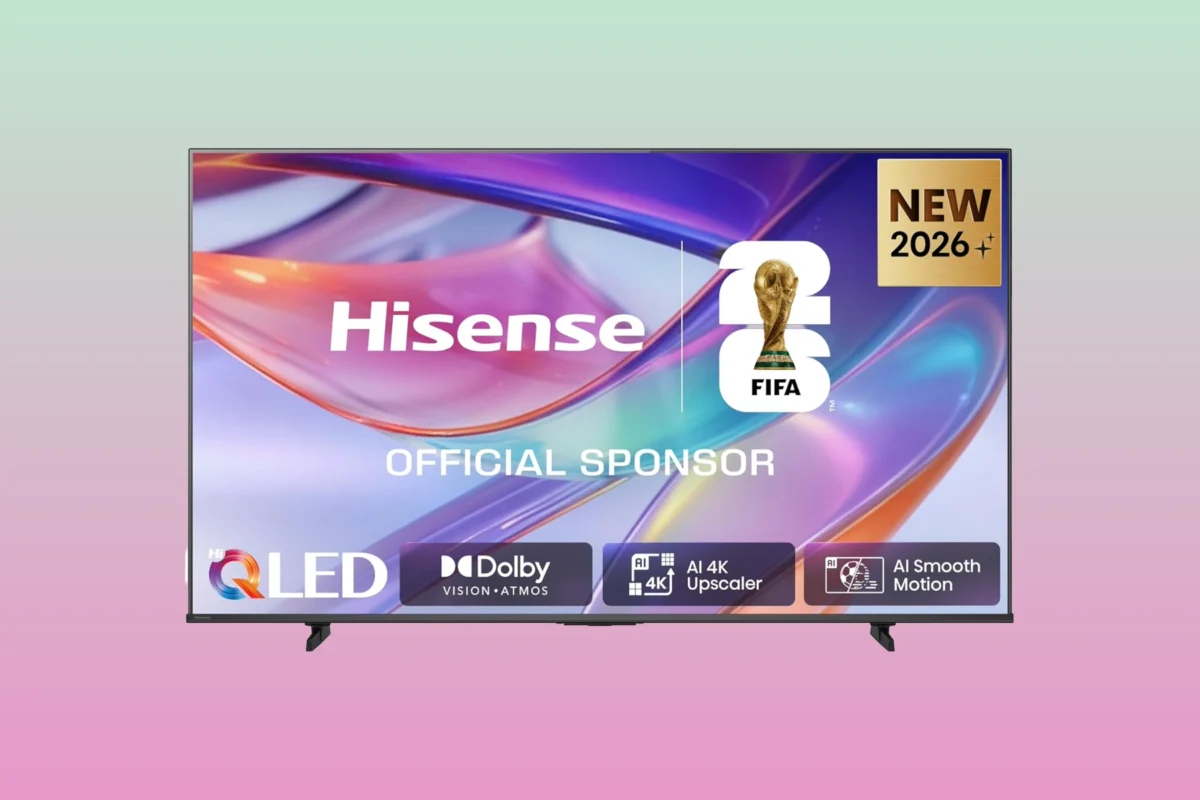
Currently, a significant market disruption is occurring on Amazon, where the Hisense 55E7DS—a 55-inch QLED 4K smart television—has dropped to an all-time low price of €329. Representing a 45 percent discount from its original MSRP of €599, this offer has caught the attention of budget-conscious cinephiles and casual gamers alike.
The Core Facts: A New Benchmark for Value
The Hisense 55E7DS is not merely a "budget" television; it is a feature-rich entry into the QLED (Quantum Dot LED) ecosystem. By utilizing quantum dot technology, this display offers a superior color gamut and higher brightness levels compared to traditional LED panels, which often struggle with color depth in lower-cost segments.
The current price of €329 is not just a seasonal promotion; market analysts confirm it is the lowest price ever recorded for this specific model. Previously, the TV fluctuated between €364 and €429, with occasional spikes as high as €699. Its current status as a bestseller on Amazon—holding the number four spot in its category with over 100 units sold in the last month alone—signals a strong consumer appetite for high-value home entertainment hardware. With an aggregate rating of 4.4 out of 5 stars from early adopters, the initial market reception is overwhelmingly positive.
Chronology of the 55E7DS Market Positioning
To understand why this offer is significant, one must look at the trajectory of the Hisense E7 series over the past year.
- Initial Launch Phase: Upon its market debut, the 55E7DS was positioned as a mid-range contender, aiming to bridge the gap between "no-name" budget brands and premium manufacturers like Samsung or Sony.
- The Price Stabilization Period: For the majority of the last six months, the TV maintained a stable price bracket, effectively competing with entry-level offerings from LG and TCL. During this time, it was frequently recommended by tech reviewers as a "best-buy" for dorm rooms and secondary living spaces.
- The Current Correction: The recent price drop to €329 appears to be a strategic inventory clearance or an aggressive acquisition move by retailers to capture market share during a period where consumers are increasingly cautious about discretionary spending.
This chronology illustrates a clear trend: manufacturers are aggressively lowering the barrier to entry for QLED technology, essentially rendering standard 4K LED televisions obsolete for those who can wait for these cyclical price corrections.
Supporting Data: Under the Hood of the Hisense 55E7DS
A TV is more than just its panel; it is an integrated system of processing, software, and connectivity. The Hisense 55E7DS leverages a suite of proprietary technologies designed to enhance the viewing experience:

The Hi-View AI Engine
At the heart of the television lies the Hi-View AI Engine. This processor acts as the "brain" of the operation, dynamically adjusting brightness, contrast, and color saturation in real-time. By analyzing the incoming signal, the engine ensures that the image is optimized for the specific scene, whether it is a high-contrast dark thriller or a brightly lit sporting event.
Upscaling and Motion Handling
One of the most frequent complaints regarding 4K TVs is the quality of lower-resolution content. The 55E7DS addresses this with an AI-4K upscaler, which intelligently interpolates pixels to sharpen non-4K content, such as legacy cable broadcasts or older digital files. For sports enthusiasts, the inclusion of "AI Smooth Motion" is critical. By reducing judder and motion blur, the TV provides a fluid visual experience during high-speed action, such as Formula 1 racing or football matches.
The Filmmaker Mode
A standout feature for cinema purists is the inclusion of the "Filmmaker Mode." This setting disables heavy-handed motion smoothing and artificial sharpening, allowing the viewer to see the content as the director intended. This is a feature usually reserved for much higher-end sets, and its inclusion here demonstrates Hisense’s commitment to providing a premium experience at a lower price tier.
Gaming Capabilities: Strengths and Limitations
For the gaming demographic, the 55E7DS offers a "Game Mode Plus" which includes Variable Refresh Rate (VRR) and Auto Low Latency Mode (ALLM). With an input lag of just 9.2 milliseconds, the television is responsive enough for the vast majority of console players.
However, it is important to contextualize these specs. The panel operates at a native 60Hz refresh rate. While this is perfectly adequate for the Nintendo Switch or casual play on a PlayStation 5, competitive gamers looking for the 120Hz experience will find the hardware limiting. It serves as an excellent "gateway" gaming display, but it does not replace the specialized, high-refresh-rate monitors favored by professional eSports enthusiasts.
Smart Features and Connectivity
The television utilizes the VIDAA operating system, which is optimized for speed and stability. The interface is intuitive, offering pre-installed access to major streaming giants like Netflix, Disney+, Apple TV, and Prime Video.
Furthermore, the connectivity suite is generous:
- Four HDMI inputs: Sufficient for a soundbar, a console, a PC, and a dedicated streaming device.
- Dual USB ports: For multimedia playback from local drives.
- eARC Support: Essential for those looking to upgrade their audio setup with a Dolby Atmos soundbar or surround sound system.
- Wireless Connectivity: Bluetooth and Wi-Fi are standard, along with AirPlay 2 for seamless screen mirroring from Apple devices.
Implications for the Consumer
What does this price drop mean for the average buyer?
First, it signifies a shift in the "value-per-inch" metric. Historically, a sub-€350 price point meant sacrificing color accuracy and smart features. The 55E7DS challenges this by providing a feature-complete package. For households looking to upgrade from a decade-old LCD or a smaller 40-inch screen, this represents a massive leap in quality for a relatively low investment.
Second, it highlights the importance of timing. By monitoring price histories and avoiding impulse purchases at the MSRP, consumers can save significant capital—in this case, nearly €270.
Expert Verdict: Who Should Buy?
The Hisense 55E7DS is an ideal purchase for:
- Families and Casual Viewers: Those who want a large, vibrant screen for movie nights and streaming.
- Budget-Conscious Techies: People who want modern features like Dolby Vision IQ and AI-driven image processing without paying a premium for luxury brand names.
- Secondary Room Upgraders: Perfect for bedrooms or guest suites where a secondary display is needed.
Conversely, it is not recommended for:
- Competitive Gamers: Those who require 120Hz performance for high-frame-rate titles.
- Audiophiles: While the 2x10W speakers support Dolby Atmos, they are physically limited by the thin chassis of the TV. Anyone serious about sound should budget for an external soundbar to complement the visual performance.
Conclusion: A New Standard for the Entry-Level
The Hisense 55E7DS at €329 is a compelling case study in the democratization of high-end technology. While it lacks the sheer processing power and brightness peaks of flagship OLED panels costing thousands of euros, it offers roughly 80 to 90 percent of the experience for a fraction of the price.
As we move through the year, this deal serves as a reminder that the gap between budget and luxury is closing. For most users, the performance of the 55E7DS will not only be sufficient; it will be transformative. Whether you are upgrading your primary living room screen or finally making the jump to 4K, the current market conditions make this one of the most logical purchases in the current tech landscape. As with all deep-discount offers, interested buyers should act quickly, as inventory levels at these price points are typically limited and prone to rapid depletion.