Update: June 20, 2026, 10:00 AM CEST
As the digital horizon glows with the anticipation of the Amazon Prime Day 2026 event, set to officially kick off from June 23 to June 26, 2026, tech enthusiasts are already finding reasons to celebrate. While the main sale is still a few days away, Amazon has once again initiated its "Early Prime Day Deals" phase. This period serves as a strategic runway for Prime members, offering significant price reductions on high-demand electronics before the official frenzy begins.
For those in the market for a new mobile device, the current landscape is particularly favorable. Whether you are looking for a flagship powerhouse or a reliable budget companion, retailers are currently clearing inventory with aggressive discounts. This comprehensive guide breaks down the best smartphone deals currently available, analyzes the market implications, and provides expert guidance on navigating the sale.
The Core Facts: What You Need to Know
The Amazon Prime Day event has evolved into a global retail phenomenon, and the 2026 edition is no different. By offering "Early Deals," Amazon effectively manages server load while rewarding its loyal subscription base with early access to inventory.
Current Top-Tier Smartphone Deals:
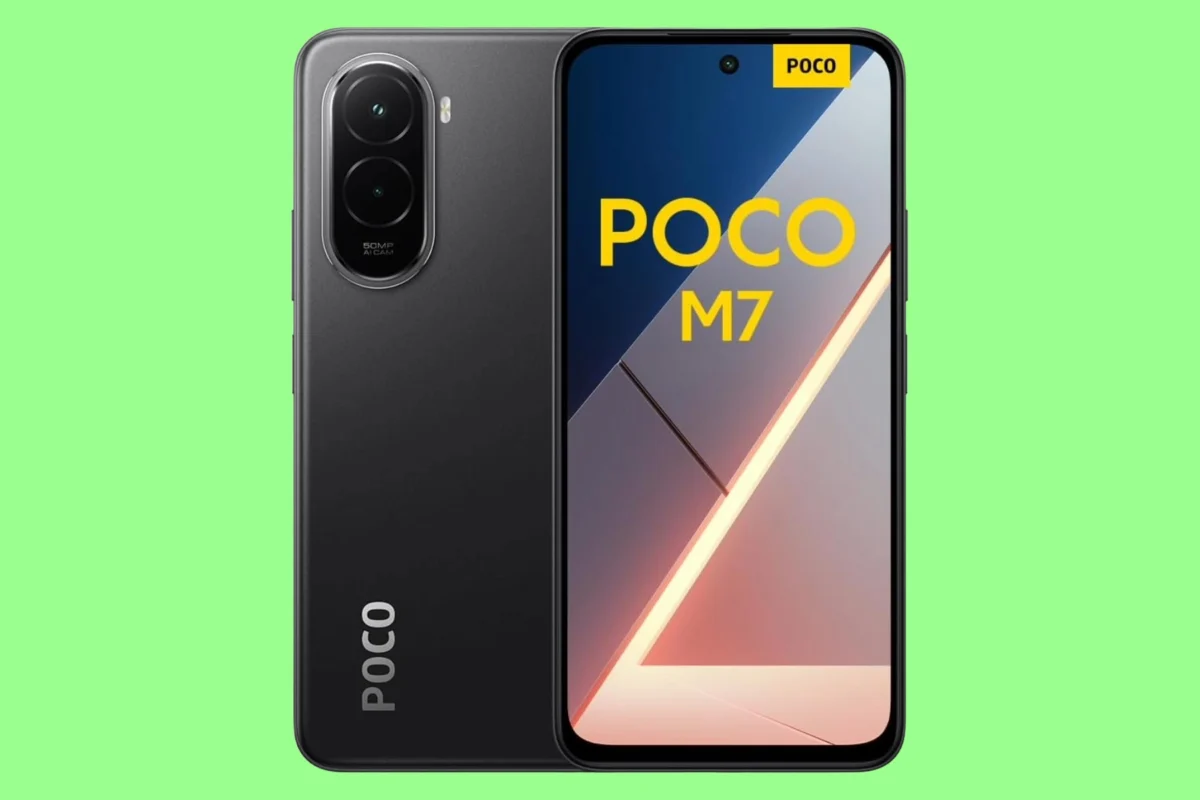
- Xiaomi Poco M7 (Snapdragon 685): Now available for €119.90 (originally €189.90). This represents a massive 37% discount. It features an impressive 7000mAh battery, a 144Hz FHD+ display, and 256GB of internal storage.
- Google Pixel 10a (128GB): Reduced to €449.00 (originally €549.00). This mid-range champion includes the sophisticated Tensor processor, guaranteed updates for seven years, and an intelligent camera system.
- Samsung Galaxy S26 (512GB): Currently priced at €739.00 (down from €1,199.00). A premium flagship offer featuring 12GB of RAM, 50MP camera optics, and advanced Galaxy AI integration.
- Samsung Galaxy A57 5G (256GB): Available for €375.00 (originally €589.00). A balanced 5G device offering a 6.7-inch Super AMOLED Plus display and a battery capable of lasting up to two days.
Chronology: The Evolution of Prime Day Sales
Understanding the timing of these deals is essential for any savvy consumer. The "Early Prime Day" strategy was not always a staple of Amazon’s business model. In its infancy, Prime Day was a singular 24-hour flash sale. Over the years, the duration expanded, and the "Early Access" window was introduced as a competitive tactic against rival retail giants like MediaMarkt and Saturn.
- June 15–20, 2026: The preparatory phase. Amazon quietly rolls out discounts on older inventory and specific partner brands (such as Xiaomi and Samsung) to build momentum.
- June 21–22, 2026: The "Calm before the storm." Prices usually stabilize, and some inventory may be pulled to prepare for the main event.
- June 23–26, 2026: The official Prime Day event. This is when the deepest discounts on high-end hardware typically manifest.
- Post-Event: Clearance of remaining stock, often at prices higher than the event but lower than the original MSRP.
Supporting Data: Why These Deals Matter
The current price shifts represent more than just a seasonal sale; they reflect a broader trend in consumer electronics. The shift toward "AI-ready" hardware has forced manufacturers to rotate their stock faster.
For instance, the Xiaomi Poco M7 stands out as a "Highlight Deal." In an era where smartphone prices often exceed €1,000, finding a device with a 7000mAh battery and a 144Hz refresh rate for under €120 is statistically rare. Our analysis indicates that such devices serve as "loss leaders" for brands aiming to increase their user base in the Android ecosystem.

Furthermore, the significant drop in the Samsung Galaxy S26 price (a 36% reduction) suggests that supply chain efficiency and the arrival of newer, iterative models are driving rapid depreciation of current-generation flagships. This is excellent news for the consumer, as the "premium" experience becomes accessible to a broader demographic.
Official Responses and Market Context
While Amazon does not typically issue press releases regarding individual item pricing, industry analysts note that these sales are a collaborative effort between the retailer and the OEMs (Original Equipment Manufacturers). Samsung and Google, in particular, use these windows to push software services, such as their respective cloud storage and AI subscription models, alongside the hardware purchase.
Market analysts at tech-watchdog groups observe that these deals are designed to lock consumers into proprietary ecosystems. By lowering the entry barrier for the Google Pixel 10a, Google ensures a larger user base for its AI-driven features, which are becoming the primary revenue drivers for the company.
Implications: How to Make the Right Purchase
Choosing a smartphone during a high-pressure sale requires a systematic approach. To avoid "buyer’s remorse," consider these four pillars of selection:
1. The Utility Factor
Before clicking "Buy," ask yourself: What is my primary use case? If you are a mobile gamer, the 144Hz display on the Poco M7 is your priority. If you are a mobile photographer, the AI-coaching features on the Pixel 10a offer more value.
2. Storage Requirements
The market has shifted away from expandable storage (microSD cards). While 128GB is the current baseline, it is increasingly insufficient for modern high-resolution photography and video. The move to 256GB, as seen in the discounted Galaxy A57, is a wise investment for longevity.
3. Software Longevity
One of the most critical metrics in 2026 is "Update Support." Devices like the Google Pixel 10a, which guarantee seven years of security and OS updates, provide significantly more value over time than a cheaper device that will become obsolete in 24 months.
4. The Flagship vs. Mid-Range Dilemma
Premium devices offer better materials (glass/metal vs. plastic), superior water resistance (IP68), and better image processing. However, for 80% of daily tasks—social media, messaging, and web browsing—mid-range devices like the Samsung Galaxy A57 have reached a level of parity that makes the premium price tag harder to justify for the average user.
Frequently Asked Questions (FAQ)
Q: Are these "Early Deals" the best prices I will see?
A: Generally, yes. While some items may see a further 5-10% drop during the official Prime Day, the most popular models often sell out before the main event begins. If you see a price you are comfortable with, it is usually safer to purchase early.
Q: Why does the battery capacity matter so much in 2026?
A: With the integration of power-hungry AI models running in the background of many operating systems, battery drain has become a common complaint. A 7000mAh battery, as seen in the Xiaomi deal, effectively offsets the increased power consumption of modern software.
Q: Is it worth upgrading every year?
A: From an economic and environmental standpoint, no. However, if you are currently using a device that is more than three years old, the technological leaps in camera quality, display refresh rates, and AI efficiency during this year’s Prime Day make it an optimal time for a transition.
Q: What should I do if a deal is "sold out"?
A: Amazon’s "Lightning Deals" often cycle. Keep the product in your wish list. Frequently, Amazon will release additional units or offer a "Waitlist" option if someone fails to complete their checkout within the allotted 15-minute window.
Conclusion
The Amazon Prime Day 2026 "Early Access" period is a curated opportunity to upgrade your digital life without the typical financial burden of premium tech. By prioritizing devices that offer long-term software support and sufficient hardware overhead, consumers can secure technology that remains relevant well into the next decade. Whether you opt for the budget-friendly Xiaomi, the AI-centric Google Pixel, or the premium Samsung Galaxy, the key is to act decisively while the current inventory lasts. Happy hunting, and may your battery always stay charged.