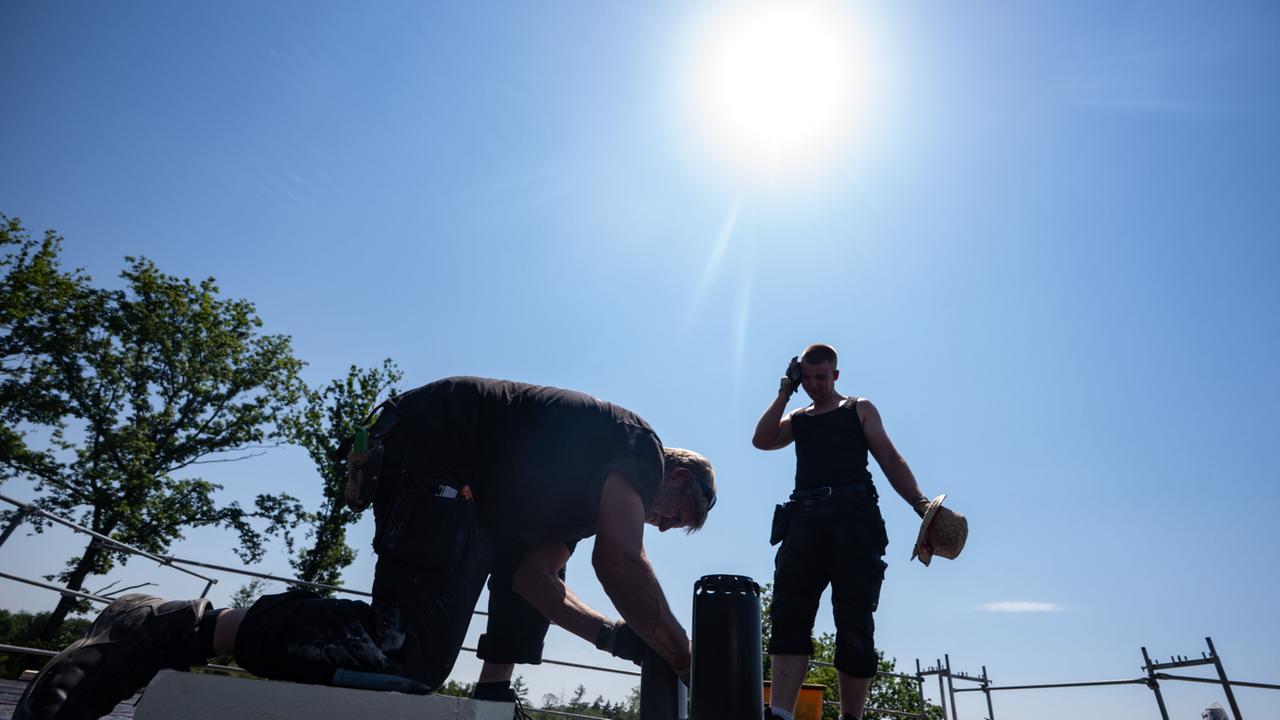
Frankfurt am Main, Germany – June 19, 2024 – Germany experienced an exceptionally scorching Friday, with temperatures soaring across the nation, culminating in a blistering 38.5 degrees Celsius in Kitzingen, Bavaria. While the mercury did not breach the all-time national record for the date, the widespread intensity of the heatwave brought significant challenges and prompted widespread warnings from meteorological services. As the day drew to a close, the oppressive heat gave way to violent thunderstorms in numerous regions, bringing immediate disruption and signalling a volatile shift in weather patterns. The Southside Festival in Baden-Württemberg was among the events temporarily halted, underscoring the immediate impact of the extreme conditions.
The German Weather Service (DWD) had issued alerts for "extreme heat" across broad swathes of the country, from the traditionally warmer south to the northern plains. This intense heat is now transitioning into a period of severe weather, with heavy rain, hail, and gale-force winds already causing disruptions and raising concerns for the weekend ahead. Authorities are urging continued vigilance as the country navigates this dramatic meteorological swing, with high temperatures expected to persist into Sunday.
A Scorching Friday: Chronology of a Heatwave
The week culminated in a relentless heatwave that gripped Germany, marking an early and intense start to summer. Friday, June 19th, witnessed temperatures rarely seen so early in the season, transforming public spaces and daily routines across the Bundesrepublik.
The Build-up to Peak Heat
The heatwave was a consequence of a large-scale meteorological phenomenon: a stable high-pressure system, often referred to as an "omega block," settled over Central Europe. This system acted as a barrier, preventing cooler, Atlantic air masses from reaching the continent. Instead, it drew in exceptionally hot air from North Africa and the Mediterranean basin, pushing temperatures steadily upwards throughout the week. By Friday, this continental heat dome had reached its peak intensity over Germany, creating conditions ripe for extreme thermal stress. The clear skies and prolonged sunshine under this high-pressure ridge further amplified the warming effect, baking the ground and leading to rapid atmospheric heating. The DWD had been tracking this development for days, progressively escalating its heat warnings as the forecast became more certain, advising citizens to prepare for significant physiological strain.
Peak Temperatures Across the Nation
As predicted, Friday saw temperatures soar, making it a day of widespread discomfort and caution. The preliminary measurements from the German Weather Service (DWD) highlighted several hotspots:
- Kitzingen, Bavaria, near Würzburg on the Main River, registered the highest temperature nationwide at a searing 38.5 degrees Celsius. This town, often a frontrunner in Germany’s temperature records due to its geographical basin-like location, once again claimed the top spot.
- Following closely was Bad Kreuznach in Rhineland-Palatinate, which recorded a formidable 38.0 degrees Celsius.
- Joint third were Waghäusel-Kirrlach in Baden-Württemberg and Andernach in Rhineland-Palatinate, both reaching 37.5 degrees Celsius.
- The bustling metropolis of Frankfurt am Main also experienced intense heat, with the mercury hitting 37.2 degrees Celsius.
What made this heatwave particularly notable was its broad geographical impact. While the south typically experiences the highest temperatures, this event saw heat radiating significantly further north. Regions that often enjoy milder summers, such as parts of Lower Saxony and Hamburg, also saw temperatures comfortably exceeding the 30-degree mark, triggering "extreme heat" warnings from the DWD for these areas. This widespread nature underscored the potency of the atmospheric conditions at play, affecting a large proportion of the German population.
Context: Not a Record-Breaker, But Significant
Despite the exceptionally high temperatures, Friday, June 19th, did not set a new all-time record for that specific date. The highest temperature ever recorded on June 19th in Germany remains 39.2 degrees Celsius, measured in Dresden in 2022. This historical context is important for framing the current event; while not unprecedented in its absolute value, the widespread nature and early timing in the summer season make this heatwave particularly significant. Meteorologists noted that while previous June heatwaves might have been more localised or shorter-lived, the current event’s combination of intensity, duration, and geographic reach presented considerable challenges for public health and infrastructure. The sheer number of locations simultaneously experiencing temperatures above 35°C was a testament to the broad influence of the prevailing weather system.
From Searing Heat to Stormy Skies: Supporting Data and Meteorological Insights
The dramatic shift from extreme heat to violent thunderstorms is a classic meteorological phenomenon, exacerbated in recent years by global warming trends. The clash of air masses, particularly after prolonged periods of intense heat, creates highly unstable atmospheric conditions.
The Dynamics of Atmospheric Shift
The transition from the intense heatwave to severe thunderstorms is driven by a fundamental atmospheric shift. The high-pressure system that brought the scorching temperatures began to weaken and move eastward, allowing a colder, more unstable air mass – typically a cold front originating from the Atlantic – to push in from the west. When this cooler, denser air undercuts the hot, humid air trapped beneath the heat dome, it creates a highly volatile environment. The rising hot air, laden with moisture from evaporated surface water, rapidly condenses as it encounters the colder air aloft. This process releases vast amounts of latent heat, fuelling the rapid vertical development of towering cumulonimbus clouds – the harbingers of severe thunderstorms. The greater the temperature and moisture contrast, the more explosive the resulting storms. This atmospheric instability manifests as strong updrafts and downdrafts, leading to the formation of large hail, intense lightning activity, torrential rainfall, and powerful wind gusts.
Regional Impacts and DWD Alerts
The DWD’s warnings for severe thunderstorms were focused on the western, southwestern, and southern regions of Germany, as well as the Lausitz area in the east. These warnings indicated a high probability of "Unwetter" – severe weather – which typically includes:
- Heavy Rainfall: Capable of causing flash floods, particularly in urban areas or small river basins.
- Large Hail: Hailstones, sometimes several centimetres in diameter, posing risks to vehicles, property, and agriculture.
- Gale-force Winds or Squalls: Strong gusts that can bring down trees, damage roofs, and disrupt power lines.
- Frequent Lightning: Posing a significant threat to life and property, with potential for strikes on buildings and infrastructure.
The specific targeting of these regions reflects the expected path of the cold front and the areas where the atmospheric conditions for severe convection were most pronounced. The DWD’s alerts are crucial for emergency services and the public to take precautionary measures.
Quantifying the Storms: Rainfall and Wind Speeds
Initial reports and forecasts provided a glimpse into the intensity of the incoming storms. For regions like Swabia and western Upper Bavaria, meteorologists specifically warned of Starkregen (heavy rain) of up to 20 litres per square meter in a short period. Such rainfall rates can quickly overwhelm drainage systems, leading to localized flooding. Coupled with this, Hagel (hail) was anticipated, with potential for larger stones capable of causing significant damage. Furthermore, Sturmböen (gale-force gusts) were forecast, which, while not hurricane-strength, are powerful enough to fell trees, especially those weakened by drought or high winds. In other affected areas, wind speeds could reach between 70 to 90 km/h, with isolated instances of even stronger gusts, particularly in association with squall lines. The rapid onset and high intensity of these phenomena highlight the destructive potential of such post-heatwave storms.
Historical Context of Summer Storms
The pattern of intense heat followed by severe thunderstorms is not new, but its frequency and severity appear to be increasing, aligning with projections related to climate change. Scientists and meteorologists have observed a trend towards more extreme weather events in Germany, including more prolonged heatwaves and more powerful convective storms. Warmer temperatures mean the atmosphere can hold more moisture, which, when released during a storm, can lead to heavier rainfall. Additionally, higher surface temperatures can provide more energy for thunderstorms to develop, increasing the likelihood of strong updrafts, larger hail, and more intense lightning. This current event, therefore, fits into a broader pattern that prompts ongoing discussions about climate adaptation and resilience within Germany’s infrastructure and emergency planning.
Immediate Consequences and Official Responses
The immediate aftermath of the heatwave and the onset of thunderstorms brought widespread disruption and prompted rapid responses from emergency services and local authorities across Germany.
Disruptions Across German States
The transition from extreme heat to severe weather unfolded differently across various German states, each experiencing unique challenges:
-
North Rhine-Westphalia’s Ordeal: As storms swept across the most populous German state, emergency services were stretched thin. In Wuppertal, a lightning strike directly hit a residential building, as reported by the WDR, causing structural damage and prompting a rapid fire brigade response. The Sauerland region experienced significant hailfall, blanketing areas in white and damaging crops and property. In the metropolitan area of Cologne, strong winds toppled numerous trees, blocking roads and requiring extensive clearing operations. Power outages were also reported in isolated areas, leaving thousands temporarily without electricity. The state’s emergency response centres were on high alert, coordinating efforts to manage the influx of calls related to flooding, fallen trees, and lightning damage.
-
Bavaria Braces for Impact: Southern Germany, particularly Bavaria, was warned to brace for particularly violent storms. Meteorologists issued specific alerts for Swabia and western Upper Bavaria, cautioning residents about potential Starkregen (heavy rainfall) that could lead to flash flooding in valleys and urban centres. The forecast also included a high risk of large hail and Sturmböen (gale-force gusts), posing threats to agriculture, infrastructure, and outdoor events. Local disaster management units were activated, preparing sandbags, clearing storm drains, and advising citizens to secure loose outdoor items and avoid unnecessary travel during the peak storm period. The state’s rural and mountainous terrain is particularly susceptible to rapid runoff and flooding.
-
Baden-Württemberg’s Flooding and Festival Halt: In Baden-Württemberg, the storms arrived with immediate consequences. Scattered flooding led to numerous vollgelaufene Keller (flooded cellars), particularly in residential areas. Emergency services were inundated with calls for water damage and assistance. A major casualty of the weather was the Southside Festival in Neuhausen ob Eck, one of Germany’s largest music festivals, which was forced to implement a temporary interruption. With almost 60,000 visitors expected over the weekend, organizers advised attendees to seek shelter in their vehicles for safety, highlighting the immediate dangers posed by lightning and strong winds in an open festival environment. The decision, though disruptive, prioritized public safety, with the intention of resuming performances once conditions improved.
-
Brandenburg’s Early Encounter: Further east, in Brandenburg, an initial storm front had already swept through by Friday evening. A police spokesperson reported periods of starkem Regen (heavy rain) which led to überflutete Straßen (flooded streets) and brief Stromausfälle (power outages). The fire department confirmed that einige Bäume umkippten (some trees fell over). Despite these disruptions, the state’s incident management services initially reported no major damage, suggesting that while impactful, this particular front might have been less severe than those expected elsewhere. The early passage allowed for a clearer assessment of the immediate aftermath.
Public Safety Advisories
Across all affected regions, public safety advisories were broadcast through various channels, including radio, television, and social media. The core messages reiterated by authorities and the DWD included:
- Seeking Shelter: During thunderstorms, people were strongly advised to stay indoors, away from windows and electrical appliances.
- Avoiding Floodwaters: Warning against driving or walking through flooded streets, as water depth and hidden hazards are often underestimated.
- Securing Loose Objects: Advising homeowners to secure garden furniture, trampolines, and other outdoor items that could become projectiles in strong winds.
- Driving Precautions: Cautioning motorists about reduced visibility, slippery roads, and potential debris.
- Checking on Vulnerable Individuals: Reminding communities to check on elderly neighbours, young children, and those with pre-existing health conditions who are particularly susceptible to both heat and storm-related dangers.
Emergency Services Mobilized
The scale of the weather events necessitated a widespread mobilization of emergency services. Fire brigades, police, and technical relief organizations (THW) were placed on heightened alert. Dispatch centres reported a significant increase in emergency calls, leading to rapid deployments across affected areas. From clearing fallen trees to pumping out flooded basements and responding to lightning strike incidents, the coordinated efforts of these services were crucial in mitigating damage and ensuring public safety during this volatile period. The capacity of these services was tested, particularly in urban areas where flash flooding could occur rapidly.
Broader Implications and Future Outlook
As Germany grapples with the immediate aftermath of the heatwave and ongoing severe weather, the longer-term implications and the outlook for the coming days remain a focal point for authorities and the public alike.
Continued Vigilance: The Weekend Forecast
The DWD’s forecast indicates that the respite from extreme temperatures will be brief, if at all present, for many regions. For Saturday, temperatures are projected to range between 30 and 38 degrees Celsius, with the highest values once again concentrated in the southwest of the country. This means another day of intense heat, particularly challenging for those engaged in outdoor activities or without access to adequate cooling. Looking ahead to Sunday, the forecasts are even more stark, with some projections indicating temperatures could climb to an astonishing 39 degrees Celsius. This prolonged period of high temperatures, even with intervening storms, exacerbates health risks and puts further strain on infrastructure. The DWD continues to monitor the situation closely, updating warnings as atmospheric conditions evolve, especially regarding the potential for further convective activity.
Environmental Concerns: Forest Fire Risk
The protracted heatwave has significantly elevated the Waldbrandgefahr (forest fire danger) across Germany. The World Wide Fund for Nature (WWF) issued an urgent warning, highlighting the extreme dryness of vegetation after days of intense sun and lack of precipitation. The message was clear: even seemingly minor acts of carelessness, such as a unbedarft weggeworfene Zigarette (carelessly discarded cigarette) or an unattended Lagerfeuer (campfire), can act as ignition sources for devastating wildfires. The implications of forest fires extend beyond immediate destruction:
- Ecological Impact: Destruction of habitats, loss of biodiversity, and long-term damage to ecosystems.
- Air Quality: Release of smoke and particulate matter, impacting respiratory health over wide areas.
- Economic Impact: Costs associated with firefighting, property damage, and disruption to forestry and tourism.
- Soil Erosion: Burnt areas are susceptible to erosion, especially with subsequent heavy rainfall, leading to further environmental degradation.
Authorities are reinforcing bans on open fires and advising extreme caution for anyone venturing into natural areas, stressing the importance of adherence to local regulations.
Public Health Concerns
The dual threat of extreme heat and subsequent severe storms poses significant public health risks.
- Heat-related Illnesses: Prolonged exposure to high temperatures can lead to dehydration, heat exhaustion, and potentially fatal heatstroke. Vulnerable populations, including the elderly, young children, individuals with chronic health conditions (such as cardiovascular or respiratory diseases), and outdoor workers, are particularly at risk. Health authorities are continuously issuing advice on staying hydrated, seeking shade, wearing light clothing, and avoiding strenuous activity during the hottest parts of the day.
- Storm-related Injuries: The severe thunderstorms bring risks of injuries from falling debris, lightning strikes, and accidents related to flooding.
- Mental Health: The stress and anxiety associated with extreme weather events can also have a toll on mental well-being.
Hospitals and emergency services are bracing for an increase in heat-related admissions and storm-related incidents, underscoring the need for public awareness and preparedness.
Economic Impact
Beyond the immediate disruptions, such extreme weather events carry broader economic implications. The interruption of events like the Southside Festival directly impacts tourism and local economies. Agricultural sectors face challenges from both drought (due to heat) and potential crop damage from hail and heavy rain. Infrastructure, including roads and power grids, can be damaged, leading to costly repairs and service disruptions. Productivity can decrease during intense heatwaves as outdoor work becomes difficult or dangerous. While quantifying the full economic cost will take time, these events contribute to a growing burden on national and regional budgets.
Climate Change Context
This recent surge in extreme weather aligns with scientific predictions regarding the impacts of climate change. While no single event can be definitively attributed solely to climate change, the increasing frequency, intensity, and widespread nature of heatwaves and severe thunderstorms are consistent with observed global warming trends. Experts suggest that as global temperatures rise, Germany can expect more frequent and intense heatwaves, longer dry spells, and an increase in the occurrence of powerful convective storms. This ongoing pattern serves as a stark reminder of the urgent need for both climate mitigation strategies (reducing greenhouse gas emissions) and robust adaptation measures to prepare for a future with more volatile weather.
Preparing for a Hotter Future
In response to these evolving climate patterns, Germany is increasingly focusing on strategies to adapt to a hotter and stormier future. This includes:
- Urban Planning: Developing heat-resilient cities with more green spaces, reflective surfaces, and improved water management to combat the urban heat island effect.
- Early Warning Systems: Enhancing meteorological forecasting and public alert systems for heatwaves, floods, and severe storms.
- Healthcare Preparedness: Strengthening public health campaigns and hospital capacities to manage heat-related illnesses.
- Infrastructure Resilience: Investing in more robust infrastructure to withstand extreme weather, such as flood defences and storm-proof buildings.
- Forest Management: Implementing proactive forest management strategies to reduce fire risk and increase ecosystem resilience.
The events of this past Friday, June 19th, serve as a potent reminder of the challenges posed by a changing climate and the critical importance of collective action and preparedness. As the country moves into the weekend, vigilance remains the watchword for authorities and citizens alike.