
By Sarah Sendner
Published: June 15, 2026 – 00:18 AM
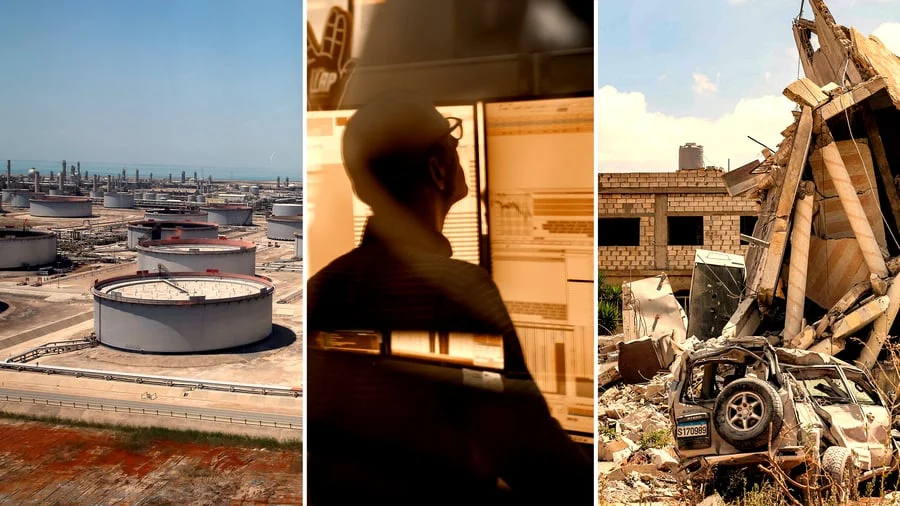
In a stunning geopolitical shift that has sent shockwaves through global markets, the United States and the Islamic Republic of Iran have officially announced the cessation of hostilities. After more than three months of intense military engagement that brought the Middle East to the precipice of a full-scale regional war, the two nations have agreed to a ceasefire, signaling an immediate de-escalation of tensions and the reopening of the vital Strait of Hormuz.
The announcement, which was initially brokered by diplomatic efforts from Pakistan, was confirmed by U.S. President Donald Trump via his social media platform, Truth Social. The development marks the beginning of what many analysts are calling the most significant diplomatic breakthrough in the region in decades.

Main Facts: The End of a Three-Month Standoff
The conflict, which had effectively paralyzed international trade routes and kept the world in a state of high-alert, officially reached a turning point on Sunday evening. The core of the agreement rests on the immediate cessation of the American naval blockade, which had been enforced to counter Iranian influence and secure maritime traffic.
The terms of the agreement, as currently outlined, include:
- Immediate Ceasefire: All military operations, including active combat and naval maneuvering, were ordered to cease across all fronts, including theaters of operation in Lebanon.
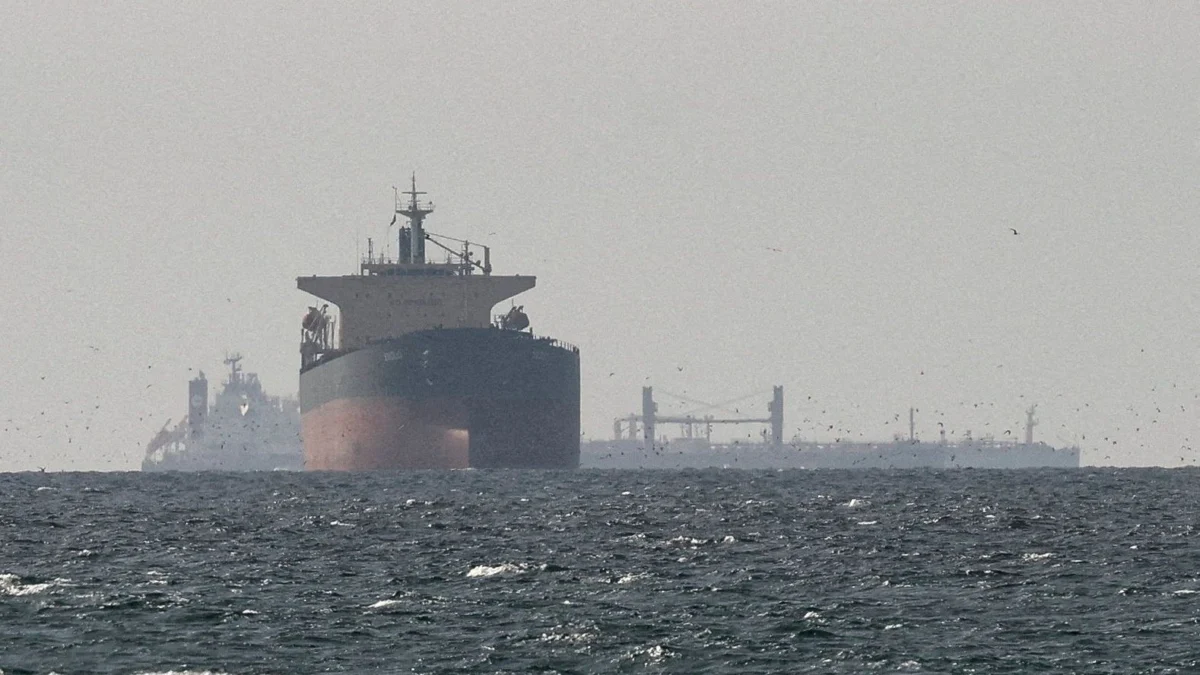
- Maritime Freedom: The Strait of Hormuz, a critical artery for global oil supply, is to be reopened for unrestricted commercial shipping immediately.
- Negotiation Framework: Both nations have committed to a 60-day window to negotiate a comprehensive, long-term peace treaty.
- Conditional Compliance: Iran has explicitly stated that it reserves the right to implement its own defensive measures should the United States violate the terms of the agreement.
The global reaction was swift. Within hours of the announcement, the price of crude oil—which had surged to historic levels due to the blockade—began a rapid decline, reflecting investor confidence in the restoration of supply chains.

Chronology: From Escalation to De-escalation
To understand the weight of this agreement, one must look at the rapid progression of the past 90 days.
The Spark (March 2026)
The conflict began in mid-March, following a series of maritime incidents in the Persian Gulf. Tensions, which had been simmering for years, boiled over when a U.S. tanker was detained by the Iranian Revolutionary Guard Corps (IRGC). This led to a series of retaliatory strikes and the subsequent announcement of a "total naval blockade" by the United States.
The Peak of Tensions (April 2026)
By April, the conflict had expanded. The theater of war widened to include proxy engagements in Lebanon and cyber-attacks on critical infrastructure in both the U.S. and Iran. Global shipping insurance premiums skyrocketed, and the "war risk" premium for tankers reached record highs, forcing many companies to divert routes around the Cape of Good Hope, adding weeks to transit times and billions to logistics costs.
The Diplomatic Breakthrough (June 2026)
In early June, the government of Pakistan stepped in as an intermediary. Recognizing the catastrophic economic impact of the war, back-channel communications intensified. Delegations met in neutral territory, moving from tentative talks to the drafting of the current ceasefire agreement. The culmination of these efforts was the Sunday night declaration that hostilities would end immediately.
Supporting Data: Economic Implications
The war was not merely a military crisis; it was a global economic emergency. The Strait of Hormuz is the world’s most important oil chokepoint, through which roughly 20% of the world’s total petroleum liquids are transported.
The Price of Conflict
During the peak of the blockade, Brent crude prices spiked by nearly 40% in just six weeks, crossing the $130 per barrel threshold. This surge triggered inflationary pressures across the globe, impacting everything from energy bills in Europe to manufacturing costs in East Asia.

The "Trump Effect" and Market Recovery
President Trump’s post on Truth Social, simply stating, "Let the oil flow," was interpreted by markets as a signal that the administration is ready to prioritize economic stability over further military posturing. Within the first hour of Asian market trading following the announcement, oil futures dropped by 8%, indicating that the markets had been heavily pricing in a prolonged, high-cost conflict.
Official Responses
The response from the international community has been one of cautious optimism.
The Iranian Perspective
The Iranian Foreign Ministry confirmed the ceasefire, emphasizing the humanitarian and economic necessity of the decision. The Deputy Foreign Minister stated, "Our military operations were a response to external pressures. We welcome the opportunity to return to normalcy. However, our commitment is to peace, not to capitulation. Any breach of this agreement will be met with a firm and immediate response."

The United States Perspective
In Washington, the narrative focused on "securing American interests." The administration highlighted the success of the blockade in forcing the current deal, portraying the outcome as a "peace through strength" success. While the political divide in the U.S. remains deep, the consensus among economic advisors is that this deal provides the breathing room necessary to stabilize the domestic economy ahead of the fiscal year-end.
Implications: A New Regional Architecture?
The ceasefire is merely the first step. The 60-day negotiation window will be the true test of the longevity of this peace.
Stability in the Middle East
The inclusion of Lebanon in the ceasefire is particularly notable. It suggests that the agreement is not merely a bilateral U.S.-Iran deal, but rather a broader, regional de-escalation that may involve the curbing of proxy activities. If successful, this could lead to a fundamental shift in the regional power balance, potentially allowing for renewed diplomatic ties between Iran and other Gulf Cooperation Council (GCC) nations.

The Future of Energy Security
While the immediate threat of a blockade has been removed, the volatility of the past three months has forced energy companies to rethink their dependency on the Strait of Hormuz. Governments are likely to accelerate their investments in alternative energy infrastructure and pipeline diversity. Even with the current peace, the era of relying solely on the "chokepoint" model of global energy trade appears to be coming to an end.
Diplomatic Challenges Ahead
The primary challenge will be the verification of the ceasefire. Given the lack of trust between the two nations, any minor skirmish or misunderstanding at sea could derail the 60-day window. The international community, led by neutral observers and regional powers, will need to play a pivotal role in monitoring the borders and the maritime corridors.
Conclusion
As the world watches the waters of the Persian Gulf, the mood is one of profound relief. The past three months have served as a stark reminder of how fragile global security remains in an interconnected world. Whether this agreement represents a lasting peace or merely a strategic pause remains to be seen.

For now, the ships are moving again, the oil is flowing, and for the first time in a long time, there is a path forward that does not involve the barrel of a gun. The eyes of the world are now fixed on the 60-day clock, waiting to see if these two adversaries can turn a fragile ceasefire into a lasting, durable peace.
Sarah Sendner is a foreign policy correspondent focusing on the Middle East and global energy markets.