As Germany observes International Nurses Day, the nation faces a sobering reality. With an aging population and a healthcare system buckling under the weight of ballooning costs and staff shortages, the path forward remains fraught with political and social peril.
The Current State of Affairs: A System at the Breaking Point
The German healthcare landscape is currently defined by a sense of impending urgency. By the end of May, Federal Health Minister Nina Warken is expected to unveil a comprehensive legislative proposal for a major nursing reform. The move comes as the statutory nursing care insurance fund (Pflegeversicherung) faces a multi-billion-euro deficit—a situation mirroring the strain on the broader national health insurance system.
The stakes could not be higher. For the millions of citizens who rely on these services and the 1.7 million professionals who provide them, the status quo is becoming increasingly unsustainable. With the demographic shift accelerating, the pressure to cut costs while maintaining quality care is creating a volatile environment where taxpayers, patients, and caregivers are all facing the prospect of increased burdens.
Chronology of a Demographic Shift
The fundamental driver of this crisis is the "Baby Boomer" generation. As these cohorts enter their twilight years, the demand for care is projected to surge at a rate the current infrastructure is ill-equipped to handle.
- 2003–2023: A period of rapid expansion. In two decades, the number of people requiring long-term care in Germany has more than doubled, growing from roughly two million to nearly six million.
- 2017: A landmark year in which the definition of "care-dependent" was expanded to include those suffering from dementia and psychological illnesses, significantly broadening the scope of state-funded support.
- 2025–2033: The "Crunch Period." Forecasts indicate that the current deficit of 7.5 billion euros will balloon to over 15 billion euros by 2033, absent major structural reforms.
- 2055: The long-term horizon. Estimates suggest that the number of care-dependent individuals could reach between 6.8 and 7.6 million.
Supporting Data: The Metrics of Need
To understand the gravity of the situation, one must look at the numbers. More than 74 million citizens contribute to the mandatory long-term care insurance scheme. Yet, the cost of this system has seen a meteoric rise, with total expenditures for ambulatory, semi-stationary, and stationary facilities hitting 82.4 billion euros in 2023.
Workforce Deficits
The human element of this equation is equally concerning. As of late 2023, Germany operated approximately 16,500 nursing homes and 15,549 ambulatory care services. These institutions employ roughly 1.26 million people. However, the German Nursing Council (Deutscher Pflegerat) estimates that by 2034, the system will face a shortfall of 500,000 workers. Already, 115,000 positions remain vacant, placing immense psychological and physical strain on the current workforce.
The International Contingent
Germany’s nursing sector has become heavily reliant on international labor. Today, nearly one in five nursing professionals in Germany holds a foreign passport. In hospitals, this share is 17%, while in the ambulatory and stationary care sectors, it climbs to 24%. Without this influx of international talent, the current level of care would likely have collapsed years ago.
Distribution of Care
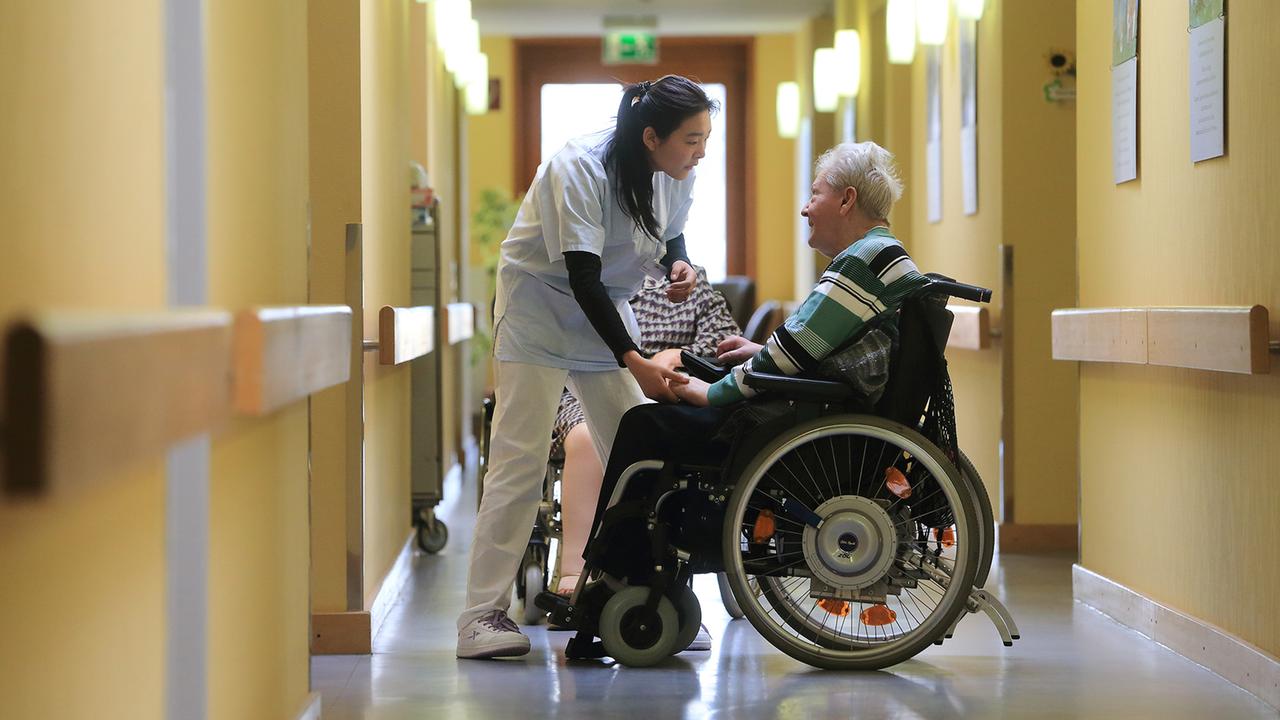
Contrary to the common image of elderly care occurring exclusively in institutions, 86% of the six million care-dependent individuals in Germany are looked after at home, with approximately one million receiving support from professional ambulatory services. Only about 800,000 individuals reside in dedicated nursing homes.
Official Responses and Political Debate
The government’s response to the looming deficit has sparked a fierce debate over how to achieve long-term fiscal sustainability.
The Funding Gap
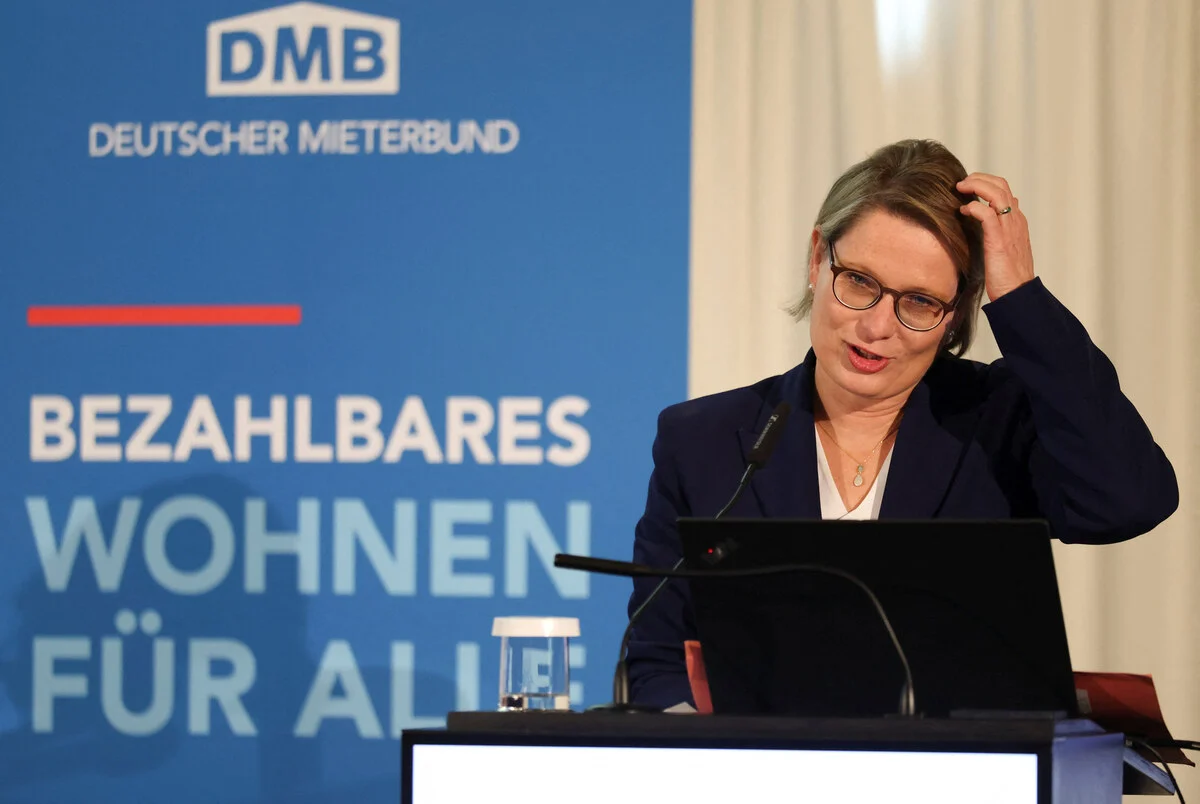
Health Minister Warken has signaled that without intervention, the system will hit a wall. While the federal government has been asked to step in with tax subsidies, the situation is complicated by a legal dispute: the nursing care funds have sued the government, arguing that the state has failed to reimburse roughly six billion euros in COVID-19-related expenses that the insurance funds were forced to cover.
Policy Proposals
Political parties are divided on the solution:
- SPD and Greens: Propose a "Citizen’s Insurance" (Bürgerversicherung), which would include civil servants and the self-employed, while also factoring in capital gains and dividends into the contribution base.
- CDU/CSU (Chancellor Friedrich Merz): Emphasizes individual responsibility, advocating for private supplementary nursing insurance to bridge the gap between state coverage and actual costs.
- The "Contribution" Dilemma: The government remains hesitant to raise the contribution rate, which was already increased to 3.6% on January 1, 2025. There is a broad consensus that further hikes would damage the economy by increasing non-wage labor costs.
Implications: The High Cost of Aging
The most immediate impact of the current financial instability is the rise in out-of-pocket costs for residents. On average, a person in a nursing home now pays roughly 3,245 euros per month in the first year of stay.
There is mounting concern that the upcoming reform may include "cost-saving" measures, such as slowing the growth of state subsidies for long-term residents. While this would help the state budget, it risks pushing low-income retirees into poverty or forcing them to rely on social welfare, effectively shifting the burden from the insurance fund to local municipal budgets.
Beyond the Financial: A Paradigm Shift in Care
Experts argue that the focus should shift away from mere financial engineering toward structural innovation. The goal is to keep the elderly living in their own homes for as long as possible.
Prevention and Rehabilitation
By investing in stronger rehabilitation services and proactive health management, the onset of severe care-dependency could be delayed or prevented entirely. Promoting "age-in-place" technologies and home-based support could significantly reduce the demand for expensive institutional beds.
New Living Arrangements
Architects and social planners are promoting models such as multi-generational housing or assisted living cooperatives. These models reduce the isolation of the elderly and allow for shared resources, which are more efficient than traditional nursing facilities. Furthermore, supporting family caregivers through professional relief programs and psychological support is deemed essential to maintaining the "home-first" model of care.
A Legacy of Compassion
As we celebrate International Nurses Day, it is worth remembering the origins of the profession. Established in 1967 in Germany, the day commemorates the birthday of Florence Nightingale, the pioneer who revolutionized nursing by emphasizing observation, hygiene, and structured training.
Nightingale’s legacy is a reminder that nursing is not merely a logistical challenge to be solved by spreadsheets and insurance reform. It is a fundamental pillar of human dignity. The challenge for modern Germany is to reconcile the fiscal realities of the 21st century with the humanitarian necessity of providing compassionate care for its aging citizens. The decisions made in the coming months will not just define the budget of the next decade; they will define the values of German society for generations to come.