

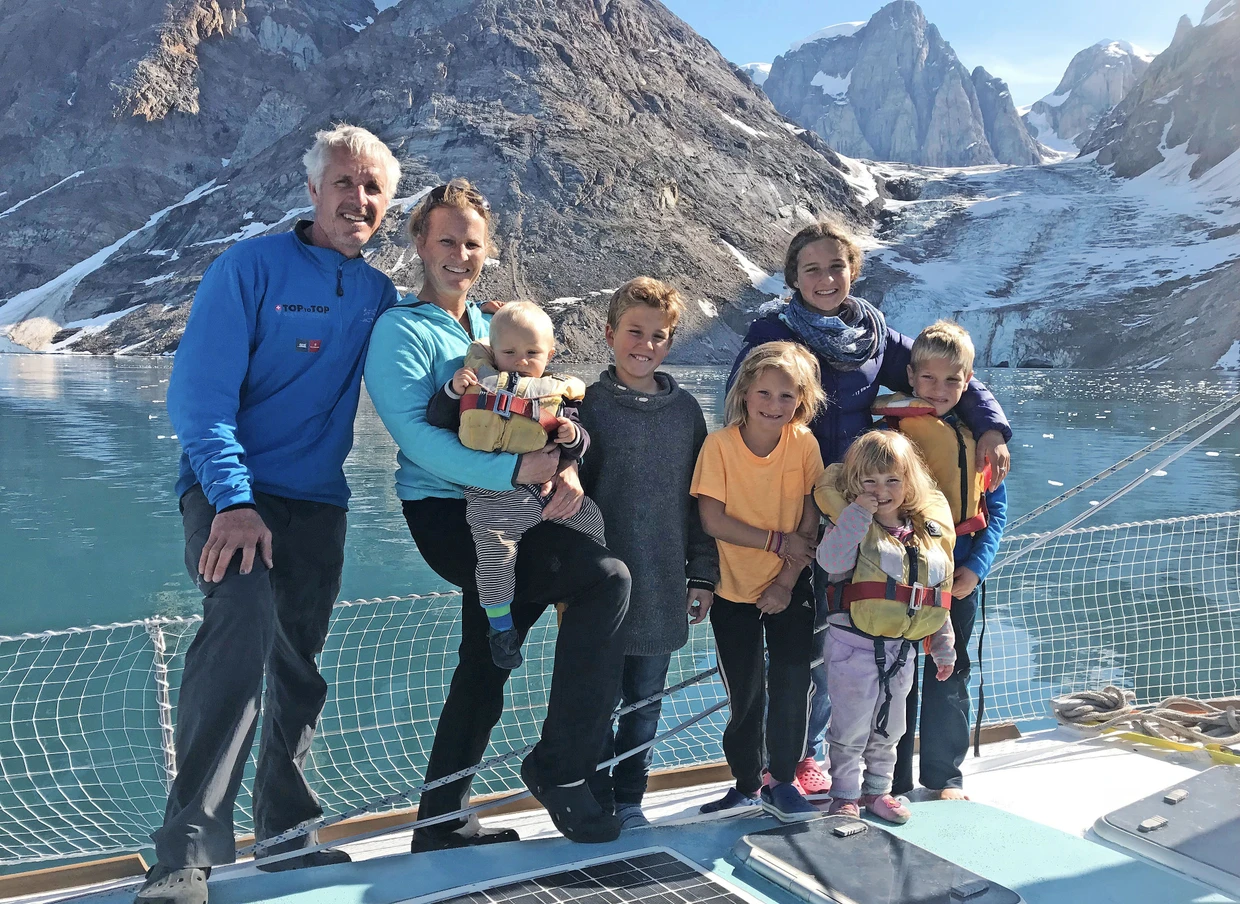
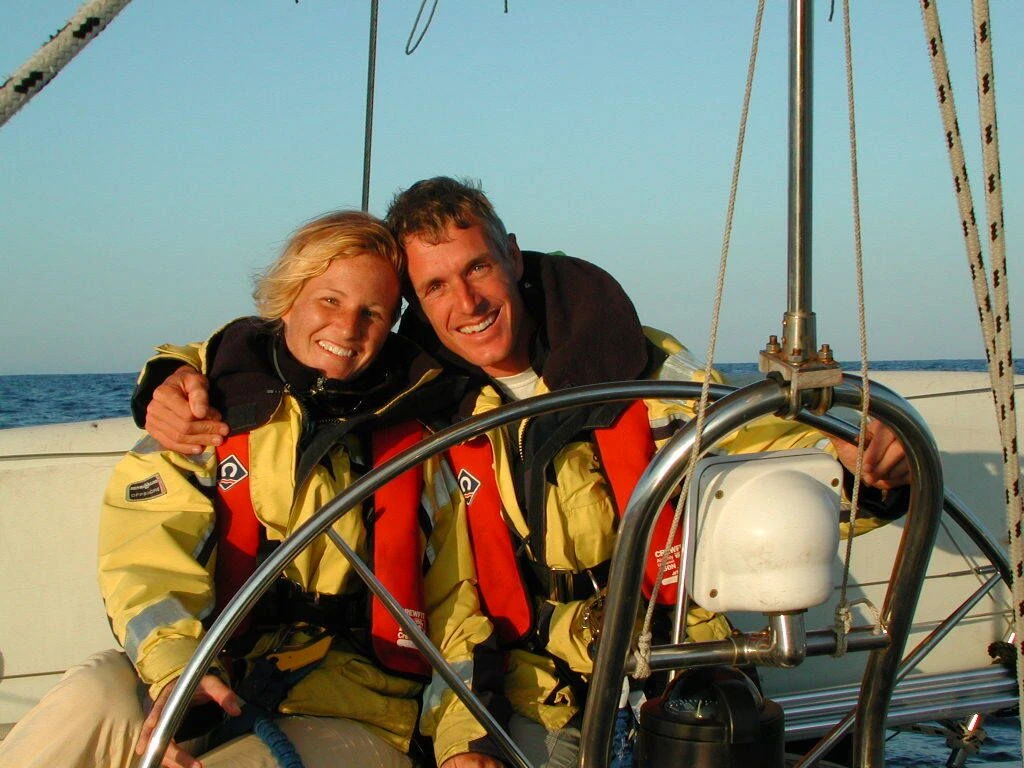
In July 2000, a young Swiss couple, Dario and Sabine Schwörer, set sail from the French Mediterranean coast aboard the Pachamama, a 15-meter aluminum yacht. Their ambition was as bold as it was precise: to circumnavigate the globe, traverse every major climate zone, and summit the highest peak on each of the seven continents. They estimated the endeavor would take four years.
Today, over a quarter-century later, the Pachamama is still at sea. The project has evolved into one of the most remarkable human interest and scientific stories of the 21st century. Having covered 140,000 nautical miles (260,000 kilometers), visited over 100 countries, and welcomed six children born in diverse locations from Chile to Iceland, the Schwörers have redefined the concept of a "home." Their journey is not merely a voyage; it is an ongoing, multi-generational mission to document a changing planet and inspire a new generation to protect it.
The Genesis of an Unconventional Life
The Schwörers’ journey began with a simple desire for adventure, but it was quickly tempered by the realities of long-distance sailing. In the early years, financial constraints tethered them to the Mediterranean, delaying their Atlantic crossing until 2002. By 2004, while navigating the vast Pacific, the project faced its most existential threat: a collision with a shipping container that severely damaged the Pachamama.
"It was the worst accident of the entire trip," Dario Schwörer recalls. Stranded in Patagonia, the couple faced a crossroads. Sabine was pregnant with their first child, and the pressure from society to return to the stability of Switzerland was immense. "When we decided to keep going, everyone told us we were completely crazy," he says. That moment of defiance marked the true birth of their mission. They chose the uncertainty of the ocean over the conventional safety of land, setting a precedent for a life defined by grit and purpose.
Chronology of a Floating Laboratory
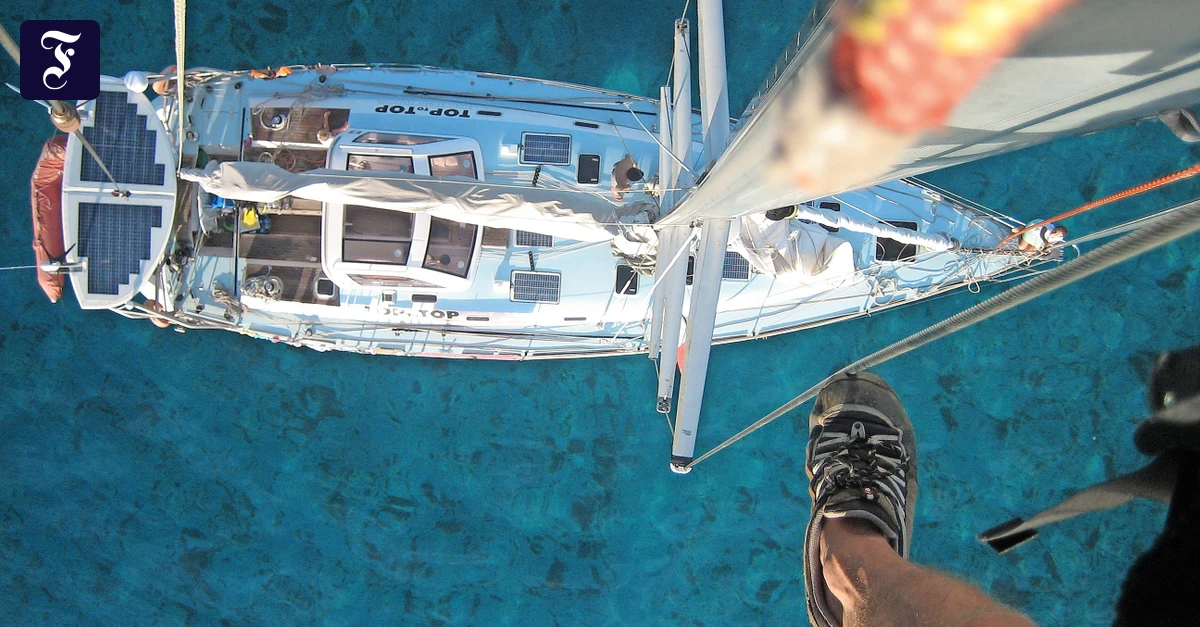
The project, initially dubbed "Top to Top," was meant to focus on mountaineering. However, as Dario, a climatologist and mountain guide, witnessed the rapid recession of glaciers and the melting of permafrost during their expeditions, the focus shifted. The Pachamama began its transformation into a sophisticated, mobile scientific research station.
- 2000–2002: Initial departure and Mediterranean exploration.
- 2002–2004: Atlantic crossing and the transition toward environmental advocacy.
- 2004–2005: The Patagonian crisis; the transition from "Top to Top" to the Top to Top Global Climate Expedition.
- 2005–2010: The family grows. Birth of their first child in Chile, followed by others in various ports. Integration of scientific research (microplastic sampling, water quality testing).
- 2011–2018: Strategic partnerships with universities (ETH Zurich, institutions in Singapore and Norway). Documentation of the climate crisis through hands-on data collection.
- 2019–Present: Ongoing expeditions, focusing on education and the next generation, including the independent voyage of their eldest son, Noé.
Supporting Data: Science at Sea
What separates the Schwörers from traditional adventurers is their rigorous commitment to science. Leveraging the burgeoning era of global communication, they used Skype to coordinate with professors worldwide. Because they were calling from remote locations like Patagonia or the South Pacific, they often bypassed administrative gatekeepers and reached lead researchers directly.
The Pachamama became a testbed for sustainable technology. The family experimented with solar power, LED lighting, and high-capacity lithium batteries—technologies that were in their infancy when they started. Beyond testing hardware, they became citizen scientists:
- Microplastics: They collected samples from the North Atlantic to document pollution levels in remote waters.
- Water Chemistry: Regular monitoring of cesium levels and other markers of oceanic health.
- Global Collaboration: They have hosted researchers and volunteers from 74 countries, turning their vessel into a hub for international environmental cooperation.
Implications: A New Philosophy of "Less Is More"
The Schwörer family lives on a 20-square-meter living space. For periods, they had 16 people on board, requiring a strict, shift-based lifestyle. This extreme reduction in material consumption has led them to a core philosophy: "Less is more."
Dario contrasts this with the modern obsession with convenience. He recounts a story of a friend in America who declined an invitation to join them because he was overwhelmed by the maintenance of his five cars. "First he had to deal with the insurance, then the oil changes," Dario laughs. To the Schwörers, such "security" is a cage. They argue that the best way to save the planet is not through digital activism, but through physical engagement with nature. "If you don’t go out and experience the world, it’s like never hugging your girlfriend," he says. "You can’t protect what you don’t love."
Educational Impact: 200,000 Lessons
Perhaps the most significant legacy of the expedition is its educational outreach. The Schwörers have visited schools in over 100 countries, engaging more than 200,000 students in environmental projects. They consciously avoid the "doomsday" narrative that often paralyzes young people.
"We focus on positive examples," Dario explains. "It is important to show that this is a beautiful planet with wonderful people. If you focus only on the negatives, you become depressed." By teaching children about the ecosystems they have visited—from the glaciers of the Arctic to the coral reefs of the Pacific—they empower the next generation to act as stewards of the environment rather than passive observers of its decline.
Official Responses and Public Reception
The family’s story has gained global attention, documented in their book The Schwörers: How the World Became a Nursery and the documentary Home Is The Ocean. While their lifestyle invites envy, it also draws criticism regarding the feasibility and safety of raising children in such conditions.
The Schwörers have faced significant challenges: a severe storm in Iceland in 2018 that nearly destroyed their boat, and personal health issues that forced short-term returns to land. Yet, their resilience remains unshaken. When asked if they ever regret the lack of a "normal" home, they point to their children, who have grown up in a global classroom, speaking multiple languages and navigating the complexities of the world with an ease most adults never achieve.
The Road Ahead
When asked how much longer the journey will last, Dario provides an answer that frustrates those who view life through a project-management lens: "You don’t ask a carpenter when he will be done with his work. This is our life."
The Pachamama is currently positioned in the Norwegian Lyngenfjord, but their itinerary is ever-evolving. Greenland and the Senegal coast are on the horizon. The final goal remains the summit of Mount Vinson in Antarctica—the seventh and final peak of their original plan.
Their mission has now expanded beyond the two parents. Their son, Noé, has purchased his own vessel, the Naomi, and is continuing the family tradition of exploration and scientific observation. As the original project transforms into a family legacy, the Schwörers prove that a quarter-century of "wandering" was not a detour from life, but the most direct path to understanding it. They are not merely traveling; they are participating in the unfolding story of the Earth, proving that when you remove the barriers of modern consumption, you find the space to actually live.















Leave a Reply