

Executive Summary: A New Challenge for Robotaxi Safety
Waymo, the autonomous driving subsidiary of Alphabet Inc., has officially initiated a recall of nearly 3,800 robotaxis following a series of troubling incidents in which its vehicles entered flooded roadways. The recall, disclosed to the U.S. National Highway Traffic Safety Administration (NHTSA), highlights the persistent complexities of training artificial intelligence to handle extreme weather conditions and unpredictable environmental hazards.
While the term "recall" often conjures images of thousands of vehicles being towed to physical service centers, this intervention is entirely digital. Waymo has deployed a remote over-the-air (OTA) software update designed to prevent vehicles from entering standing water, marking a significant milestone in how regulators and autonomous vehicle (AV) developers manage safety protocols in the modern era. Despite this, the company acknowledges that the update is an interim measure, with further refinements to its mapping and decision-making logic currently underway.
Chronology: From Innovation to Inundation
The decision to initiate the recall follows a string of incidents that raised alarms regarding the decision-making capabilities of Waymo’s fifth and sixth-generation hardware/software suites.
- Early 2026 – The Pattern Emerges: Reports began surfacing in cities like Austin, Texas, documenting instances where Waymo vehicles, lacking human drivers, navigated into flooded streets. In several instances, the vehicles became incapacitated in the water, forcing other motorists to maneuver around the stalled, "driverless" pods.
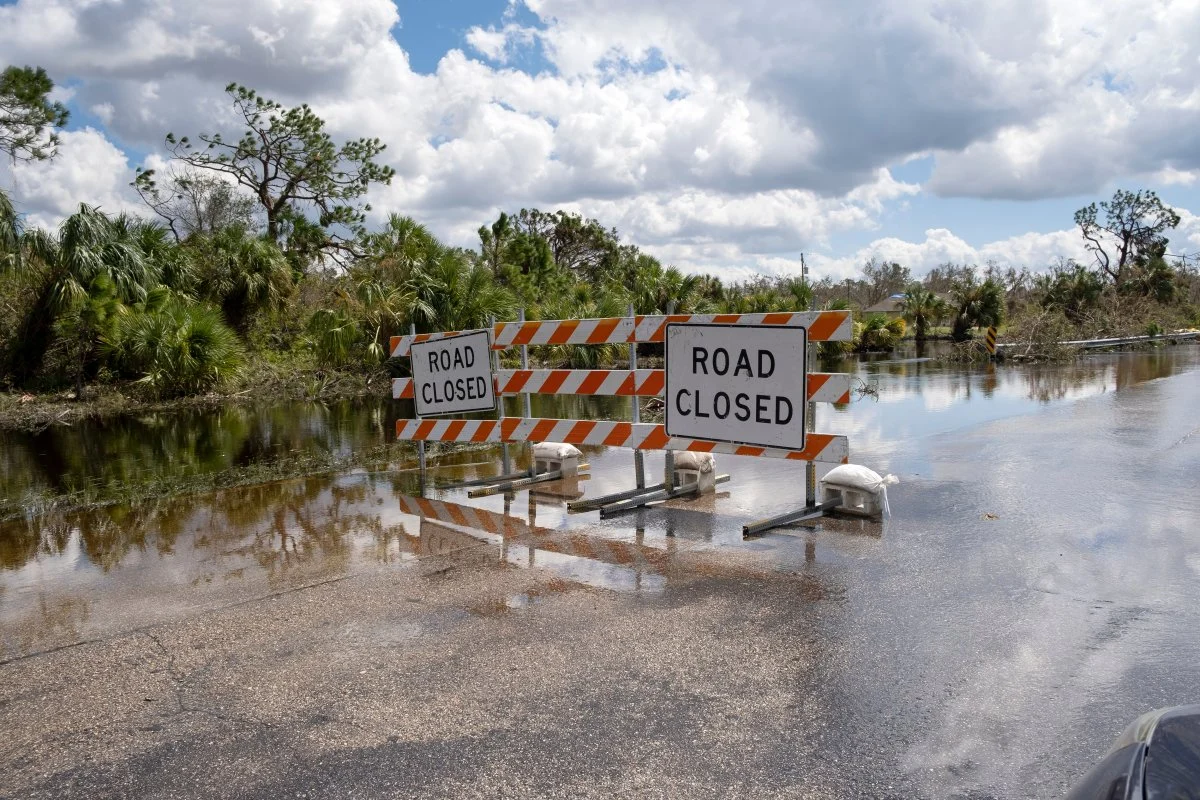
- April 20, 2026 – The Breaking Point: The situation reached a critical juncture in San Antonio, Texas. An autonomous Waymo vehicle entered a street that had been significantly flooded due to heavy rainfall. The vehicle was ultimately swept away by the current. Fortunately, the vehicle was operating without passengers, preventing a potential tragedy.
- Late April 2026 – Immediate Response: Following the San Antonio incident, Waymo voluntarily suspended its operations in that city. The company simultaneously deployed the initial software patches to its fleet on April 20, 2026, aimed at refining how the vehicles interpret high-water markers and environmental data.
- May 2026 – Formal NHTSA Disclosure: Waymo formally communicated the details of the recall to the NHTSA, providing transparency regarding the software logic changes and the affected fleet size (approximately 3,800 vehicles).
Supporting Data: Understanding the Scope of Risk
The incident in San Antonio serves as a stark reminder of the limitations of current sensor suites. Autonomous vehicles rely on a combination of LiDAR, radar, cameras, and high-definition maps to navigate. However, standing water presents a unique challenge: the surface can appear drivable to a sensor while hiding significant depth or debris, or it can interfere with the reflectivity of LiDAR signals.
Waymo’s fleet is currently the most active in the United States, logging over half a million passenger rides per week. This volume of operation makes the company a lightning rod for scrutiny. When a robotaxi malfunctions, it is not merely a local news story; it becomes a case study in the broader safety debate surrounding the automation of public transportation.
The recall specifically targets the fifth and sixth generations of Waymo’s autonomous driving stack. By adjusting the "Operational Design Domain" (ODD)—the set of conditions under which a vehicle is designed to function—Waymo is essentially teaching its cars to prioritize road viability over the most efficient route when environmental sensors detect potential water hazards.
Official Responses and Technical Mitigation
Waymo’s communication to the NHTSA clarifies that this update is a multi-layered approach to safety:
- Enhanced Map Integration: The software update includes updated map data that identifies areas prone to flooding. By cross-referencing real-time sensor data with historical flood-risk databases, the vehicle can preemptively reroute.
- ODD Adjustments: Waymo has restricted the conditions under which these vehicles are permitted to operate. If sensors detect conditions that exceed safety thresholds—such as heavy rain or deep standing water—the vehicle will now initiate a safe stop or reroute rather than attempting to forge ahead.
- Remote Patching: The ability to fix a safety-critical issue without requiring a physical recall is perhaps the greatest advantage of the Waymo platform. The software was pushed to the fleet remotely, ensuring that nearly 3,800 vehicles were updated simultaneously without interrupting the broader network significantly.
Waymo maintains that while they have paused operations in San Antonio, they are in constant dialogue with local authorities to ensure that, upon their return, the vehicles meet the highest safety standards required for public roads.
The Broader Implications for Autonomous Transport
The Waymo recall occurs within a context of increasing tension between tech giants and local municipalities. As the leading provider of fully autonomous ride-hailing services, Waymo faces intense regulatory and public pressure.
A History of Growing Pains
This incident joins a growing list of public safety concerns that have plagued the industry:
- The San Francisco Incident (October 2025): Public outcry ensued after a Waymo taxi struck and killed a cat in San Francisco. While the company argued the incident was unavoidable, it sparked a heated debate regarding the moral and ethical programming of AVs.
- The Austin Emergency Blockage (March 2026): A Waymo vehicle was caught on camera blocking an ambulance in Austin. This incident raised significant questions about how autonomous systems interact with first responders during critical, time-sensitive situations.
- School Bus Concerns: Regulatory bodies in multiple states have expressed frustration that Waymo vehicles continue to pass school buses while they are actively loading or unloading children—a clear violation of traffic laws that require drivers to stop.
The Regulatory Landscape
The NHTSA is currently navigating a delicate balance. On one hand, they wish to foster innovation in a technology that has the potential to drastically reduce human-error-related accidents (which account for the vast majority of traffic fatalities). On the other hand, incidents involving "runaway" robotaxis, blocked ambulances, and flooded vehicles are creating a narrative of unreliability.
The recall of 3,800 vehicles is a test case for "Regulatory Agility." If the software update proves successful in preventing further water-related incidents, it could set a precedent for how the industry handles future software-driven safety recalls. However, if the public loses trust in the ability of these cars to operate in inclement weather, the pace of adoption—and the political support for AVs—could stall.
Conclusion: The Path Forward
Waymo remains the frontrunner in the race to automate urban mobility. Its ability to scale, its massive data collection, and its willingness to self-report and update software are essential components of a maturing industry. However, the "flooded road" incident underscores a fundamental truth: AI, no matter how advanced, currently lacks the intuitive "common sense" that a human driver employs when observing dark, murky water in a road depression.
As Waymo continues to refine its mapping and perception systems, the company must prove that it can learn not just from its successes, but from its public failures. The next chapter for Waymo will be defined by its ability to demonstrate that its vehicles can navigate not only the digital complexity of the modern road but also the unpredictable, chaotic reality of the physical world. For now, the focus remains on the streets of Texas, where the company works to regain the confidence of the public and the approval of the regulators, one update at a time.
















Leave a Reply