

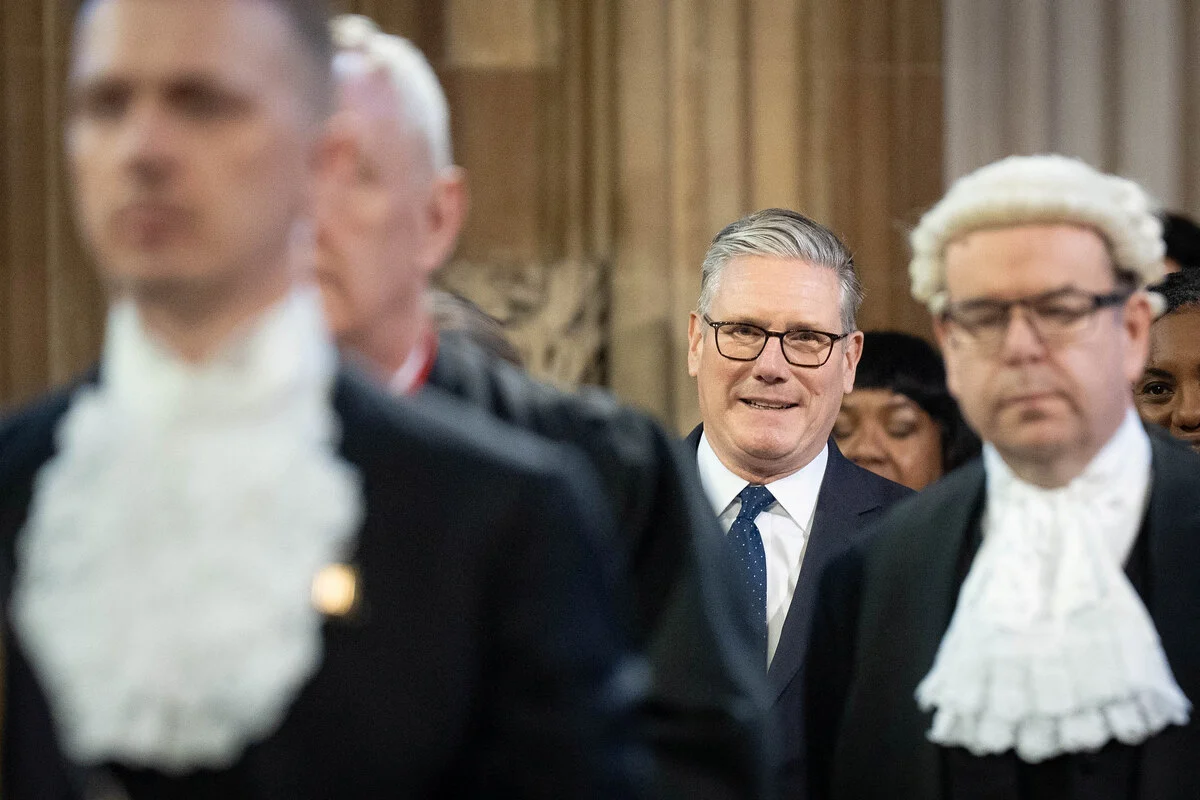
The ornate pomp of the State Opening of Parliament—a ritual steeped in centuries of tradition where the British monarch outlines the government’s legislative agenda—was meant to be the definitive moment of Keir Starmer’s premiership. Instead, the occasion served as a backdrop to a burgeoning political insurgency. As King Charles III donned the Imperial State Crown to read the government’s speech, the air in Westminster was thick with the scent of rebellion. Prime Minister Keir Starmer, once the architect of a landslide victory, now finds himself in a precarious race against time, fighting to keep his government intact as the tremors from last week’s catastrophic local and regional election results continue to shake the foundations of his administration.
A Government Under Siege: The Chronology of Discontent
The crisis reached a fever pitch on Wednesday morning, even before the King took his seat in the House of Lords. In a move that signaled the gravity of the situation, Health Secretary Wes Streeting made an unannounced, high-tension visit to 10 Downing Street. Streeting, a prominent figure on the Blairite, centrist wing of the Labour Party, has long been viewed as a natural successor to Starmer. His presence in the Prime Minister’s office, amidst a storm of rumors, underscored the fragility of Starmer’s position.
The seeds of this crisis were sown during last week’s regional elections, where Labour suffered a series of stinging defeats. The backlash was immediate. What began as murmurs of dissatisfaction has metastasized into a formal challenge. Approximately 90 Labour Members of Parliament (MPs) are now actively calling for a leadership change—a number that nears the threshold required to force a formal vote of no confidence.
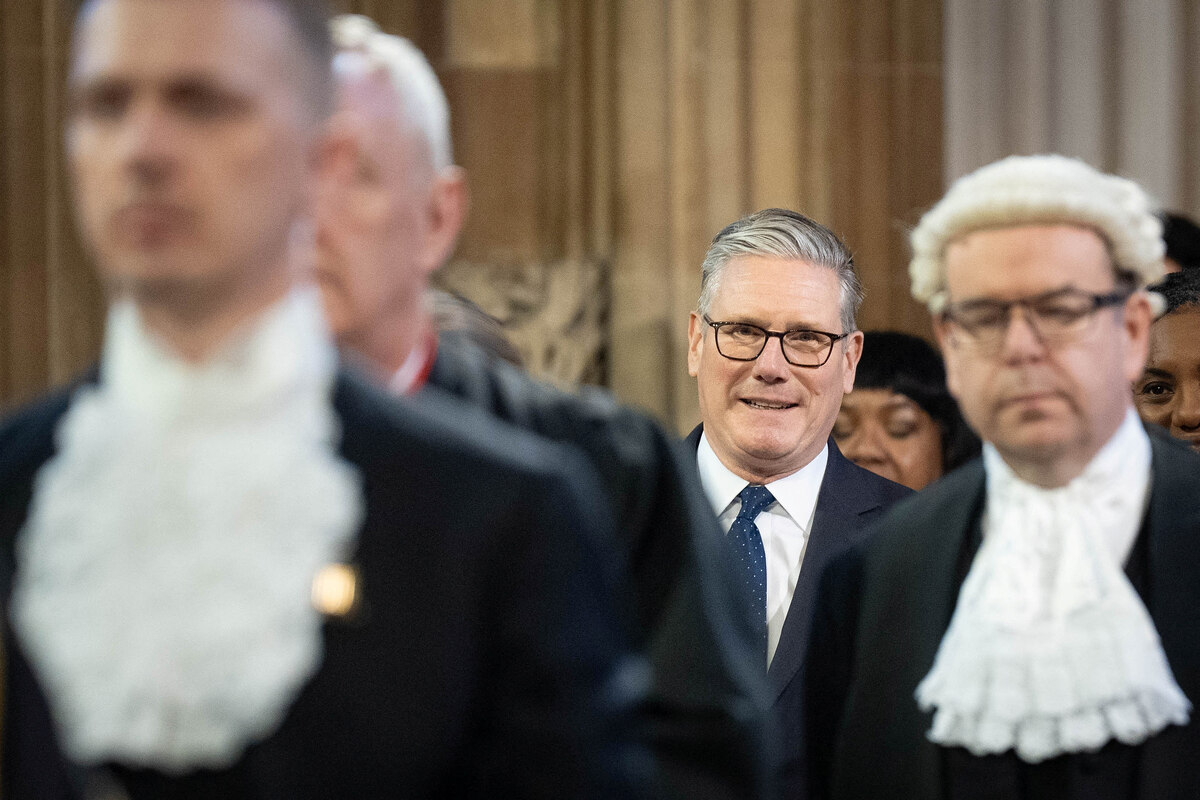
The pressure is not merely rhetorical. Four junior ministers, including the widely respected Jess Phillips, have already resigned in protest, citing a fundamental loss of confidence in the Prime Minister’s leadership. The atmosphere in Downing Street is one of forced normalcy, with loyalist cabinet members insisting before the cameras that there is "no challenger" and that the party is united behind the current agenda. Yet, this "business as usual" narrative is increasingly seen as a transparent attempt to force dissidents to put their heads above the parapet.
The Succession Vacuum: A House Divided
The primary obstacle to a successful coup against Starmer is not a lack of anger, but a lack of consensus. The anti-Starmer coalition is a fractured mosaic of ideological interests, and they have yet to rally behind a single candidate.
The internal dynamics are complex:

- The "Burnham" Problem: Andy Burnham, the Mayor of Greater Manchester, is frequently cited as the most viable alternative to Starmer. However, Burnham is not currently a sitting MP. For him to take the helm, a Labour MP would need to step down, triggering a by-election that the party—given its current polling slump—could struggle to win. Furthermore, such a move would force a vacancy in the Manchester mayoral office, an area where the insurgent Reform UK party and the Greens are already making significant inroads.
- The Legal Cloud: Angela Rayner, the Deputy Prime Minister and a favorite among the party’s left-leaning faction, is currently embroiled in an investigation regarding tax affairs. This legal uncertainty renders her an unlikely candidate for a swift transition.
- The Shadow of 2015: Energy Secretary Ed Miliband has been touted by some as a potential compromise candidate. However, his tenure as party leader, which culminated in the electoral defeat of 2015, remains a point of contention for those seeking a fresh start for the party.
This paralysis of the opposition has created a potential opening for Wes Streeting. Should he decide to resign his post as Health Secretary and trigger a leadership contest, it would immediately draw a line in the sand, likely forcing a candidate from the left wing of the party to step forward, thereby initiating a full-blown battle for the soul of the Labour Party.
Institutional Pressure and Trade Union Ultimatums
The political pressure is compounded by the economic and organizational reality of the Labour Party. On Wednesday, the eleven trade unions that provide the financial and structural bedrock of the party issued a stern ultimatum: there must be a change in leadership. This move is particularly significant, as the unions represent the traditional, working-class base that feels increasingly alienated by the current trajectory of the government.
Conversely, 111 of the 403 Labour MPs signed a public statement pledging their loyalty to Starmer. However, the optics of this show of force were quickly muddied when several MPs on the list reported that they had never been consulted, suggesting a desperate attempt by the whips to manufacture a consensus that does not truly exist.

The King’s Speech: A Legislative "Hail Mary"
Against this backdrop of impending collapse, Starmer attempted to pivot to substance. The speech delivered by King Charles III was an exhaustive list of policy ambitions designed to demonstrate that the government is not a "lame duck."
The King’s address highlighted:
- Economic Reform: A clear focus on fostering growth, working with the private sector, and securing a "fair deal for working people."
- International Relations: A stated commitment to repairing damaged ties with international trade partners, with a specific focus on the European Union.
- Domestic Policy: A vast, ambitious agenda including the partial renationalization of the railways, the expansion of green energy infrastructure, social housing reform, and stricter controls on asylum and immigration.
- Public Services: Major pledges to overhaul the National Health Service (NHS) and the police force, alongside a new legislative requirement for civil servants to adhere to strict standards of transparency and productivity.
The content of the speech acts as a direct response to the criticism Starmer faced during the election campaign—specifically, that his government was inactive and disconnected from the daily struggles of the British public. However, the challenge for Starmer is that these are mere declarations. In a political climate defined by impatience and skepticism, policy promises are no longer enough to quell dissent.

The Road Ahead: Survival or Exit?
The implications of this crisis are profound. If Starmer fails to regain control of his party, the UK faces the prospect of either a rapid transition of power or a period of protracted, destabilizing infighting.
The Prime Minister is currently banking on the theory that if he can deliver tangible, immediate improvements to the cost of living and the stability of public services, the rank-and-file will eventually fall back into line. He is, in effect, asking the party to "close their eyes and push through."
Yet, the clock is ticking. Every day that passes without a cooling of tensions increases the likelihood that a challenger will emerge. The 90 dissidents within his own ranks are not merely looking for a different policy platform; they are looking for a reason to believe in a party that many feel has lost its way.

For Keir Starmer, the coming days will be the most significant of his political career. He must navigate a path between satisfying the demands of his party’s base and implementing the pragmatic, often centrist policies that he believes are necessary for national recovery. Whether the King’s Speech provides the stability he craves or simply marks the beginning of the end remains to be seen. In the halls of Westminster, one thing is clear: the era of Starmer’s undisputed authority has ended, and the battle for the future of the Labour government has begun in earnest.

















Leave a Reply