For many, Apple’s AirTag has transitioned from a niche gadget to an indispensable component of daily life. Whether tucked into a leather wallet, dangling from a key ring, or buried in the depths of a backpack, these small, coin-sized beacons have saved countless users from the frantic, time-consuming search for misplaced items.
However, the convenience of the Apple ecosystem comes with a premium price tag. At roughly €35 for a single unit or €119 for a four-pack, the cost adds up quickly, especially for those who wish to outfit every bag, set of keys, and remote control in their household. This financial barrier has birthed a secondary market of budget-friendly alternatives—products often found in discount retailers for a fraction of the cost. But do these "Smart Tag Finders" actually measure up to the precision-engineered reliability of the Apple original?
Main Facts: Comparing the Contenders
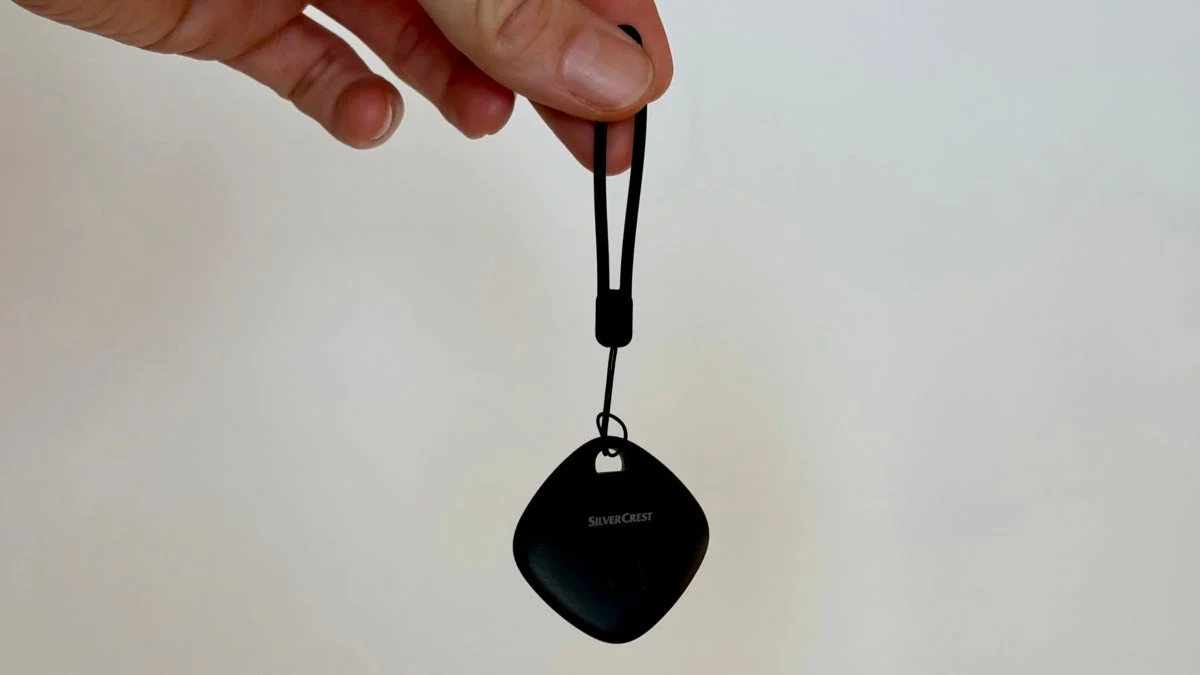
The premise of the budget tracker is simple: offer compatibility with Apple’s "Find My" (Wo ist?) network without the "Apple Tax." A recent test of a three-pack of discount trackers costing just €9.99 reveals a stark price difference—at roughly €3.33 per unit, these devices are over 90 percent cheaper than the AirTag.
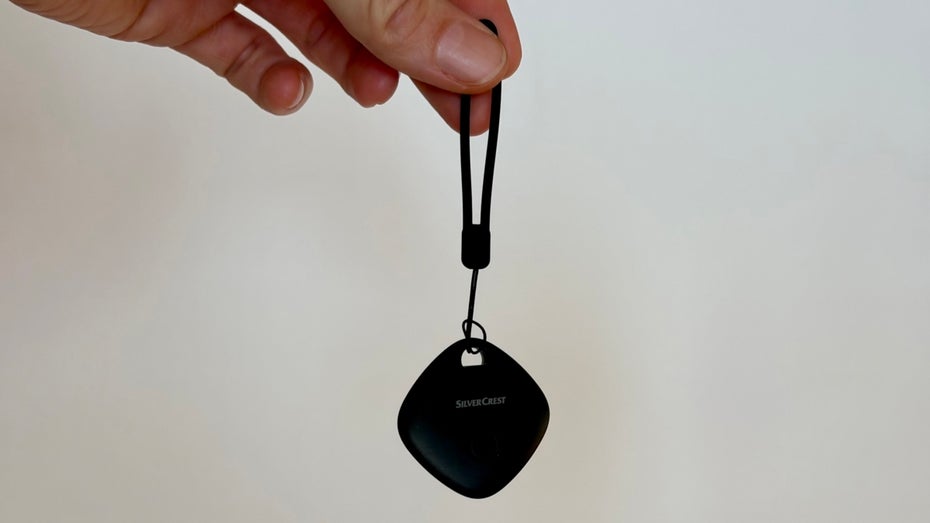
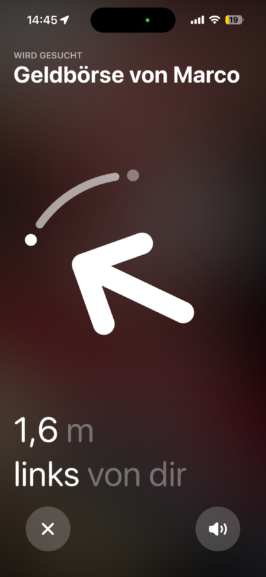
While the AirTag is sleek, circular, and boasts a polished finish, the budget variants are typically square, utilitarian, and made of lightweight plastic. The most significant technical divide lies in the hardware. AirTags leverage Apple’s Ultra-Wideband (UWB) technology, enabling "Precision Finding"—a feature that allows an iPhone to guide the user to the exact centimeter of the object’s location. The budget alternatives, by contrast, rely exclusively on Bluetooth 5.4. While they can integrate into the broader "Find My" network, they lack the sophisticated directional guidance that makes the AirTag feel like a piece of high-tech detective gear.
The Chronology of Setup and Integration
One might expect a budget device to be difficult to configure, yet the process is surprisingly streamlined. Despite a manual that lists 19 individual steps, most of these are boilerplate instructions on activating Bluetooth or navigating the iPhone’s interface.
- Unboxing and Activation: After removing the plastic battery-saver tab, the user initiates the pairing process.
- App Synchronization: The user opens the "Find My" app on their iPhone (compatible with iOS 14.5 or later), selects the "Items" tab, and taps the "+" icon.
- The Handshake: A single press on the tracker’s physical button alerts the iPhone to the device’s presence.
- Customization: Much like an original AirTag, the user assigns a name and an emoji-style icon to the tracker within the app.
While the process is intuitive, it highlights the target demographic: mass-market consumers who prioritize ease of use over deep technical customization.
Supporting Data: Audio, Connectivity, and Battery
When testing the acoustic feedback of the budget tracker, the difference from an AirTag is jarring. Where the AirTag emits a melodic, soft ping, the budget tracker sounds more like a high-pitched, insistent fire alarm. While this is arguably less "elegant," it serves a practical purpose: the piercing, abrasive sound is incredibly difficult to ignore, even from another floor of a house.
Regarding connectivity, these devices are strictly Apple-centric. There is no support for Android, which is a limiting factor for mixed-device households. Furthermore, the reliance on standard Bluetooth means that the range is susceptible to the standard limitations of the protocol. If you leave your keys in a cafe, the app will show the "last known location," but it will not provide the real-time, dynamic tracking updates that occur when an AirTag is detected by the vast mesh of Apple devices passing by an object in a busy city center.
The "Off" Button Problem
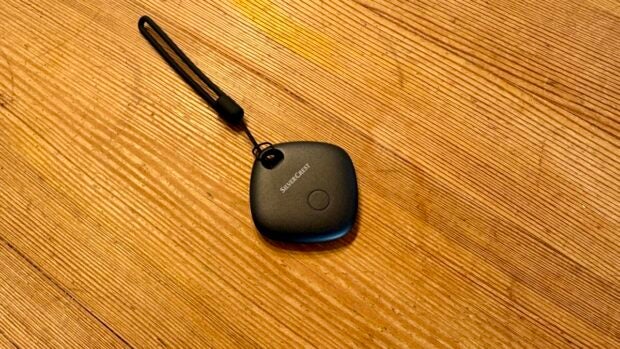
One peculiar feature of the budget tracker is a physical button that allows for total deactivation. While the manufacturer likely included this to save battery or prevent accidental triggering, it introduces a significant security risk. If an item is stolen, a perpetrator who knows how these devices function could simply press the button to disable tracking entirely. The AirTag, by contrast, is designed to be "always on" until the battery is physically removed.
Official Responses and Industry Context
Apple has historically maintained a "walled garden" approach to its Find My network. While the company eventually opened the network to third-party manufacturers, the certification process is rigorous. Devices that carry the "Works with Apple Find My" badge must meet strict security and privacy standards.
Many budget trackers found at discounters occupy a "gray zone." They may claim to support the network, but they lack the official certification that ensures end-to-end encryption of location data. This raises questions about privacy: if the tracker is cheap, how is the company making money? Often, the trade-off for a lower hardware price is the collection of user metadata. Consumers should remain wary of devices that request excessive permissions or lack clear privacy documentation regarding how their location data is stored and transmitted.
Implications: Is the Budget Route Worth It?
The decision to choose a budget tracker over an AirTag boils down to your specific use case.
The Case for Budget Trackers:
- High-Volume Tracking: If you have dozens of items that are frequently misplaced at home (TV remotes, spare keys, pet collars), the cost-to-utility ratio of a €3 tracker is unbeatable.
- Simple Needs: If you rarely lose items outside the home, the lack of Ultra-Wideband precision is a negligible loss.
- Budget Constraints: For students or families on a strict budget, these devices offer a functional safety net that is better than having no tracker at all.
The Case for the AirTag:
- High-Value Items: For wallets, passports, or expensive camera gear, the superior tracking precision and the robust security of the Apple network are worth the premium.
- Outdoor Use: If you travel or leave items in public spaces, the density of the Apple Find My network is your best defense against loss or theft.
- Build Quality and Longevity: Apple’s hardware is designed for longevity, with a battery life that consistently meets or exceeds expectations without the need for a manual "off" switch.
Conclusion: A Supplement, Not a Replacement
In the final assessment, the budget tracker is a functional, if unrefined, tool. It is not an "AirTag killer," nor does it claim to be. It is a secondary solution for the mundane problems of domestic life. If your goal is to find your keys in the laundry basket, the budget option is perfectly adequate. However, for anything that truly matters—or for items that are frequently taken into the wild—the AirTag remains the gold standard.
The market for trackers is maturing, and while the discount giants provide a convenient entry point, the true power of item location remains tied to the ecosystem depth that only Apple has managed to scale effectively. When you buy an AirTag, you aren’t just buying a plastic disc; you are buying into a global network of millions of devices acting as a search party for your belongings. For most, that peace of mind is worth the extra €30.