


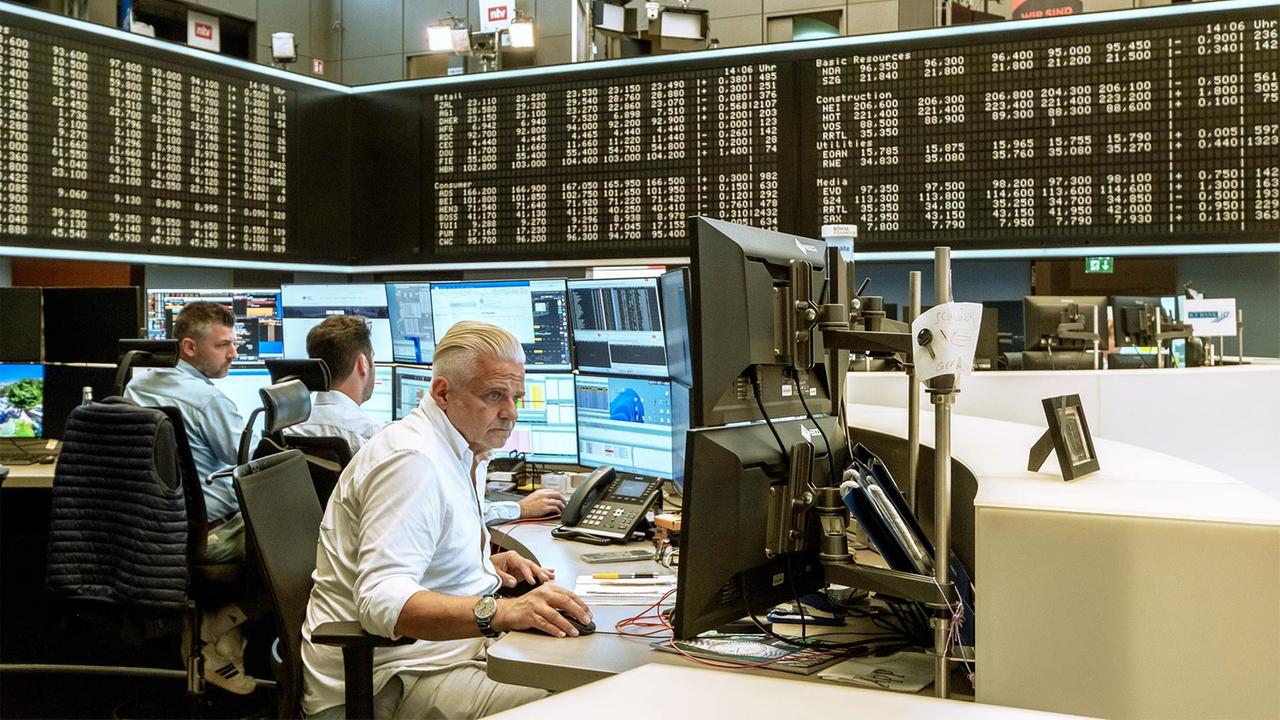
Frankfurt am Main, Germany – May 13, 2026 – European markets, led by Germany’s benchmark DAX index, concluded the trading day on a decidedly positive note, fueled by a robust wave of corporate earnings reports and cautious optimism surrounding high-stakes trade talks between the United States and China. The DAX surged, posting significant gains ahead of a public holiday, yet the underlying current of geopolitical instability, particularly the ongoing Iran War, continues to temper overall market sentiment and economic forecasts.
The Deutsche Aktienindex closed at an impressive 24,136.81 points, marking a 0.8 percent increase from the previous day’s close. This uplift reflects a buoyant mood among investors, eager to capitalize on encouraging corporate performance despite broader macroeconomic headwinds and persistent global tensions. The resilience of German enterprises, coupled with the prospect of de-escalation in the protracted US-China trade dispute, provided a much-needed impetus to the market. However, the specter of the Iran War looms large, exerting inflationary pressures and fostering uncertainty that prevents a full-fledged bullish breakout.
Market Dynamics: A Day of Recovery and Anticipation
Today’s trading session in Frankfurt was characterized by a distinct sense of relief and anticipation. Investors keenly awaited the outcomes of various corporate disclosures and carefully watched developments on the geopolitical front. The positive momentum was largely sustained throughout the day, showcasing a market eager to find reasons for optimism.
The DAX’s climb was not an isolated event; broader European indices also registered gains, indicating a regional trend of cautious recovery. The Euro Stoxx 50, a benchmark for the eurozone’s largest companies, also saw an uptick, albeit more modest, underscoring the interconnectedness of European economies and their shared exposure to global events. The pre-holiday trading often sees reduced volumes, but today’s activity suggested a strong conviction among active participants.
Chronology of Driving Factors
The market’s performance today is the culmination of several unfolding narratives, both economic and geopolitical, that have shaped investor sentiment over recent weeks and months.
Escalation of Trade Tensions (2025-2026): The trade dispute between the United States and China has been a dominant theme for years, characterized by tit-for-tat tariffs and escalating rhetoric. While periods of negotiation have offered temporary reprieves, a definitive resolution has remained elusive. The current summit in Beijing represents a critical juncture, building on preliminary discussions held in Seoul, South Korea, where negotiators from both sides attempted to lay the groundwork for a breakthrough. The market’s current optimism stems from the perceived urgency on both sides to find common ground, driven by domestic economic pressures and global calls for stability.
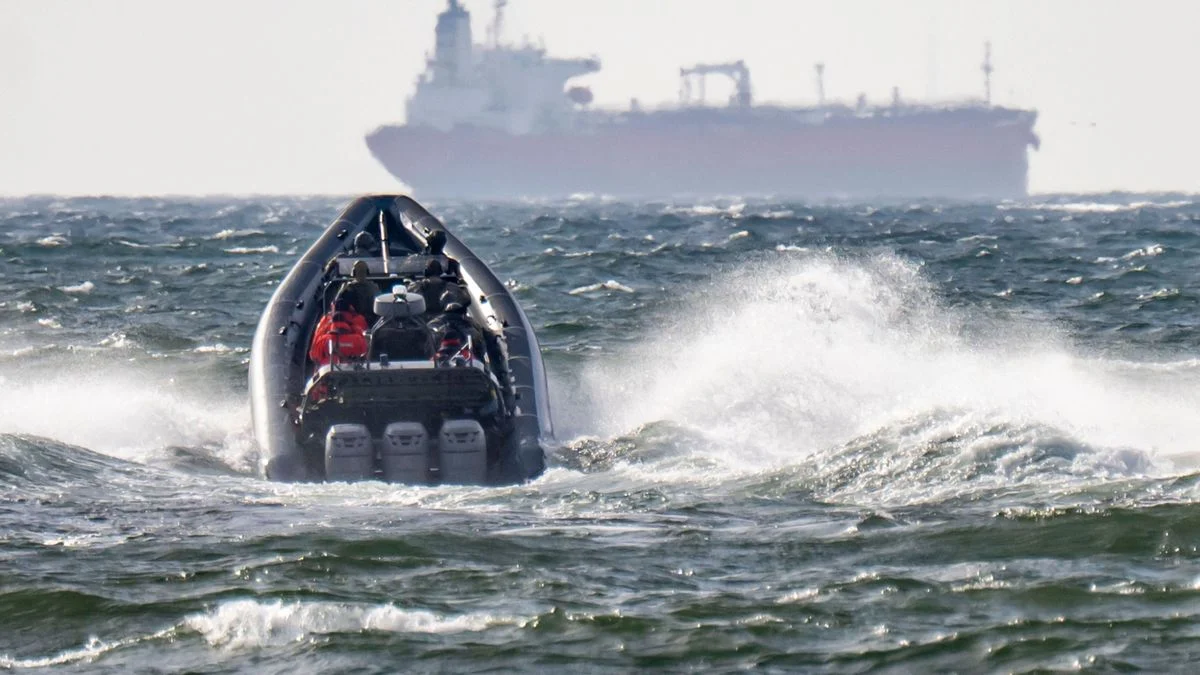
The Outbreak and Continuation of the Iran War (Early 2026): The conflict in the Gulf region erupted in early 2026, quickly escalating and sending shockwaves through global energy markets. The immediate consequence was a sharp spike in oil and gas prices, directly impacting manufacturing costs, transportation, and consumer prices worldwide. The war has disrupted crucial shipping lanes and threatened oil production, transforming what might have been a regional conflict into a global economic challenge. Its continuation has been a persistent dampener on global growth forecasts and a primary driver of inflation.
Corporate Reporting Season (Q1 2026): The current period is typically marked by the release of quarterly earnings reports. Despite the challenging global environment, many German companies have demonstrated remarkable resilience and adaptability. Today’s positive market reaction is largely attributable to several key players in the DAX delivering results that surpassed analyst expectations, showcasing strong operational performance and effective cost management. These reports have provided a tangible counterpoint to the more abstract geopolitical risks, injecting a dose of confidence into the domestic equity market.
Supporting Data: A Tale of Resilience and Rising Costs
The numbers behind today’s market movements paint a detailed picture of the current economic landscape.
DAX Performance: The DAX’s close at 24,136.81 points represents a 0.8% increase, translating to a gain of approximately 193 points from yesterday. This pushes the index further into positive territory for the week, indicating a sustained recovery trend following a period of volatility.
US-China Trade Figures: While the trade dispute has been contentious, China’s trade data has shown a complex picture. Despite punitive US tariffs, the People’s Republic managed to increase its overall export volumes in the preceding quarter. However, this growth was reportedly achieved by re-routing goods and offering "dumping prices" to other regions, highlighting the strain on its trade relationships and the global market distortions caused by the tariff regime. The US trade deficit with China remains a significant point of contention for the Trump administration, underpinning the urgency of the Beijing summit.
Inflationary Pressures: The most recent US inflation data, released just days ago, underscores the economic fallout from the Iran War. The US Consumer Price Index (CPI) for April surged to 3.8 percent year-on-year, marking the highest inflation rate in three years. This significant increase was directly attributed to the "dramatically risen oil and gas prices," confirming the direct link between geopolitical conflict and domestic economic stability. Such inflation levels put immense pressure on household budgets and complicate monetary policy decisions for the Federal Reserve.
Corporate Earnings Highlights:
- Allianz: Europe’s largest insurance conglomerate reported a record operating profit of €4.52 billion for the quarter, a robust 6.6 percent increase. This figure comfortably exceeded analyst expectations of €4.36 billion. The total business volume, encompassing insurance premiums and fund fees, also saw a healthy rise of 3.5 percent to €53 billion, underscoring the company’s strong fundamentals across its diverse portfolio.
- Merck: The Darmstadt-based pharmaceutical and chemical giant defied negative currency headwinds and revenue declines in key drug segments, posting an operating profit that outstripped forecasts. The company’s ability to navigate these challenges led to a raised annual outlook, a move warmly received by investors.
- Siemens: The Munich-based technology powerhouse presented a mixed bag. While its digital business segments continued to perform strongly, the company felt the pinch of US tariffs and a weaker US dollar. Second-quarter revenue and operating profit fell short of analyst projections. Despite this, Siemens reaffirmed its full-year targets, banking on a stronger second half and the resilience of its diversified industrial portfolio.
- RWE: The energy utility experienced a significant jump in earnings, driven by improved wind conditions across Europe, the commissioning of new wind farms, solar parks, and battery storage facilities, and a substantial compensation payment from the Dutch state. Its adjusted operating profit soared by approximately a quarter to over €1.6 billion in the first three months of the year compared to the same period last year.
- Infineon: The semiconductor manufacturer emerged as the top performer on the DAX, with its shares rocketing by nearly eleven percent. This remarkable surge is directly linked to the booming demand in the artificial intelligence (AI) sector, which relies heavily on advanced semiconductor components. The stock’s ascent to its highest level since the year 2000 highlights the significant investor confidence in Infineon’s position within this rapidly expanding technological frontier.
Official Responses and Expert Commentary
The intricate interplay of corporate performance, trade diplomacy, and geopolitical conflict has elicited a range of responses from officials and market observers.
On US-China Trade Talks:
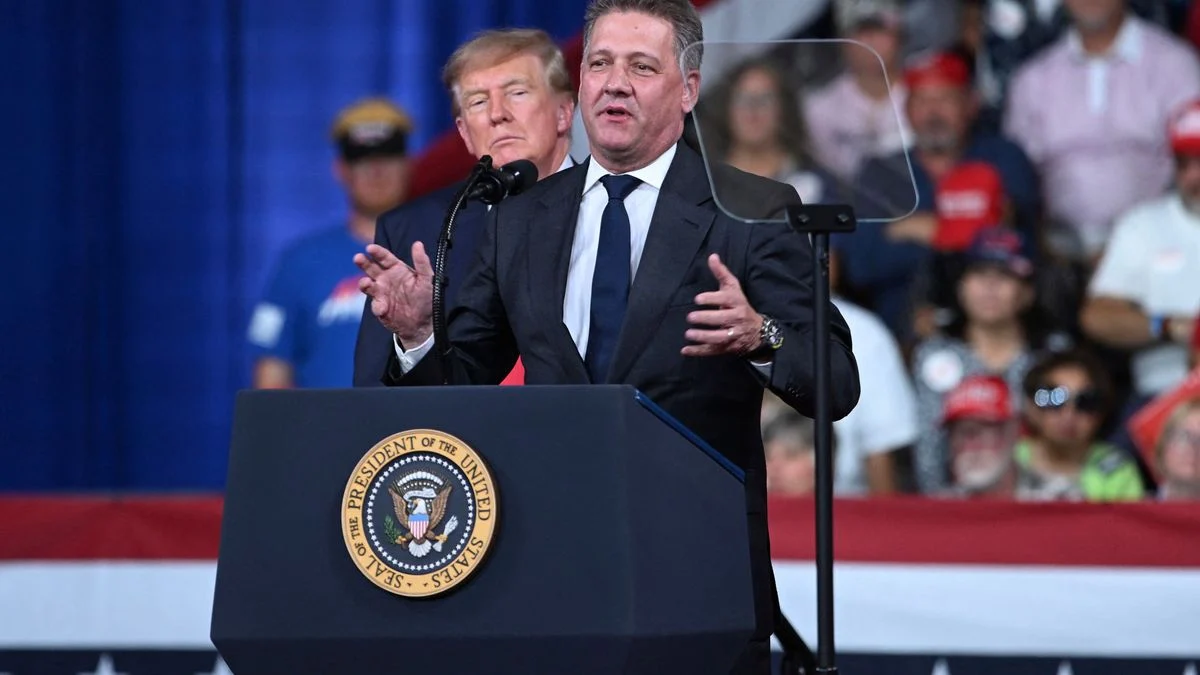
A senior official from the US Treasury Department, speaking on background, expressed "cautious optimism" regarding the Beijing summit. "President Trump is committed to securing a fair and balanced trade relationship that benefits American workers and businesses," the official stated. "While significant gaps remain, the willingness of both sides to engage at the highest level offers a path towards de-escalation and mutually beneficial agreements. We are looking for concrete commitments, not just promises."
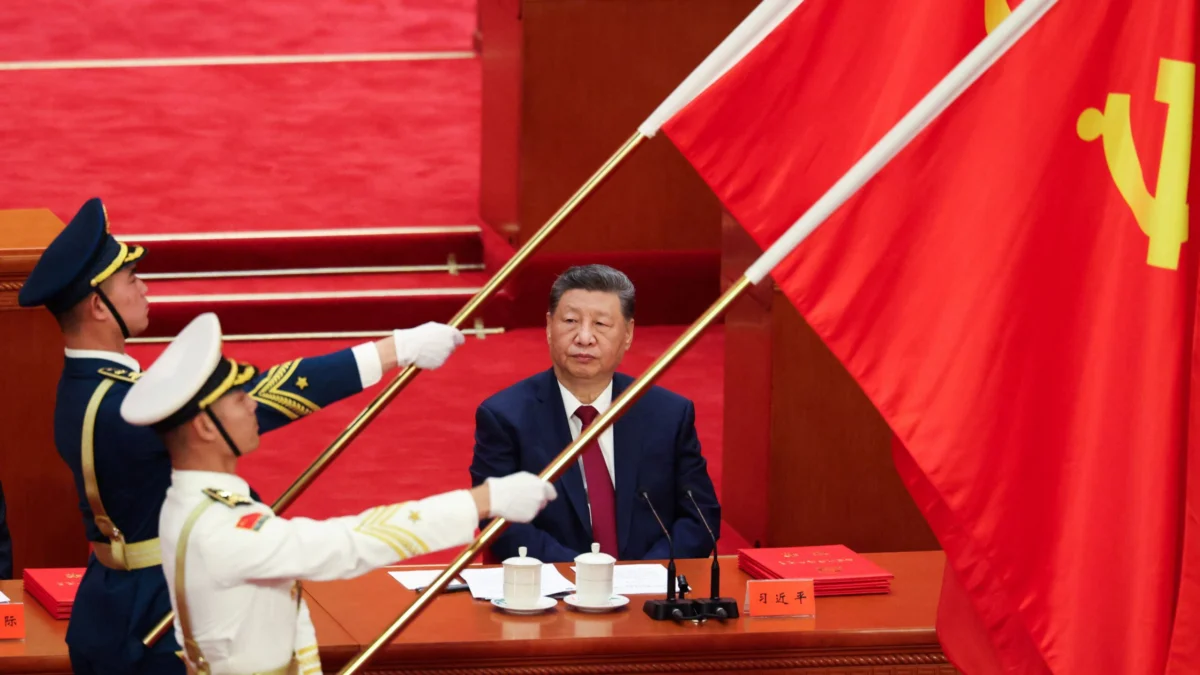
Conversely, a spokesperson for the Chinese Ministry of Commerce emphasized the importance of "constructive dialogue and mutual respect." "China has always advocated for resolving trade disputes through negotiation," the spokesperson remarked during a press briefing. "We believe that a stable and cooperative economic relationship between the world’s two largest economies is vital for global prosperity. We seek an outcome that upholds the principles of fairness and avoids unilateral actions."
On Corporate Earnings:
Dr. Lena Schmidt, Chief Market Strategist at Deutsche Bank, commented on the strong corporate showing: "Today’s DAX performance underscores the fundamental strength and adaptability of German industry. Companies like Allianz are delivering record profits, and even those facing headwinds, such as Siemens, are reaffirming their long-term outlook. This resilience provides a crucial anchor for the market amidst geopolitical storms. However, the gains are tempered by external risks, particularly the inflationary impact of the Iran War."
On the Iran War and Inflation:
Professor Markus Klein, an energy economist at the University of Munich, warned about the persistent economic fallout from the Gulf conflict. "The Iran War is not just a regional humanitarian crisis; it’s a global economic shock," he stated in a televised interview. "The direct link to surging oil and gas prices, as evidenced by the latest US inflation figures, is undeniable. Until a diplomatic resolution is found, we can expect continued volatility in energy markets and sustained inflationary pressures, which will inevitably impact central bank policy and consumer spending power globally."
Broader Implications and Outlook
The confluence of these factors presents a complex and nuanced outlook for the global economy and financial markets.
For Investors: The current environment necessitates a delicate balancing act. While strong corporate earnings and the potential for a trade truce offer compelling reasons for investment, the pervasive risk of geopolitical escalation, particularly in the Middle East, demands vigilance. Investors may increasingly favor sectors demonstrating resilience to inflation (e.g., companies with strong pricing power) or those benefiting from long-term trends like AI (as seen with Infineon) and renewable energy (RWE). Diversification across geographies and asset classes remains paramount. The pre-holiday rally might encourage some profit-taking, but the underlying positive sentiment from corporate results could provide support.
For Consumers: The persistent rise in inflation, directly exacerbated by the Iran War, poses a significant threat to consumer purchasing power. Higher energy prices translate into increased costs for everything from transportation to manufacturing, ultimately passed on to the consumer. This could lead to a slowdown in discretionary spending and a tightening of household budgets. If inflation persists, central banks, like the European Central Bank and the US Federal Reserve, might face renewed pressure to consider interest rate hikes, which could further dampen economic growth.
For Global Economic Stability: The US-China trade dispute and the Iran War represent two major fault lines in the global economic architecture. A breakthrough in Beijing could inject much-needed confidence into global supply chains and stimulate international trade, potentially mitigating some of the economic damage incurred over the past year. Conversely, a failure to reach an agreement could trigger renewed protectionist measures and further fragment global commerce. The ongoing conflict in the Gulf region, however, continues to be the most immediate and unpredictable threat, capable of triggering further commodity price shocks and destabilizing international relations.
Policy Challenges: Governments and central banks face an unenviable task. They must navigate the twin challenges of fostering economic growth while simultaneously combating inflation and managing geopolitical risks. Fiscal policies may be constrained by already high national debts, while monetary policy decisions must carefully balance the need to curb inflation without stifling nascent economic recovery. The upcoming decisions from both the US and Chinese leadership regarding trade, and any potential diplomatic initiatives concerning Iran, will have far-reaching implications for global stability and the economic well-being of billions.
As the markets head into a holiday, the mood is one of cautious optimism, a testament to corporate fortitude and diplomatic efforts. Yet, the shadows of conflict and economic uncertainty persist, reminding investors and policymakers alike of the fragile interconnectedness of the modern world. The coming weeks will be crucial in determining whether today’s rally marks a genuine turning point or merely a temporary reprieve in a volatile global landscape.
















Leave a Reply