The political tectonic plates in Serbia have shifted with an intensity that has caught both domestic observers and the international community off guard. In a stunning electoral outcome, the "Student List"—a grassroots movement born out of years of civil frustration—has secured an absolute majority in the Serbian parliament. This victory effectively sidelines traditional political parties and marks a historic departure from the era of Aleksandar Vučić’s dominance. However, as the dust settles on this electoral earthquake, the political future of the nation remains precarious.
Prominent Serbian journalist and media entrepreneur Biljana Stepanović, in a candid assessment of the current state of affairs, suggests that the country is standing on the precipice of a new, volatile chapter. Despite the clear mandate received by the student-led coalition, Stepanović warns that the current parliament is likely a temporary arrangement, setting the stage for potentially early elections and a period of intense institutional friction.
The New Bipolar Reality
The Serbian parliament has undergone a structural transformation. For the first time in its modern history, the legislature has effectively devolved into a classic bipolar system. On one side stands the newly empowered Student List, representing a coalition of youth, reformists, and civil society activists. On the other, the remnants of the Serbian Progressive Party (SNS) led by Aleksandar Vučić, alongside a handful of small national minority lists.
This is not merely a change in personnel; it is a fundamental clash of worldviews. Stepanović argues that the current parliamentary configuration is unsustainable because it pits two diametrically opposed systems against each other. The SNS, as described by critics, has been deeply entrenched in systems of patronage and, as many allege, systemic links to organized crime. The Student List, by contrast, emerged as the antithesis to this culture, campaigning on a platform of transparency, meritocracy, and the dismantling of the "cronyist" structures that have defined the last decade of Serbian politics.
Chronology of the Uprising
The success of the student movement did not happen in a vacuum. It was the culmination of years of mounting resentment against the ruling establishment.
- The Years of Stagnation: For nearly a decade, civil society in Serbia faced shrinking space. Independent media were systematically marginalized, and the parliament became a venue for monologue rather than debate.
- The Strategic Alignment: Recognizing the futility of traditional parliamentary opposition, the Democratic Party made the bold decision to vacate their seats, arguing that the legislative body had lost all democratic legitimacy. This act of protest served as a catalyst for a broader coalition.
- The Student Mobilization: The core of the movement began with student protests, which prioritized non-violence, endurance, and intellectual rigor. Following the Gandhi-inspired tradition of passive resistance, the students remained steadfast despite facing police crackdowns, arrests, and intimidation.
- The Final Push: Just weeks before the election, several other political entities joined forces with the students. This transformed the election into a de facto referendum: the status quo under the SNS versus a new vision for Serbia.
- The Electoral Triumph: The resulting landslide victory for the Student List effectively swept the old guard aside, leaving the remaining opposition parties failing to meet the required threshold to enter parliament.
Data and Trends: A Disconnect with the Establishment
The victory of the Student List is rooted in a fundamental demographic and social shift. For years, the European Union and international observers largely operated under the assumption that the "Serbian path to Europe" was progressing, even as domestic democratic standards plummeted.
Stepanović highlights a critical failure in this international perception: the EU continued to support or tolerate the Vučić administration, ignoring the growing disconnect between the government and the populace. The student movement proved that the "old methods" of political control—intimidation, the manipulation of the media, and the exploitation of state resources—no longer resonate with a younger generation that is better informed and digitally connected.
Furthermore, the economic performance of nations with populist-leaning governments on the Balkans has lagged behind their more liberal neighbors, such as Poland and Hungary, which have experienced more robust growth. This economic disparity served as an undercurrent to the protest movement, fueling the demand for an expert-led government that prioritizes competence over party loyalty.

The Opposition’s Response: A "Scorched Earth" Strategy
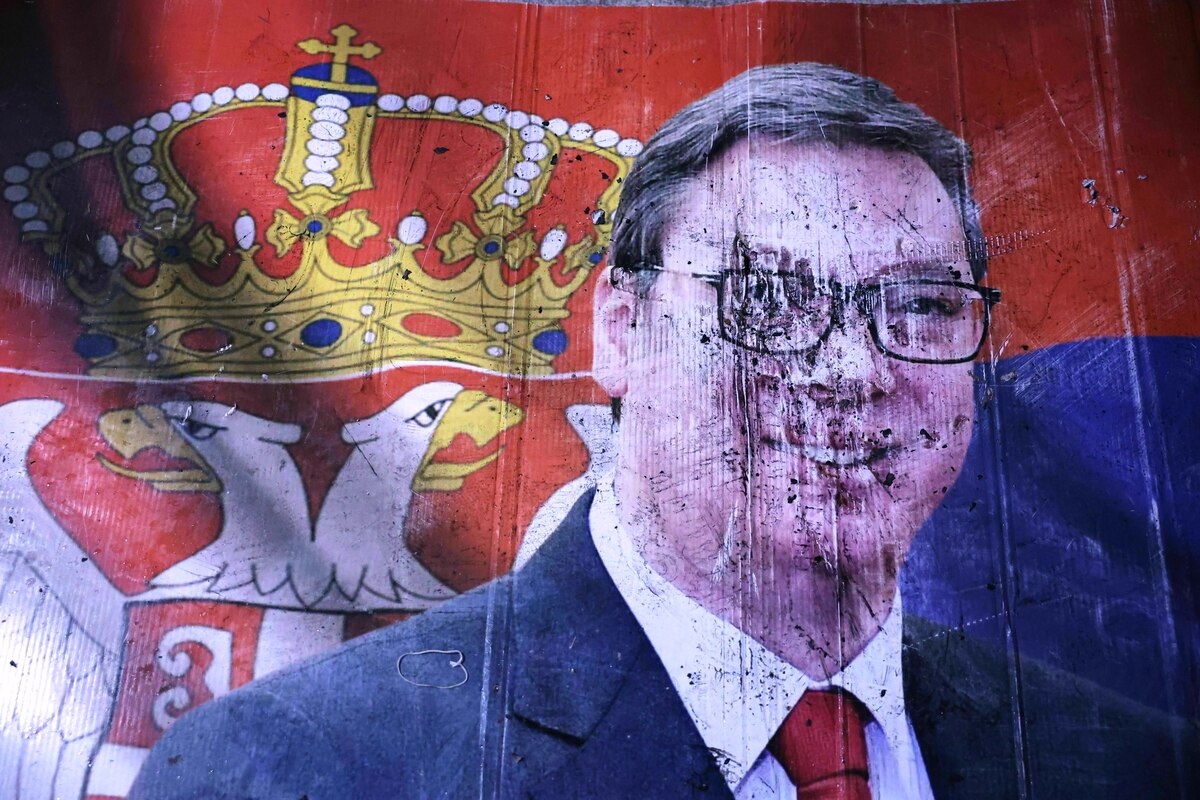
The most pressing question for the immediate future is how Aleksandar Vučić will navigate his transition into the opposition. Having declared his intention to step back, Vučić’s rhetoric suggests a transition to a "scorched earth" approach.
Drawing parallels to the political volatility of the 1990s, when Vučić was a prominent figure in the Serbian Radical Party, observers expect a campaign of unprecedented vitriol. Stepanović notes that even before the official concession of the election, Vučić indicated he would not show restraint toward his political rivals. The expectation is that the coming months will see the most aggressive and "dirty" political campaign in Serbian history, characterized by intense media disinformation and character assassination.
Whether Vučić intends to participate in parliamentary debates or use his remaining influence to destabilize the institution from the outside remains to be seen. However, his presence—or the specter of his influence—is a primary reason why many analysts believe the current parliamentary session will be cut short by early elections in the spring.
Implications for Governance and Rule of Law
The primary mandate of the Student List is to implement an "expert government." For years, the SNS filled ministerial and state-owned enterprise positions with party loyalists, many of whom lacked the technical qualifications for their roles. The new administration’s priority is to replace these placeholders with merit-based professionals.

The implications of this are twofold:
- Media Independence: A core pillar of the student agenda is the liberation of the media sector. By restoring editorial independence, the movement aims to expose the scandals that were systematically buried during the SNS years.
- Institutional Integrity: The return of the rule of law is the ultimate test. If the Student List can successfully depoliticize the judiciary and law enforcement, it will fundamentally alter the power structure of the nation.
However, the path forward is fraught with difficulty. The Student List, while enjoying a majority, faces the challenge of maintaining unity. They must balance their idealistic goals with the harsh realities of governance in a country where the "deep state" structures left by the previous administration remain intact.
A Lesson for Europe
The events in Serbia offer a profound lesson for the broader European political landscape. As student-led movements gain momentum in countries like Albania and beyond, the Serbian model of peaceful, persistent, and intelligent protest stands as a blueprint.
The European establishment is currently struggling to understand the motivations of this new generation. The "old guard" of European politics, often preoccupied with geopolitical stability and incremental reform, has frequently underestimated the depth of the desire for democratic renewal among the youth.

As Stepanović aptly puts it, the EU must reckon with the fact that it helped maintain a facade of progress in Serbia while the nation drifted further away from European values. The student victory is, in effect, a rejection of that facade. It is a demand for a return to genuine European standards of democracy, accountability, and transparency.
Conclusion: The Road Ahead
Serbia is currently experiencing a "Miracle of Serbs"—a term coined by local commentators to describe the unexpected downfall of a seemingly immovable political giant. Whether this transition leads to a stable, democratic future or collapses into a period of extreme polarization depends on the next few months.
The Student List has proven that it can win an election, but the real challenge—governing a country deep in the throes of a systemic identity crisis—has only just begun. The international community, and indeed the people of Serbia, are watching closely to see if this movement can maintain its momentum or if the traditional forces of the status quo will reclaim the narrative through the chaos of early elections.
For now, the message from the streets of Belgrade is clear: the era of blind loyalty is over, and the era of the meritocratic, independent, and reform-minded state is struggling to be born. Whether it survives its infancy will be the defining story of the Balkan region in the year to come.