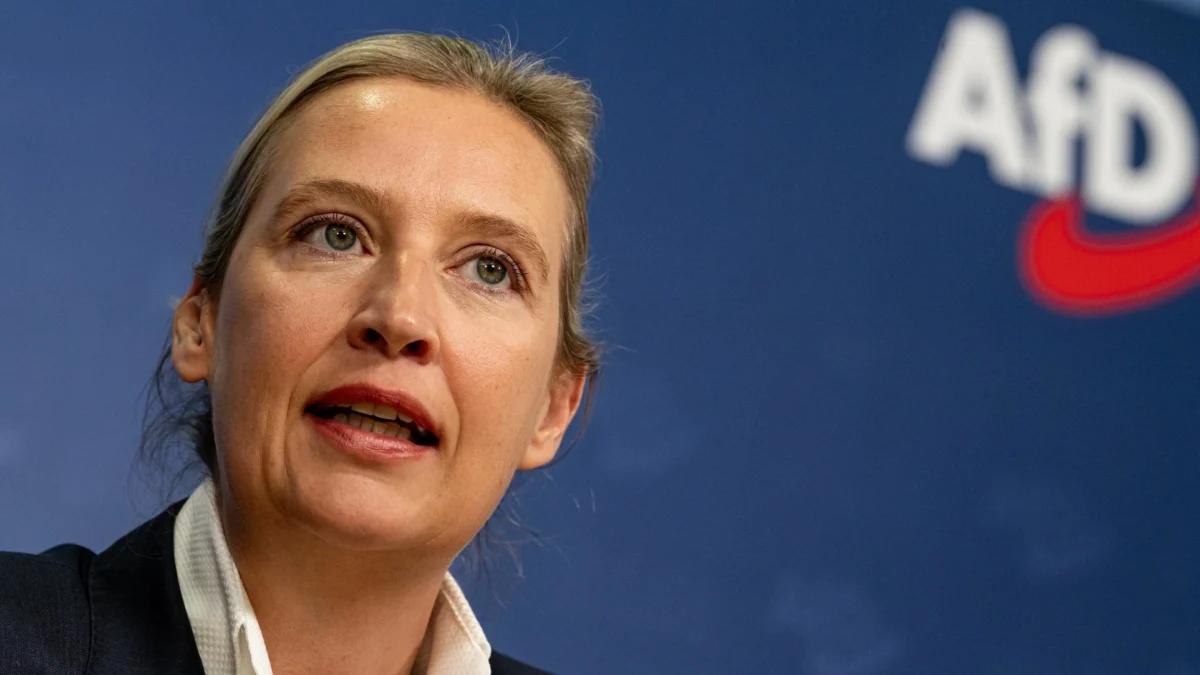
Berlin/Düsseldorf – A significant "AfD-Leak" has cast a stark spotlight on the campaign finance practices of Alice Weidel, co-leader of the far-right Alternative for Germany (AfD) party. Internal party documents, brought to light by an undisclosed source, reveal how Weidel allegedly orchestrated her election campaign funding, leading to a substantial sanction of approximately 396,000 Euros for an illicit donation originating from Switzerland. The revelations not only expose the intricate details of the financial transactions but also unveil the AfD’s subsequent frantic search for the informant who exposed these sensitive internal dealings.
The scandal centers on a series of payments totaling over 132,000 Euros received by Weidel’s local district association, Bodenseekreis, during the crucial 2017 federal election campaign. These funds, channeled from a Swiss entity, have been deemed illegal under German party finance laws, resulting in a penalty three times the amount of the improper donation. This latest episode adds to a troubling pattern of financial irregularities that have plagued the AfD, further challenging the party’s claims of transparency and adherence to democratic norms.
The Anatomy of a Disputed Donation: Main Facts
The core of the controversy lies in a direct instruction from Alice Weidel to her district treasurer on July 10, 2017. In an email, Weidel urged the treasurer of the AfD Bodenseekreis branch to "keep an eye on the account twice a week," stating, "Then we know how much we can spend." She further clarified her need for these funds, explaining, "I was advised of donations with which I have to finance my social media election campaign." This email, now public, serves as a critical piece of evidence demonstrating Weidel’s direct involvement and knowledge of anticipated external funding for her campaign.
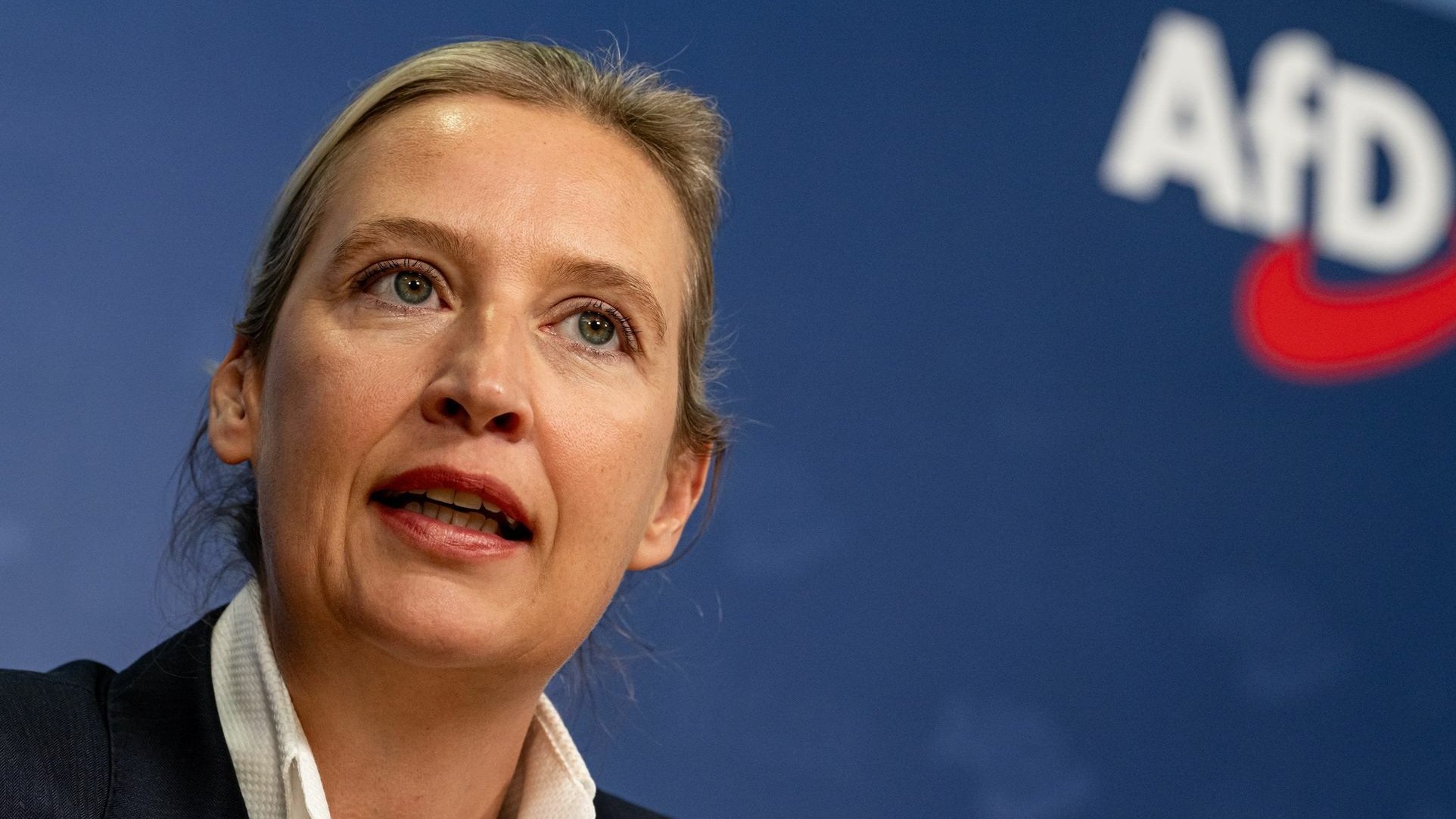
Just four days after this directive, the first of several payments from Switzerland landed in the AfD Bodenseekreis account. By September 2017, the cumulative sum of these transfers had reached precisely 132,005.52 Euros. Crucially, these funds were subsequently re-routed to a separate party account over which Alice Weidel held power of attorney, indicating a deliberate mechanism for her to control and utilize these specific donations.
The German Bundestag administration, the authority responsible for overseeing party finances, ultimately imposed a fine of approximately 396,000 Euros on the AfD. This severe penalty, calculated as triple the amount of the illegal donation, underscores the gravity of the violation. German law strictly prohibits political parties from accepting donations from non-EU countries, particularly when they exceed certain thresholds and are not transparently declared. The AfD’s failure to adhere to these regulations has led to one of the most significant financial penalties levied against a German political party in recent history.
Beyond the financial implications, the internal documents also expose the AfD’s desperate attempts to identify the individual responsible for leaking this sensitive information. This internal "informant hunt" highlights the party’s concern over transparency and its struggle to maintain internal cohesion amidst growing scrutiny.
Chronology: The Unfolding of the Scandal
The timeline of the Swiss donation scandal reveals a calculated approach to campaign financing that ultimately ran afoul of Germany’s stringent party funding laws.
July 10, 2017: Weidel’s Directive
The first crucial piece of evidence is an email from Alice Weidel to the treasurer of her local AfD district association, Bodenseekreis. In this communication, Weidel explicitly requested close monitoring of the district’s bank account. "Please keep an eye on the account twice a week," she wrote, emphasizing the importance of this oversight for strategic spending: "Then we know how much we can spend." Weidel further clarified the purpose of this heightened vigilance, stating, "I was advised of donations with which I have to finance my social media election campaign." This email strongly suggests that Weidel was not only aware of impending donations but was actively anticipating and planning their use for her digital campaign efforts. The phrase "Mir wurden Spenden avisiert" ("I was advised of donations") has become a key point of contention, as it implies prior knowledge of external funding that was later deemed illegal.
July 14, 2017: First Swiss Transfer
Just four days after Weidel’s email, the first installment of the controversial funds arrived at the AfD Bodenseekreis. This swift transfer following Weidel’s instruction underscores the direct connection between her directive and the receipt of the foreign money. The timing suggests a coordinated effort to inject funds into her campaign, specifically targeting the digital realm which was becoming increasingly important in modern political campaigning.
Until September 2017: Cumulative Payments and Re-routing
Over the subsequent weeks and months, until September 2017 – the month of the federal election – multiple transfers from Switzerland accumulated to a total of 132,005.52 Euros. These funds did not remain in the Bodenseekreis district account. Instead, they were deliberately re-routed to a separate party account. This secondary account was significant because Alice Weidel held a direct power of attorney over it, granting her direct control and access to these specific funds. This re-routing mechanism raises questions about the intent behind the financial maneuver, potentially suggesting an attempt to obscure the origin and ultimate beneficiary of the donations. The structure of these transactions, with funds flowing from a non-EU source to a district association and then quickly moved to an account under the direct control of a party leader, is precisely the type of activity that German party finance laws are designed to prevent and penalize.
Post-Election Period: Investigation and Sanction
Following the 2017 federal election, details of these suspicious financial flows began to emerge. The Bundestag administration, tasked with enforcing Germany’s rigorous party finance laws, launched an investigation. After a thorough review of the financial records and internal communications, it concluded that the donations from Switzerland constituted an illegal foreign contribution. German law is explicit: donations from outside the European Union are generally forbidden if they exceed a certain amount and are not declared properly, to prevent undue foreign influence on domestic politics. The decision to impose a penalty of approximately 396,000 Euros reflects the Bundestag administration’s finding that the AfD had violated these foundational principles of transparent party financing. This figure is a standard calculation under German law, typically set at three times the amount of the illegal donation.
Supporting Data: The Legal and Financial Framework
The "AfD-Leak" saga is deeply rooted in Germany’s stringent party finance laws, which are designed to ensure transparency, prevent corruption, and safeguard democratic integrity from undue influence, particularly from foreign sources.

German Party Finance Law (Parteiengesetz):
The legal framework governing political parties in Germany, the "Parteiengesetz" (Party Law), is among the strictest in Europe. It mandates comprehensive transparency regarding party income, expenditures, and assets. Key provisions include:
- Prohibition of Foreign Donations: Section 25 of the Party Law explicitly prohibits parties from accepting donations from non-EU countries if they exceed 1,000 Euros. The rationale behind this is to protect the German political landscape from external interference and to ensure that political campaigns are financed by domestic, accountable sources. Switzerland, while a close European partner, is not a member of the EU, making donations from Swiss entities subject to these restrictions.
- Transparency Thresholds: All donations exceeding 10,000 Euros must be immediately reported to the President of the Bundestag. Donations over 50,000 Euros must be publicly disclosed with the donor’s name and address. The law aims to ensure that the public is aware of who is funding political parties and to what extent.
- Penalties for Violations: The law prescribes severe penalties for illegal donations. If a party accepts an impermissible donation, it is generally required to pay a fine amounting to three times the value of the illegal contribution. This tripling mechanism is intended to serve as a strong deterrent against violations. In this case, the 132,005.52 Euros from Switzerland directly led to the 396,016.56 Euro fine, which was rounded to 396,000 Euros.
The Swiss Connection: "Verein für politische Meinungsbildung" and Similar Entities
While the specific identity of the Swiss donor in the provided text is not fully detailed beyond "the first payment from Switzerland," previous AfD finance scandals have often involved opaque entities. For instance, in other instances, donations to the AfD have been linked to a "Verein für politische Meinungsbildung" (Association for Political Education) based in Switzerland, which has been criticized for its lack of transparency and its role in channeling funds to far-right parties in Europe. These types of associations often serve as intermediaries, obscuring the ultimate origin of the funds and making it difficult to trace back to individual donors. This pattern of using foreign intermediaries to bypass domestic finance laws is a recurring theme in controversies surrounding the AfD. The re-routing of funds from the Bodenseekreis account to an account under Weidel’s direct control further complicated the transparency, potentially making it harder for authorities to track the money’s journey and purpose initially.
Weidel’s Campaign Strategy: Social Media Focus
Weidel’s email explicitly mentions the need for these "avised donations" to fund her "social-media election campaign." This detail is significant. In the 2017 election cycle, social media was rapidly emerging as a powerful, yet often less regulated, arena for political campaigning. The direct solicitation of funds for this specific purpose suggests a concerted effort to leverage digital platforms, which can be costly to run effectively. The use of foreign funds for such a sensitive and impactful aspect of a national election campaign raises serious questions about external influence and the integrity of the electoral process. The digital sphere’s potential for rapid dissemination of information and targeted messaging makes the source of its funding particularly critical for democratic oversight.

Official Responses and Internal Investigations
The aftermath of the "AfD-Leak" has been characterized by a combination of public deflection, legal maneuvering, and an intense internal hunt for the source of the leaked documents.
Alice Weidel’s Defense:
Following the initial emergence of the scandal, Alice Weidel has consistently maintained that she acted in good faith and was unaware of any illegality surrounding the donations. Her primary defense has often revolved around the statement, "Mir wurden Spenden avisiert" ("I was advised of donations"), implying that she merely received information about incoming funds and was not directly involved in their illicit acquisition or the understanding of their foreign origin. She has suggested that she assumed the donations were legal and properly handled by the party’s financial administration. Weidel and her legal team have argued that the responsibility for verifying the legality of donations lies with the party treasurer and the party leadership, not necessarily with an individual candidate, even if they are a prominent figure. However, the internal email explicitly requesting monitoring of the account and mentioning the funds for her specific social media campaign directly contradicts a narrative of complete detachment or ignorance. Critics argue that as a co-leader and a candidate directly benefiting from these funds, she had a higher duty of care to ensure compliance with party finance laws.
AfD’s Official Stance:
The AfD as a party has faced numerous similar allegations regarding campaign finance in the past, including other foreign donations. In response to the Swiss donation scandal, the party leadership initially attempted to downplay the significance of the funds, portraying them as administrative errors or misunderstandings of complex legal regulations. They have often framed such incidents as politically motivated attacks by the "establishment" to discredit the AfD. The party has, at times, announced internal investigations into alleged irregularities, often concluding with findings that exonerate key figures or attribute blame to lower-level functionaries. However, the consistent pattern of financial impropriety and the severity of the fines levied by the Bundestag administration suggest more than just accidental oversight. The AfD’s narrative of victimhood often serves to galvanize its base while deflecting criticism from mainstream media and political opponents.

The Search for an Informant:
Perhaps one of the most revealing aspects of the "AfD-Leak" is the party’s intense and publicly acknowledged search for the informant who disclosed these internal documents. The lead text explicitly states that the documents "also show the search of the AfD for an informant." This internal witch hunt indicates a deep concern within the party about the integrity of its internal communications and the loyalty of its members. The focus on identifying and punishing the leaker, rather than solely addressing the substance of the financial improprieties, suggests a prioritization of damage control and internal discipline over transparency. Such actions can create an atmosphere of distrust and fear within the party, potentially leading to further internal divisions or a chilling effect on future whistleblowers. The pursuit of the informant underscores the sensitivity of the leaked information and the potential political harm it could inflict on Weidel and the party.
Implications and Broader Context
The "AfD-Leak" and the resulting 396,000 Euro sanction carry profound implications for Alice Weidel, the AfD, and the broader landscape of German politics.
Impact on Alice Weidel’s Political Standing:
As a prominent co-leader of the AfD and a figure who often presents herself as an advocate for rule of law and transparency, Weidel’s direct involvement in this campaign finance scandal significantly undermines her credibility. The internal email, which explicitly links her to the solicitation and utilization of disputed funds for her social media campaign, makes it difficult for her to claim complete ignorance. For a leader of a major political party, such revelations can erode public trust, raise questions about her ethical standards, and potentially weaken her position within the party, especially if internal factions seek to capitalize on the controversy. It reinforces a perception among critics that Weidel, despite her polished public image, is willing to bend or break rules for political gain.

Impact on the AfD’s Reputation and Electoral Prospects:
This is not an isolated incident for the AfD. The party has a history of facing scrutiny over its financial dealings, including other controversial donations and alleged attempts to circumvent transparency rules. This recurring pattern risks solidifying a public image of the AfD as a party that operates on the fringes of legality and lacks true commitment to democratic accountability. Such scandals can alienate moderate voters who might otherwise be drawn to the party’s stances on other issues. In a political climate where trust in institutions is already fragile, repeated financial misconduct can further erode public confidence in the political system as a whole. While the AfD often leverages such controversies to portray itself as a victim of the establishment, the concrete legal penalties and internal documents make such claims increasingly difficult to sustain. The scandal could particularly hurt the party in future elections, where voters may scrutinize its financial probity more closely.
Public Trust and Democratic Integrity:
At a broader level, the "AfD-Leak" and similar incidents raise critical questions about the integrity of the democratic process in Germany. Transparent campaign financing is a cornerstone of democratic elections, ensuring that voters know who is influencing political discourse and decision-making. When foreign money is allegedly channeled through opaque means, it creates the potential for external actors to exert undue influence on national politics. This erodes public trust not only in the implicated party but also in the political system’s ability to enforce its own rules. It fuels cynicism and distrust, which can be particularly damaging in an era of rising populism and political polarization.
Future Legal and Political Ramifications:
While the 396,000 Euro sanction is a significant consequence, the legal and political fallout may not end there. Depending on the ongoing investigations and any potential appeals, further legal actions or enhanced scrutiny by the Bundestag administration could follow. The internal search for an informant also signals ongoing internal turmoil within the AfD, which could lead to further leaks or factional conflicts. Politically, the scandal provides ammunition for opposing parties, who will undoubtedly highlight the AfD’s financial controversies in upcoming debates and election campaigns. It forces the AfD to dedicate resources and attention to damage control rather than focusing on policy debates, potentially hindering its overall political effectiveness.

In conclusion, the "AfD-Leak" regarding Alice Weidel’s campaign finances is more than just a financial irregularity; it is a critical insight into the internal operations and ethical standards of a major German political party. The detailed chronology of events, Weidel’s direct involvement, the substantial sanction, and the party’s subsequent search for an informant paint a picture of a party grappling with transparency, accountability, and internal dissent, with significant repercussions for its leadership and its standing in German democracy.