Potsdam, Brandenburg – October 25, 2026 – A towering 30-meter drill rig pierces the sky above the Potsdam Süd combined heat and power plant, a stark symbol of Germany’s ambitious energy transition. For months, operations have been nearly continuous, pushing drill bits over a kilometer into the Earth’s crust. This monumental undertaking is part of a €78 million project designed to tap into the planet’s internal warmth, aiming to supply thousands of households in Brandenburg’s capital with clean, renewable heat. Potsdam has set an ambitious target: to completely decarbonize its district heating system by 2035, with deep geothermal energy poised to play a pivotal role in achieving this vision.
The project represents a significant investment in a technology that offers both immense potential and inherent uncertainties. While the promise of a stable, domestically sourced energy supply is compelling, the subterranean quest for hot water remains an intricate dance with geological unpredictability. Nevertheless, initial findings provide a strong sense of optimism, fueling hopes that Potsdam’s deep dive will unlock a sustainable energy future.
Main Facts: Unearthing a Green Energy Source
The core of Potsdam’s energy strategy revolves around deep geothermal technology. At the Heizkraftwerk Potsdam Süd, drilling commenced in July, with plans to reach depths of up to 1,500 meters. The primary objective is to locate substantial reservoirs of warm water within the Earth’s deep rock formations. Once extracted, this geothermally heated water will be channeled into the city’s district heating network, providing warmth to homes and businesses without reliance on fossil fuels.
This initiative is not an isolated endeavor but a cornerstone of Potsdam’s broader commitment to climate neutrality. By 2035, the city aims to entirely eliminate fossil fuel reliance from its district heating infrastructure. Deep geothermal, or ‘Tiefengeothermie,’ is identified as a crucial element in this ambitious timeline, promising a consistent and environmentally friendly heat source available around the clock. The investment of approximately €78 million underscores the scale and strategic importance of this venture for the municipal energy provider, EWP (Energie und Wasser Potsdam).
Chronology of a Subterranean Quest
The journey to harness Potsdam’s geothermal potential began in earnest with the erection of the imposing drill tower at the Süd power plant. Since July, geological exploration has been a relentless, almost 24/7 operation, pushing deeper into the Earth with each passing day. Project leaders anticipate the current phase of drilling will reach its target depth of 1,500 meters by the end of the year. This milestone will be critical, as it will provide further invaluable data to assess the viability and scale of the thermal water reserves.
Tristan Grüttner, project manager at EWP, acknowledges the inherent uncertainty of such exploratory ventures. "One never knows if one will strike it rich," he states, referring to the elusive nature of underground water reservoirs. However, he quickly adds, "We have, of course, conducted many studies in advance." These preliminary geological and hydrological surveys have been instrumental in guiding the drilling efforts, and Grüttner reports that early results indicate they are "on the right track."
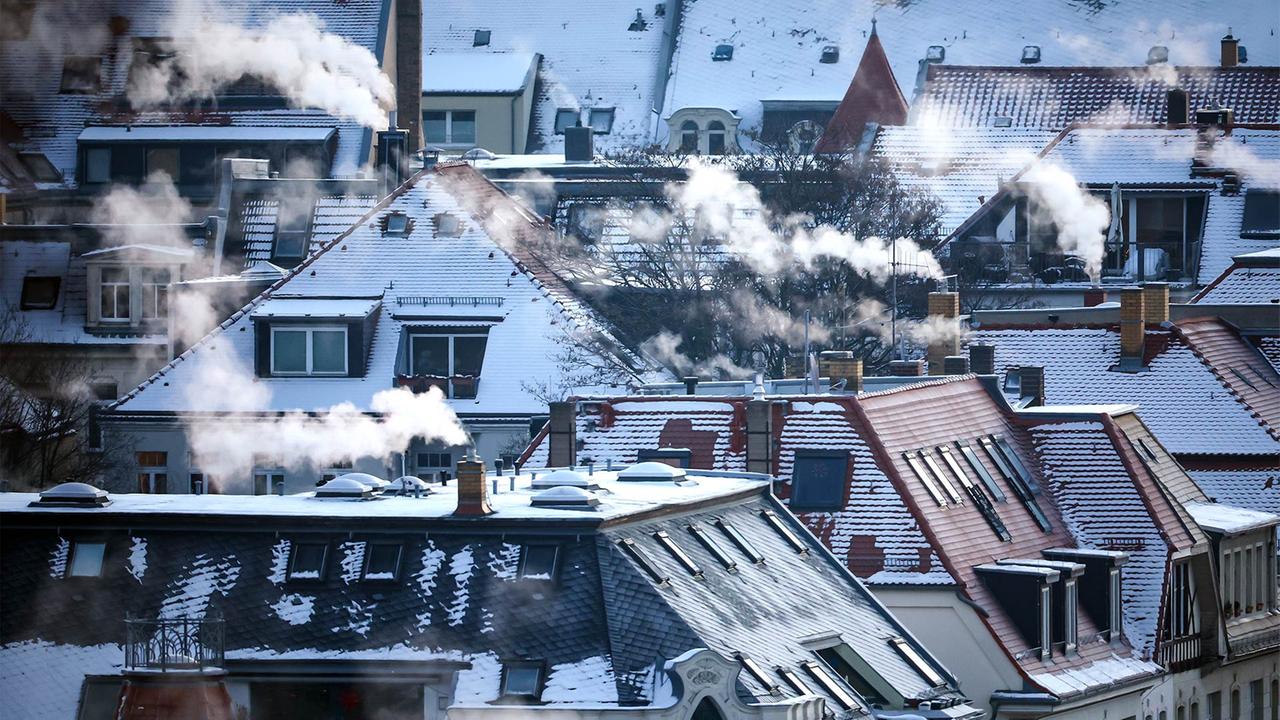
The insights gathered from these deep bores will inform crucial decisions regarding potential additional drilling. This iterative approach is not without precedent in Potsdam. The city already boasts a successful deep geothermal installation that serves as a testament to the technology’s promise. Since 2024, an initial geothermal plant, situated on the former site of a tram depot, has been operational. This pioneering facility already supplies an entire new residential quarter with geothermal heat. Remarkably, with a thermal output of four megawatts, this first plant delivers twice the energy initially projected, showcasing the potential for exceeding expectations when conditions are favorable. This prior success provides a significant boost of confidence for the larger-scale Süd power plant project.
Supporting Data: The Science and Economics of Earth’s Heat
The scientific principle underpinning deep geothermal energy is straightforward: Earth’s internal temperature increases with depth. In Germany, this geothermal gradient averages approximately three degrees Celsius for every 100 meters descended. This means that at a depth of 1,500 meters, temperatures can reach well over 45 degrees Celsius, and at 2,000 meters, they can exceed 60 degrees Celsius – sufficiently hot for district heating purposes.
The process involves pumping this naturally heated water from deep geological strata to the surface. There, a heat exchanger transfers the thermal energy to the district heating network. Crucially, the cooled water is then reinjected back into the underground reservoir, ensuring the sustainability of the resource and maintaining the geological pressure balance.
Brandenburg, the state where Potsdam is located, possesses particularly favorable geological conditions for deep geothermal exploitation. A significant portion of the state lies within the North German Basin, a vast sedimentary basin characterized by deep sandstone layers. These porous rock formations act as natural reservoirs, efficiently storing and transmitting warm water. Ingo Sass from the Helmholtz Centre Potsdam GFZ German Research Centre for Geosciences explains, "The central part of Brandenburg is located in the best areas concerning the subsurface properties for geothermal energy." However, he emphasizes a critical caveat: the presence of sufficient quantities of extractable water is paramount for a project’s success. Even with ideal rock types, a lack of fluid flow can render a site uneconomical.
The financial commitment to the Potsdam Süd project, totaling around €78 million, highlights the substantial upfront capital required for deep geothermal ventures. While this figure may seem high, the long-term benefits of energy independence and stable, predictable energy costs are expected to justify the investment. Current data on renewable heat generation in Brandenburg reveals that only about 13 percent of the state’s heat currently comes from renewable sources, as noted by Martina Klement, the CSU State Secretary for Economic Affairs. This figure underscores the "room for improvement" and the significant opportunity that geothermal energy presents for decarbonizing the heating sector.
Official Responses: Confidence Amidst Challenges
The vision for Potsdam’s geothermal future is articulated by key stakeholders, who balance cautious optimism with strategic determination. Tristan Grüttner, EWP’s project manager, embodies this sentiment. His acknowledgment of the "discovery risk" – the uncertainty of finding sufficient warm water – is tempered by the rigorous preparatory studies undertaken. "We have, of course, conducted many studies in advance," he reiterates, expressing confidence that these investigations have set them on the correct path. The success of the earlier geothermal plant at the former tram depot, which exceeded its thermal output expectations, provides tangible evidence of the potential that lies beneath Potsdam.
Ingo Sass from the Helmholtz Centre for Geosciences offers a broader geological perspective, highlighting Brandenburg’s unique advantages. His assessment that "the central part of Brandenburg is located in the best areas concerning the subsurface properties for geothermal energy" provides a scientific underpinning for the current projects. However, Sass’s emphasis on the need for "sufficient water" underscores the practical challenges that remain despite favorable geology.
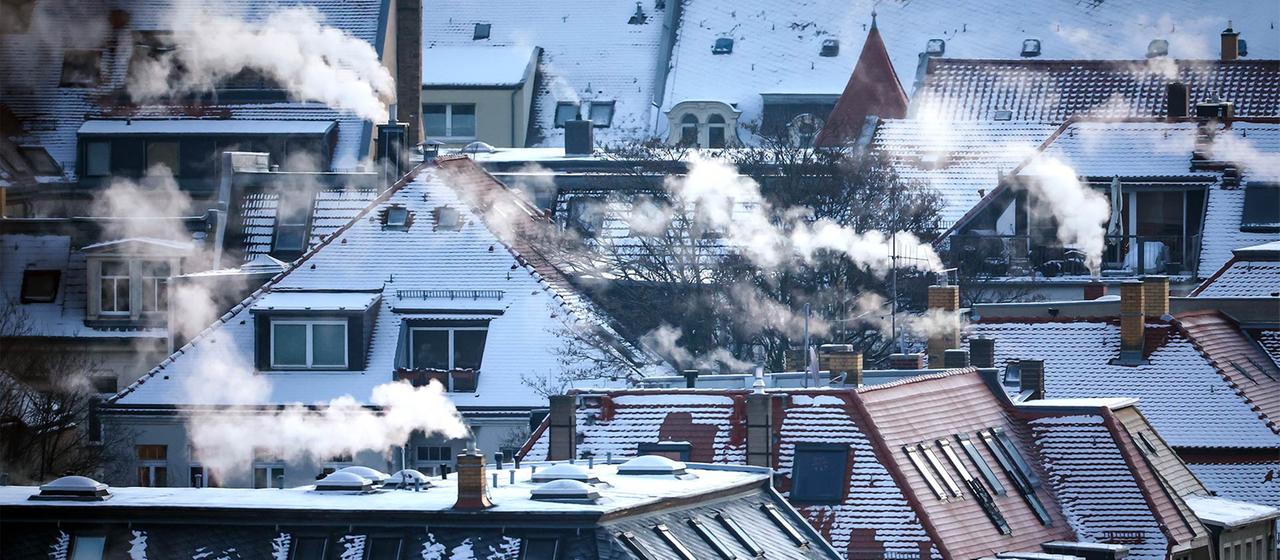
The surge in interest in geothermal energy across Germany, particularly since the 2022 energy crisis triggered by the war in Ukraine, is a recurring theme among industry leaders. Gregor Dilger, Managing Director of the German Geothermal Association (Bundesverband Geothermie), confirms this trend, stating, "We have five times the number of deep geothermal projects." He attributes this awakening to the realization among many municipal utilities ("Stadtwerke") that a fundamental shift away from volatile fossil fuel markets is imperative. "Many municipal utilities woke up due to the war against Ukraine and the subsequent gas price crisis and realized: ‘We have to do something here,’" Dilger explains, capturing the urgency that now drives investment in renewable heat sources.
Martina Klement, Brandenburg’s State Secretary for Economic Affairs, while acknowledging the relatively low share of renewables in the state’s heating mix (13%), views this as an opportunity. "We have room for improvement. But that, of course, also offers opportunities," she states, framing the current situation not as a deficit but as a clear path for growth and innovation, with geothermal energy as a key enabler. This collective sentiment from project leaders, scientific experts, and political figures paints a picture of a sector poised for significant expansion, driven by both environmental necessity and economic pragmatism.
Implications: Overcoming Hurdles and Paving the Way Forward
The widespread adoption of deep geothermal energy across Germany, while promising, faces several significant hurdles, primarily economic and environmental. The most substantial obstacle is the high initial cost of exploration and development. Drilling alone can consume millions of euros, and the "discovery risk" (Fündigkeitsrisiko) – the possibility of not finding enough commercially viable warm water – poses a considerable financial threat, especially for smaller municipalities. This risk profile has historically deterred investment, slowing the pace of geothermal development.
Recognizing this critical barrier, the German federal government has stepped in with a suite of support programs. These initiatives include favorable loans and funding schemes specifically designed for heating networks and geothermal exploration. Potsdam’s geothermal projects, for instance, are benefiting from these federal subsidies, which are crucial for de-risking the initial investment phase. As Ingo Sass from the GFZ points out, while the upfront costs are substantial, deep geothermal ultimately offers a "stable, comparatively inexpensive and crisis-proof energy source" in the long term. He emphasizes that it is "a question of investment distribution," suggesting that strategic, targeted initial investments yield enduring returns.
Beyond the financial considerations, potential environmental and safety concerns also require careful management. Interventions into the deep subsurface, such as fluid injection or extraction, can theoretically induce minor seismic events or tremors. Additionally, there is a risk of groundwater contamination if drilling operations are not meticulously executed. However, experts are confident that these risks can be significantly mitigated through stringent planning, the deployment of advanced safety technologies, and continuous monitoring of the geothermal plants and their surrounding geological environment. Modern drilling techniques, comprehensive geological surveys, and real-time seismic monitoring systems are standard practice, ensuring that projects proceed with the highest safety standards.
The success and learnings from Potsdam are not confined to Brandenburg. A few kilometers away, the capital city of Berlin is also embarking on its own deep geothermal journey. Just recently, Berlin awarded its first exploration rights for deep geothermal energy. Berliner Energie und Wärme GmbH (BEW) plans a drilling operation near the Marzahn power plant, aiming to reach depths of almost 2,000 meters. The objective is to investigate four distinct water-bearing rock layers to determine the feasibility of integrating geothermal heat into Berlin’s extensive district heating network. Initial projections anticipate that a first geothermal plant in Berlin could commence operations as early as 2031, marking another significant stride in Germany’s energy transformation.
The broader implications extend to a national scale. Whether in Potsdam, Berlin, or other German cities, an increasing number of municipalities are embracing geothermal energy. This growing momentum was evident at the recent German Geothermal Congress in Potsdam, where over 550 experts from science, industry, and politics convened. Key discussions revolved around accelerating the expansion of geothermal capacity, focusing on innovative technologies, robust financing models, and supportive political frameworks. The consensus is clear: geothermal energy, with its baseload capabilities and independence from weather fluctuations, is an indispensable component of a resilient and sustainable energy future for Germany. The efforts in Potsdam are not merely local initiatives but vital experiments contributing to a national strategy for a greener, more secure energy landscape.