Main Facts: A Convergence of Classical Tradition and Digital Worlds
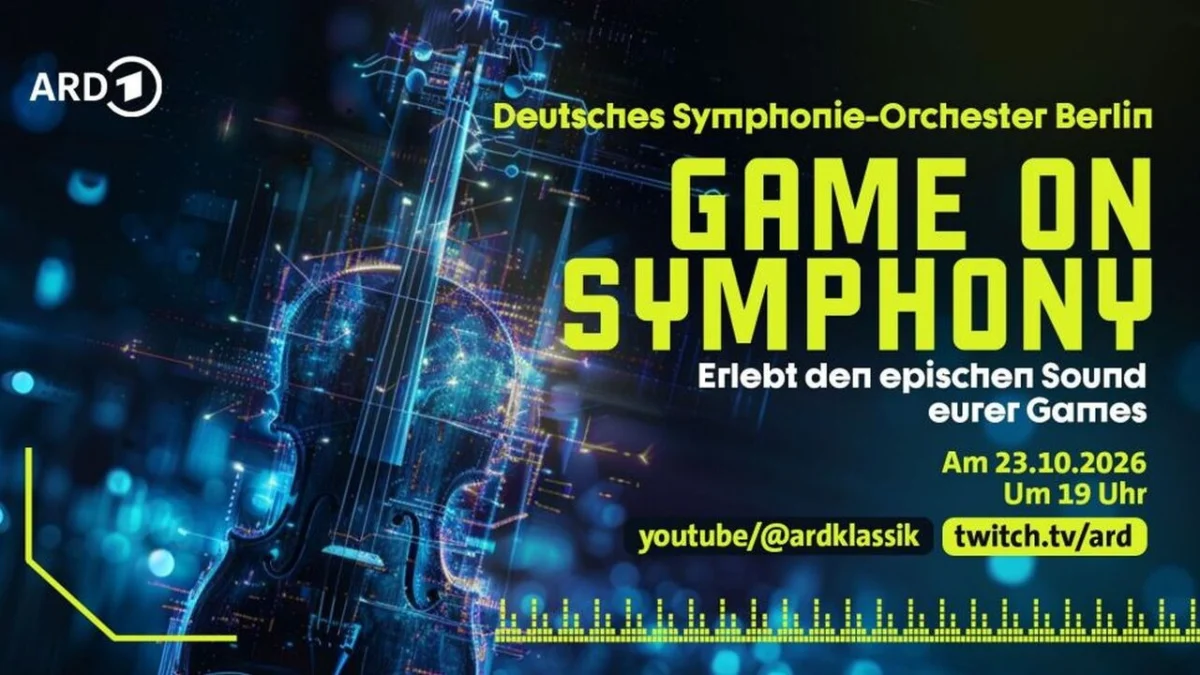
Tonight, the historic Haus des Rundfunks in Berlin will transform into a nexus of high-fidelity auditory storytelling as the Deutsches Symphonie-Orchester (DSO) takes the stage for "Game on Symphony." This high-profile concert marks a significant milestone in the ongoing efforts by German public broadcaster ARD to bridge the cultural gap between traditional orchestral music and the rapidly evolving medium of video games.
Commencing at 7:00 PM CET on October 23, the event promises an immersive journey through some of the most critically acclaimed soundtracks in gaming history. From the haunting, atmosphere-heavy compositions of BioShock to the sweeping, heroic orchestrations of Diablo 4 and Tomb Raider, the program is curated to showcase the sophisticated compositional techniques that define modern gaming audio.
For those unable to attend in person, the concert will be broadcast globally via live streams on Twitch and YouTube, ensuring that the reach of this performance extends far beyond the confines of the Berlin venue. This initiative, hosted by ARD Klassik in collaboration with radio3 (rbb), underscores a growing recognition of video game music as a legitimate, complex, and emotionally resonant genre of contemporary composition.
Chronology: The Evolution of "Game on Symphony"
The "Game on Symphony" project is not a singular artistic experiment but part of a deliberate, long-term strategic series organized by the ARD. The initiative aims to demystify classical music for younger, digital-native audiences while simultaneously providing gamers with a platform to experience their favorite soundtracks through the raw, uncompressed power of a full symphony orchestra.
A Growing Precedent
The roots of this current Berlin performance can be traced back to a successful collaboration held in late August of this year. Partnering with the Westdeutscher Rundfunk (WDR) in Cologne, the ARD presented an inaugural concert that featured music from industry titans such as Baldur’s Gate 3, the Zelda franchise, and the upcoming Anno 117.
The reception of that concert—which drew both a capacity crowd and significant online engagement—served as the proof-of-concept required to expand the series. The current Berlin event is the logical evolution of this model, moving from regional experimentation to a more centralized, high-production-value event within the capital’s most prestigious broadcasting facility.
The Path to Tonight
Preparations for the Berlin concert began several months ago, involving complex licensing negotiations, the arrangement of digital scores for orchestral performance, and the technical choreography required to sync live sound with high-definition digital streaming. By selecting a diverse set of titles—ranging from the atmospheric horror of BioShock to the high-fantasy stakes of Final Fantasy and the historical realism of Kingdom Come: Deliverance 2—the organizers have created a balanced program designed to appeal to both casual listeners and dedicated enthusiasts.
Supporting Data: The Program and Its Significance
The musical program for tonight, as outlined in the official documentation released by the DSO, represents a cross-section of gaming genres. Each piece has been selected for its melodic complexity and its ability to stand alone as a symphonic work, even when stripped of the interactive gameplay loops for which it was originally composed.
The Setlist Overview
While the full nuances of the performance will only be revealed during the live stream, the confirmed repertoire highlights the breadth of the medium:
- Atmospheric & Horror: BioShock – Known for its era-appropriate jazz motifs blended with unsettling ambient soundscapes.
- Epic & Action: Diablo 4 & Tomb Raider – These titles rely on traditional orchestral swells, rhythmic percussion, and leitmotifs that define the protagonist’s journey.
- Narrative-Driven RPGs: Final Fantasy & Kingdom Come: Deliverance 2 – These selections focus on deep thematic development, reflecting the long-form storytelling that has become a hallmark of the role-playing genre.
The Technical Challenge of Game Music
Translating game music to the stage presents unique challenges. Unlike film scores, which are linear, video game music is often modular, designed to loop or transition based on player behavior. The conductors and arrangers involved in "Game on Symphony" must curate these disparate loops into a cohesive, non-interactive narrative flow that satisfies the listener’s ear while maintaining the "DNA" of the original score.
Official Responses and Cultural Implications
The shift toward incorporating video game music into state-funded broadcasting is not merely a programming choice; it is a cultural statement. By dedicating the Haus des Rundfunks—a building synonymous with German classical broadcasting history—to the music of Diablo and BioShock, the ARD is signaling a fundamental change in how we categorize "high art."
The Role of Public Broadcasting
In a statement regarding the series, representatives from radio3 (rbb) noted that the goal is to "foster an appreciation for the artistic labor behind modern digital experiences." For the ARD, this is a mission of public service: to provide content that reflects the interests of the modern citizen, regardless of whether those interests are found in the pages of a 19th-century novel or the code of a 21st-century video game.
The Community Perspective
The resonance of this event is evidenced by the community engagement. The news of tonight’s concert was first highlighted by dedicated gaming communities, specifically on platforms like the ComputerBase Discord, where users expressed high demand for the official program notes and accessibility options. This bottom-up enthusiasm acts as a vital feedback loop for the broadcasters, proving that there is a massive, underserved demographic for live, high-quality gaming audio.
Implications: The Future of the Orchestral Medium
The "Game on Symphony" series invites us to consider the future of the symphony orchestra. As traditional classical music faces the challenge of aging demographics, the inclusion of game soundtracks offers a sustainable path forward.
Orchestras as Cultural Anchors
For orchestras, the benefit is twofold. First, it brings a younger, technically savvy audience into the concert hall, many of whom have never experienced a live acoustic performance before. Second, it allows musicians to engage with contemporary compositions that require a high degree of technical precision, effectively keeping the orchestra relevant as a modern-day creative engine.
The Potential for Global Reach
The use of Twitch and YouTube for the broadcast is particularly telling. By leveraging platforms natively associated with gaming, the ARD is meeting the audience where they live, rather than expecting them to navigate the often-intimidating barriers of traditional classical music consumption. The integration of live chat features and community moderation during these streams transforms the concert from a passive broadcast into a communal event, mimicking the social nature of the games themselves.
Final Thoughts: A New Canon
We are currently witnessing the formation of a new canon of music. Just as the symphonies of Beethoven and Mahler were once considered "modern" and radical, the scores of modern game composers are now being codified as the classical music of the future. By supporting these performances, the ARD is not just playing games; they are preserving the cultural heritage of the digital age.
As the conductor raises the baton in Berlin tonight, the significance of the moment should not be lost. When the strings swell to the themes of Final Fantasy or the brass resonates with the haunting echoes of BioShock, it serves as a reminder that music, regardless of its origin, remains the most powerful language for expressing the human experience. Whether on a monitor in a darkened room or in the vaulted ceilings of the Haus des Rundfunks, the melody remains the constant, binding the digital past to the orchestral future.
The editorial team would like to extend our thanks to the community member "sedot" for providing the critical insights and leads that enabled this coverage. For those interested in the full technical breakdown of the musical arrangements, the official PDF program is available through the DSO Berlin’s media portal.