FRANKFURT (ODER) — In a strategic visit to the Leibniz-Institut für innovative Mikroelektronik (IHP) in Frankfurt (Oder), opposition leader and CDU chairman Friedrich Merz has underscored the critical importance of Germany’s semiconductor research as a cornerstone for future economic sovereignty. The visit, which highlighted the cutting-edge work being conducted at one of Europe’s premier research facilities, served as a platform to evaluate Germany’s standing in the fiercely competitive global race for microchip dominance.
During his tour, Merz offered a positive assessment of the nation’s scientific trajectory. "Our research is world-class," Merz remarked, observing the intricate processes involved in silicon-based microchip production. "We have the capability to compete at the highest international levels, and we must ensure that these innovations transition from the laboratory to the industrial market with greater speed."
The Strategic Imperative: Why Microchips Matter
The semiconductor industry is the bedrock of the modern digital economy. From automotive engineering—a critical sector for the German economy—to medical diagnostics and artificial intelligence, microchips are the "new oil." However, the COVID-19 pandemic and subsequent geopolitical tensions exposed the vulnerability of European supply chains, which remain heavily dependent on East Asian manufacturing hubs.
The visit to the IHP was not merely a ceremonial gesture; it was an acknowledgment that Germany’s "Hightech Agenda" is no longer just a policy preference but an existential necessity. By fostering deep-tech research at institutions like the IHP, the federal government—and the political establishment at large—aims to reduce reliance on external suppliers, secure high-value jobs, and insulate German industry from global supply chain shocks.
A Chronology of the Visit: Bridging Lab and Market
The day’s proceedings provided a rare, behind-the-scenes look at the technical rigor required to maintain a technological edge.
Morning: The High-Frequency Laboratory
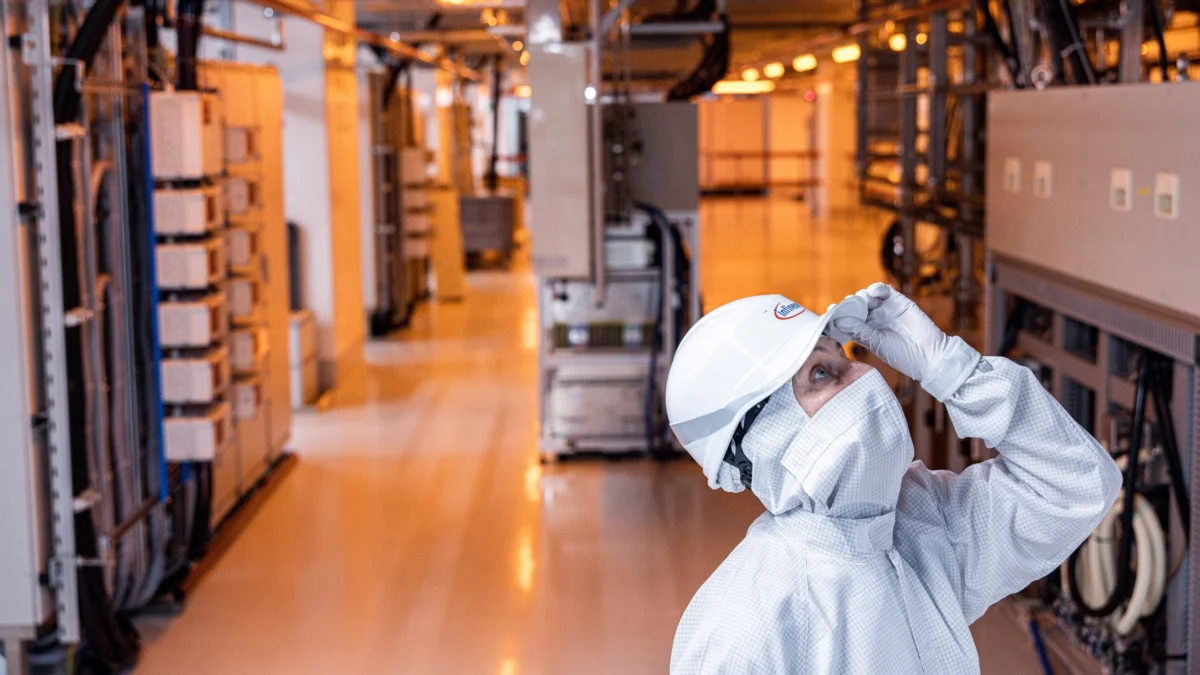
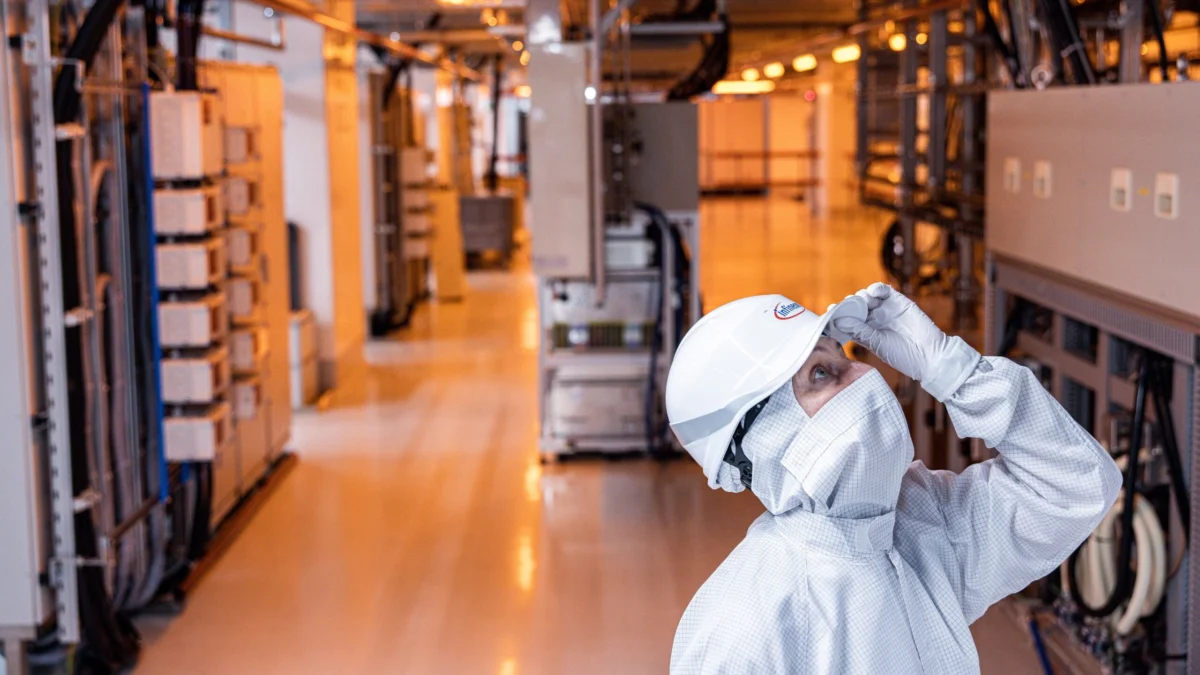
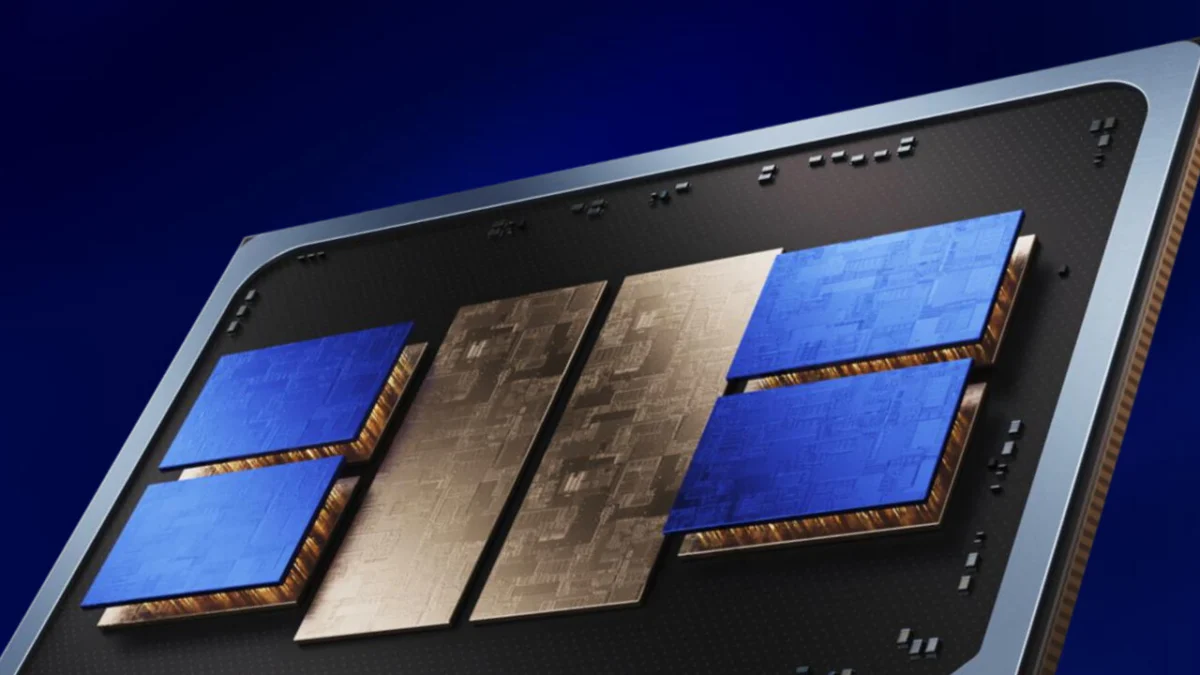
Merz began his visit in the IHP’s high-frequency laboratory, a space dedicated to the testing and validation of next-generation microchips. Here, researchers demonstrated the sophisticated functionality of chips designed to handle high-speed data transmission—a prerequisite for 6G and autonomous driving technologies. The discussions centered on the precision engineering required to make these chips not only fast but energy-efficient, a major challenge in modern microelectronics.
Midday: The Sensor Innovation Showcase
The highlight of the visit was a practical demonstration of a sensor chip capable of performing rapid liquid analysis. In a move that underscored the practical application of this research, Merz engaged directly with the technology, inserting a test solution into a laser-based diagnostic device.
The demonstration raised a pertinent question from the CDU leader: "When is this product market-ready?" The scientists responded with a timeline suggesting prototype deployment by next year, with the ultimate goal of utilizing the technology for early sepsis detection. This application, if successfully scaled, could revolutionize critical care medicine, potentially saving countless lives by identifying life-threatening infections in minutes rather than hours.
Supporting Data: The Landscape of German Semiconductor Research
Germany’s semiconductor sector is supported by a robust ecosystem of research institutions, including the Fraunhofer Society and the Leibniz Association. The IHP, in particular, focuses on silicon-germanium technologies, which are essential for high-speed wireless communications and radar sensors.
Current data indicates that while Germany leads in research and development (R&D) expenditure as a percentage of GDP compared to many EU peers, the "valley of death"—the gap between successful research prototypes and mass production—remains a persistent hurdle.
- R&D Investment: Germany remains a top-tier spender in high-tech research, yet the transition to commercialization often faces regulatory and capital-intensive bottlenecks.
- The "Chip Act" Context: The European Chips Act, which seeks to double the EU’s share of global chip production to 20% by 2030, provides a backdrop for these discussions. Institutions like the IHP are seen as vital "nodes" in this wider network of European resilience.
- Talent Pipeline: A critical metric for success is the retention and training of specialized engineers. Frankfurt (Oder) serves as a strategic hub, balancing high-level research with regional industrial development.
Official Responses and Political Implications
The visit was marked by a convergence of views on the necessity of high-tech investment. While political debates often focus on fiscal constraints, the consensus regarding semiconductor technology is clear: it is a non-negotiable investment.
The CDU Perspective
Friedrich Merz’s presence in Frankfurt (Oder) signals a clear priority for the CDU’s platform: industrial modernization. By emphasizing the "Hightech Agenda," Merz is positioning his party as the champion of German engineering prowess, advocating for reduced bureaucracy and enhanced incentives for private-public partnerships to bridge the commercialization gap.
The Scientific Perspective
Representatives from the IHP emphasized that while funding is crucial, the long-term success of these projects depends on stable research environments and consistent cross-border cooperation. The shift from a research-focused model to an industry-integrated model requires not just capital, but a structural shift in how intellectual property is managed and licensed in Germany.
Implications: The Road to Technological Sovereignty
The visit by the opposition leader to a site of such technical sophistication carries several long-term implications for Germany’s economic strategy.
1. The Decentralization of Innovation
Frankfurt (Oder), located on the border with Poland, represents a move toward de-risking and spreading industrial development across Germany. By investing in these regions, the government aims to stimulate local economies while ensuring that the high-tech sector is not confined to traditional industrial hubs like Munich or Stuttgart.
2. The Medical-Industrial Nexus
The potential application of microchips in medical diagnostics (such as the sepsis-testing chip) highlights the convergence of biotechnology and electronics. This "med-tech" sector is a high-growth area where Germany has a comparative advantage. The integration of silicon sensors into diagnostic tools suggests that the future of microelectronics lies as much in healthcare as it does in telecommunications.
3. Resilience Through Specialization
Germany cannot compete with the sheer volume of mass-market chip production seen in East Asia. Instead, the strategy at the IHP emphasizes high-value, specialized components—"niche" excellence. By owning the intellectual property for these specialized sensors and high-frequency chips, Germany can maintain its position in the global value chain even if it does not produce the most basic memory chips.
Conclusion: The Path Forward
The visit of Friedrich Merz to the Leibniz-Institut for innovative Mikroelektronik underscores a vital reality: Germany’s economic future is being built in laboratories, one silicon wafer at a time. The transition of these technologies from the controlled environment of a high-frequency lab to the chaotic, competitive reality of the global market remains the ultimate test.
As the scientists in Frankfurt (Oder) continue their work on everything from 6G connectivity to life-saving medical sensors, the message from the political establishment is one of cautious optimism. There is an acknowledgment that the "German model" of engineering, long synonymous with automotive and mechanical prowess, is successfully pivoting to the digital age.
However, the success of this transition will depend on more than just the quality of the research. It will require a sustained commitment to infrastructure, a streamlining of the regulatory framework for startups, and a willingness to embrace the risks inherent in deep-tech commercialization. As Merz left the facility, the unspoken takeaway was clear: the technology exists, the expertise is present, and the urgency is felt. The next step is to ensure that when the "market-ready" date arrives, the German industry is prepared to scale, manufacture, and lead.
In the final analysis, Germany’s pursuit of microchip self-reliance is a litmus test for its broader industrial strategy. If the nation can successfully move its most innovative research into mass production, it will secure not only its economic future but its place as a cornerstone of the global high-tech order for the coming decades.