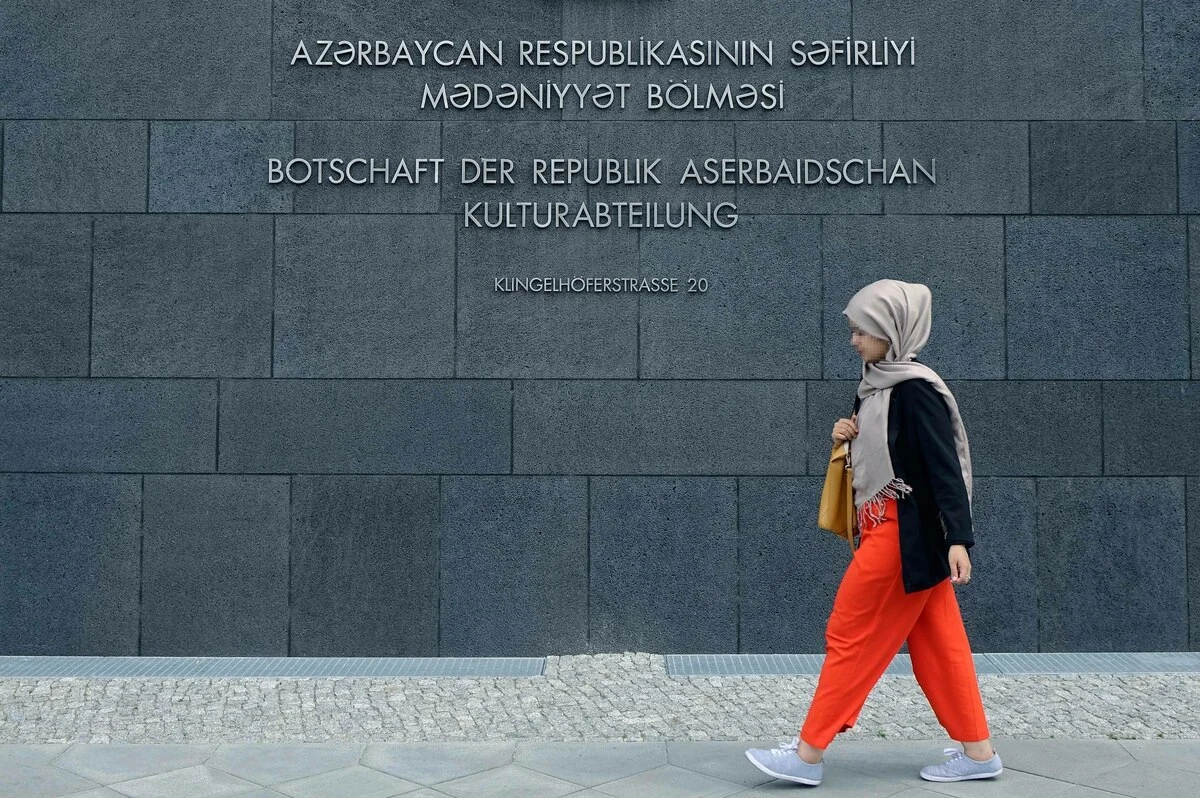
In the corridors of schools across Azerbaijan, a quiet but profound conflict is unfolding—one that pits the individual rights of young students against the rigid, top-down control of a secular state. What began as a series of administrative adjustments to school uniform policies has morphed into a significant human rights crisis, leading to the exclusion of students from classrooms, the detention of concerned parents, and a diplomatic spat that reaches as far as Ankara.
While the government in Baku frames its actions as a defense of the country’s secular identity, observers and human rights advocates argue that the motivation is far more cynical: the suppression of any social movement or expression of identity that exists outside the direct purview of the state.
The Chronology of the Crackdown
The current escalation can be traced back to September 21, when the Cabinet of Ministers in Azerbaijan issued a sweeping decree regarding school uniforms. Under the guise of maintaining an "orderly and secular educational environment," the government tightened existing regulations, effectively granting school administrators the power to prohibit any clothing that deviates from the mandated uniform—a move specifically targeting the hijab.
The impact was immediate. By early October, as the school year settled into its routine, the first reports of exclusion began to emerge. School principals, acting under the new directive, denied entry to students wearing the headscarf. What followed was a ripple effect of resistance. Parents, alarmed by their children’s sudden exclusion from the educational system, began to organize, sharing their experiences and documenting the administrative overreach on social media platforms.
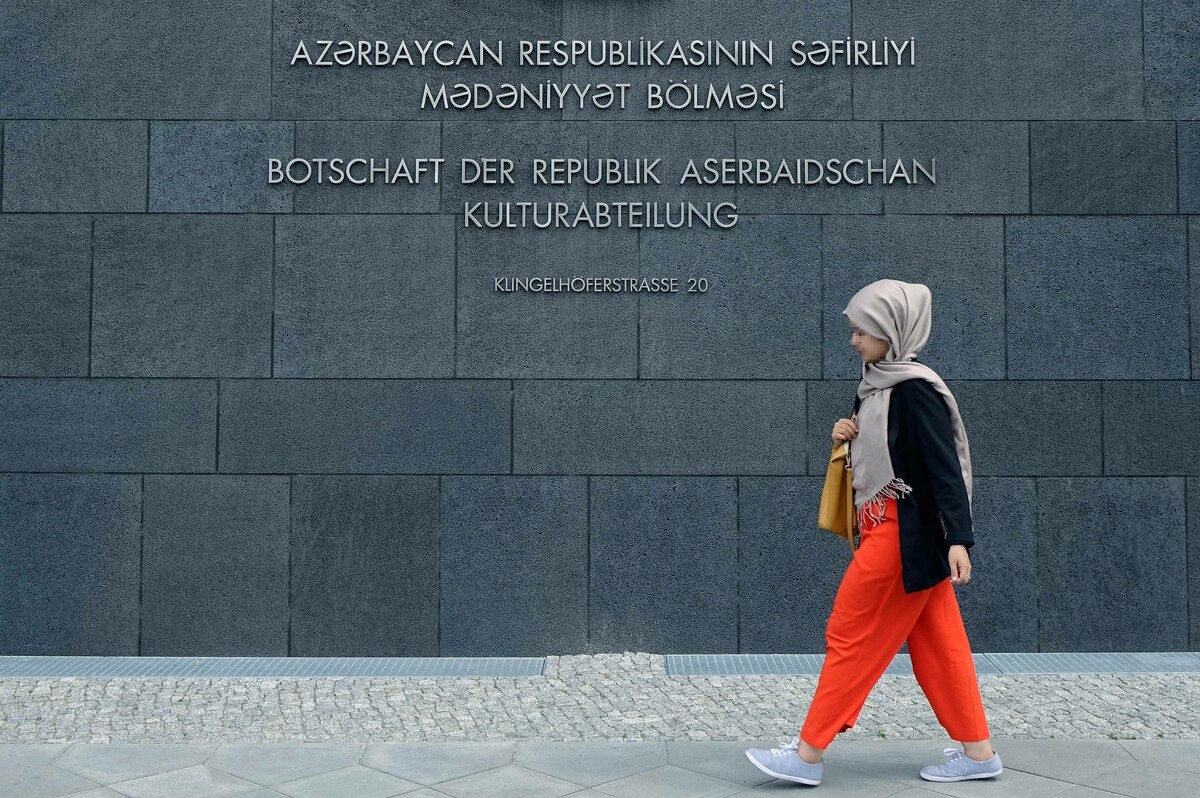
The state’s response was swift and uncompromising. Rather than engaging in dialogue, the authorities framed the protests as a threat to public order. By mid-October, the Ministry of Internal Affairs reported that 37 individuals had been detained in connection with "massenunruhen" (mass disturbances). The crackdown extended beyond mere arrests; reports indicate that parents were summoned for aggressive police interrogations, and several individuals were placed under three-month house arrest.
This is not the first time the headscarf has been a flashpoint in Azerbaijan. The struggle has a history dating back to at least 2010, culminating in a violent police suppression of a protest in front of the Ministry of Education in May 2011. The current climate, however, suggests an even more intense desire by the administration of President Ilham Aliyev to consolidate its influence over the public sphere.
Secularism vs. Societal Autonomy: The Data
To understand the friction, one must look at the demographics. Azerbaijan is a country where, according to official and demographic estimates, approximately 96 percent of the population identifies as Muslim. Despite this overwhelming religious majority, the state maintains a strictly enforced secularism, often inherited from the Soviet era and maintained as a pillar of the ruling party’s ideology.
There is, however, a complete vacuum of official data regarding the actual number of students or teachers who wear the hijab. By failing to provide transparency, the government renders the affected population invisible, making it easier to characterize their personal choices as an organized political threat rather than a widespread social practice.

The new regulations also target the teaching staff. By implementing rigid dress codes for educators, the state has effectively created a system where religious expression is grounds for professional termination. This double-pronged approach—targeting both the future generation and those responsible for their instruction—demonstrates the depth of the state’s intervention in the private lives of its citizens.
The Diplomatic Friction: Baku and Ankara
The controversy has transcended national borders, drawing sharp criticism from Turkey, a country that has historically maintained close ties with Azerbaijan. The diplomatic tension became palpable when demonstrations were held in front of the Azerbaijani Embassy in Ankara.
Oktay Saral, a senior advisor to Turkish President Recep Tayyip Erdoğan, took to social media platform X to express his indignation. "Which conscience, which sense of justice allows for denying a girl access to school simply because she covers her hair out of religious conviction?" he asked.
This intervention was met with cold fury in Baku. The ruling New Azerbaijan Party (YAP) issued a scathing rebuttal, labeling the comments from Turkish officials as "populist and irresponsible." Baku accused their Turkish counterparts of attempting to instrumentalize religious issues to exert political pressure on the Azerbaijani state. This rare public friction between the two allies highlights the volatility of the issue; even the "one nation, two states" mantra is strained when the core ideologies of domestic governance collide.

The Deeper Implications: Why Now?
Why does the Azerbaijani state perceive a headscarf on a schoolgirl as a threat to its existence? According to the prominent Azerbaijani historian Altay Göyüşov, the answer lies in the government’s acute fear of any independent societal force.
Over the past decade, the Aliyev administration has systematically dismantled the secular opposition and neutralized the independent civil society. By clearing the political playing field, the government has created a void. The state’s current paranoia, as Göyüşov suggests, is that the political Islam movement—or even the mere potential for one—could move to fill this void.
In this context, the hijab is not being treated as a piece of clothing, but as a symbol of independent identity. If a girl can choose to wear a headscarf in defiance of a government directive, the state perceives a failure in its total control. If parents can organize protests, the state perceives an emergent political cell. The ban, therefore, is a test of the state’s ability to enforce its will within the most intimate social spheres.
A Future Under Siege
The current crackdown is a symptom of a broader, more systemic issue: the lack of democratic space in Azerbaijan. When a state begins to legislate the appearance of its citizens, it is no longer merely protecting its secular character; it is engaging in an authoritarian project of social engineering.

For the girls who are currently being turned away from their classrooms, the issue is not about the abstract concept of secularism—it is about their right to an education and their right to exist in the public sphere without stripping away their identity.
The international community, including human rights observers and regional powers, remains largely divided. While some argue that secularism is essential for regional stability and the containment of religious extremism, others maintain that such stability is a facade built on the systematic repression of basic human rights.
As the government continues to exert pressure, the situation in Azerbaijan serves as a stark reminder of the fragile balance between national security and personal liberty. The divide is no longer simply between the religious and the secular; it is between a state that demands total submission and a society that is increasingly, if quietly, attempting to define its own terms of existence.
Whether the government can maintain this level of control in the long term remains an open question. History, however, suggests that when a state turns its focus to the policing of its youth and their clothing, it often signals a regime that is far more insecure than it would have the world believe. The struggle in Azerbaijan is a manifestation of an authoritarian state’s deep-seated anxiety: the fear that no matter how many laws are passed or how many people are detained, it can never fully command the hearts and minds of its people.