Riyadh, Saudi Arabia – A surge in missile and drone attacks by the Iran-aligned Houthi militia on Saudi Arabia has triggered a heightened security alert across the Gulf region, compelling the United States to order the departure of non-essential diplomatic staff and their families from its embassy in Riyadh and other regional capitals. The escalating aggression, which has targeted critical infrastructure and civilian areas, underscores the perilous spillover of the Yemeni civil war and its profound implications for regional stability, global energy markets, and international investment.
The latest wave of violence culminated in a deadly assault on King Fahd International Airport in Dammam, a vital hub in Saudi Arabia’s oil-rich Eastern Province. The attack, which claimed the life of one Saudi resident and injured eight others, inflicted tangible damage on the airport, serving as a stark reminder of the Houthis’ expanding operational reach and their capacity to disrupt daily life and economic activity within the Kingdom. This incident, alongside a series of near-daily incursions, has forced Washington to recalibrate its diplomatic presence and underscored the urgent need for a robust international response to the protracted conflict.
Main Facts: A Region Under Siege
The gravity of the security situation became acutely clear when the U.S. government issued a directive for the immediate departure of non-emergency personnel from its embassy in Riyadh, the Saudi capital. This precautionary measure extended to their family members, reflecting growing concerns about the safety of American citizens amid the intensifying Houthi offensive. Furthermore, the advisory encompassed the families of U.S. embassy staff in several other strategically important Gulf nations, including the United Arab Emirates, Jordan, Qatar, and Bahrain, signaling a broader assessment of elevated risk across the Arabian Peninsula. Tommy Pigott, a spokesperson for the U.S. State Department, publicly confirmed the evacuation order via social media platform X, emphasizing that the measure was "solely for non-emergency U.S. government employees and their family members in Saudi Arabia" and prioritizing the "safety and security" of its personnel.
The direct impact of the Houthi aggression was tragically demonstrated at King Fahd International Airport in Dammam. Authorities confirmed that the attack resulted in the death of one individual, identified as a resident of the Kingdom, and left eight others hospitalized with injuries. The Saudi Civil Aviation Authority also reported material damage to the airport’s infrastructure, highlighting the destructive potential of the incoming projectiles. In response, the Saudi-led military coalition, which has intervened in Yemen since 2015, announced the successful interception of four drone attacks specifically targeting the Eastern Province. These defensive operations are part of an ongoing effort to thwart the Houthis’ relentless campaign of cross-border assaults.
The Dammam airport attack followed closely on the heels of another significant incident earlier in the week, where an assault on a Saudi oil facility resulted in two fatalities. These incidents collectively illustrate the increasing frequency and lethality of the Houthi attacks, which have targeted a range of sites including critical energy infrastructure, civilian airports, and residential areas, consistently pushing the Kingdom and its allies to react to a complex and evolving threat landscape.
Chronology of Aggression: A Pattern of Escalation
The recent spike in Houthi attacks is not an isolated phenomenon but rather the latest chapter in a protracted conflict that has its roots in the Yemeni civil war, which erupted in 2014. The Houthis, a Zaydi Shia Islamist political and armed movement, seized control of Sana’a, Yemen’s capital, in 2014, prompting the intervention of a Saudi-led coalition in March 2015 to support the internationally recognized government. Since then, the conflict has devolved into a brutal proxy war, with the Houthis consistently targeting Saudi Arabia and, less frequently, the United Arab Emirates, with an arsenal of drones, ballistic missiles, and cruise missiles.
The beginning of the current month marked a distinct intensification of these cross-border assaults, with Saudi Arabia reporting near-daily incursions. This pattern of escalation highlights the Houthis’ strategic objective of inflicting economic pain, undermining Saudi security, and pressuring the international community to acknowledge their legitimacy.
Key Incidents and Milestones in Houthi Aggression against Saudi Arabia:
- 2015-2019: Early Missile Attacks and Civilian Targets: From the early stages of the intervention, the Houthis began launching rudimentary rockets and missiles across the border. These initial attacks often targeted Saudi border towns and military installations. Over time, their capabilities improved, allowing them to strike deeper into Saudi territory, including cities like Khamis Mushait and Jizan, often hitting civilian infrastructure.
- May 2019: Drone Attacks on Oil Pipelines: A significant escalation occurred with drone attacks on two Saudi Aramco oil pumping stations deep inside the Kingdom, briefly disrupting crude flows. This demonstrated an increased sophistication in Houthi targeting capabilities and a willingness to hit vital energy infrastructure.
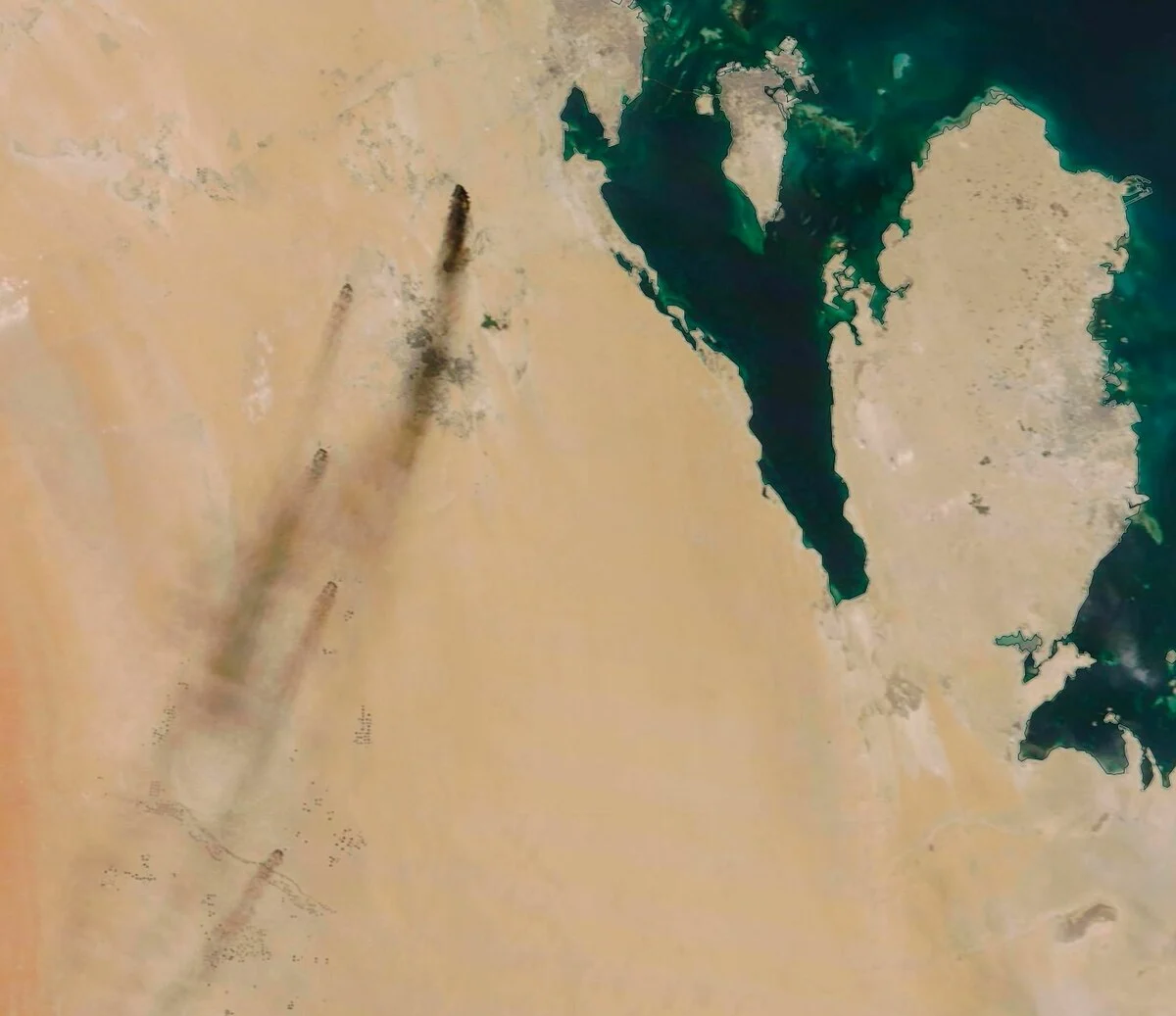
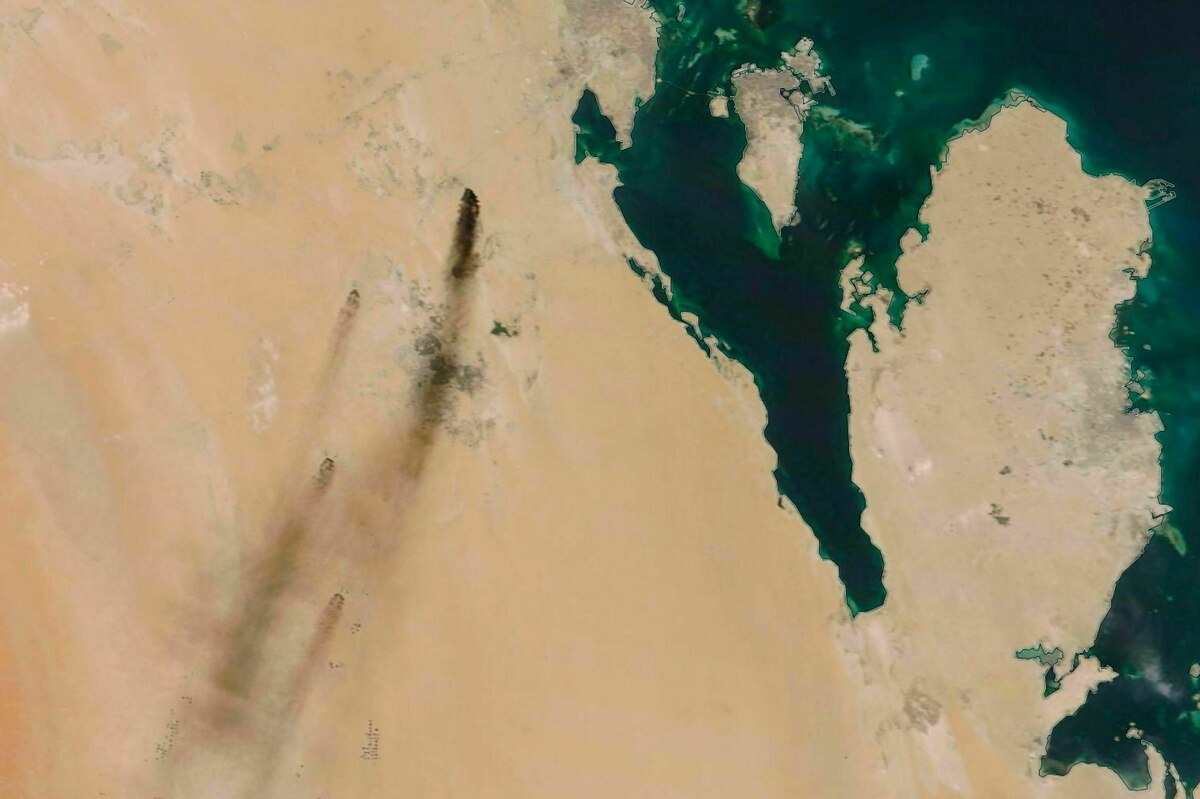
- September 2019: Abqaiq and Khurais Attacks: This was arguably the most significant Houthi attack to date. Drones and missiles struck the Abqaiq oil processing facility and the Khurais oil field, temporarily halving Saudi Arabia’s oil output and sending shockwaves through global energy markets. While the Houthis claimed responsibility, the U.S. and Saudi Arabia largely attributed the attack to Iran, highlighting the complex dynamics of regional proxy warfare.
- 2020-2021: Continued Barrages on Civilian Airports and Cities: Throughout these years, airports like Abha International Airport became frequent targets of Houthi drone and missile attacks, causing injuries and flight disruptions. Residential areas in Saudi cities were also repeatedly hit, underscoring the indiscriminate nature of some of the assaults and their devastating impact on civilian populations.
- October 2021: Renewed Focus on Riyadh and Eastern Province: The current wave of attacks, including the claims of targeting Riyadh International Airport (though Saudi Arabia reported intercepts without significant damage or casualties on specific dates often claimed by Houthis, the intent and frequency of these claims themselves contribute to regional instability), and the confirmed attack on Dammam’s King Fahd Airport, signifies a persistent and evolving threat. The targeting of Dammam, deep in the Eastern Province, indicates an expanded range and a clear intention to strike at the heart of Saudi Arabia’s economic engine.
This consistent pattern of aggression underscores the Houthis’ tactical evolution, their alleged access to increasingly sophisticated weaponry – often attributed to Iranian backing – and their unwavering resolve to challenge Saudi Arabia’s security posture. The repeated attacks have not only caused casualties and damage but have also instilled a pervasive sense of insecurity, impacting everything from daily commerce to large-scale investment initiatives within the Kingdom.
Supporting Data and Strategic Significance
The targets chosen by the Houthi militia are far from arbitrary; they are strategically selected to maximize impact on Saudi Arabia’s economy, infrastructure, and national morale. The targeting of Dammam, specifically King Fahd International Airport, carries immense significance. Dammam is the gateway to Saudi Arabia’s Eastern Province, the heartland of the Kingdom’s vast oil and gas reserves. This region is home to major oil fields, processing facilities, and export terminals, making it a cornerstone of global energy supply. An attack here, especially on an international airport, directly threatens the movement of goods, personnel, and investment crucial for the smooth operation of the world’s largest oil exporter. Such incidents inevitably introduce an element of risk premium into global oil prices and can disrupt supply chains.

The Houthi’s capabilities have evolved significantly over the years, from basic rockets to sophisticated drones and ballistic missiles. Analysts suggest that this technological advancement is largely due to Iranian support, providing the Houthis with advanced training, components, and potentially fully assembled systems. These drones, often difficult to detect and intercept, can travel hundreds of kilometers, allowing the Houthis to strike deep into Saudi territory. The sheer volume and frequency of these attacks present a considerable challenge for even advanced air defense systems, such as the U.S.-supplied Patriot missile batteries, as intercepting numerous low-flying, swarming drones is a complex and costly endeavor.
Beyond the immediate damage and casualties, the attacks carry significant geopolitical weight. They serve as a constant reminder of Iran’s regional influence through its proxies and its ability to destabilize strategic waterways and energy hubs. For Saudi Arabia, these attacks are an assault on its sovereignty and a direct challenge to its Vision 2030 economic diversification plan, which relies heavily on attracting foreign investment and projecting an image of stability and modernity. The perception of heightened risk can deter investors and undermine confidence in the Kingdom’s long-term economic prospects.
The ongoing conflict also has a devastating humanitarian dimension within Yemen. The protracted civil war has led to one of the world’s worst humanitarian crises, with millions facing starvation, displacement, and disease. While the Houthi attacks on Saudi Arabia are a significant aspect of the conflict’s spillover, it is crucial to remember the immense suffering within Yemen itself. The cycle of violence, retaliatory strikes, and blockades only exacerbates the dire situation for the Yemeni population, making a political resolution even more elusive. The international community often grapples with how to address Houthi aggression without further penalizing the Yemeni people or undermining efforts to deliver humanitarian aid.
Official Responses and Diplomatic Maneuvers
The escalating Houthi aggression has elicited a range of responses from key international and regional actors, highlighting the complex web of alliances and geopolitical interests at play.
United States: The U.S. State Department’s decision to order the partial evacuation of its diplomatic presence underscores its commitment to the safety of its personnel, but also reflects a broader reassessment of the security environment in the Gulf. While the Biden administration had initially reversed the Trump-era designation of the Houthis as a Foreign Terrorist Organization (FTO) in an effort to facilitate humanitarian aid to Yemen, the continued and escalating attacks on Saudi Arabia have reignited calls for re-listing. The U.S. has consistently affirmed its commitment to Saudi Arabia’s security, providing military support and intelligence sharing, but also urges de-escalation and a political settlement to the Yemeni conflict. The recent attacks place pressure on Washington to balance its humanitarian concerns with its strategic alliance with Riyadh.

Saudi Arabia: The Kingdom has condemned the Houthi attacks as acts of terrorism and asserted its right to self-defense. The Saudi-led coalition regularly reports on its interception efforts and retaliatory strikes against Houthi targets within Yemen, often emphasizing the destruction of missile and drone launch sites. Riyadh consistently calls on the international community to take a firmer stance against Houthi aggression and their Iranian benefactors, arguing that the militia’s actions threaten regional and global stability. The attacks are seen by Saudi Arabia as a direct challenge to its national security and a deliberate attempt to undermine its economic and developmental aspirations.
France and European Engagement: In an unexpected diplomatic move, French President Emmanuel Macron made a surprise visit to Riyadh during his broader tour of the Middle East. He met with Saudi Crown Prince Mohammed bin Salman, signaling a potential deepening of European engagement in the region. The Élysée Palace announced that France and Saudi Arabia had agreed on an extension of additional diesel supplies to France, highlighting economic cooperation amidst global energy concerns. Macron’s visit can be interpreted as an effort to strengthen bilateral ties, discuss regional security challenges, and potentially explore avenues for de-escalation or political mediation, even as Houthi attacks persist. European nations, while often critical of Saudi Arabia’s human rights record, recognize the Kingdom’s critical role in global energy markets and regional security.
Iran: While Iran consistently denies direct involvement in Houthi attacks, its rhetorical support for the Houthis and the alleged provision of advanced weaponry are undeniable factors in the conflict. The attacks on Saudi Arabia serve Tehran’s strategic interest by keeping Riyadh bogged down in a costly conflict, demonstrating Iranian influence through proxies, and potentially disrupting global oil flows, thereby creating leverage in broader geopolitical negotiations. The Houthi aggression is often viewed as a key component of Iran’s "axis of resistance" strategy in the Middle East.
International Community: The United Nations and various international bodies have repeatedly called for a comprehensive ceasefire and a political resolution to the Yemeni conflict, which they acknowledge as the root cause of the regional instability. However, efforts to broker lasting peace have been largely unsuccessful, with both sides often blaming each other for hindering negotiations. The ongoing attacks underscore the fragility of any ceasefires and the immense challenges in bringing all parties to the negotiating table for a durable solution.
Implications: Economic, Security, and Regional Stability
The persistent Houthi attacks carry profound implications across economic, security, and broader regional stability fronts, challenging the established order and forcing re-evaluations by international actors.

Economic Impact:
The most immediate economic casualty of the heightened insecurity has been the cancellation of Saudi Arabia’s flagship "Future Investment Initiative" (FII) conference, often dubbed "Davos in the Desert." This prestigious forum, brainchild of Crown Prince Mohammed bin Salman, is a cornerstone of his Vision 2030 strategy, designed to attract global investors and diversify the Kingdom’s oil-dependent economy. The cancellation, reportedly due to the "uncertain situation," sends a chilling message to the international business community. It directly impacts investor confidence, raising questions about the security premium associated with doing business in Saudi Arabia and potentially deterring foreign direct investment, which is crucial for the success of Vision 2030. Furthermore, repeated attacks on oil facilities and infrastructure inherently introduce volatility into global oil prices, creating uncertainty for energy markets worldwide. Any perceived threat to Saudi Arabia’s ability to supply oil can lead to price spikes, impacting consumers and economies globally.
Security Implications:
The frequency and reach of Houthi drone and missile attacks pose an unprecedented security challenge for Saudi Arabia and its allies. The targeting of civilian airports, residential areas, and critical energy infrastructure demonstrates a clear intent to inflict maximum disruption and casualties. This necessitates a continuous and expensive defensive effort, diverting resources that could otherwise be used for development. The attacks also highlight the limitations of even advanced air defense systems against sophisticated drone swarms or low-flying cruise missiles, raising concerns about the security of international travel and commerce throughout the Gulf region. The potential for miscalculation or accidental strikes on international shipping or aircraft also increases the risk of a wider regional conflagration.
Regional Dynamics and Stability:
The escalating Houthi aggression exacerbates existing tensions in the Middle East, particularly the proxy rivalry between Saudi Arabia and Iran. The attacks are seen as a direct extension of Iran’s strategy to project power and influence through non-state actors, further entrenching the region’s geopolitical divisions. The ongoing conflict in Yemen, from which these attacks emanate, remains a bleeding wound that drains resources and fuels instability. The U.S. and Saudi Arabia’s relationship, already navigating complex dynamics related to human rights and energy policy, is further tested by these security threats. While the U.S. reaffirms its commitment to Saudi defense, there is an ongoing debate within Washington about the efficacy and ethical implications of its involvement in the Yemeni conflict.
Ultimately, the persistent Houthi attacks underscore the urgent need for a sustainable political solution in Yemen. Without addressing the root causes of the conflict and fostering a credible peace process, the spillover effects will continue to destabilize the broader Gulf region, jeopardize global energy security, and exact a devastating human and economic toll. The current situation demands a coordinated international diplomatic effort that combines robust security measures with genuine engagement towards a comprehensive and inclusive peace settlement.