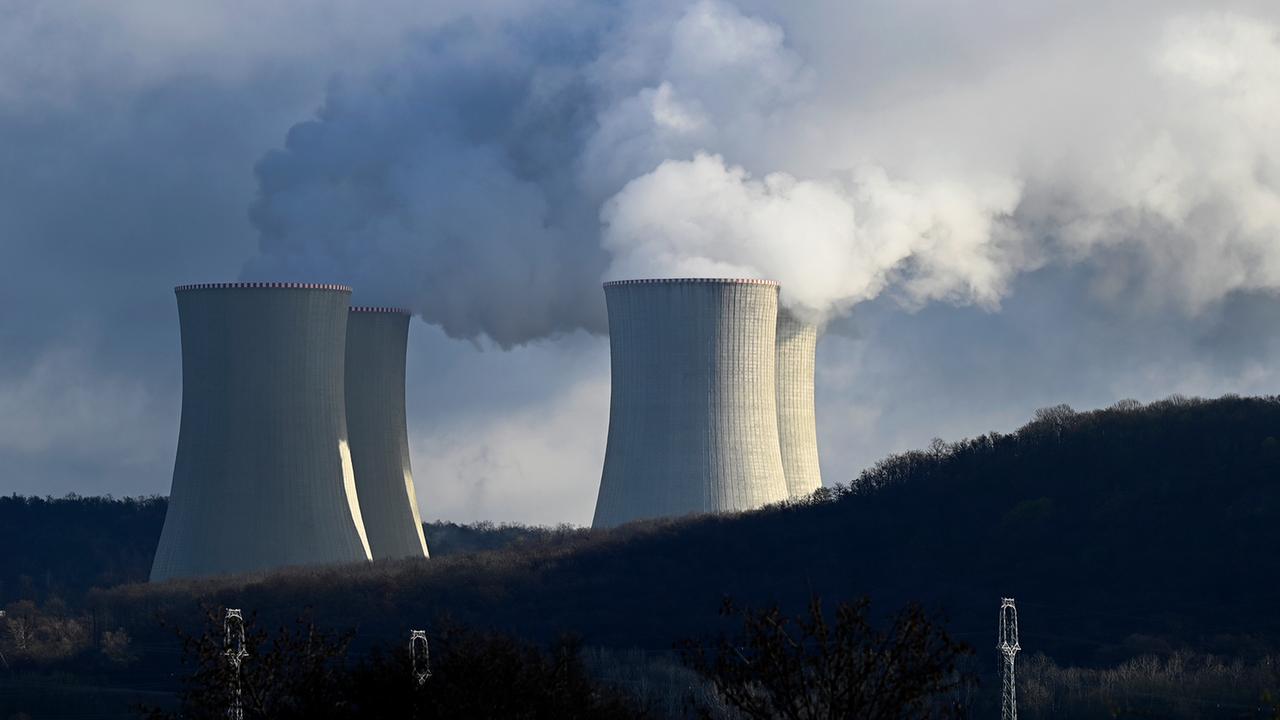
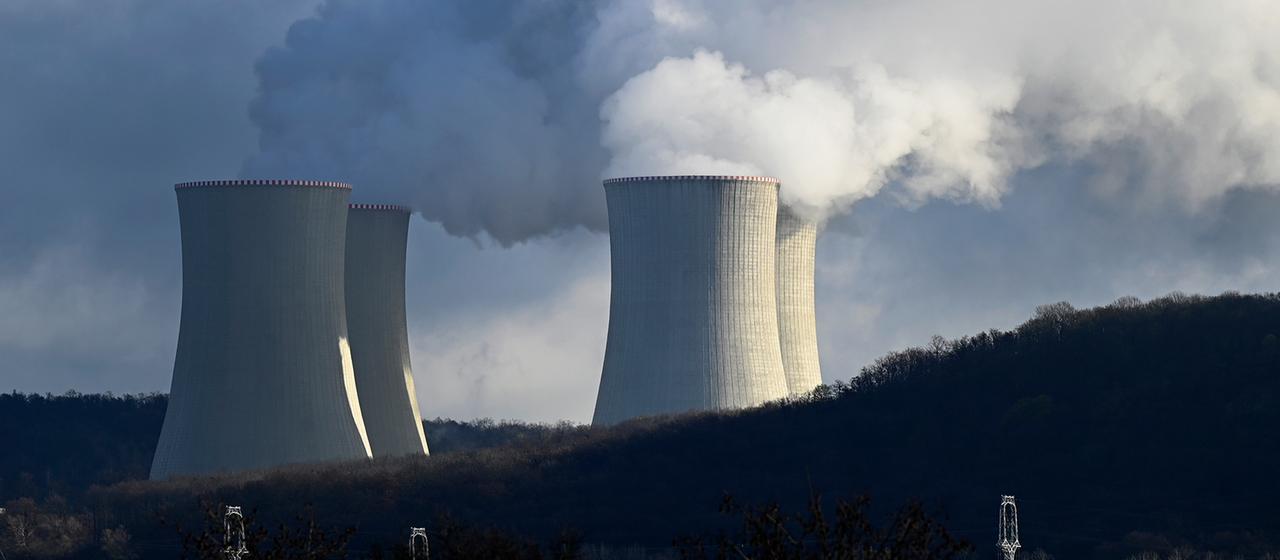
Bratislava, Slovakia – October 20, 2026 – The Slovak Republic has marked a significant milestone in its energy strategy, officially bringing its fourth nuclear reactor online at the Mochovce power plant. This momentous occasion, achieved in August with the reactor reaching criticality and commencing power generation in mid-October, propels Slovakia to the forefront of global nuclear energy reliance. With this new addition, the nation is poised to become the country with the highest proportion of nuclear power in its energy mix worldwide. Furthermore, Prime Minister Robert Fico has already signaled ambitious plans for the construction of an entirely new, large-scale nuclear facility, underscoring a decisive commitment to a nuclear-powered future.
The activation of the Mochovce Unit 4 reactor represents the culmination of a project that has been decades in the making, fraught with delays and significant cost overruns. However, the Slovak government and energy authorities are framing this as a triumph of national ambition and a crucial step towards energy independence and climate-friendly power generation.
Main Facts: A New Era for Slovak Nuclear Power
The newly commissioned reactor at Mochovce, a pressurized water reactor (PWR) based on Soviet-era technology, adds a substantial 471 megawatts (MW) of generating capacity to Slovakia’s grid. Once operating at full capacity, it is projected to contribute approximately 13% of the country’s annual electricity consumption. This substantial contribution, coupled with the output from its existing nuclear facilities, will dramatically increase the share of nuclear energy in Slovakia’s overall electricity supply.
Branislav Strycek, the head of Slovak Power Holdings (SE), proudly declared Slovakia’s ascension to "nuclear power status." He highlighted that out of the four new nuclear reactor blocks commissioned in Europe over the past two decades, two are now operational in Slovakia. This achievement, according to Strycek, demonstrates that even smaller nations can undertake monumental infrastructure projects, positioning the Mochovce expansion as one of the largest such endeavors on the continent.
Prime Minister Robert Fico has been an ardent proponent of this nuclear expansion, emphasizing its role in enhancing energy security and reducing reliance on fossil fuels, particularly Russian oil and gas. With coal-fired power plants phased out, Slovakia remains dependent on imports for oil and gas, making domestic, low-carbon energy sources a strategic imperative.
Chronology of a Long and Winding Road
The journey to bringing Mochovce Unit 4 online has been remarkably protracted. Construction of the reactor began in 1987 during the socialist era. However, work was halted and the project lay dormant for an extended period until 2008, when efforts to complete the facility were resumed.
The preceding unit, Mochovce Unit 3, was connected to the grid significantly later than originally planned, facing its own set of delays. The combined cost of these two reactor units has more than doubled from initial estimates, reaching a staggering 6.7 billion euros.
The fuel for these reactors, while the technology is based on Soviet designs, is currently sourced from Russia. However, Slovakia is exploring future collaborations with Western companies like the U.S.-based Westinghouse and France’s Framatome for both reactor technology and fuel supply. Notably, Framatome’s plans for nuclear fuel production, which may involve a Russian component, are slated for a facility in Lingen, Germany, a prospect that has already drawn significant criticism from environmental groups in that region.
Supporting Data: The Shifting Energy Landscape
Slovakia’s commitment to nuclear power is underscored by compelling statistics. Currently, nuclear energy already accounts for over 70% of the country’s electricity production. With the addition of Mochovce Unit 4, this figure is set to climb even higher, surpassing the current nuclear share in France, a nation long considered a benchmark for nuclear energy reliance.
The Slovak government has expressed its intent to further solidify this leadership position. Prime Minister Fico has indicated plans for a new, large-scale nuclear power plant at the Jaslovske Bohunice site, with a projected capacity of 1,200 MW, envisioned for operation after 2040. This ambitious project, reportedly intended to be awarded to Westinghouse without a competitive tender, has already sparked controversy and drawn criticism from opposition parties.
The decision to pursue this new plant without a tender process has raised concerns about transparency and cost-effectiveness. Critics point to Slovakia’s significant national debt and the implementation of unpopular austerity measures, questioning the fiscal prudence of such a large, unbid-upon project.
The government’s commitment to this new nuclear endeavor is further evidenced by its acquisition of the project company for the new AKW. Overcoming reservations from its own Ministry of Economy, Prime Minister Fico orchestrated the full state acquisition of the project company, repurchasing shares from the Czech energy firm CEZ for 189 million euros. This move consolidates state control over the future nuclear development.
Official Responses: Confidence and Ambition
Branislav Strycek, CEO of the Slovak Power Holdings, articulated a strong sense of national pride and accomplishment. "Slovakia is proving that even a smaller nation can achieve great things," he stated, emphasizing the scale and complexity of the Mochovce expansion. He described the project as "one of the largest infrastructure projects in Europe," a testament to the country’s engineering and project management capabilities.
Marta Ziakova, the head of the Slovak Atomic Regulatory Authority, acknowledged past challenges. She candidly admitted that the commissioning of Mochovce Unit 3 had encountered issues, citing "workmanship errors and material defects" that led to testing and operational glitches. However, she expressed confidence in the lessons learned from that experience. "I must say that it went better this time," Ziakova remarked regarding the commissioning of Unit 4, attributing the smoother process to the combined learning of both the operator and the regulatory body. This, she believes, ensured that Unit 4 did not suffer the same delays.
Prime Minister Robert Fico has consistently championed nuclear power as a cornerstone of Slovakia’s energy future. He views the Mochovce expansion as a "milestone on the path to greater energy security and low-emission electricity sources." His pronouncements often highlight Slovakia’s leading position in nuclear energy, even when compared to established nuclear powers. "Significantly more than 70 percent of electricity currently comes from nuclear power. Even in France, that is less now," Fico has stated, reinforcing his belief in Slovakia’s global leadership in this sector. He further expressed conviction that "our further great ambitions for a new nuclear power plant will make us even more attractive as a nuclear country."
Implications: Energy Independence, Environmental Concerns, and Geopolitical Considerations
The significant reliance on nuclear power brings both advantages and potential drawbacks for Slovakia. On the one hand, it offers a pathway to greater energy independence, reducing vulnerability to volatile global fossil fuel markets and the geopolitical influence of energy suppliers. It also aligns with international efforts to decarbonize energy systems and combat climate change, as nuclear power plants do not emit greenhouse gases during operation.
However, the expansion of nuclear power also raises concerns. Environmental groups, particularly in neighboring Austria, have voiced alarm over the increased nuclear presence. The past incidents at Mochovce Unit 3, involving allegations of poor construction quality and material flaws, have fueled these concerns. While Slovak authorities maintain that lessons have been learned, the inherent risks associated with nuclear power – including waste management and the potential for accidents – remain a subject of ongoing debate.
Furthermore, the reliance on Russian-supplied fuel for the current reactors, and potential for future Russian involvement in fuel production for Western-designed reactors, introduces a geopolitical dimension. While Slovakia seeks to diversify its energy sources and partners, the intricate web of international energy relations means that strategic decisions regarding nuclear power can have far-reaching implications.
The government’s pursuit of a new, large-scale nuclear plant without a tender process also raises questions about fair competition and the efficient allocation of public funds. The involvement of entrepreneur Daniel Kretinsky, who currently holds a majority stake in the existing nuclear operator and is reportedly interested in acquiring German energy company Uniper, adds another layer of complexity to the financial and strategic considerations surrounding Slovakia’s energy future. Opposition parties have voiced concerns about potential debt burdens and the preferential treatment of certain business interests.
As Slovakia firmly establishes itself as a global leader in nuclear energy consumption, the nation faces the challenge of balancing its ambitions for energy security and climate action with the imperative for transparency, robust safety standards, and prudent financial management. The coming years will be crucial in determining whether this bold nuclear trajectory proves to be a sustainable and beneficial path for the Slovak Republic.