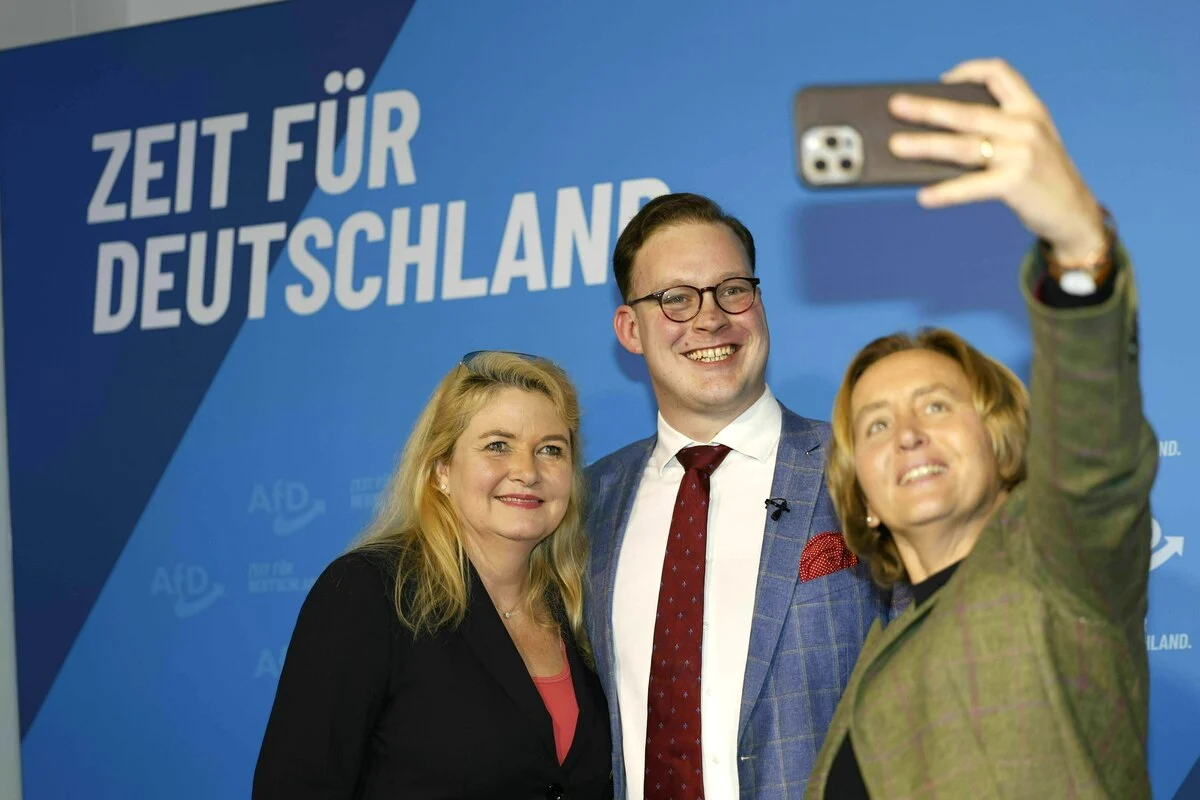
The democratic integrity of the Mecklenburg-Vorpommern Landtag faced a stark, provocative challenge this week as the state parliament convened for its first session of the new legislative period. While the AfD faction attempted to project an image of "de-escalation and objectivity"—even positioning their failed candidate for the Landtag Presidency, Carlos Rodrigues, as a moderate voice—the actions of one of their own members shattered that façade within hours.
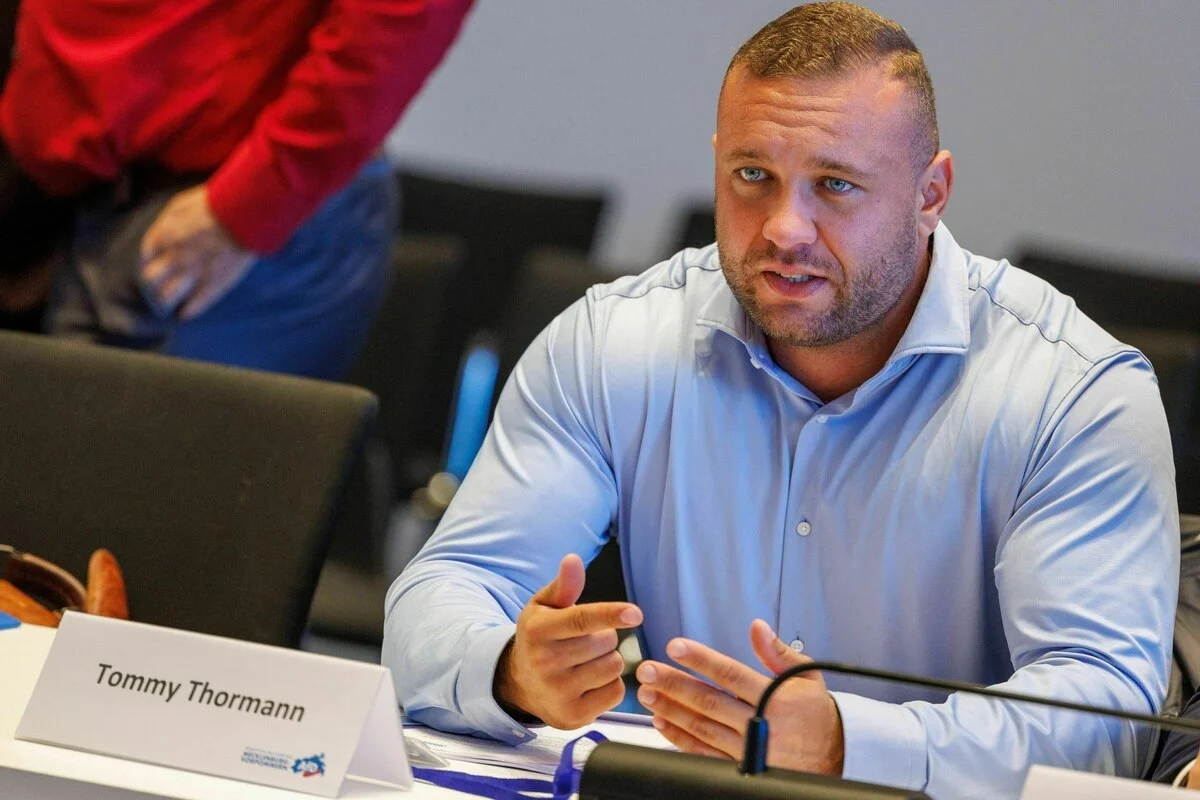
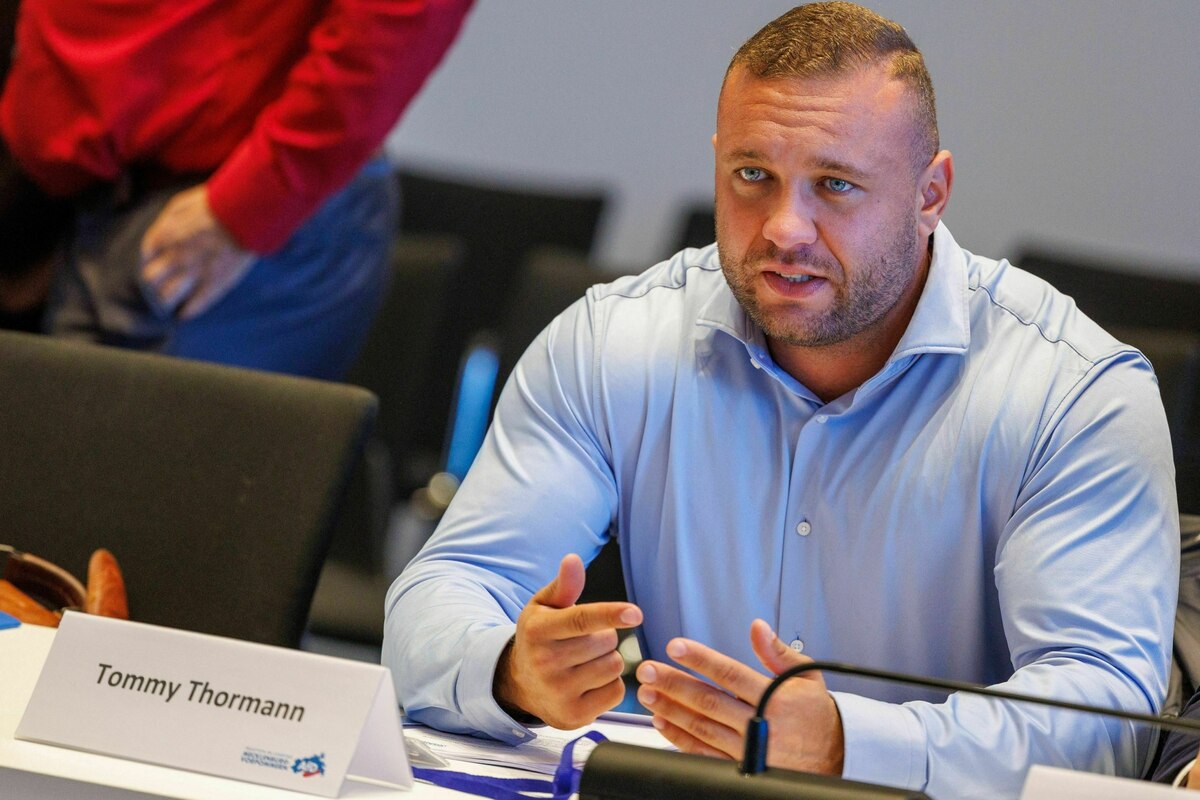
Tommy Thormann, a newly elected AfD parliamentarian and former soldier, utilized his first day in office to broadcast a message that has left democratic factions reeling. In a self-recorded video posted to Instagram, Thormann documented the proceedings from inside the Schweriner Schloss. His tour of the chamber included disparaging remarks about the Green Party and a boastful, celebratory tone regarding his own party’s presence. The video concluded with a deliberate, unmistakable "White Power" gesture directed at the camera—a symbol widely recognized by extremist organizations as a signifier of the alleged supremacy of the "white race."
This incident, occurring at the very heart of the state’s legislative center, has ignited a fierce debate over the limits of parliamentary decorum and the persistent, radicalized influence of the far-right within Germany’s political institutions.
The Chronology of a Provocation
The sequence of events on Tuesday served as a microcosm of the current political tensions in Mecklenburg-Vorpommern. The morning began with the formal opening of the Landtag, a day intended to be a solemn constitutional exercise.
- The Pretense: AfD leadership, including Carlos Rodrigues, sought to frame their entry into the parliament with a narrative of stability, promising that the AfD would act as a "guarantor of de-escalation."
- The Breach: By midday, the reality of the faction’s internal culture was exposed. Tommy Thormann, who has been designated as the AfD’s spokesperson for "left-wing extremism," uploaded a video to his social media channels. The footage shows him walking through the halls of the Landtag, mocking political opponents with the comment, "they are already vomiting," and characterizing his own faction’s presence as "nice and full—that’s how it should be."
- The Gesture: The final seconds of the video feature Thormann making the "OK" hand signal modified to signify the "White Power" white supremacist slogan. By disseminating this footage himself, Thormann ensured that the message was not merely a private indiscretion but a public, defiant act of political theater.
A History of Extremism: The Background of Tommy Thormann
Thormann is not a newcomer to extremist discourse. His career, both inside and outside the military, has been marked by a series of aggressive, anti-democratic statements that have drawn the attention of state intelligence services and political watchdogs.
In May of this year, during a public event in Sassnitz on the island of Rügen, Thormann—a representative of the party’s völkisch (ethno-nationalist) wing—made explicit threats against his political adversaries. He declared that once the AfD had seized power, they would "set the police on" their opponents. These were not the musings of a fringe activist, but the stated intent of a man who has now been elevated to a legislative role.
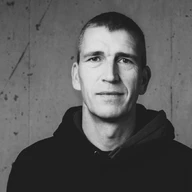
Despite these documented radical positions, the AfD leadership rewarded Thormann with a key parliamentary portfolio: spokesperson for "left-wing extremism." This appointment suggests a deliberate strategy by the faction to weaponize the parliamentary apparatus against those who monitor and critique their far-right activities.
Official Responses: Condemnation from the Democratic Spectrum
The reaction from the established democratic parties was swift and unequivocal. The consensus among the SPD, the Greens, and The Left is that the incident serves as a definitive "mask-off" moment for the AfD faction in Mecklenburg-Vorpommern.
The SPD’s Stance
SPD parliamentary group leader Julian Barlen did not mince words. "There are no objective, policy-oriented representatives sitting there who want to improve the lives of the people in MV," Barlen stated. "There are right-wing extremists sitting there who are consciously identifying themselves as such in parliament." Barlen argued that for those who were still under the illusion that the AfD could be integrated into a democratic parliamentary culture, this incident should serve as a wake-up call. "Now," he insisted, "even the last person should have understood."

The Green Party’s Perspective
Claudia Müller, the parliamentary group leader for the Greens, emphasized that the gesture was far more than a "tasteless provocation." For Müller, the incident highlights a systemic issue within the party. "It makes visible once again how deeply rooted right-wing extremist thought is in the AfD," she noted. She warned that the lack of inhibitions displayed by Thormann in a public, state-sanctioned building signals a dangerous trend toward the normalization of extremist symbolism.
Parliamentary Consequences
The democratic parties are currently coordinating a response that goes beyond mere rhetoric. Julian Barlen has publicly challenged AfD faction leader Enrico Schult to take immediate action, including the potential expulsion of Thormann from the faction. This challenge is particularly pointed, given that Schult himself had threatened other parties on election night, stating: "When we march in here with our troops, you will tremble before us. And you will tremble rightly."
Meanwhile, Hennis Herbst, head of the Left Party’s state and parliamentary group, has formally requested that the Landtag President investigate the incident. Herbst is pushing for official parliamentary consequences, specifically a formal reprimand (Rüge). "We will not allow racist provocations to become the norm," Herbst stated, underlining the necessity for the Landtag to draw clear, enforceable boundaries.

Implications: The Crisis of Democratic Legitimacy
The incident raises profound questions regarding the role of political parties in a democracy. The refusal of the SPD, The Left, and the Greens to vote for the AfD’s candidate for Landtag President—a tradition usually reserved for the largest opposition party—has been retroactively vindicated in the eyes of many.
The Failure of the "Cordon Sanitaire"
In many German states, the "firewall" (Brandmauer) against the AfD is the primary tool for protecting democratic institutions. The events of this week suggest that the fire has already reached the inner sanctum. When an elected representative uses the floor of a state parliament to signal allegiance to white supremacist movements, the institution itself enters a crisis of legitimacy.
The Normalization of Extremism
Political scientists have long warned of the "Overton Window" shifting toward the right, where once-unthinkable symbols and rhetoric are introduced into mainstream discourse to test public tolerance. Thormann’s actions are a classic example of this—by broadcasting the gesture, he forces the media and the public to debate the meaning of the symbol, thereby granting it visibility and "normalizing" its presence in the legislative hall.

A Test for the Future
The coming weeks will be a litmus test for the Landtag’s leadership. If the parliament fails to impose meaningful sanctions on Thormann, it risks signaling that such behavior is permissible under the umbrella of "parliamentary freedom." If, however, the democratic majority succeeds in censuring the act, it will be a crucial, albeit small, step in asserting that the parliament is a place for democratic debate, not for the promotion of neonazi ideology.
The situation in Mecklenburg-Vorpommern remains volatile. The AfD, bolstered by their electoral success, is clearly testing the boundaries of the state’s democratic resilience. As the new legislative term progresses, the incident involving Tommy Thormann will likely be remembered as the moment when the "new normalcy" of the far-right in parliament ceased to be a subject of speculation and became an undeniable, documented reality.
For the citizens of Mecklenburg-Vorpommern, the question remains: Can a democratic institution function when a portion of its membership explicitly rejects the fundamental tenets of equality and human dignity? The answer to that question is currently being written in the halls of the Schweriner Schloss.