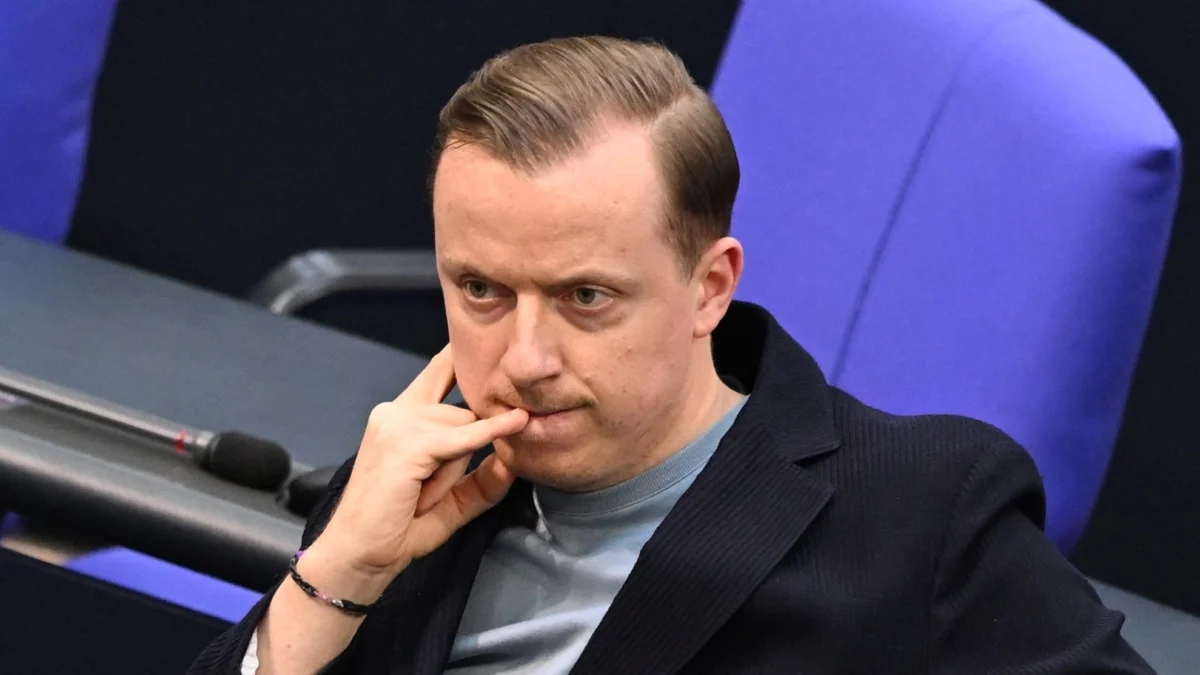
Berlin, Germany – In a significant move that underscores the widening scope of an ongoing corruption probe, the German Bundestag has voted to lift the parliamentary immunity of Adis Ahmetovic, a Social Democratic Party (SPD) Member of Parliament representing Lower Saxony. The decision, confirmed by the Bundestag administration, paves the way for judicial searches and further investigative measures in connection with allegations of "aiding competitive distorting agreements" related to the contentious sale of a clinic in Lehrte.
Ahmetovic, who also serves as the SPD chairman in Hannover, is now the latest prominent figure to be drawn into an investigation that initially targeted Steffen Krach, the SPD’s lead candidate for the Berlin state elections and former President of the Hannover Region. The unfolding scandal threatens to cast a shadow over the SPD, particularly in the run-up to crucial regional elections. Ahmetovic’s legal counsel has vehemently denied the allegations, stating that the MP has nothing to reproach himself for and is fully cooperating with the public prosecutor’s office.
Main Facts: Bundestag’s Action and Core Allegations
The parliamentary decision to lift Adis Ahmetovic’s immunity marks a critical escalation in the investigation led by the Hannover public prosecutor’s office. This procedural step is a prerequisite for law enforcement agencies to conduct actions such as searches of private or parliamentary offices, or to seize documents, which would otherwise be shielded by a parliamentarian’s special protections. According to sources within the Bundestag administration, the approval was specifically granted for judicial searches.
Adis Ahmetovic, a relatively young but influential politician within the SPD, has been a Member of the Bundestag since 2021, representing the constituency of Stadt Hannover I. His political career has seen a rapid ascent, culminating in his role as the SPD’s spokesman on foreign policy in the Bundestag. Locally, he holds the pivotal position of SPD chairman in the city of Hannover, a role that places him at the heart of regional political power structures.
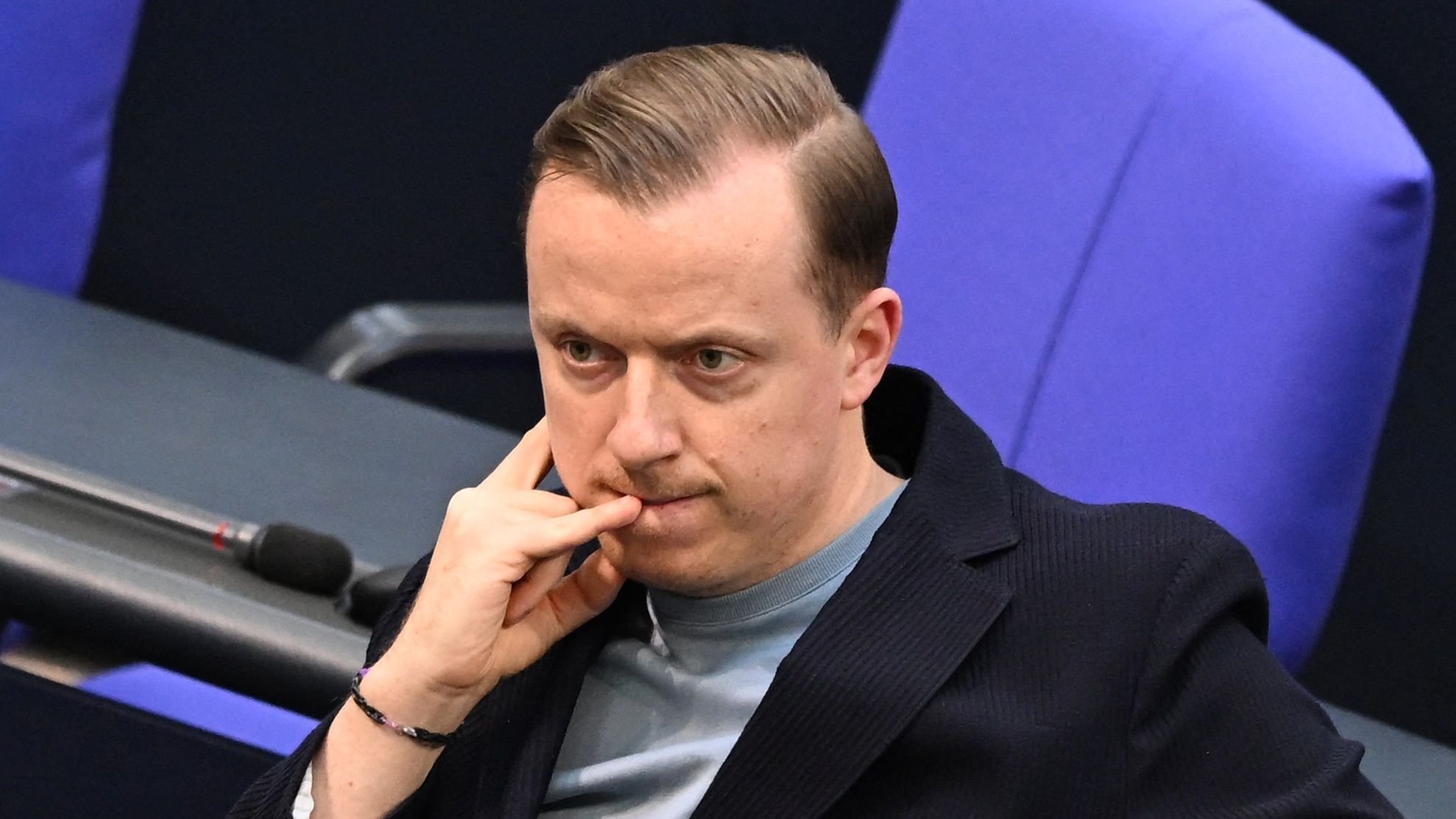
The core of the allegations against Ahmetovic revolves around "aiding competitive distorting agreements in connection with the sale of the clinic site in Lehrte." While the precise details of his alleged involvement remain under wraps due to the ongoing nature of the investigation, such charges typically imply participation in arrangements designed to manipulate market competition. This could involve collusion between bidders, unfair advantages granted to specific parties, or other practices that undermine a fair and transparent bidding process in public or semi-public asset sales. The severity of these allegations is amplified by the fact that they concern public assets and involve high-ranking political figures.
Chronology of the Broadening Investigation
The investigation has been a slow-burning fuse, gradually implicating more individuals and raising concerns within the SPD.
Initial Focus: Steffen Krach and the Lehrte Clinic Sale
The origins of the current probe trace back to the activities surrounding the sale of a clinic in Lehrte, a town in the Hannover Region of Lower Saxony. The public prosecutor’s office in Hannover initiated investigations primarily targeting Steffen Krach. At the time of the controversial clinic sale, Krach held the influential position of President of the Hannover Region. This role effectively placed him at the helm of regional administration, overseeing significant public assets and decisions.
The sale of public assets, such as a clinic, is subject to stringent regulations designed to ensure transparency, fairness, and the best possible outcome for the public. Allegations of "competitive distorting agreements" suggest that these principles may have been compromised during the Lehrte transaction. Investigators are likely scrutinizing the bidding process, the valuation of the property, the terms of the sale, and the interactions between political figures, administrative officials, and potential buyers.
Expansion to Stefan Politze
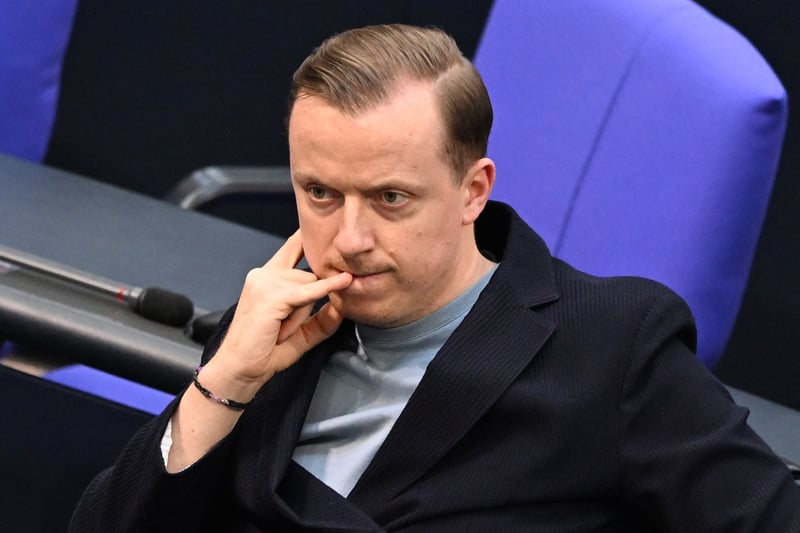
As the investigation progressed, its scope broadened to include other prominent SPD members. Stefan Politze, a long-serving and respected figure in Lower Saxony politics, became another target of the probe. Politze had served as the SPD parliamentary group leader in the Lower Saxony state parliament, a powerful position that entails significant political influence and oversight. The timing of the unfolding scandal proved particularly damaging for Politze, who, amidst the mounting pressure and revelations, announced his resignation from his leadership post just last week. His resignation sent ripples through the state’s political landscape, signaling the seriousness with which the party and public perceive the allegations. While the specific nature of Politze’s alleged involvement mirrors the broader concerns of the Lehrte clinic sale, it underscores a pattern of inquiry that points towards potential systemic issues or widespread knowledge of the alleged irregularities.
Adis Ahmetovic’s Involvement
The inclusion of Adis Ahmetovic in the investigation marks a significant new chapter. As a federal MP and a key figure in Hannover’s SPD, his involvement brings the scandal to a higher political echelon. The Bundestag’s decision to lift his immunity was specifically requested to allow for judicial searches, indicating that investigators believe there is sufficient evidence to warrant such intrusive measures. The investigation is likely examining Ahmetovic’s communications, financial records, and any decisions or actions he may have taken that could be construed as aiding the alleged anti-competitive practices during the Lehrte clinic sale. His dual role as a federal politician and local party chairman highlights the intertwined nature of national and regional political networks, and how actions at one level can have repercussions at another.
Supporting Data and Context
Understanding Parliamentary Immunity in Germany
Parliamentary immunity, enshrined in Article 46 of Germany’s Basic Law (Grundgesetz), is a fundamental protection for members of the Bundestag. Its primary purpose is to safeguard the independence and functionality of the parliament, ensuring that elected representatives can perform their duties without fear of politically motivated harassment or prosecution. However, this immunity is not absolute and can be lifted under specific circumstances.
The process for lifting immunity is rigorous and involves the Bundestag itself. When a public prosecutor’s office seeks to initiate criminal proceedings or undertake significant investigative steps (like searches) against an MP, they must submit a request to the Bundestag. This request is then reviewed by the Committee on the Scrutiny of Elections, Immunity and the Rules of Procedure (Ausschuss für Wahlprüfung, Immunität und Geschäftsordnung). This committee examines the legal merits of the request, ensuring that it is not politically motivated and that there is a reasonable suspicion of a criminal offense. If the committee recommends lifting immunity, the decision is then put to a vote in the plenary session of the Bundestag. A simple majority is usually sufficient to approve the lifting of immunity.
The lifting of immunity does not imply guilt but merely removes a procedural obstacle, allowing the justice system to treat the parliamentarian like any other citizen for the duration of the specific investigation. This mechanism balances the need to protect parliamentary independence with the principle of equal application of the law and the state’s interest in prosecuting alleged crimes. In Ahmetovic’s case, the Bundestag’s approval indicates that the committee and the majority of parliamentarians found the prosecutor’s request for judicial searches to be justified and not politically motivated.
The Nature of "Competitive Distorting Agreements"
The allegations against Ahmetovic, Krach, and Politze center on "aiding competitive distorting agreements." This legal term refers to practices that undermine fair competition in a market, often leading to unfair advantages for certain participants and potentially higher costs or reduced quality for the public. In the context of a public asset sale, such agreements could include:
- Bid rigging: Competitors secretly agree on who will win a contract, often by submitting artificially high bids or refraining from bidding.
- Price fixing: Parties agree to set prices at a certain level, eliminating competition.
- Market allocation: Competitors agree to divide customers or territories among themselves, avoiding direct competition.
- Information exchange: Sharing sensitive bidding information or strategies to gain an unfair advantage.
Aiding such agreements would imply facilitating, assisting, or knowingly participating in these anti-competitive practices. The sale of a clinic, a significant public asset, would typically involve a tender process to ensure the best value for taxpayers. Any distortion of this process could have serious financial and ethical ramifications, potentially resulting in the clinic being sold below its market value or to a party that was not genuinely the most suitable bidder, all at the expense of public funds and trust.
Political Landscape and Potential Impact
The investigation comes at a sensitive time for the SPD. Steffen Krach is a high-profile candidate for the upcoming Berlin state elections, and any hint of scandal could significantly impact his campaign and the party’s performance in the capital. While the allegations against him stem from his previous role in Lower Saxony, the national attention on his candidacy ensures that these developments resonate widely.

In Lower Saxony, where Ahmetovic is a federal MP and a local party leader, the scandal could also affect the SPD’s standing. The resignation of Stefan Politze, a state parliamentary leader, already signals a degree of political fallout. Such investigations, particularly those involving allegations of misconduct in public office or related to public funds, invariably lead to questions about accountability, transparency, and the integrity of political parties. For the SPD, which often positions itself as a champion of social justice and fairness, these allegations pose a significant challenge to its public image.
Official Responses
Adis Ahmetovic’s Legal Team
Immediately following the Bundestag’s decision, Adis Ahmetovic’s lawyer issued a statement asserting his client’s innocence. The lawyer emphasized that Ahmetovic "has nothing to reproach himself for" and has pledged "full cooperation with the public prosecutor’s office." This stance is typical in such situations, aiming to reassure the public and political colleagues while the legal process unfolds. It indicates a strategy of transparency and a willingness to provide investigators with any requested information, hoping to swiftly clear Ahmetovic’s name.
SPD Party Leadership
While no specific statements from the national SPD leadership were detailed in the initial report, it is common practice for political parties facing such situations to issue general statements. These typically underscore the presumption of innocence, emphasize the importance of due process, and express confidence in the independence of the judiciary. Party leaders often reiterate their commitment to transparency and ethical conduct, while also highlighting the importance of not prejudging individuals before legal conclusions are reached. Local SPD branches in Hannover and Lower Saxony might also issue statements expressing support for Ahmetovic as a person, while affirming their respect for the rule of law.
Public Prosecutor’s Office
The Hannover public prosecutor’s office, in line with standard legal procedures, has remained tight-lipped about the specifics of the ongoing investigation. Their public statements are typically limited to confirming the existence of an investigation and the charges involved, without delving into details that could compromise the integrity of the probe. The request to lift parliamentary immunity, however, is a clear indication that the prosecutor’s office believes it has compelling reasons and sufficient initial evidence to pursue further investigative steps, including the aforementioned judicial searches.

Bundestag Administration
The Bundestag administration confirmed the procedural step of lifting Ahmetovic’s immunity, clarifying that it pertained specifically to the approval of judicial searches. This technical confirmation emphasizes the procedural correctness of the decision within the framework of parliamentary rules and the Basic Law, without commenting on the substance of the allegations themselves.
Implications
The lifting of Adis Ahmetovic’s parliamentary immunity carries significant implications, both for the individuals involved and for the broader political landscape in Germany.
Political Ramifications for Adis Ahmetovic
For Ahmetovic himself, the investigation and the public scrutiny it brings are undoubtedly a severe blow. While the presumption of innocence applies, the mere fact of being under investigation, particularly for charges related to competitive distortion in a public sale, can damage a politician’s reputation and career prospects. His roles as a federal MP and local SPD chairman place him under an intense spotlight. Depending on the outcome of the investigation, he could face legal consequences, including fines or imprisonment, and almost certainly political repercussions, such as being forced to step down from his party offices or even his parliamentary seat. The prolonged nature of such investigations can also create a cloud of uncertainty that hinders effective political work.
Impact on the SPD
The Social Democratic Party faces a challenging period. The involvement of three prominent figures – Steffen Krach (Berlin lead candidate), Stefan Politze (former state parliamentary leader), and Adis Ahmetovic (federal MP and local chairman) – in an investigation stemming from the same alleged scandal creates a narrative of potential systemic issues within the party’s regional operations. This could undermine public trust in the SPD, particularly concerning its commitment to good governance and ethical conduct.

In the short term, the scandal could negatively affect Krach’s chances in the Berlin state elections and potentially impact the SPD’s performance in local elections in Lower Saxony. In the long term, if the allegations are proven true, the party might need to undertake internal reforms to enhance transparency and accountability mechanisms, and to restore public confidence. The resignation of Politze is a testament to the immediate political pressure and the party’s recognition of the severity of the situation.
Trust in Political Institutions
Beyond the immediate political fallout for individuals and the SPD, such high-profile investigations can erode public trust in political institutions generally. When elected representatives are suspected of misusing their positions for personal or party gain, it fuels cynicism and distrust in the democratic process. This is particularly concerning in an era where public confidence in politics is already a subject of debate. The rigorous process of lifting parliamentary immunity, however, also demonstrates that no one is above the law, a principle that can, paradoxically, help reinforce the integrity of the legal system and democratic checks and balances.
Legal Precedents and Process Integrity
The investigation will also serve as a test of the German legal system’s ability to hold powerful individuals accountable. The careful navigation of parliamentary immunity rules ensures that political motivations do not unduly influence criminal investigations, while simultaneously protecting the core functions of parliament. The outcome of this case could set precedents for how similar allegations against politicians are handled in the future, especially concerning the balance between parliamentary privilege and the demands of criminal justice.
The coming months will be crucial as the Hannover public prosecutor’s office continues its investigation, now with the expanded powers granted by the Bundestag’s decision. The political ramifications will undoubtedly continue to unfold as more details emerge from this complex and sensitive case.