Introduction: A New Paradigm of Humanitarian Restriction
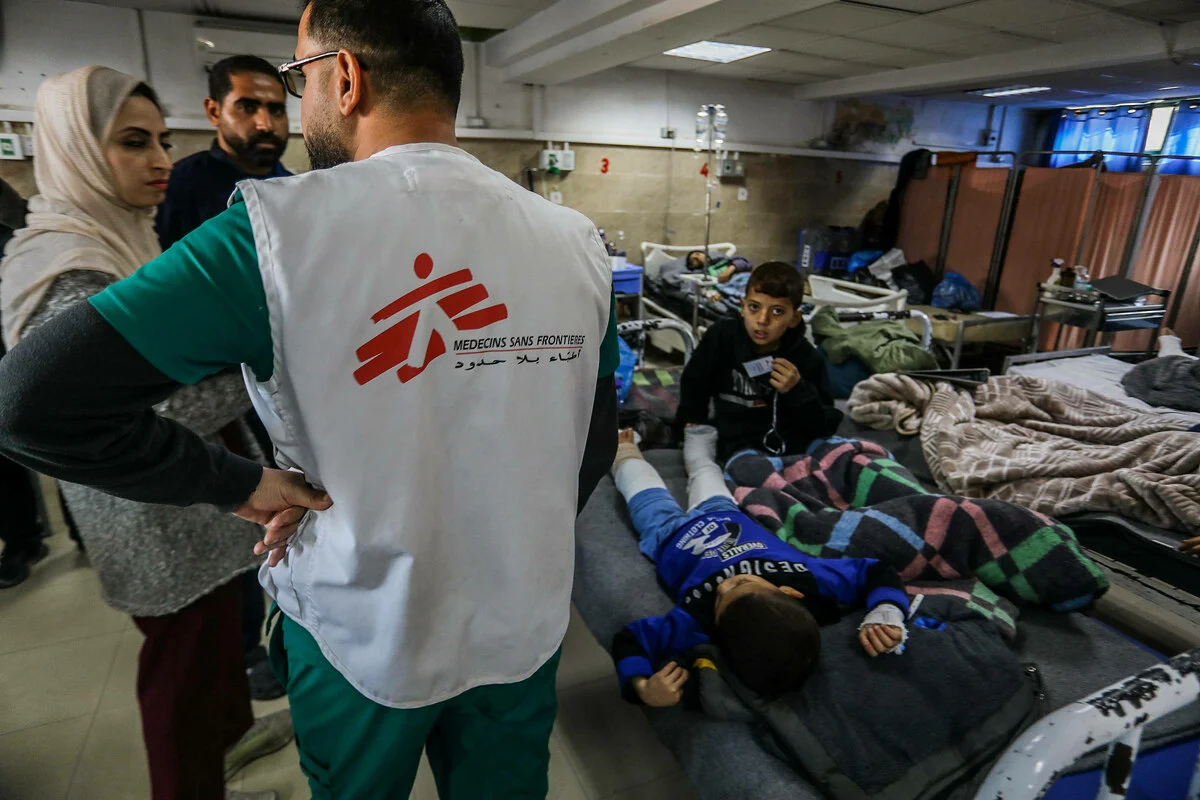
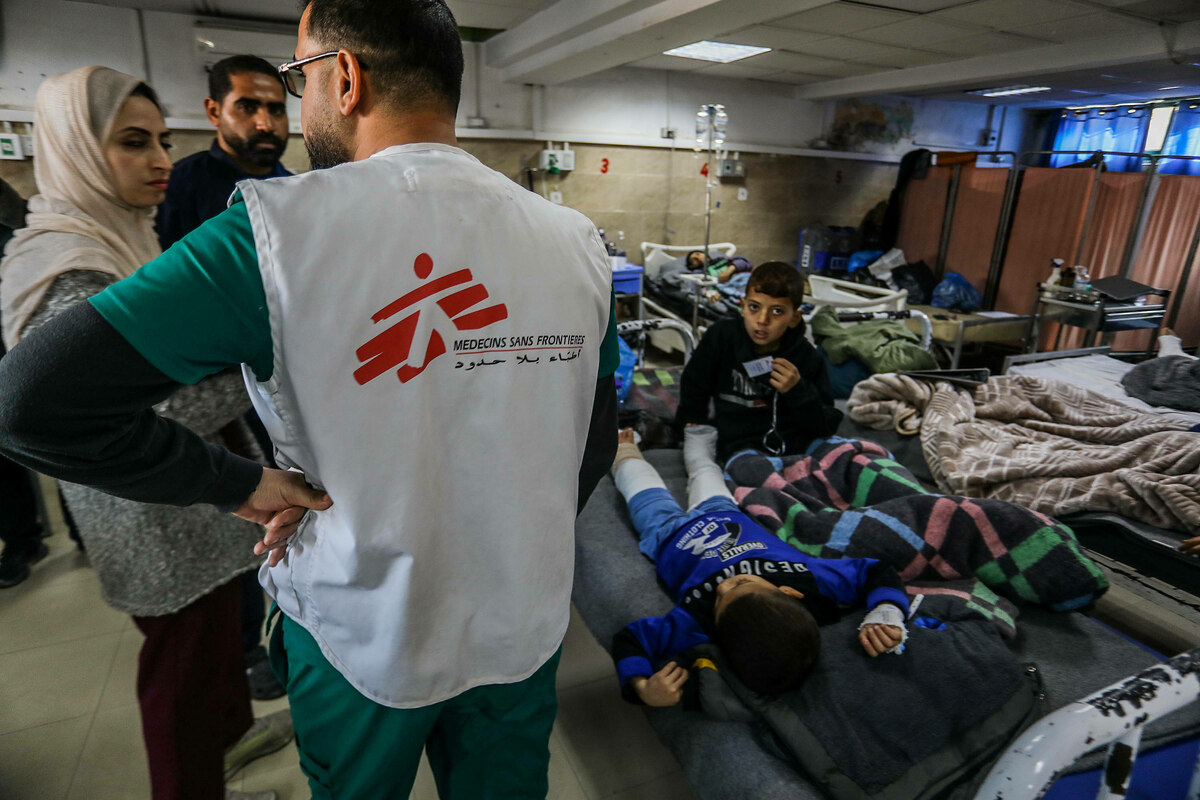
Since March 2025, the landscape for international non-governmental organizations (NGOs) operating within the Palestinian territories has shifted dramatically. Under a newly implemented Israeli registration system, humanitarian entities are facing stringent administrative hurdles that threaten the continuity of life-saving medical aid in Gaza and the West Bank. Among the most prominent casualties of this bureaucratic tightening is Médecins Sans Frontières (MSF), also known as Doctors Without Borders, which has lost its official authorization to operate within the framework recognized by the Israeli state.
The core of the conflict lies in a mandatory disclosure policy: NGOs must now provide the Israeli authorities with exhaustive lists of their staff. This requirement includes a vetting process that prohibits organizations from employing individuals who have publicly advocated for a boycott of Israeli products or supported international legal actions against the Israeli Defense Forces (IDF) in recent years. For humanitarian organizations committed to neutrality and the protection of their staff, this policy is not merely a registration requirement—it is a fundamental threat to their security and operational ethics.
The Human Cost: An Interview with Filipe Ribeiro
Filipe Ribeiro, the Palestine mission lead for MSF, currently operates from Amman, Jordan. The denial of his organization’s registration has effectively severed his ability to coordinate operations directly from Jerusalem. In a recent interview, Ribeiro detailed the profound impact of these administrative barriers on the medical infrastructure of the region.
"We are no longer registered as an NGO in Israel," Ribeiro explains. "This means we cannot send international staff into Palestine—neither to Gaza nor the West Bank or East Jerusalem—and we are unable to directly supply our projects."
While MSF attempted to challenge this decision in the Israeli Supreme Court, the judiciary ruled that the state was within its rights to deny registration based on the organization’s failure to comply with the new procedures. However, the legal reality is complex: MSF remains registered with the Palestinian Authority. Yet, because Israel exercises total control over the borders and the movement of goods and people, the loss of Israeli registration has turned into a de facto blockade.
The Ethics of Disclosure: Why NGOs Resist
The most contentious requirement of the new system is the demand for full staff rosters. Ribeiro and other NGO leaders argue that this is a non-starter for organizations working in conflict zones.
"We have seen, time and again, that medical staff and humanitarian workers operating in Palestinian territories become targets of Israeli attacks," Ribeiro asserts. "For this reason, we refuse to hand over the complete list of our colleagues."
The danger is not theoretical. Ribeiro notes that MSF has lost 15 staff members in the current conflict, and over 1,700 health and humanitarian aid workers have been killed in Gaza by Israeli actions. The organization views the demand for staff lists as an unacceptable risk, fearing that the information could be used for targeting, a concern shared by journalists and other international observers who have seen similar patterns of violence.
Chronology of Operational Decay
The degradation of humanitarian access can be mapped through a series of escalating administrative and physical barriers:

- Early 2025: Israel mandates a new registration process for all NGOs. The criteria include ideological vetting and disclosure of personnel.
- Spring 2025: Major organizations, including MSF, refuse to comply with the disclosure requirements, citing safety concerns for their local and international staff.
- Mid-2025: Following the refusal to provide data, the Israeli government revokes the operational status of these NGOs, stripping them of their ability to import medical supplies or coordinate staff movement through Israeli-controlled checkpoints.
- Late 2025: The "ceasefire" period brings a lull in active kinetic warfare, but the humanitarian blockade persists. The collapse of public services in the West Bank accelerates as the Palestinian Authority is denied access to its tax revenues.
Supporting Data: The Collapse of Public Services
The current situation in the West Bank has been described by field observers as the "island effect." Israeli military checkpoints and road barriers have fragmented the territory into isolated enclaves. For patients, the simple act of traveling to a hospital for chemotherapy or dialysis has become a high-risk endeavor, contingent on the benevolence of soldiers or settlers.
MSF’s response has been to deploy mobile clinics—teams of doctors and nurses visiting villages cut off from urban hospitals. However, the loss of administrative status has crippled this effort. "We have been forced to close eight of our twelve mobile clinics," Ribeiro reports. "Without the ability to coordinate our movements with the authorities, we cannot guarantee the safety of our teams in areas like Hebron."
In Gaza, the situation is even more dire. While military activity has fluctuated, the systemic destruction of the healthcare infrastructure remains absolute. MSF continues to support trauma centers and maternal health clinics, but they are operating on dwindling reserves. The lack of medical imports—ranging from basic antibiotics to lab reagents and fuel for hospital generators—has turned the remaining healthcare facilities into desperate, under-resourced triage centers.

The Geopolitical Context: A Systemic "Absence of State"
The crisis for NGOs is a symptom of a broader collapse in the Palestinian territories. The Palestinian Authority is currently facing an unprecedented financial squeeze, as the Israeli government continues to withhold tax revenue. This policy, described by economists as "starving the administration," has left public hospitals unable to pay salaries or maintain equipment.
The psychological toll on the population is immeasurable. Palestinians in the West Bank live in a state of constant anxiety, where their mobility is dictated by the decisions of the Israeli military and the volatility of settler-led violence. The absence of a functional, state-level health system means that the vacuum is filled, however inadequately, by humanitarian groups—and as these groups are pushed out, the population is left with almost no safety net.
Official Responses and International Implications
The Israeli government maintains that its policies are rooted in national security. They argue that the vetting process is necessary to prevent the infiltration of organizations by individuals or groups that advocate for the dismantling of the Israeli state through international boycotts (BDS) or legal warfare.

However, the international humanitarian community views this as an attempt to stifle criticism and exert total control over the narrative and reality of the occupied territories. By forcing NGOs to choose between compliance—which compromises their neutrality—and expulsion, the state is effectively limiting the presence of independent witnesses to the humanitarian impact of its policies.
Implications: A Darker Future for Aid
The implications of this standoff are severe. If organizations like MSF—which have the resources and the institutional mandate to operate in the most dangerous environments on earth—are forced to withdraw or significantly scale back, the void will not be filled.
The "normalization" of the current restrictions marks a departure from historical norms of humanitarian space. If the requirement to disclose staff lists to a belligerent party becomes a standard in international conflicts, the very concept of "humanitarian space" will be fundamentally altered. Aid workers will no longer be seen as neutral parties, but as potential intelligence targets or political pawns.

As Ribeiro concludes, the impact on the patient is the ultimate measure of this policy. "We have seen people die simply because they were blocked from reaching the care they needed," he says. "When the bureaucratic systems of a state effectively become a tool to prevent medical care, it is the most vulnerable who pay the price with their lives."
Conclusion
The situation in the Palestinian territories as of late 2025 is a testament to the fragile state of human rights in the shadow of geopolitical conflict. By tying humanitarian access to ideological and administrative compliance, the current policy has created a reality where medical care is no longer a guaranteed right, but a privilege granted or denied at the whim of administrative gatekeepers. For the people of Gaza and the West Bank, the withdrawal of organizations like MSF is not just a loss of resources—it is the final layer of protection falling away in an increasingly volatile and isolated landscape.