By Culture Desk, MDR
Updated: October 14, 2026
The musical landscape of Western Saxony is undergoing a significant transformation. With the commencement of the current season, the Theater Plauen-Zwickau has officially inaugurated Stefan Neubert as its new Generalmusikdirektor (General Music Director). A conductor with a reputation for precision and emotional depth, Neubert arrives at a pivotal moment for the institution, tasked with balancing artistic ambition against the backdrop of regional economic pressures. His arrival marks not just a change in leadership, but a bold, programmatic shift that aims to reinvigorate the cultural life of the Zwickau-Plauen region.
The Foundation: A Shared Musical Journey
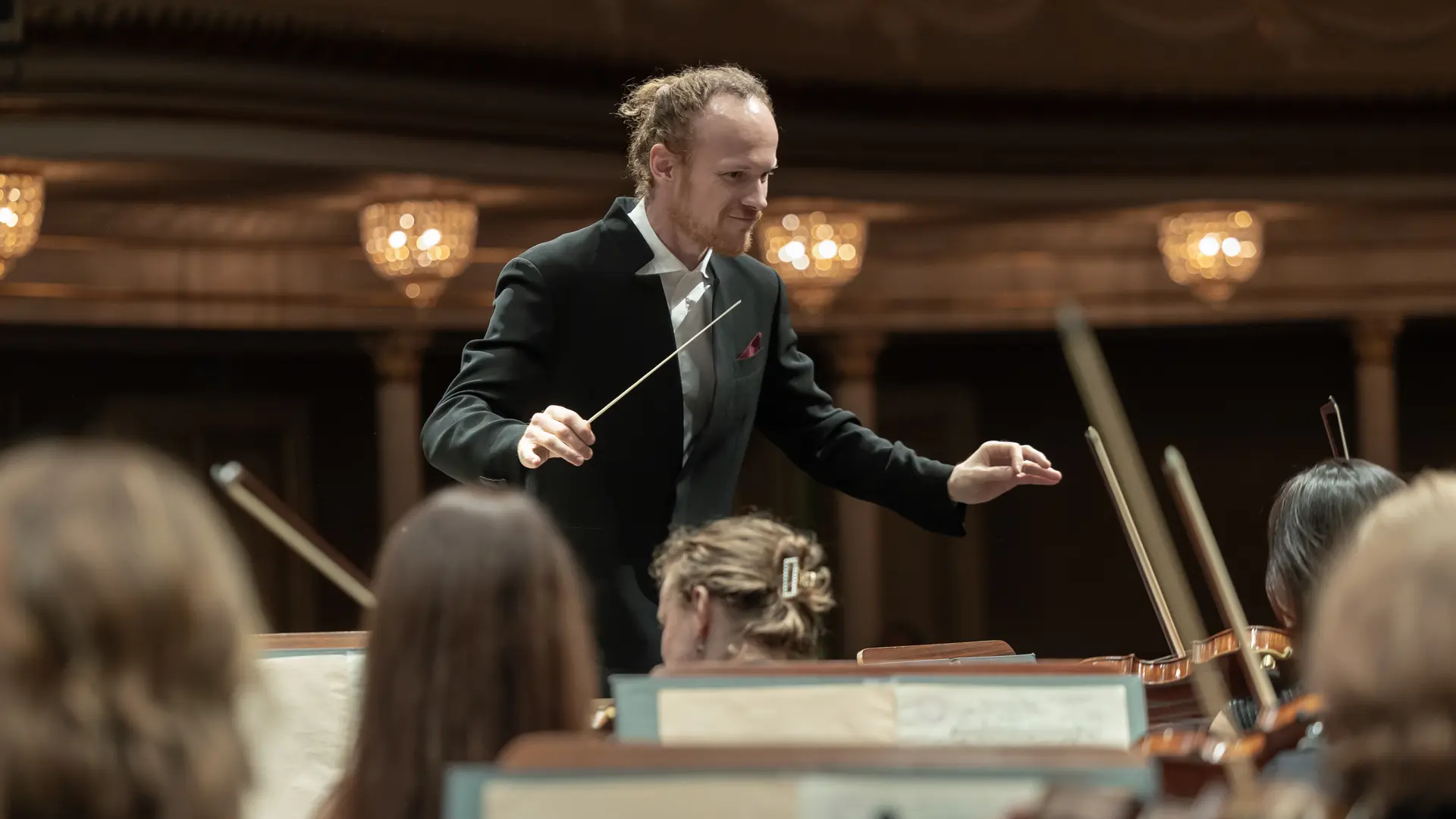
The transition into the role has been, by all accounts, a seamless marriage of vision and talent. Speaking to MDR, Neubert reflected on his first weeks with the orchestra, describing the experience as a "wonderful, synergistic beginning." The relationship between a conductor and their orchestra is famously fragile, often requiring years of calibration. However, for Neubert, the connection to the Philharmoniker was instantaneous.
"It was grand to be able to make music together with this wonderful ensemble," Neubert remarked. "I have already formed the feeling that I have found a musical home here." This sense of belonging is a recurring theme in his early tenure. In an industry defined by transient contracts and high-pressure guest appearances, Neubert’s commitment to "homing" in on the regional identity of the Zwickau-Plauen theater suggests a long-term dedication that is increasingly rare in the contemporary orchestral world.

Chronology: From Halle to the Stage
Stefan Neubert’s path to the podium in Zwickau is a narrative of steady, disciplined ascent through the German theater system. Born in Halle, a city with a rich musical pedigree, Neubert’s formative professional years were spent at the Anhaltisches Theater in Dessau—a bastion of German operatic tradition.
His career trajectory then took him through key musical hubs, including Karlsruhe and Saarbrücken. These roles were not merely stepping stones; they were the crucibles in which his stylistic approach was forged. Each tenure added a layer of complexity to his repertoire, moving from the standard German symphonic canon to the nuanced demands of contemporary opera. By the time he was appointed in Plauen-Zwickau, he had already established himself as a conductor capable of handling the heavy lifting of the Romantic repertoire while maintaining the agility required for modern, budget-conscious productions.
Supporting Data: The Artistic Roadmap
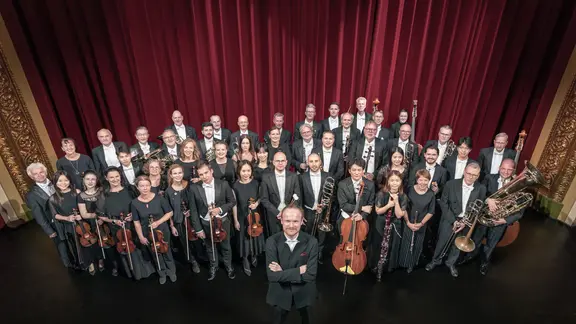
Neubert has wasted no time in setting a clear, ambitious tone for his first season. Despite inheriting a pre-planned schedule, he has exerted his influence over the nuances of the programming, ensuring that the repertoire serves as both a challenge to the orchestra and an invitation to the audience.
The Beethoven Focus
The centerpiece of Neubert’s inaugural strategy is an immersion into the works of Ludwig van Beethoven. As the region gears up for the much-anticipated "Beethoven Year" in 2027, Neubert is positioning the Theater Plauen-Zwickau as a focal point for the composer’s work.
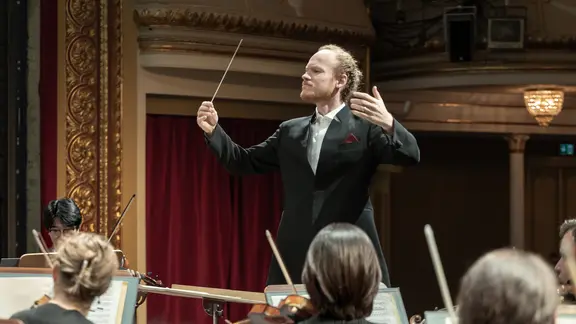
"Beethoven stands at the threshold of the Romantic era," Neubert notes. "There is an incredible emotionality and power there. It is a profound challenge for any orchestra." The schedule includes:
- The 8th Symphony: A testament to structural elegance and wit.
- The 9th Symphony: A traditional, monumental closer for the end-of-year festivities, serving as both a local ritual and a test of the ensemble’s stamina.
- Fidelio: Neubert’s debut opera choice, signaling a commitment to high-stakes, narrative-driven musical theater.
Virtuosity and Rachmaninow
Beyond the German masters, Neubert has introduced Sergei Rachmaninow’s "Symphonic Dances" into the upcoming schedule. This choice is calculated. Rachmaninow’s late works demand a lush, expansive sound—a direct challenge to the orchestra to showcase its virtuosity and coloristic range. According to Neubert, the goal is to push the ensemble toward a "refined sensibility" in their performance, ensuring that even the most massive, late-Romantic scores retain a chamber-like clarity.
Official Responses and Internal Dynamics
The appointment of a new General Music Director comes at a time when the Theater Plauen-Zwickau has been under intense scrutiny regarding its financial viability. Recent reports from the city council regarding potential insolvency and subsequent austerity measures have cast a long shadow over the region’s cultural institutions.
However, the internal mood at the theater remains surprisingly resilient. Neubert’s appointment is viewed by many as a strategic move to preserve artistic quality in the face of fiscal tightening. His focus on "Beethoven and Rachmaninow" is not just an artistic choice; it is a signal to stakeholders that the theater remains a powerhouse of high art, regardless of the budgetary climate.

The ensemble, having faced the prospect of reduced programs, appears to be responding positively to Neubert’s leadership. By engaging directly with the musicians and emphasizing the "togetherness" of the creative process, Neubert is effectively insulating the artistic core of the theater from the administrative anxieties occurring in the city council chambers.
Implications: The Future of Regional Theater
What does Neubert’s arrival mean for the future of the performing arts in Saxony? His tenure carries several significant implications for the region:
1. Retention of Cultural Identity
In an era of globalization, regional theaters often face the "homogenization" of their programs. By leaning into the specific, heavy-weight traditions of the German repertoire, Neubert is reinforcing the theater’s identity as a regional guardian of classical heritage. This is vital for maintaining the support of local audiences who view the theater as a source of regional pride.
2. Artistic "Right-Sizing"
Neubert’s ability to work within existing constraints while still delivering "big" musical results is a crucial skill for modern leadership. He is demonstrating that a world-class standard does not necessarily require infinite resources, but rather a focused, passionate approach to the music at hand. His emphasis on Bellini’s "I Capuleti e i Montecchi" alongside the massive symphonic works shows a range that can appeal to both the traditional opera-goer and the symphonic concert enthusiast.

3. Economic Resilience Through Excellence
There is an implicit theory behind Neubert’s approach: that artistic excellence is the best defense against austerity. By delivering performances that are consistently high-quality, the theater makes itself indispensable to the community. If the local government is forced to choose between funding a venue that is "just surviving" and one that is "thriving under new, vibrant leadership," the latter is significantly harder to defund.
Conclusion: A Conductor for the Community
Stefan Neubert’s tenure is off to an auspicious start. By framing his appointment not as a career stepping stone, but as a commitment to building a "musical home," he has struck a chord with both the ensemble and the public. As the theater moves into the 2026/2027 season, the focus will remain on the balance between the rigors of Beethoven and the lush demands of the Russian Romantic repertoire.
The challenges—financial, structural, and administrative—remain, but for now, the baton is in steady hands. As Neubert himself suggested, the process is one of "growing together." If his early results are any indication, the Theater Plauen-Zwickau is poised to enter a period of stability, marked by musical ambition and a renewed sense of purpose that reaches far beyond the walls of the concert hall.
The audience in Plauen and Zwickau now looks toward the upcoming performances with a renewed expectation: that in this era of uncertainty, the power of a well-conducted symphony remains one of the most reliable anchors for the community. Stefan Neubert has arrived, and he is ready to lead the charge.