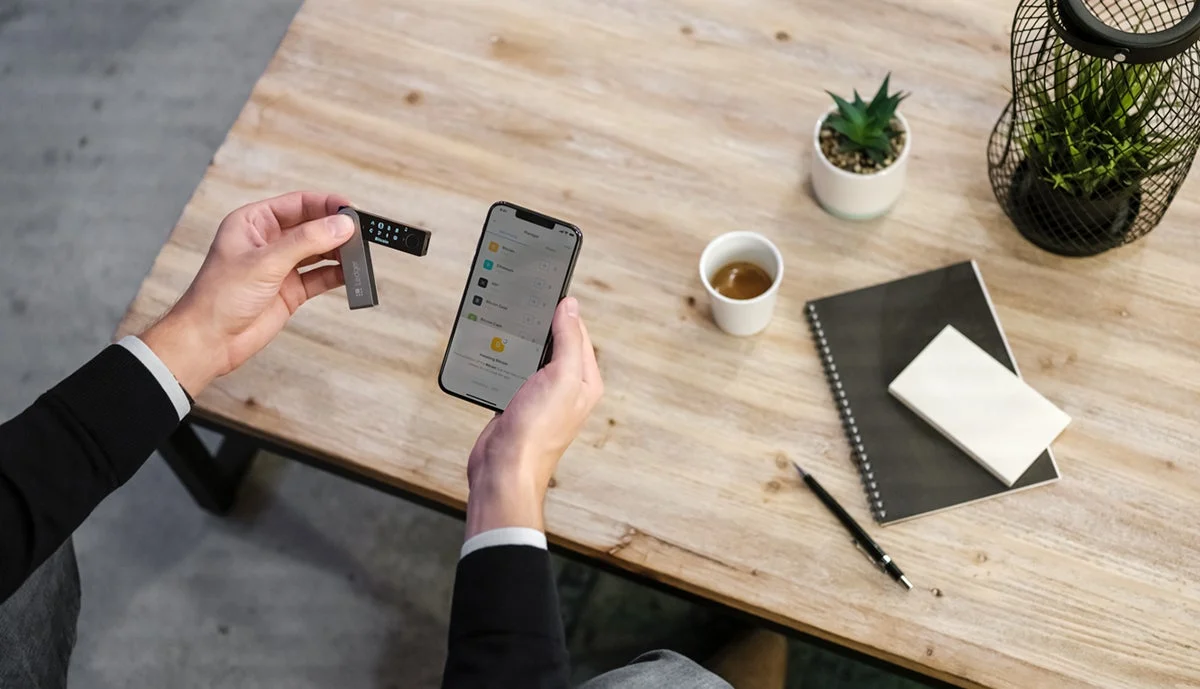
For years, the mantra “Not Your Keys, Not Your Coins” has served as the bedrock of the cryptocurrency community. It advocates for personal sovereignty, urging investors to move their digital assets off centralized exchanges and into "cold storage" hardware wallets. These devices, physically separated from the internet, have long been marketed as the impenetrable vaults of the digital age. However, recent developments surrounding the popular manufacturer Ledger have sent shockwaves through the crypto ecosystem, suggesting that even the most trusted hardware may be vulnerable to sophisticated physical tampering.
Reports indicate that malicious actors have successfully siphoned off approximately $90 million in cryptocurrency through a network of compromised Ledger devices. What was initially dismissed as a localized issue in Asia has morphed into a global security concern, with reports of hardware-level "implants" now surfacing in Germany.
The Anatomy of the Breach: How the Fraud Works
The security of a hardware wallet relies on its ability to generate and store a "seed phrase"—a 12-to-24-word sequence that functions as the master key to a user’s blockchain address. Under normal circumstances, this phrase is generated offline, never leaving the device’s secure element.
In the case of the compromised Ledger wallets, attackers have utilized a highly sophisticated supply chain attack. Investigations into devices reported by victims reveal the presence of unauthorized, malicious hardware modifications. These additions are designed to intercept the seed phrase during the initial device setup. By embedding a hidden chip or circuit modification inside the plastic casing, attackers can transmit the victim’s master key to a remote server the moment the user initializes the device.
Once the attacker possesses the seed phrase, the "security" of the hardware wallet becomes moot. They gain full, unfettered access to the user’s funds, allowing them to drain the account at will. Because these modifications are performed at the hardware level—often involving the replacement or tampering of the device’s internal components before it ever reaches the consumer—standard software security updates are completely ineffective.
Chronology of the Crisis
The unfolding of this security disaster can be categorized into three distinct phases:
Phase 1: The Asian Outbreak
The problem first gained public attention through reports from the Asian market. Suspicion fell heavily on an authorized Ledger reseller, "Cryptbilis," which appeared to be the source of several tampered units. As users began reporting missing funds shortly after initializing new devices, it became clear that the point of failure was the physical supply chain. Ledger eventually intervened, forcing the retailer to cease operations, but the damage had already been done, with millions in assets missing.
Phase 2: The Global Escalation
While Ledger initially framed the issue as an isolated incident involving a single bad actor in the distribution network, the situation escalated when reports emerged from Europe. A notable case involved a user in Germany who claimed to have purchased a Ledger wallet from a reputable major retailer (MediaMarkt). The user reported finding a suspicious hardware implant inside the device. This development transformed the narrative from a "third-party reseller" issue to a potential threat to the broader, legitimate retail supply chain.
Phase 3: The Verification Gap
As of today, the industry is in a state of limbo. While Ledger has acknowledged the incidents in Asia, they have yet to provide a definitive explanation for the European reports. The company maintains that its direct sales channels remain secure, yet the mere existence of these allegations has shaken consumer confidence to its core.
Supporting Data and Financial Impact
The scale of the theft is staggering. While early estimates placed the losses in the millions, current industry observers and forensic security analysts have revised these figures upward, with some estimates reaching $93 million.

The profile of these thefts suggests a highly organized criminal enterprise rather than opportunistic hacking. In one documented instance, a single individual reportedly lost $6.6 million in assets in a single transaction. This indicates that the attackers are targeting high-net-worth individuals, potentially by intercepting shipments or utilizing databases of known crypto-enthusiasts to distribute "gifted" or "discounted" hardware wallets that arrive pre-compromised.
Official Responses and Corporate Strategy
Ledger has found itself in an unenviable position. The company has publicly acknowledged the security breaches linked to unauthorized resellers and has taken steps to quarantine those specific points of failure. Their official stance emphasizes that their secure element architecture remains robust and that their direct-to-consumer manufacturing and shipping processes have not been breached.
However, the company’s response has been criticized by some in the security community as reactive. Ledger’s primary recommendation to users—to migrate their funds to a newly generated wallet—is standard advice, but it creates a logistical nightmare for users who have already lost their funds or who are now terrified to move their assets for fear of interacting with a compromised interface.
Furthermore, the legal implications for retailers like MediaMarkt remain unclear. If consumers are buying "tampered" goods from authorized, mainstream retailers, the entire concept of the "authorized reseller" list, which Ledger heavily promotes, is called into question.
Broader Implications for the Crypto Industry
The crisis brings several uncomfortable truths to the forefront of the cryptocurrency industry:
- The Supply Chain Weakness: Hardware wallets are only as secure as the path they take from the factory to the user’s desk. Even if the device is theoretically unhackable, physical tampering in the supply chain creates a "backdoor" that bypasses all encryption.
- Trust in Retailers: The assumption that buying from a big-box store or an "authorized" Amazon seller guarantees authenticity is fading. The sophistication of these implants suggests that attackers are infiltrating the supply chain well before the product reaches the final retail shelf.
- The "Seed Phrase" Vulnerability: The reliance on a physical seed phrase that must be entered or displayed during setup remains the most dangerous moment in the user experience. As long as the device is responsible for displaying this information, the device itself represents a single point of failure.
Recommendations for Investors
For those currently holding assets on hardware wallets, security experts offer several pragmatic, albeit inconvenient, steps:
- Purchase Directly: Buy hardware wallets exclusively from the manufacturer’s official website. Avoid third-party marketplaces, even those labeled as "authorized," as these accounts can be spoofed or compromised.
- Physical Inspection: While difficult for the average user, inspect the packaging for signs of tampering, such as damaged seals, glue residue, or inconsistencies in the device casing.
- The "Clean Room" Setup: If possible, set up your device in a clean environment and immediately generate a new, unique seed phrase. If the device was tampered with, this will be your only opportunity to secure your assets before they are intercepted.
- Diversify Storage: Do not keep your entire net worth on a single hardware device. Distribute assets across multiple wallets or consider multi-signature (multisig) solutions that require multiple keys to authorize a transaction, significantly reducing the impact of a single compromised device.
Conclusion
The recent reports of tampered Ledger wallets are a stark reminder that in the world of decentralized finance, security is never a static state—it is an ongoing process. While hardware wallets remain the gold standard for asset protection, the "trust" required to use them is currently being tested by the realities of physical-world crime.
As the investigation continues, users must remain hyper-vigilant. The $90 million loss is not just a financial tragedy for the victims; it is a wake-up call for the entire crypto industry. If the hardware meant to protect us can be turned against us, the industry must innovate, moving toward more transparent hardware verification processes and perhaps rethinking the way seed phrases are initialized. Until then, the safest path is to treat every piece of hardware with a healthy dose of skepticism.