


Brussels, Belgium – October 12, 2026 – In a significant escalation of its response to Russia’s ongoing aggression in Ukraine, the European Union today finalized its largest sanctions package to date, targeting over 1,600 individuals and entities. The move comes as EU foreign ministers convene in Luxembourg, their discussions overshadowed by sharp criticism of recent actions by the United States that appear to undermine global efforts to isolate Moscow.
The newly adopted sanctions aim to cripple Russia’s war machine by focusing heavily on its military-industrial complex. A substantial portion of the sanctioned entities are directly involved in the production of ballistic missiles, a critical component of Russia’s offensive capabilities. This comprehensive list also includes 77 Russian politicians who participated in illegal Duma elections in occupied Ukrainian territories, as well as seven North Korean individuals and organizations implicated in supporting the war effort.
This latest round of sanctions represents the most extensive punitive measures undertaken by the EU since the full-scale invasion of Ukraine commenced over four years ago. The meticulous legal vetting required for such a broad array of restrictions necessitated round-the-clock work from the European External Action Service, a testament to the gravity and complexity of the decision.
A Slow, Deliberate Advance: The EU’s Sanctions Journey
The EU’s approach to imposing sanctions on Russia has often been characterized by measured progress, a pace dictated by the need for consensus among 27 member states. Each restrictive measure, while intended to inflict economic pain on aggressors, inevitably carries ripple effects for those imposing it. This inherent challenge necessitates careful deliberation and robust legal frameworks.
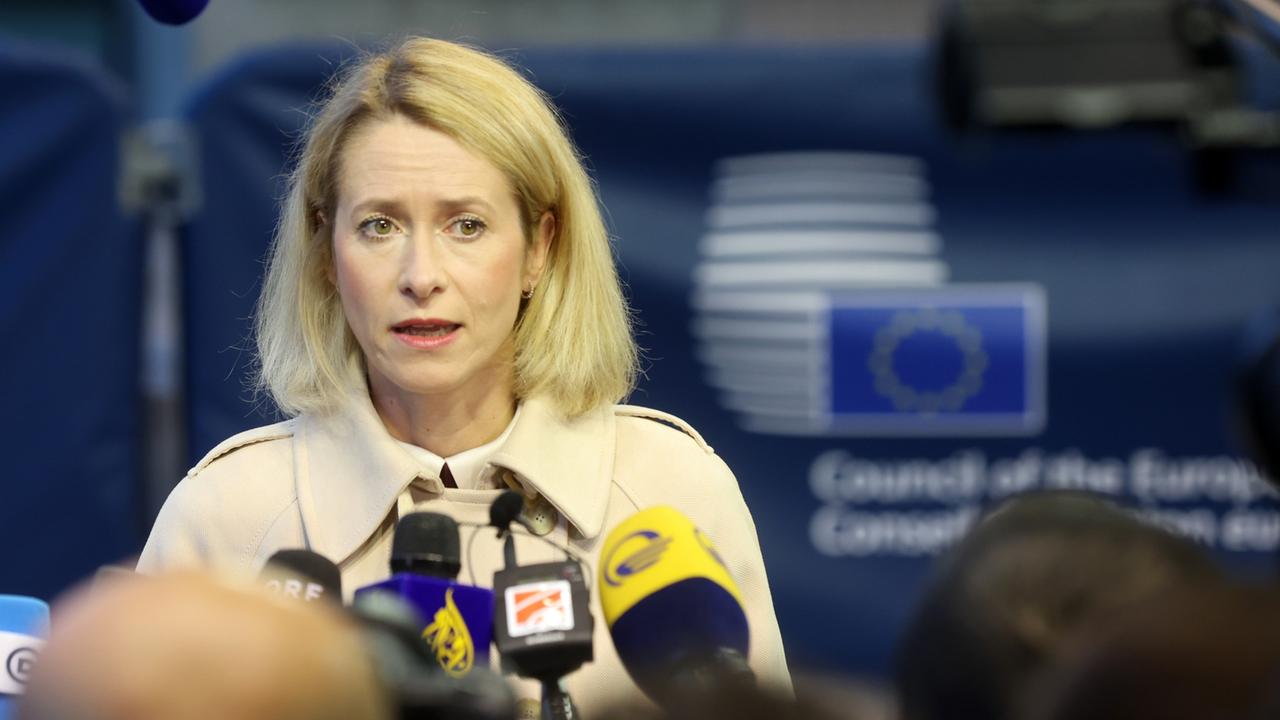
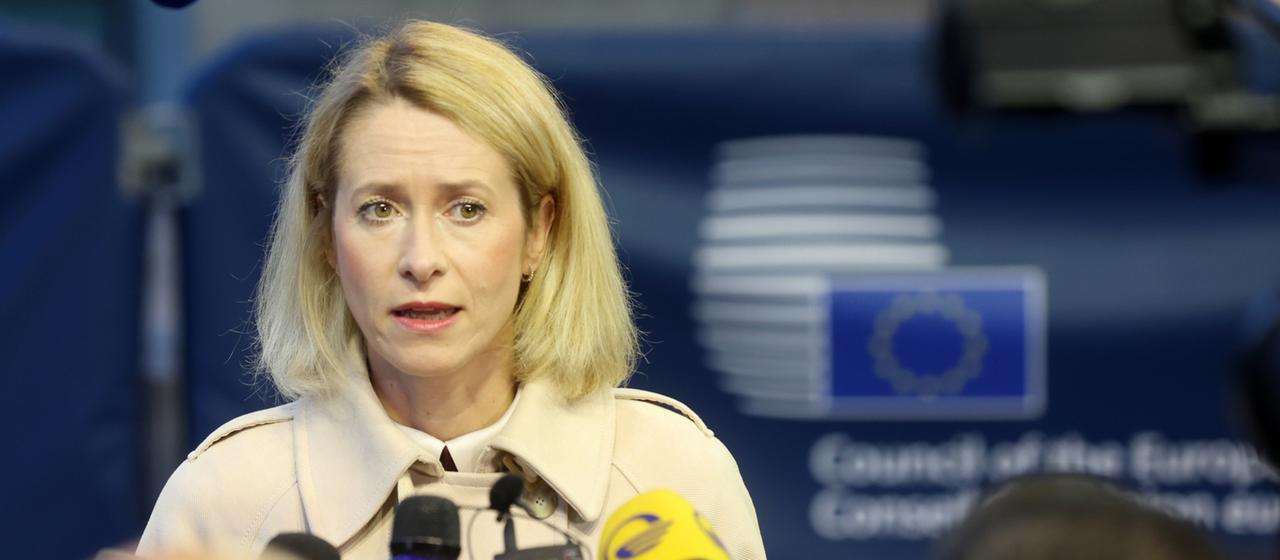
The decision to enact this latest sanctions package, long in the planning, was announced by High Representative for Foreign Affairs and Security Policy, Kaja Kallas, following the morning session of the Council of Foreign Affairs in Luxembourg. The sheer scale of the new additions – exceeding 1,600 individuals and organizations – underscores a strategic shift towards a more decisive and impactful application of economic pressure.
"The progress may sometimes feel like a snail’s pace, and this is often true within the EU, especially when 27 member states must agree on new sanctions," acknowledged a senior EU diplomat speaking on condition of anonymity. "However, the painstaking work has culminated in a package that sends an unequivocal message to Moscow and those who enable its brutal war."
The majority of the newly sanctioned entities are directly linked to Russia’s military-industrial complex, the engine room of its war effort. Beyond missile manufacturers, the list encompasses entities involved in the production of drones and other critical military hardware. The inclusion of 77 Russian politicians who legitimized Moscow’s occupation by participating in the Duma elections in the illegally annexed regions of Ukraine highlights the EU’s commitment to holding accountable those who participate in or endorse such flagrant violations of international law. Furthermore, the sanctions extend to seven North Korean entities and individuals, signaling a coordinated effort to disrupt international support networks for Russia’s aggression.
Beyond the Immediate: Addressing Emerging Threats
While the focus remains firmly on Russia’s war in Ukraine, the EU is also demonstrating its agility in responding to evolving threats. Notably, the council is currently discussing approximately 25 additional listings related to a thwarted drone attack in Leipzig, Germany. While a formal decision on these specific measures is pending further legal review, the swift consideration underscores the EU’s commitment to addressing any threat to its internal security.
A Shadow Cast by American Policy: Trump’s "Diesel Deal"
However, the unified front of EU sanctions is being tested by recent developments emanating from Washington. The question of how to further increase pressure on Russia has been significantly complicated by what many in Brussels view as a detrimental move by U.S. President Donald Trump. On Friday, Trump announced a controversial "diesel deal" with Russia, a move that directly contradicts the spirit and intent of international sanctions.
This decision, unveiled just weeks before crucial midterm elections in the United States, appears to be a strategic maneuver aimed at lowering domestic fuel prices. The U.S. administration has indicated a willingness to temporarily suspend sanctions on Russian energy exports, a significant concession that could inject much-needed revenue into Russia’s war chest.
"This is a deeply concerning development," stated a senior EU official. "At a time when we are doubling down on our efforts to isolate Russia economically, any action that facilitates their energy exports, regardless of the stated domestic rationale, has global implications and undermines our collective strategy."
The specifics of the "diesel deal" involve the immediate import of 300,000 tons of Russian diesel, with plans for further significant imports in November and beyond, contingent on the production capacity of Russian refineries. The apparent lack of substantial political concessions from Moscow in exchange for these energy sales has further fueled criticism within the EU.
EU’s Forthright Stance Expected
In Luxembourg, a clear and unequivocal statement from the EU foreign ministers is anticipated regarding President Trump’s announcement. The timing is particularly sensitive, as Trump has also renewed his rhetoric blaming Ukraine for the current energy crunch in the United States, demanding Kyiv cease its attacks on Russian energy infrastructure – a rare and effective lever of pressure available to Ukraine.
The announcement of an "energy ceasefire" by Trump, which Russia has seemingly disregarded by continuing its attacks on Ukrainian power plants, further highlights the diverging approaches to the conflict. While the U.S. President appears to be prioritizing short-term domestic economic concerns, the EU remains steadfast in its commitment to a long-term strategy of isolating Russia and supporting Ukraine’s sovereignty.
German Foreign Minister Johann Wadephul, represented at the meeting in Luxembourg, reiterated Berlin’s unwavering support for Kyiv. "We stand firm with the Ukrainian government and President Zelenskyy," he stated from Berlin. "We will continue to offer our full support in the execution of his incredibly difficult mandate."
Putin’s Potential Gains and a Complex Global Landscape
Russian President Vladimir Putin is likely observing these developments with considerable satisfaction. While EU foreign ministers are deliberating on new sanctions, Russia may find itself benefiting from increased energy revenues, bolstering its capacity to fund its protracted war. This comes at a time when the U.S. Congress, in a seemingly contradictory move, recently granted the President broad powers to impose new sanctions on Russia.
The conflicting signals from Washington are creating a complex geopolitical landscape, forcing European allies to navigate a path that upholds their commitment to Ukraine while grappling with the actions of a key strategic partner.
Beyond Sanctions: A Multifaceted Agenda
The EU foreign ministers’ agenda in Luxembourg extends beyond the critical issue of Russia sanctions. A significant point of discussion will be the securing of Ukrainian grain exports through the Black Sea. Russia’s intensified attacks on cargo ships and grain silos have had devastating consequences not only for Ukraine’s economy but also for global food security, particularly in Africa and Asia. Ukrainian Foreign Minister Andrii Sybiha is present to engage in discussions on strategies to better protect these vital transit routes.
Furthermore, the ministers are set to address the ongoing situation in the Middle East. A key item on the agenda is the future of the United Nations Interim Force in Lebanon (UNIFIL), whose mandate is set to expire at the end of the year. Established in 1978, UNIFIL has, for decades, comprised approximately 10,000 blue helmets tasked with monitoring the border between Lebanon and Israel.
The EU is currently deliberating on a successor mission, which is envisioned to be significantly scaled down and focused primarily on training. High Representative Kaja Kallas’s visit to the region last week underscored the EU’s proactive engagement, and she is expected to announce the commencement of this new mission during the Luxembourg meeting.
The breadth of topics on the foreign ministers’ agenda – from the immediate crisis in Ukraine and the geopolitical fallout of U.S. policy to critical humanitarian concerns and regional stability – reflects the long and challenging list of international crises demanding the EU’s attention and leadership.





