


Krakow, Poland – October 11, 2026 – Poland’s second-largest city, Krakow, is holding its breath as it prepares for a pivotal mayoral runoff election. More than 600,000 citizens are eligible to cast their ballots in a race that has become a significant indicator of the nation’s political mood ahead of the upcoming parliamentary elections. The contest pits Monika Piatkowska, a candidate strongly aligned with the ruling party, against Lukasz Gibala, an independent who is expected to draw support from the right. This election is not merely about the leadership of Krakow; it serves as a crucial barometer for the national political climate, particularly for the governing coalition.
The urgency of this election stems from an unusual circumstance: a successful referendum initiated by citizens to prematurely recall the previous mayor. This mechanism, while a cornerstone of democratic participation, has increasingly been weaponized by populist forces to unseat established liberal leaders. In Krakow, this strategy proved effective in May, leading to the ousting of liberal Mayor Aleksander Miszalski after just two years in office. The subsequent campaign has been a whirlwind, culminating in this two-candidate showdown after an initial field of seven contenders.
The Road to the Runoff: An Accelerated and Contentious Campaign
The current mayoral election in Krakow is a direct consequence of a successful citizen-led referendum that ousted the incumbent. This mechanism, while designed to enhance democratic accountability, has become a tool for political maneuvering.
May 2026: A significant number of signatures are gathered for a referendum to recall Krakow’s then-Mayor, Aleksander Miszalski. Miszalski, a liberal politician, had been in office for two years.
Late May 2026: The referendum is held, and a majority votes to recall Mayor Miszalski. This triggers the need for a snap mayoral election.
June – September 2026: A rapid election campaign commences. Initially, seven candidates vie for the mayoral seat, representing a spectrum of political ideologies and backgrounds. The campaign is marked by intense jockeying for position and the articulation of distinct visions for Krakow’s future.
Early October 2026 (First Round of Voting): The first round of the mayoral election takes place. The results indicate a close race, with neither candidate securing the necessary 50% of the vote to win outright. Monika Piatkowska, the government-aligned candidate, surprisingly lands behind her independent challenger, Lukasz Gibala. This outcome immediately signals the complexity of the upcoming runoff.
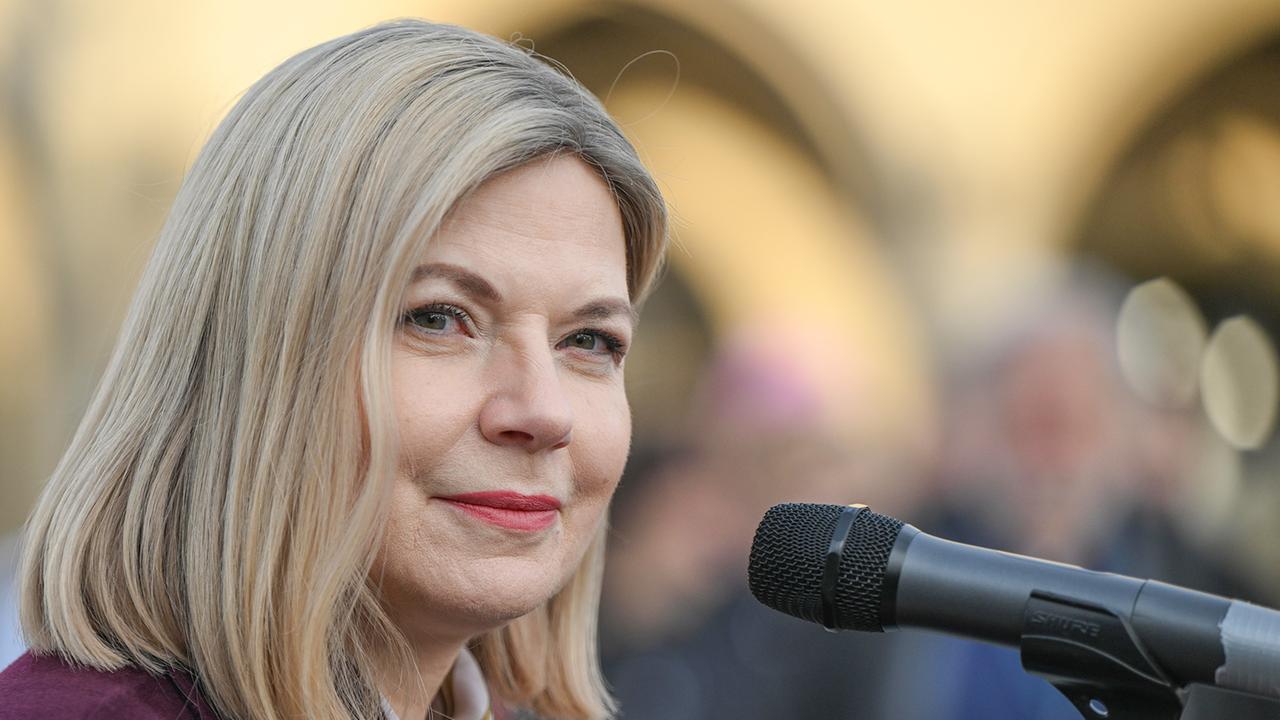
Mid-October 2026 (Runoff Election): Krakow heads to a second round of voting between the top two candidates: Monika Piatkowska and Lukasz Gibala. This runoff is widely seen as a critical test for the ruling party and its ability to mobilize voters.
This accelerated timeline has compressed the traditional campaign cycle, leaving little room for sustained policy debate and fostering an environment where personal attacks and accusations have often overshadowed substantive discussions.
A Campaign Defined by Accusations, Not Policies
The final stretch of the campaign has been characterized by a palpable rise in tensions and a shift towards negative campaigning, according to local political analysts. Marek Bankowicz, a political scientist at Krakow University, observes that the initial positive platforms presented by the candidates have largely been exhausted. "What remains for the runoff is primarily a negative campaign," Bankowicz stated. "Instead of focusing on positive solutions, the discourse has devolved into mutual criticism of opponents."
This sentiment is echoed across the city. The campaign has been marred by accusations, smear tactics, and even legal disputes, creating an atmosphere of animosity. Critically, a direct, substantive debate between the candidates on the pressing issues facing Krakow has been conspicuously absent. This is particularly concerning given the importance of the challenges at hand, which resonate with urban centers across Europe. These include vital questions surrounding public transportation, the burgeoning tourism sector, and the ever-present issue of affordable housing. Despite these critical areas, the electoral process has failed to facilitate a deep dive into the differing approaches Piatkowska and Gibala propose for the city.
Two Divergent Visions for Krakow’s Future
The runoff election presents voters with a stark choice between two candidates offering distinct visions for Krakow’s development.
Monika Piatkowska, a 52-year-old with extensive experience in Krakow’s municipal administration, where she was involved in urban planning, is advocating for ambitious infrastructure projects. Her flagship proposal includes the construction of a subway system for the city and initiatives aimed at making housing more affordable for young people. Piatkowska’s campaign strategy has heavily emphasized her strong ties to the national government. She has argued that Krakow’s development hinges on securing external investment and financial support, and she believes her close relationship with the ruling party is instrumental in achieving this.
"Our city needs investments and financial support," Piatkowska stated during the campaign. "We know that this must be procured from external sources." She further emphasized the advantage of her political affiliation: "And I also know that the city needs the support of the government and the Prime Minister. Today, we are in a very comfortable position, as the Polish Prime Minister belongs to my political camp; we maintain good relations and work together successfully." This message clearly signals her reliance on the leverage that proximity to national power can provide.
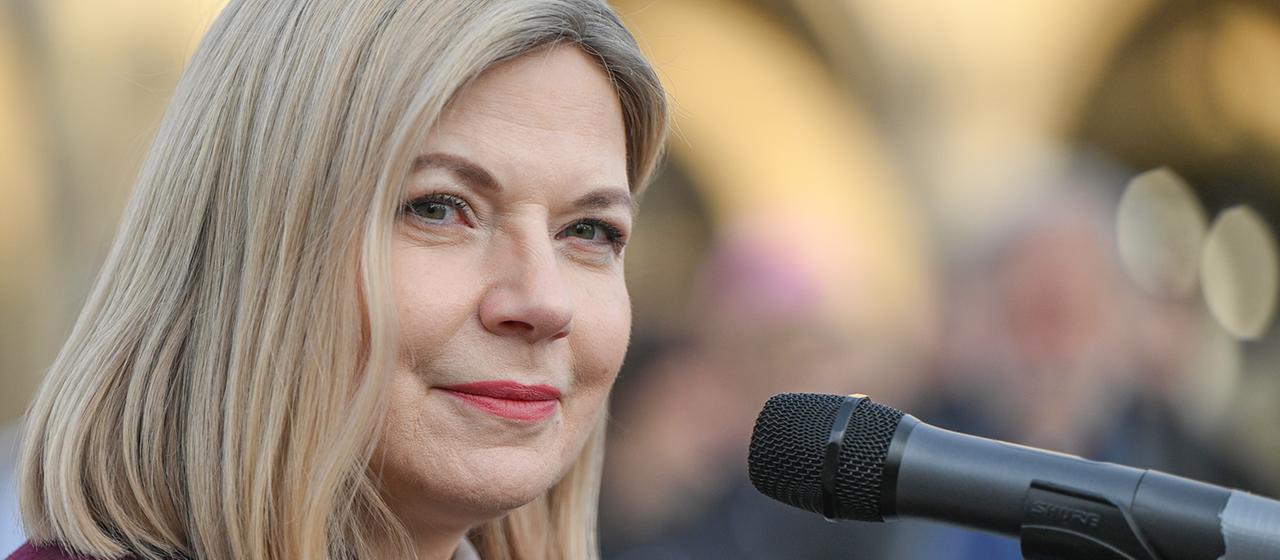
Lukasz Gibala, a 49-year-old entrepreneur and Krakow native, presents a different set of priorities. He champions the expansion of the tram network, advocating for increased tourism taxes, and proposes the renovation of vacant buildings. Gibala’s campaign has centered on a platform of prioritizing residents above all else.
"I will do everything to achieve my goal: to make Krakow better," Gibala declared. "To create a Krakow for the residents – not for political parties, not for tourists, not for real estate developers, not for big capital." He explicitly aims to create "a Krakow simply for the residents," underscoring a populist appeal that resonates with concerns about urban development being driven by external interests.
Gibala, who is described as wealthy and currently serves on the city council, has been a vocal critic of the previous administration’s approach. Polish media has reported that his organization, "Krakow for the Residents," played a significant role in financing the campaign that led to the former mayor’s recall. This marks Gibala’s fourth attempt to secure the mayoral position in his hometown. While he has stressed his independent candidacy and distanced himself from far-right parties, observers anticipate that he will indeed draw significant support from the right-wing electorate, a demographic that feels disenfranchised by the current government.
Piatkowska’s Reliance on National Support: A Double-Edged Sword
Monika Piatkowska’s campaign has been conspicuously bolstered by endorsements from prominent figures within the national government, including Prime Minister Donald Tusk himself. This strategy is rooted in the belief that strong connections to Warsaw are essential for securing the necessary investments and resources for Krakow’s development. Piatkowska has openly articulated this: "Today, we are in a very comfortable position, as the Polish Prime Minister belongs to my political camp; we maintain good relations and work together successfully."
However, this overt backing from the national government has not translated into a decisive lead for Piatkowska. Her performance in the first round of voting, where she trailed Gibala, suggests that the direct endorsement from Warsaw may not be as potent a mobilizing force as anticipated. This has introduced a layer of uncertainty into the runoff, as the government’s strong support has, paradoxically, not guaranteed a comfortable victory. The fact that she finished behind Gibala in the initial vote indicates that the local dynamics and Gibala’s populist appeal have resonated strongly with a segment of the electorate, potentially outweighing the national political advantage.
Broader Implications: A Crucial Test for the Ruling Coalition
The mayoral election in Krakow is far more than a local contest; it is widely regarded as a significant litmus test for the ruling coalition. With parliamentary elections looming in just one year, the outcome in Krakow carries substantial weight for the national political landscape.
Political observers are closely watching how the government’s strong endorsement of Piatkowska will fare against Gibala’s independent, and potentially right-leaning, candidacy. A victory for Piatkowska would be interpreted as a validation of the ruling party’s policies and their ability to connect with voters at the local level. Conversely, a loss could signal potential vulnerabilities and challenges in mobilizing their base for the upcoming general elections. The performance of the ruling party’s candidate in a major urban center like Krakow, especially when heavily backed by the Prime Minister, provides crucial insights into their electoral strength and the public’s perception of their leadership. The results will undoubtedly shape campaign strategies and political narratives leading up to the national polls, making the Krakow runoff a pivotal moment in Polish politics.







