As the region moves through the final week of October, Saxony is experiencing a mix of transitional autumn weather and significant socio-economic developments. From the shifting meteorological conditions that define the daily lives of its residents to the critical infrastructure and social challenges facing its municipalities, the state is at a pivotal juncture. This report provides a detailed analysis of the current weather outlook and examines the broader regional news impacting the lives of Saxons today.
Meteorological Outlook: A Transition Toward Colder Days
The weather in Saxony this Friday reflects the classic, unpredictable nature of mid-autumn. In the eastern parts of the state, residents can expect a somewhat gentle start to the day. The morning hours will feature patches of clear skies, providing a brief, crisp interlude of sunlight. However, this relief is temporary. Meteorological models indicate a steady increase in cloud cover, which is expected to blanket the region by midday.
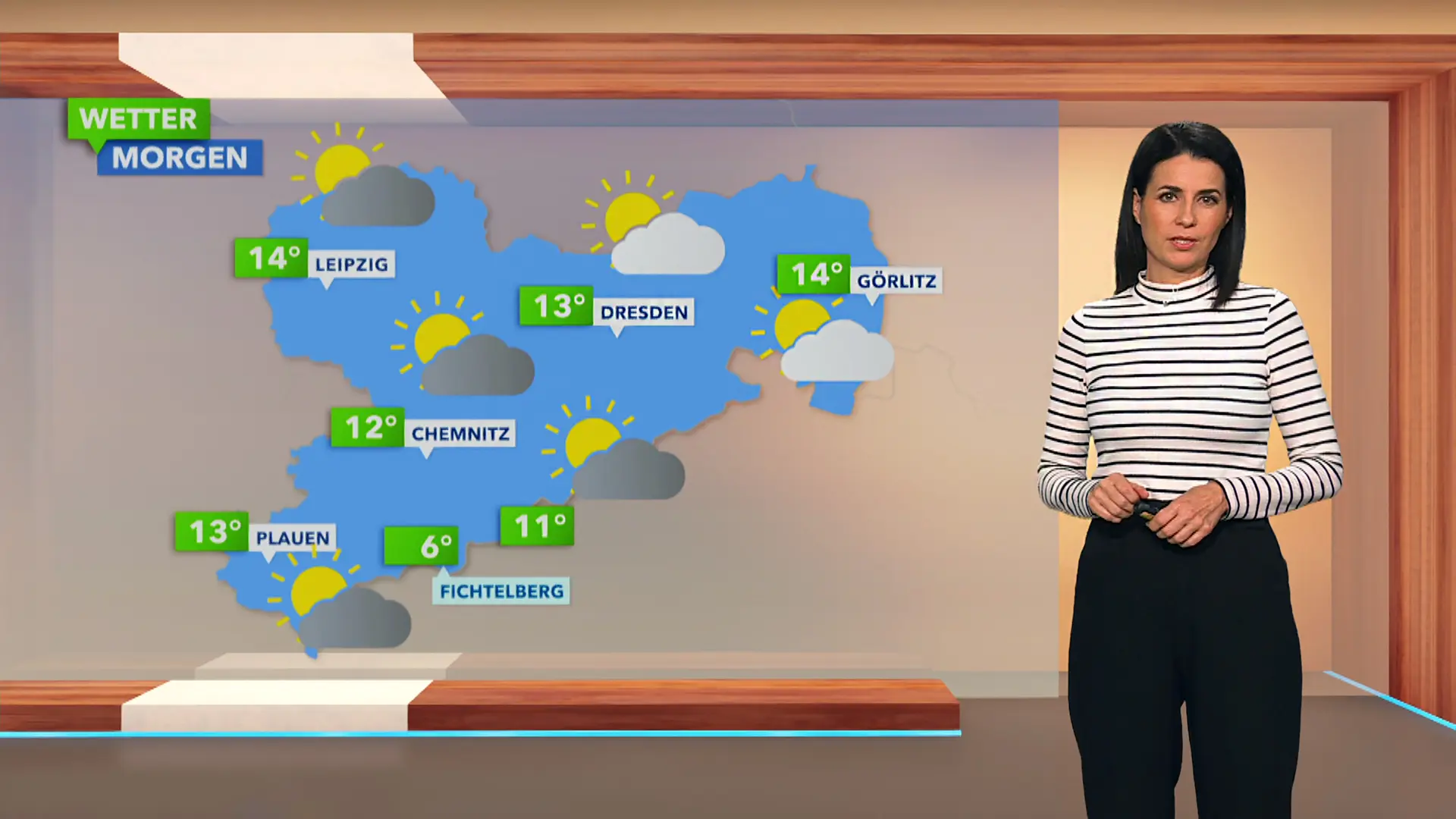
As the clouds thicken, light, sporadic rainfall is possible. While this is unlikely to result in significant precipitation, it will contribute to the damp, gray atmosphere typical of late October. The driving force behind these shifting patterns is a persistent westerly wind, which continues to bring moderate temperatures to the lowlands while keeping the higher elevations notably cooler.
Regional Temperature Variations
The temperature landscape across Saxony remains diverse due to the state’s varying topography:
- The Ore Mountains (Erzgebirge): High-altitude regions, specifically the Fichtelberg, will feel the true onset of autumn. Temperatures are expected to peak at a modest 6 degrees Celsius, serving as a reminder that the first frost is not far off.
- Urban Centers: In contrast, the metropolitan areas of Leipzig and Görlitz will experience milder conditions. A high of 14 degrees Celsius is anticipated, providing a comfortable, if somewhat humid, environment for outdoor activities before the evening chill sets in.
A Snapshot of Regional Developments: The "Sachsenspiegel" Summary
The regional news cycle has been dominated by a series of reports regarding infrastructure, economic stability, and social welfare. The following sections break down the key events currently shaping the discourse in Saxony.
Infrastructure and Economic Challenges
Recent reports from the "MDR Sachsenspiegel" have highlighted significant concerns regarding the state’s rail network. Following a decision by the European Court of Justice to strike down the national track price brake, transportation companies are now facing significantly higher costs for utilizing the German rail infrastructure.
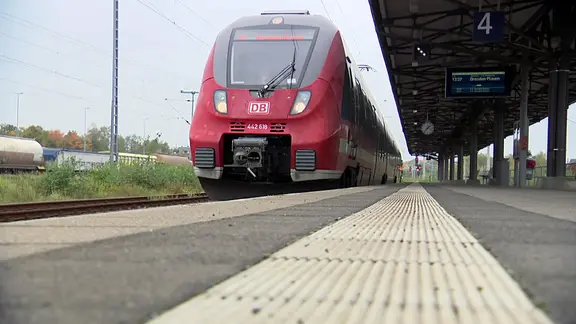
Industry experts warn that these increased operational costs are likely to lead to a thinning of services and potential price hikes for passengers. This development comes at a difficult time for commuters and tourists alike, as the reliability of public transport remains a primary concern for the state’s economic connectivity.
The Energy Sector: Insolvency Risks
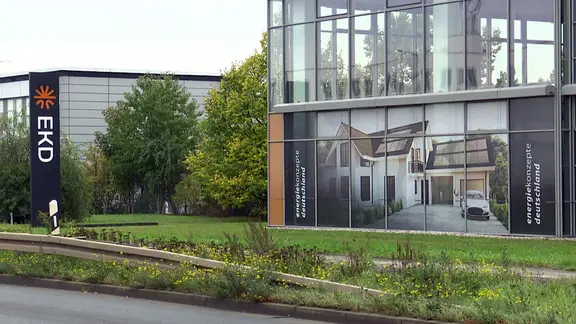
The energy transition, a cornerstone of German policy, has hit a stumbling block in the form of the insolvency of the solar power giant "Energiekonzepte Deutschland" (EKD). With its operations centered in Leipzig and Taucha, the company’s financial instability has sent shockwaves through the local economy. While current reports suggest that the business will continue to operate for its permanent employees in the short term, the primary concern remains the thousands of customers who have invested in solar installations and now face uncertainty regarding service, maintenance, and warranty claims.

State-Level Diplomacy: The Mongolian Visit
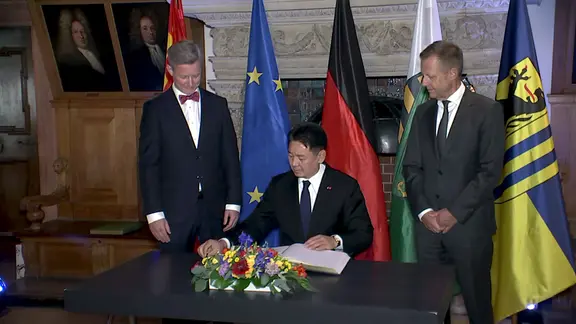
On a diplomatic note, the Free State of Saxony recently hosted the President of Mongolia, Khurelsukh Ukhnaa. During his official visit to Germany, the President spent time in both Leipzig and Dresden. The visit included a cultural tour of the Old Masters Picture Gallery in Dresden, accompanied by Minister-President Michael Kretschmer. This engagement underscores Saxony’s ongoing efforts to strengthen international ties and promote its rich cultural heritage on the global stage.
Supporting Data: Social and Wildlife Welfare
Amidst the political and economic news, the state is also dealing with pressing social and ecological issues.
The Hedgehog Crisis in Radebeul
A poignant example of the current environmental strain is the situation at the Igelhilfe (Hedgehog Help) center in Radebeul. The facility has been forced to implement a complete intake freeze. The primary issue is that a record number of young hedgehogs have failed to reach the necessary weight to survive the coming winter. The center is currently at maximum capacity, with volunteers working around the clock to provide the necessary care to ensure these animals can successfully hibernate.
E-Mobility in Dresden
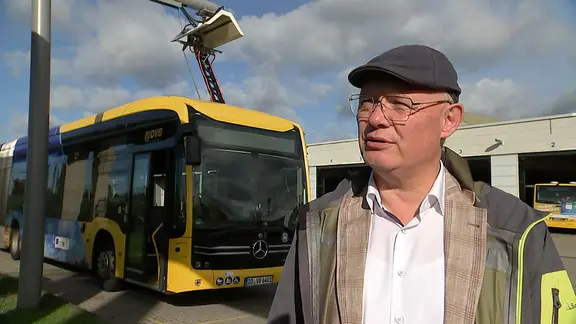
In a push toward modernization, the Dresden Transport Authority (DVB) has reaffirmed its commitment to green energy. The supervisory board has approved the procurement of 18 new electric buses to be integrated into the city’s fleet by the end of the year, with an additional 20 scheduled for delivery by the spring of 2028. This move is intended to bolster the city’s existing fleet of 21 e-buses and reduce the carbon footprint of the public transport system.
Official Responses and Implications
The convergence of these events paints a picture of a state in transition. The official response to these challenges has been a mix of caution and strategic investment.
Economic Implications of Rail Costs
The transport sector’s response to the rail price increases has been one of collective alarm. Industry advocacy groups are calling for the federal government to intervene with new subsidies or legislative support to prevent a "transport desert" from forming in more rural parts of Saxony. Without intervention, there is a high probability that low-frequency rail lines could be phased out, isolating smaller communities and forcing more citizens into private vehicle use.
The "Haus Leben" Initiative
In more positive news, the "Haus Leben" association has successfully secured new funding for its projects. The "Vereint stark" (United Strong) initiative has provided a much-needed financial boost to the organization, which supports cancer patients and their families. This funding ensures that vital counseling and therapy services will remain available throughout the upcoming year, highlighting the importance of community-led social support systems in the region.
The Legal and Social Landscape
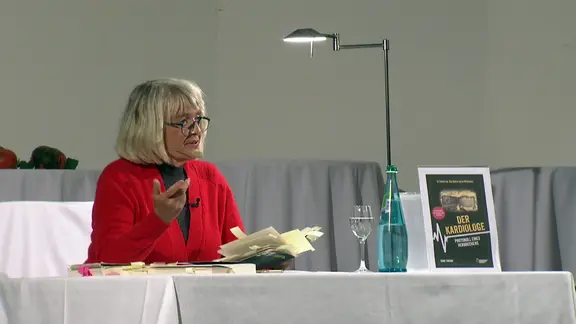
The judiciary and law enforcement sectors have also been active. Recent updates on the murder trial of a prominent Chemnitzer cardiologist have brought closure to a case that shocked the state two and a half years ago. The conviction of the victim’s spouse, coupled with the release of a new book on the case by former court reporter Gabi Thieme, has reignited discussions on domestic safety and the legal system’s efficacy in handling complex, high-profile criminal cases.
Chronology of Recent Events
To better understand the current climate, it is essential to look at the sequence of events over the past few days:
- October 15: The introduction of electronic ankle bracelets for stalkers and offenders in Saxony marked a new step in victim protection.
- October 16: A five-year-old boy from Chemnitz launched a successful fundraising campaign for the homeless, capturing the public’s imagination and proving the impact of individual initiative.
- October 17: The agricultural sector raised alarms over proposed changes to genetic engineering regulations, fearing the impact on traditional farming practices.
- October 18: Two teenagers were lauded for their heroic efforts in rescuing a toddler from drowning, serving as a reminder of the community resilience present in the state.
- October 19: The Dresden authorities continued to process a large-scale human trafficking ring, a case that remains under heavy scrutiny by the judiciary.
- October 20: The festive season began its early preparations with a job fair for Christmas markets in Dresden, marking the unofficial start of the winter economic season.
- October 21: Minister-President Michael Kretschmer publicly advocated for the Volkswagen AutoUnion brand to be associated with the Zwickau-Mosel plant, aiming to secure the region’s industrial future.
- October 22: The state saw a convergence of international diplomacy with the Mongolian President’s visit and urgent domestic issues regarding the rail network and the EKD insolvency.
Future Outlook: Navigating the Winter Months
As Saxony looks toward November, the focus will shift from the pleasantries of early autumn to the logistical realities of winter. The energy sector’s instability, the potential for reduced public transport efficiency, and the ongoing efforts to protect the region’s wildlife all point to a challenging few months ahead.
However, the resilience shown by the "Haus Leben" association, the youth-led initiatives in Chemnitz, and the ongoing investment in e-mobility in Dresden suggest that the state is not merely reacting to these challenges but is actively attempting to build a more sustainable and supportive future.
Conclusion
The current situation in Saxony is characterized by a high degree of interdependence between environmental factors, economic policy, and social welfare. Whether it is the weather patterns dictating the daily rhythm of the Erzgebirge or the high-level diplomatic visits in Dresden, every event is a thread in the larger tapestry of the Free State’s identity.
Residents are encouraged to stay informed through regional outlets such as the "MDR Sachsenspiegel," which continues to act as a vital clearinghouse for the information needed to navigate these shifting times. As the state moves toward the end of the year, the combination of cautious fiscal management and grassroots social engagement will remain the primary drivers of stability for the people of Saxony.
The weather may be turning gray, but the active, evolving landscape of Saxony’s social, economic, and political sectors ensures that the region remains a center of vital activity and development.