Frankfurt am Main, Germany – October 15, 2026 – In a development that reshapes the European banking landscape, Italian financial giant UniCredit has announced it has received crucial approval from the European Central Bank (ECB) to proceed with its long-anticipated takeover of Germany’s Commerzbank. This green light marks a significant breakthrough in UniCredit’s two-year pursuit, allowing the Milan-based bank to convert a substantial portion of its Commerzbank shares into its own holdings and surpass the critical 30% ownership threshold.
The announcement, made late Thursday, signals the removal of a major regulatory hurdle that had previously cast uncertainty over the audacious bid. UniCredit has confirmed the ECB’s decision permits it to exceed 30% capital participation in Commerzbank and continue increasing its stake without an upper limit, paving the way for eventual full control. With other outstanding regulatory approvals expected by year-end, UniCredit anticipates holding approximately 50% of Commerzbank’s voting rights, effectively taking control of the Frankfurt-headquartered institution.
This strategic move is poised to create a formidable banking entity in Europe, consolidating market power and potentially driving a new wave of cross-border mergers in a sector grappling with intense competition, digital disruption, and the lingering effects of a low-interest-rate environment. However, the path to this point has been fraught with resistance, reflecting the complex interplay of economic ambition, national interest, and prudential oversight.
Main Facts: A Decisive Regulatory Nod
The core of Thursday’s announcement is the European Central Bank’s formal approval for UniCredit to significantly increase its stake in Commerzbank. This permission is not merely procedural; it is a vital prudential clearance required for any entity to acquire a "qualifying holding" in a supervised credit institution, especially one as systemically important as Commerzbank. UniCredit confirmed that the ECB has specifically sanctioned the bank to cross the 30% ownership threshold, and crucially, to continue augmenting its capital participation without any imposed ceiling.
This approval relates directly to a complex exchange offer UniCredit executed during the summer, through which it secured access to nearly half of Commerzbank’s shares. These shares, acquired through a mix of direct purchases and sophisticated financial instruments, can now be formally converted and integrated into UniCredit’s balance sheet, solidifying its position as the dominant shareholder. The Italian bank views this as an "important milestone" in its long-term strategy to absorb Commerzbank.
The immediate consequence of this regulatory clearance is the accelerated consolidation of UniCredit’s influence. While UniCredit already held a substantial economic interest, the ECB’s blessing transforms this into actionable control, moving beyond passive investment. The bank expects to command around 50% of Commerzbank’s voting rights by the end of the year, effectively enabling it to steer the strategic direction of the German DAX-listed company. This shift in control is expected to trigger further integration steps, leading to a full merger.
Chronology of a Two-Year Pursuit
UniCredit’s ambition to acquire Commerzbank is not a sudden development but the culmination of a persistent, multi-year strategic initiative. The pursuit began in earnest roughly two years ago, driven by UniCredit’s desire for expansion, market diversification, and cost synergies within the fragmented European banking sector.
Early Stages and Initial Interest (Late 2024 – Early 2025): Rumours of UniCredit’s interest in Commerzbank first surfaced in financial media, often dismissed as speculative given the political sensitivities surrounding Germany’s second-largest listed bank. Commerzbank, having undergone significant restructuring post-financial crisis and still partially owned by the German state, was considered a sensitive target. UniCredit, under the leadership of its CEO, began discreetly accumulating a small stake, signalling its long-term intent.
Escalation and Formal Approach (Mid-2025): As UniCredit’s strategic intent became clearer, the bank began a more direct engagement. Initial overtures were reportedly met with strong resistance from Commerzbank’s management board and supervisory board, which steadfastly defended the bank’s independence and its ongoing transformation strategy. The German government, a significant shareholder, also expressed reservations, emphasizing the importance of Commerzbank as a national institution and employer.
The Public Offer and Exchange Mechanism (May – Summer 2026): The decisive phase of the takeover bid commenced in May 2026, when UniCredit launched a formal, albeit complex, offer for all Commerzbank shares. This offer was structured to allow Commerzbank shareholders to exchange their holdings for UniCredit shares, or a combination of cash and shares. Crucially, UniCredit also employed sophisticated financial instruments and derivatives to gain economic exposure to a significant portion of Commerzbank’s stock without immediately acquiring direct voting control. This strategy allowed UniCredit to build up its stake while awaiting necessary regulatory approvals, particularly from the ECB. Through this "Tauschangebot" (exchange offer) and other complex financial transactions, UniCredit managed to secure access to nearly half of Commerzbank’s outstanding shares by the summer of 2026.
The Waiting Game for ECB Approval (Summer – October 2026): The period following the share acquisition was characterized by a regulatory waiting game. The conversion of these economically held shares into direct voting rights, and especially the crossing of significant ownership thresholds (such as 30%), required explicit approval from the European Central Bank, in its capacity as the primary prudential supervisor for major European banks. This was widely recognized as the most critical hurdle. During this time, despite the ongoing resistance, both banks entered into negotiations regarding a potential merger, signaling a pragmatic shift from outright opposition towards exploring the terms of an eventual combination.
The ECB’s Green Light (October 15, 2026): The announcement on October 15, 2026, officially brings this phase to a close. With the ECB’s approval now secured, UniCredit can move forward with consolidating its direct ownership and is poised to assume control by the end of the year, marking a pivotal moment in the history of both institutions.
Supporting Data: Strategic Rationale and Market Dynamics
The pursuit of Commerzbank by UniCredit is underpinned by compelling strategic rationale, reflecting broader trends in the European banking sector. The deal, when finalized, will create a banking behemoth with significant market share across multiple European economies.
UniCredit’s Strategic Imperatives: For UniCredit, the acquisition of Commerzbank is a clear move to enhance scale, diversify revenue streams, and gain a stronger foothold in the robust German economy. Germany represents Europe’s largest economy, and Commerzbank, despite its past challenges, boasts a strong corporate client base, particularly among Germany’s Mittelstand (small and medium-sized enterprises), a segment highly attractive to UniCredit. The merger would allow UniCredit to reduce its reliance on its home market in Italy, which has its own economic vulnerabilities. Furthermore, in an era of digital transformation and rising compliance costs, increased scale offers opportunities for significant cost synergies through branch network optimization, IT system integration, and reduced back-office overhead. UniCredit has consistently highlighted the potential for substantial cost savings and revenue uplift through cross-selling opportunities between its existing client base and Commerzbank’s customers.
Commerzbank’s Market Position: Commerzbank has a chequered history, having been partially nationalized during the 2008 financial crisis. The German government still holds a significant stake, around 15%, making it a "national champion" in the eyes of many. Over the past decade, Commerzbank has undergone several restructuring programs, including significant branch closures and digital investments, aimed at improving profitability. While these efforts have yielded positive results in recent years, the bank still faces challenges in achieving sustainable, high-growth returns amidst intense competition from domestic rivals and agile fintechs. Its strong presence in corporate banking, however, remains a valuable asset.
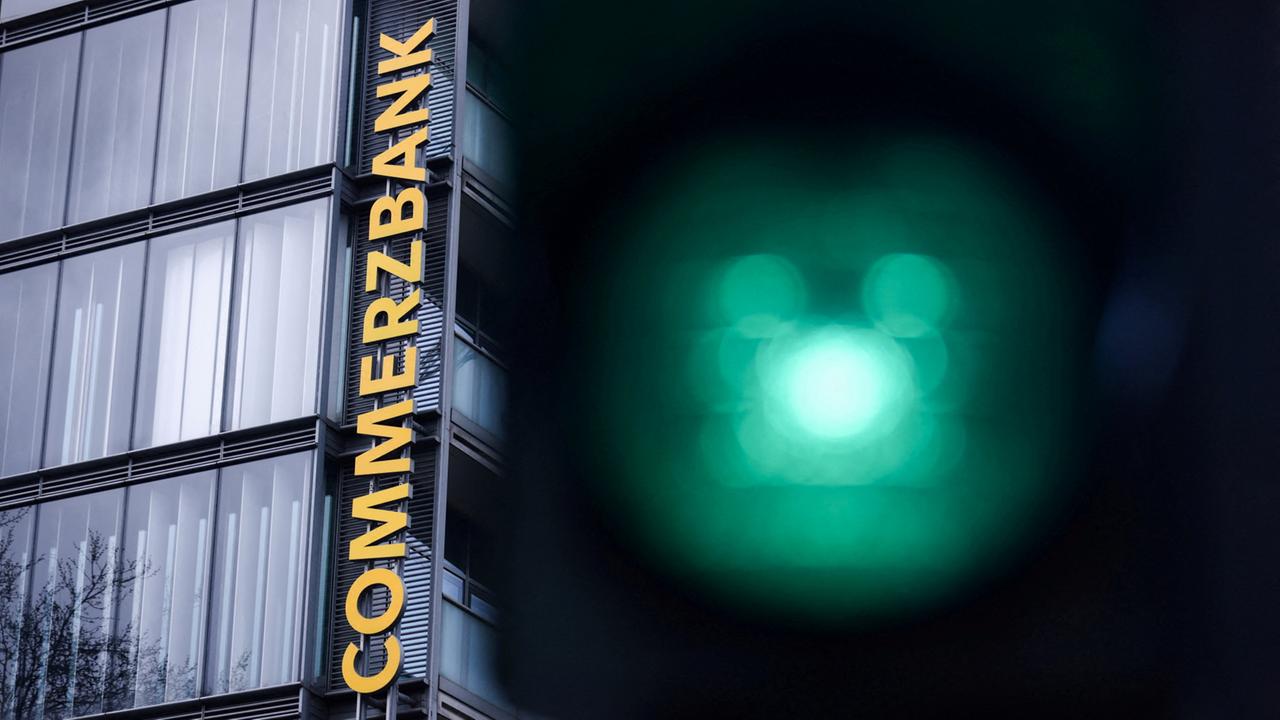
European Banking Consolidation: This takeover aligns with a broader, albeit slow-moving, trend of consolidation within the European banking sector. Regulators and analysts have long argued that Europe has too many banks, leading to inefficiencies and hindering profitability compared to their U.S. counterparts. Cross-border mergers, in particular, are seen as a way to create stronger, more resilient banks capable of competing on a global scale. Deals like UniCredit-Commerzbank signal a potential acceleration of this trend, driven by the need for greater scale to invest in technology, manage regulatory burdens, and withstand economic shocks. The ECB itself has often encouraged such consolidation, provided it leads to stronger and more stable financial institutions.
Market Reaction (Hypothetical): Following the announcement, financial markets are likely to react positively to the clarity provided by the ECB’s approval. Commerzbank’s shares could see an uptick, reflecting the increased certainty of the takeover and potentially a premium associated with the final stages of the acquisition. UniCredit’s stock might experience a more nuanced reaction; while the strategic benefits are clear, investors may also weigh the significant integration challenges and potential short-term costs associated with merging two large, complex organizations across national borders.
Official Responses: From Resistance to Pragmatism
The journey to this point has been marked by strong initial resistance, particularly from Commerzbank and the German government, which gradually softened into a more pragmatic stance.
UniCredit’s Stance: From the outset, UniCredit has maintained a confident and resolute posture. The bank consistently articulated its strategic rationale for the acquisition, emphasizing the creation of a leading European bank with enhanced capabilities and market reach. Following the ECB’s approval, UniCredit reiterated its statement that this is an "important milestone" and expressed confidence in securing the remaining regulatory clearances by year-end. This consistent messaging underscores UniCredit’s long-term commitment and belief in the value proposition of the merger.
Commerzbank’s Initial Opposition: For an extended period, Commerzbank’s management and supervisory boards vehemently opposed the takeover. Their arguments centered on maintaining independence, preserving the bank’s distinct corporate culture, and continuing its self-driven transformation strategy. Concerns were also raised about potential job losses, the impact on regional presence in Germany, and the strategic direction of a combined entity. The link provided in the original article, "Commerzbank: Übernahme soll schwer gemacht werden," clearly indicates this strong initial resistance, where the bank actively sought to make the acquisition difficult for UniCredit. This resistance was rooted in a desire to protect the institution’s identity and ensure its future within the German economic fabric.
The German Government’s Position: The German government, as a significant shareholder (around 15% acquired during the 2008 financial crisis bailout), also voiced strong reservations. Commerzbank is viewed as a critical pillar of the German financial system, particularly for its role in financing the country’s export-oriented Mittelstand. Concerns articulated by government officials, including those cited in the original article (e.g., "Klingbeil stellt Bedingungen für Commerzbank-Übernahme"), typically revolved around:
- Job Security: Protecting German jobs within the banking sector.
- Headquarters Location: Ensuring that the combined entity maintains a strong presence and decision-making power in Germany.
- Strategic Autonomy: Preventing a complete loss of German influence over a key national bank.
- Support for Mittelstand: Ensuring continued dedicated support for Germany’s small and medium-sized enterprises.
While not explicitly blocking the deal, the government’s conditions and public statements aimed to shape the terms of any potential merger to protect German interests. This position reflects a broader European debate about the balance between market efficiency and national economic sovereignty.
Shift Towards Negotiation: The fact that both banks "had recorded negotiations about a merger" despite the initial resistance indicates a significant shift in stance. This suggests that the overwhelming pressure from UniCredit’s growing stake, coupled with the strategic logic of consolidation, eventually led Commerzbank and the German government to a more pragmatic approach. Rather than an outright rejection, the focus shifted to negotiating the best possible terms for a merger, aiming to secure concessions regarding job protection, headquarters, and operational structure. The ECB’s approval now significantly strengthens UniCredit’s hand in these ongoing discussions.
Implications: A New Era for European Banking
The successful acquisition of Commerzbank by UniCredit carries profound implications for both institutions, the German financial sector, and the broader European banking landscape.
For UniCredit: This deal marks a transformative moment. UniCredit will solidify its position as one of Europe’s leading banks, significantly expanding its market share in Germany and across Central and Eastern Europe. The combined entity will boast a substantially larger balance sheet, a more diversified loan book, and an enhanced capital base. The immediate focus will shift to the monumental task of integration – merging IT systems, harmonizing corporate cultures, streamlining operations, and realizing the projected synergies. This process will be complex and could involve significant upfront costs and potential disruption. However, if successful, it promises a more resilient, profitable, and strategically positioned UniCredit capable of competing more effectively with global banking titans.
For Commerzbank: The takeover brings an end to Commerzbank’s long history as an independent German financial institution. While the brand might persist, strategic decisions and ultimate control will reside with UniCredit. For Commerzbank employees, this could mean significant changes, including potential job redundancies as overlapping functions are eliminated. For its customers, particularly the Mittelstand, the key concern will be the continuity and quality of service. UniCredit will need to demonstrate its commitment to these vital client segments to retain their loyalty. The acquisition offers Commerzbank access to UniCredit’s broader international network and potentially more robust investment capabilities, which could benefit its corporate clients.
For the German Banking Sector: The loss of Commerzbank’s independence is a significant moment for Germany. While Deutsche Bank remains, the landscape becomes more consolidated. This move might intensify competition among the remaining German banks, potentially spurring further domestic consolidation or pushing smaller regional banks to seek alliances. The German government’s role as a shareholder will likely diminish or cease, marking a full circle from its bailout intervention. The deal underscores the increasing influence of cross-border capital flows and the challenges faced by national governments in protecting "national champions" in an integrated European market.
For European Banking Consolidation: The UniCredit-Commerzbank merger could serve as a powerful catalyst for further cross-border consolidation in Europe. It demonstrates that such complex deals, despite political and regulatory hurdles, are achievable. Regulators and policymakers, who have long advocated for a more integrated European financial market, will likely view this as a positive step. However, it also highlights the need for a coherent regulatory framework that can facilitate such mergers while safeguarding financial stability and protecting consumer and national interests. Future deals might face similar scrutiny regarding antitrust, job implications, and the treatment of national market specificities.
Future Challenges: Beyond the initial integration, the combined entity will face ongoing challenges. The macroeconomic environment, including interest rate fluctuations and geopolitical risks, will continue to influence profitability. The rapid pace of technological innovation in financial services demands continuous investment. Navigating cultural differences between Italian and German banking traditions will be crucial for long-term success. UniCredit’s ability to successfully execute the merger and realize its strategic vision will be closely watched, as it could set a precedent for the future shape of European finance.
In conclusion, the ECB’s approval for UniCredit’s Commerzbank takeover is more than a regulatory formality; it is a definitive turning point. It heralds the creation of a new European banking powerhouse and signals a potential acceleration of the long-awaited consolidation trend across the continent, promising both opportunities and significant integration challenges in the years to come.