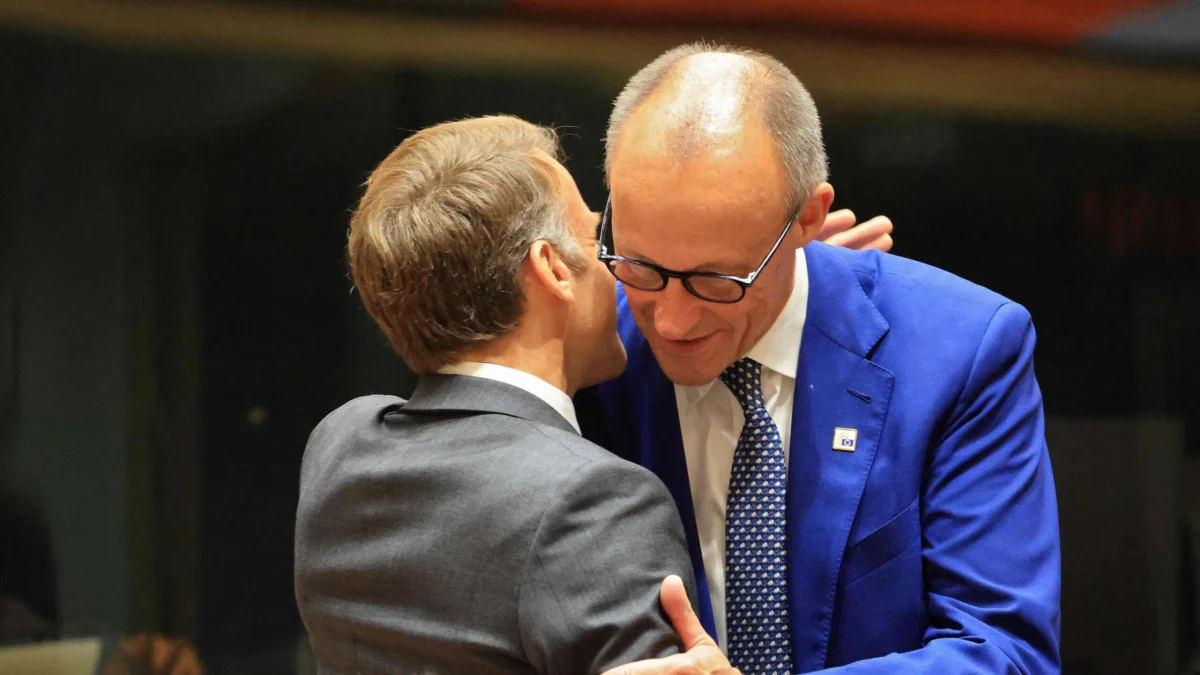
Brussels, Belgium – In a significant diplomatic breakthrough with profound implications for Europe’s automotive sector and its green transition agenda, German Chancellor Friedrich Merz (CDU) and French President Emmanuel Macron have reached a comprehensive agreement on a sweeping reform of European automotive policy. The accord, hammered out in Brussels, represents a delicate balancing act, with Germany securing crucial flexibility on emission targets for internal combustion engines (ICE) and corporate fleet electrification, while France championed stricter "Made in EU" rules to bolster domestic industrial production against burgeoning international competition.
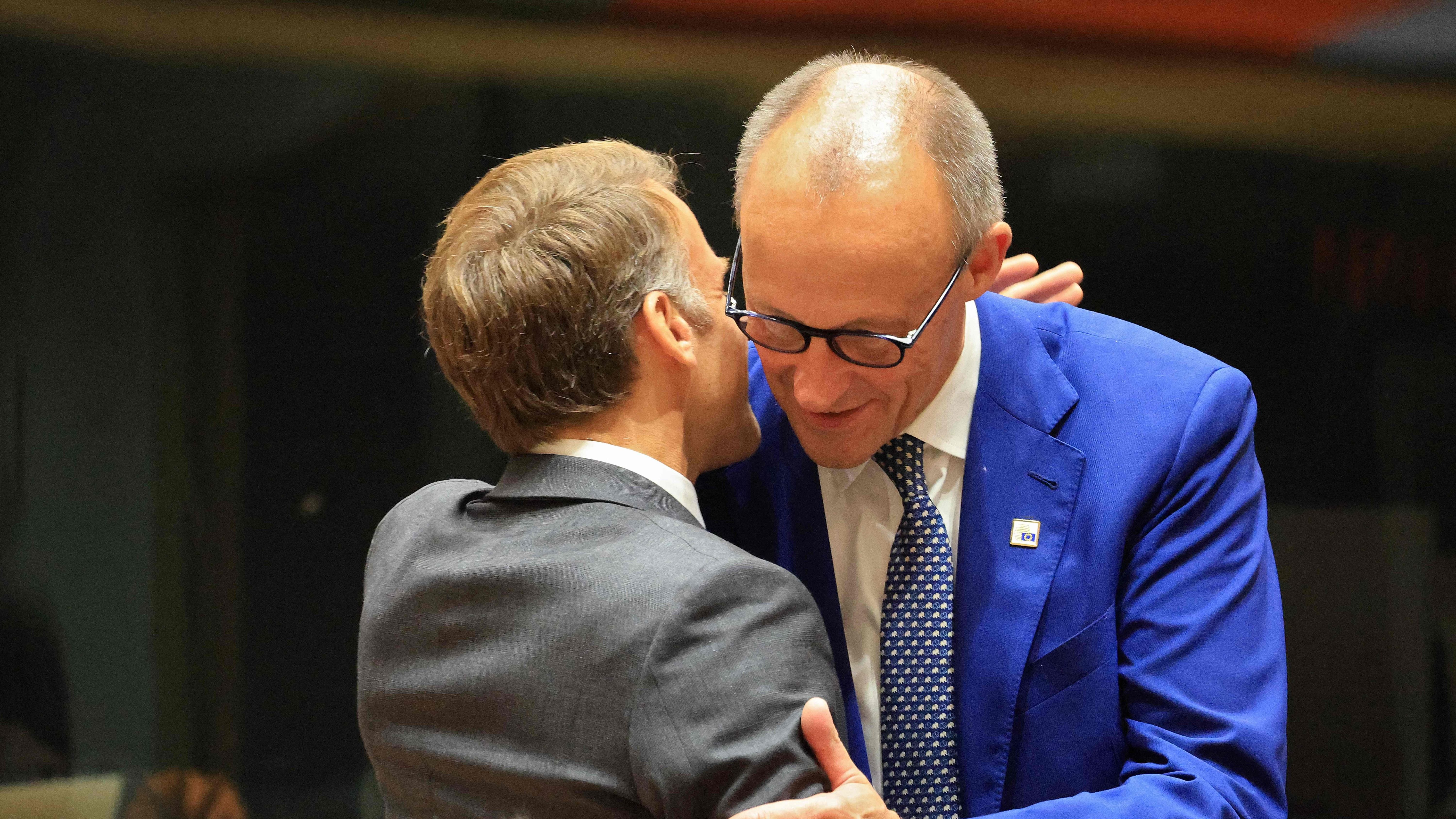
This bilateral agreement between the European Union’s two economic powerhouses is poised to fundamentally alter the bloc’s approach to decarbonization and industrial sovereignty, setting a new course that prioritizes adaptability for traditional automakers while simultaneously seeking to fortify the continent’s manufacturing base. Both leaders are now committed to jointly advocating for these revisions within the EU Council, aiming to amend existing legislative proposals from the European Commission.

The Core of the Brussels Compromise: A Strategic Trade-off
At its heart, the Merz-Macron deal is a political exchange of concessions designed to address key national industrial priorities. For Germany, represented by Chancellor Merz, the primary objective was to inject greater pragmatism and flexibility into the EU’s ambitious climate regulations, particularly the controversial 2035 ban on new fossil fuel cars. This move is widely seen as a response to intense lobbying from the powerful German automotive industry, which has expressed concerns about the