


For over two decades, the USB flash drive was the undisputed king of portable data. From students sharing term papers to IT professionals deploying operating systems, the "thumb drive" was the universal bridge between disconnected machines. However, a quiet revolution in hardware and connectivity has pushed this once-essential gadget to the periphery of modern computing. As we navigate an era defined by high-resolution media, cloud ubiquity, and the rapid evolution of port standards, the humble USB stick is increasingly finding itself an obsolete relic.
The State of the Industry: Main Facts
The decline of the USB flash drive is not due to a single failure, but rather a convergence of technological shifts. Modern data demands have outpaced the design limitations of traditional flash drives. While a 128GB or 256GB drive was once considered cavernous, today’s 4K and 8K video files, extensive RAW photo libraries, and massive software suites make these capacities feel restrictive.

Furthermore, the physical interface is experiencing a "connectivity crisis." The industry has moved decisively toward USB-C, leaving legacy USB-A ports—the primary habitat of the traditional flash drive—vulnerable. While manufacturers have attempted to bridge this gap with "dual-interface" drives, these are often hampered by lower-quality controllers and NAND flash chips, resulting in abysmal write speeds that frustrate users accustomed to the blistering performance of modern NVMe drives.
A Chronology of Obsolescence
- The Golden Age (2000–2010): USB flash drives replaced floppy disks and CDs, offering a plug-and-play experience that defined the era.
- The Rise of High-Speed Connectivity (2010–2015): USB 3.0 brought significant speed improvements, but the physical form factor remained tied to the aging USB-A standard.
- The Cloud Shift (2015–2020): With the democratization of high-speed broadband and services like Google Drive, Dropbox, and OneDrive, the need for physical file transport began to plummet.
- The USB-C Revolution (2020–Present): Apple, Intel, and smartphone manufacturers solidified USB-C as the new standard. The incompatibility between legacy flash drives and modern ultra-thin laptops effectively signaled the beginning of the end for the traditional stick.
Supporting Data: Performance vs. Capacity
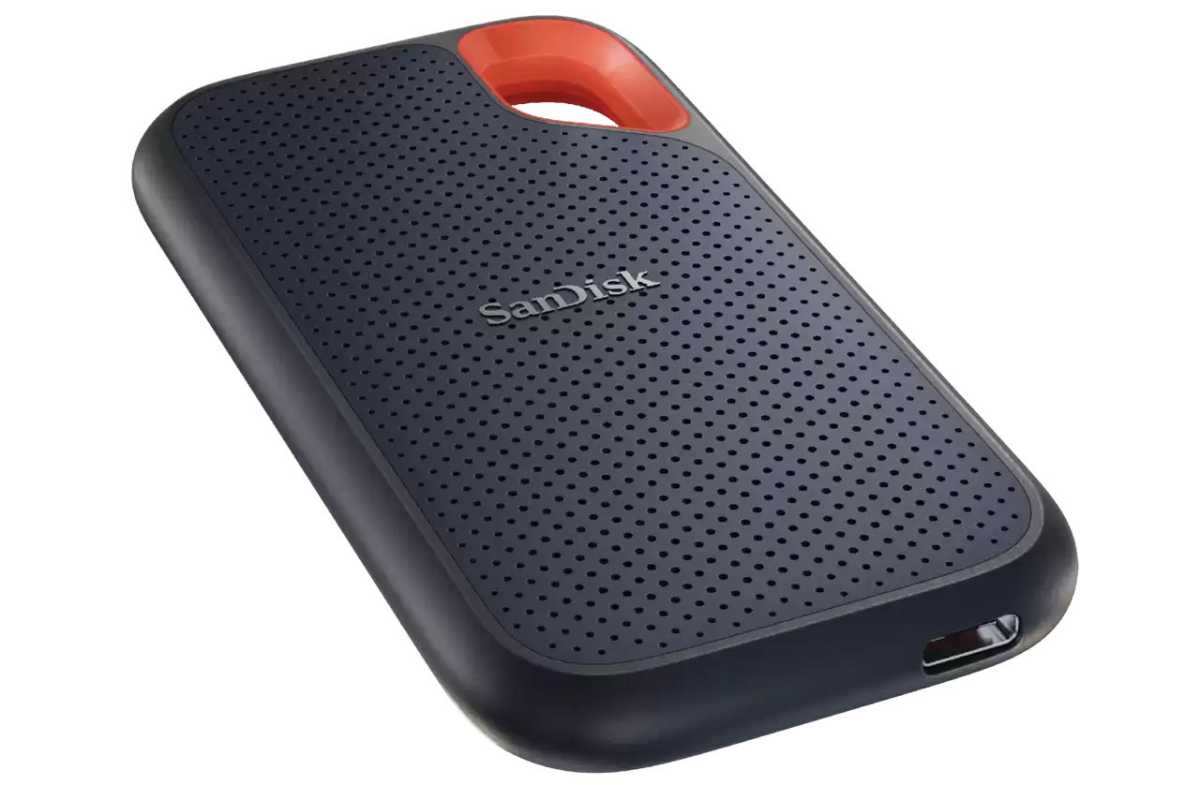
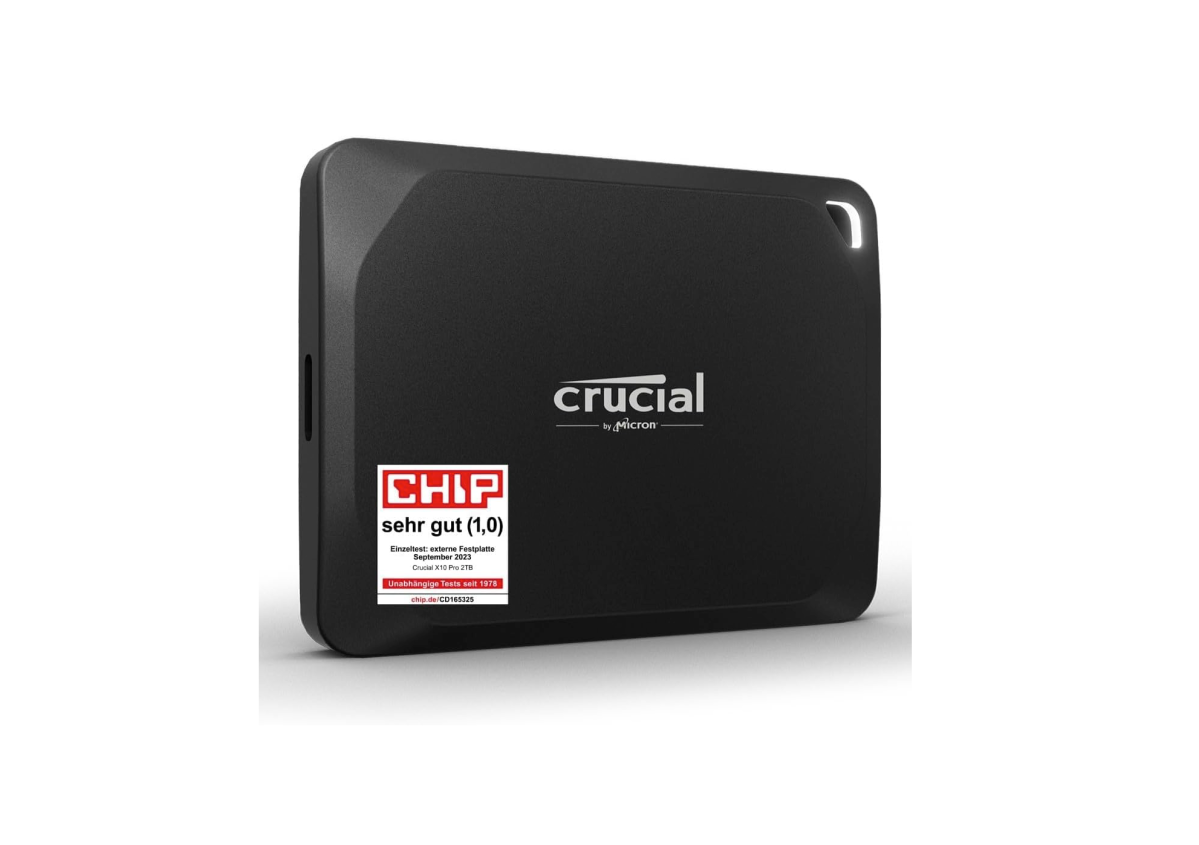
The market data paints a stark picture when comparing traditional USB flash drives to modern Portable Solid State Drives (SSDs). While a high-end USB stick might market a "transfer speed" of 400 MB/s, these are often "burst" speeds that drop significantly during sustained writes.

| Category | Typical Capacity | Peak Read Speed | Price/GB | Reliability |
|---|---|---|---|---|
| USB Flash Drive | 128GB – 512GB | 100–400 MB/s | Moderate | Low/Medium |
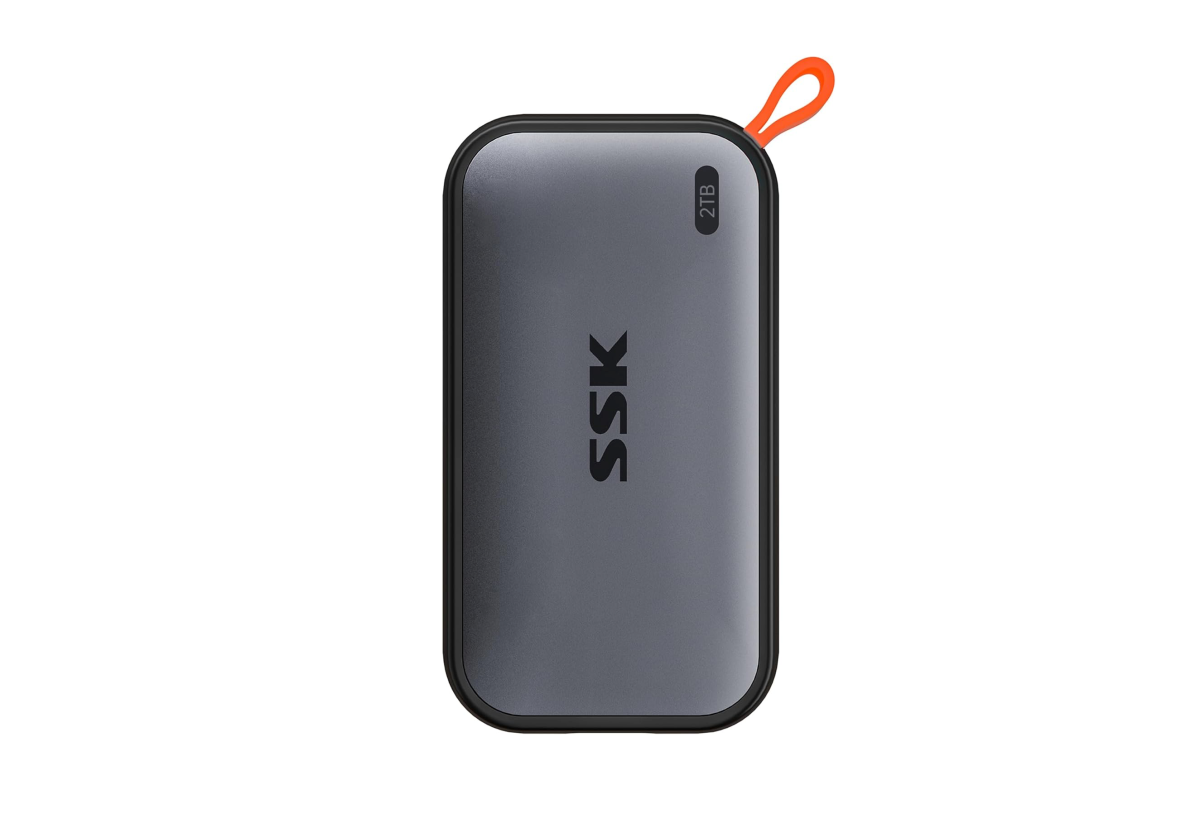
| Portable SSD | 1TB – 4TB+ | 1,000–2,100 MB/s | High | High |
| Cloud Storage | Unlimited (Tiered) | Dependent on ISP | Varies | Very High |
As evidenced by the table, the cost-per-gigabyte gap between a premium USB stick and a portable NVMe SSD has narrowed to the point where the value proposition of the USB stick is almost non-existent for power users.
Implications for the Tech Ecosystem
The marginalization of the USB stick has broad implications for how we interact with hardware.
1. The Death of Physical Ports
We are approaching a "post-port" future. Visionary companies like Apple have long hinted at a future where physical ports are removed entirely in favor of wireless charging and high-speed data transfer (AirDrop, Wi-Fi Direct). If the device has no port, the USB stick has no purpose.
2. The Shift to Collaborative Work
Unlike a physical drive that creates "siloed" versions of a file, cloud infrastructure allows for real-time, multi-user collaboration. The USB stick is inherently anti-collaborative; it forces users to manage version control manually, leading to the dreaded "Final_v2_updated_FINAL.docx" syndrome.
3. Security Paradigms
USB drives are a significant security risk. They are easily lost, stolen, and are the primary vector for "BadUSB" malware attacks. By contrast, modern cloud services provide encrypted backups, two-factor authentication, and remote-wipe capabilities, making them the preferred choice for enterprise security.
Industry Perspectives: Is There a Future?
Hardware manufacturers acknowledge that while the "general consumer" market is dying, the USB stick is pivoting toward "specialized industrial use."
"The USB flash drive is not dead, but it has been demoted," says industry analyst Marcus Thorne. "It is no longer a storage device for the masses. It is now a boot tool, a firmware installer, or a temporary ‘sneakernet’ solution for air-gapped environments where the cloud is forbidden."
Companies like SanDisk and Crucial continue to produce these devices, but they are increasingly focusing on ruggedization and dual-compatibility to justify their existence in a world that no longer needs them for daily file transfers.
The Verdict: Why We Should Move On
The USB stick was a technological triumph that solved the problems of its time. However, it is now an anchor. We are living in a world where speed, security, and accessibility are paramount.
Why You Should Consider an Alternative:
- SSDs for Performance: If you are a creative professional or a gamer, the speed of an external NVMe SSD is non-negotiable.
- Cloud for Convenience: For documents and project management, the cloud offers synchronization that a physical stick simply cannot replicate.
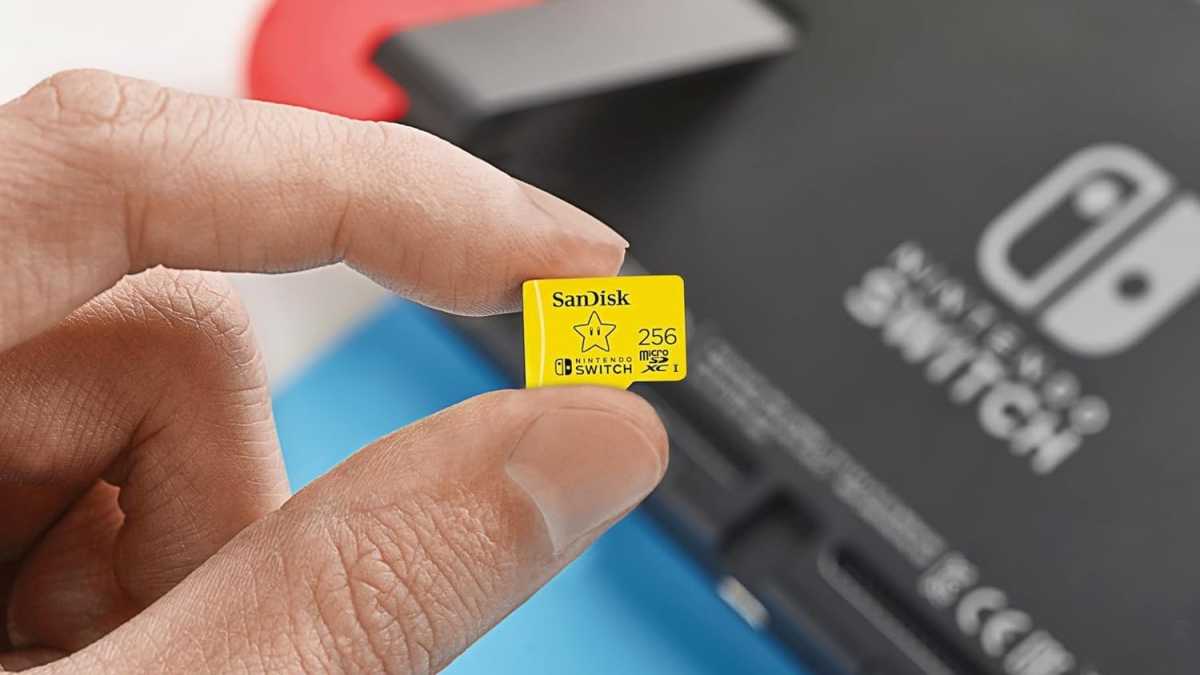
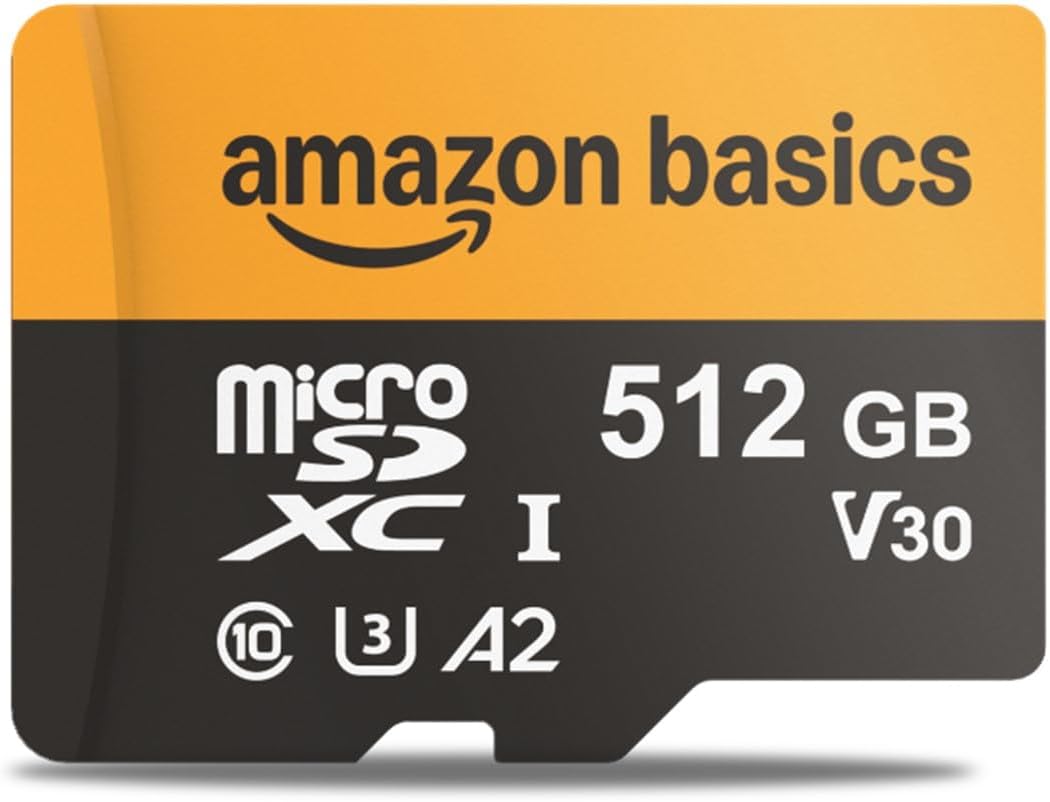
- SD Cards for Mobility: If you need a compact, low-profile storage solution for drones, cameras, or tablets, SD/microSD cards are technically superior and more versatile in the modern device ecosystem.
In conclusion, while you should keep a spare USB stick in your drawer for that one legacy machine or a quick OS installation, it should no longer be your primary method of data management. The future of storage is fast, distributed, and increasingly invisible. The USB stick has had a legendary run, but it is time to let it retire.
This report was compiled to provide a comprehensive look at the shifting landscape of portable storage. For further reading on selecting the right SSD or optimizing your cloud workflows, consult our technical archives.




















Leave a Reply