A comprehensive, century-long analysis of European pollinator trends has unveiled a complex picture of biodiversity. While fears of a continent-wide, catastrophic collapse of bees may be premature, the landscape of our most vital agricultural partners is undergoing a profound and potentially destabilizing transformation.
For decades, conservationists have warned of an "insect apocalypse." Now, a massive new study led by the Spanish National Research Council (CSIC) has provided the most granular look yet at the state of Europe’s pollinators. By synthesizing over four million individual records spanning the years 1921 to 2020, researchers have mapped the shifting fortunes of approximately 88 percent of Europe’s bee and hoverfly species. The findings present a nuanced reality: while we are not witnessing a uniform extinction event, we are observing a significant, structural decline in the prevalence of many wild bee species, contrasted by surprising shifts in hoverfly populations.
The Magnitude of the Study: A Century of Evidence
The scale of this research is unprecedented. By aggregating four million data points, the research team created a "big data" snapshot of insect distribution across a full century of environmental change. This longitudinal approach allows scientists to move past anecdotal observations and local surveys, instead identifying long-term, continental-scale trends.
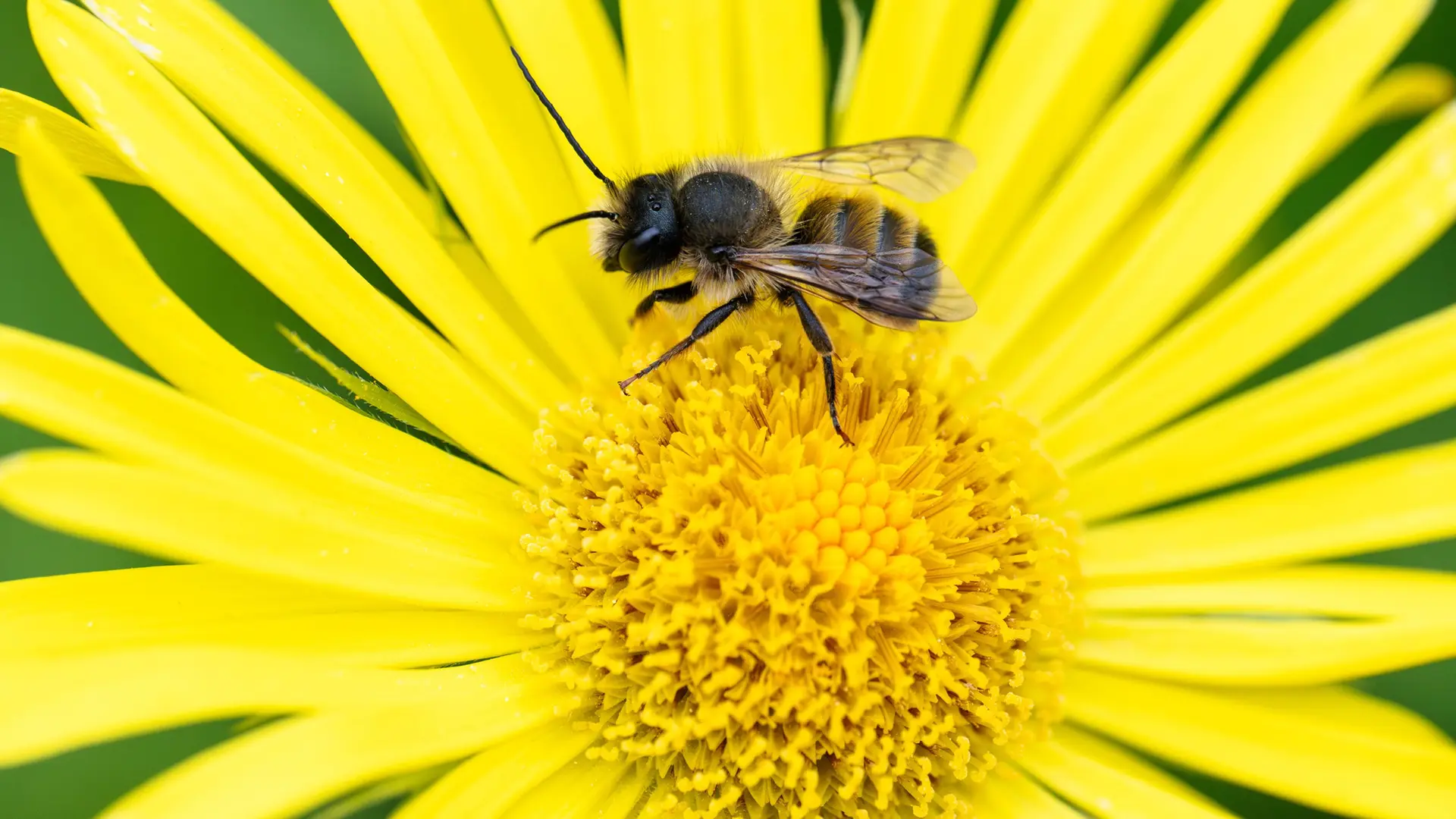
The core finding is sobering: the probability of encountering a specific wild bee species in any given European location has dropped, on average, by approximately one-third over the last 100 years. This does not mean that these species have vanished entirely from the map, but rather that they have become significantly harder to find in their traditional habitats. The "commonness" of these insects—their ability to thrive in the landscapes they once dominated—has been severely compromised.
Chronology of Change: From 1921 to 2020
To understand the current state of pollinators, researchers segmented their data into distinct historical blocks.
- 1921–1970: The Baseline Era: During the first half of the study period, pollinator populations remained relatively stable. Traditional agricultural practices and lower levels of industrial chemical usage meant that the patchwork of European meadows and hedgerows remained hospitable to diverse bee communities.
- 1970–2000: The Era of Intensification: This period coincides with the "Green Revolution" in European agriculture. Increased reliance on pesticides, the consolidation of small fields into vast monocultures, and the degradation of hedgerows began to show in the data. The first signs of widespread bee population declines became statistically visible.
- 2000–2020: The Era of Climate and Fragmentation: In the most recent two decades, the data indicates a stabilization of species richness in many areas, but with a caveat: the composition of these communities has shifted. Sensitive, specialized species have declined, while more generalist or invasive-leaning species have filled the voids.
Supporting Data: Regional Disparities and the Hoverfly Mystery
Perhaps the most intriguing finding is the divergence between different insect groups and geographic zones.
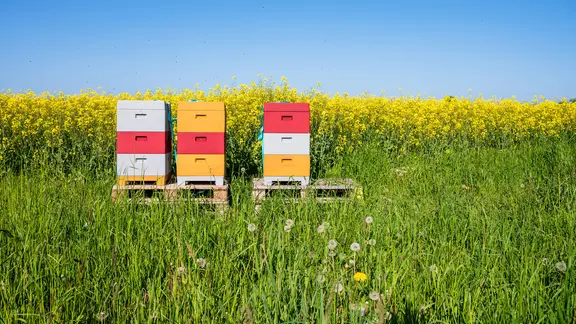
While bees are generally in decline, the data for hoverflies—important secondary pollinators—tells a different story. The study suggests that, on average, hoverfly populations have seen an increase over the same period. However, the researchers emphasize that this trend is shrouded in uncertainty; hoverfly monitoring has historically been less rigorous than bee monitoring, and the apparent increase may be influenced by improved data collection methods in recent years rather than a genuine population explosion.
Geographically, the map of decline is uneven:
- The Atlantic Front: Regions bordering the Atlantic have seen consistent declines in both bee and hoverfly species diversity. These areas have been subjected to high levels of agricultural intensification and urban sprawl.
- The Alpine Exception: Contrary to the general trend, the Alps have seen an increase in bee species diversity. Scientists hypothesize that this is a direct result of the climate crisis. As temperatures rise, heat-loving species that were previously restricted to warmer, lower-lying valleys are migrating upward into the higher altitudes, inflating the species counts in mountain regions.
Crucially, the study found that 91 percent of the species examined were still present in the records from 2001 to 2020. This suggests that Europe is not currently facing an immediate, widespread extinction of its pollinator species, but rather a "functional thinning" of the landscape.
The Ecological Implications: Why "Presence" Isn’t Enough
A common misunderstanding in biodiversity reporting is that as long as a species is "not extinct," it is doing fine. The authors of this study strongly reject this notion. They argue that we are witnessing a fundamental change in the "pollinator community."
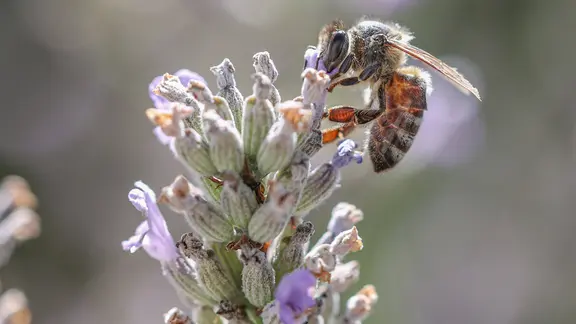
When sensitive, specialized bees—those that have co-evolved with specific plant species—disappear, they are often replaced by a few resilient, generalist species. While this may keep the total number of insects in a field relatively high, it creates a "pollination bottleneck." If a specific flower requires a specific type of bee to be fertilized, the loss of that specialist bee spells disaster for the plant, even if generalist bees are buzzing around nearby.
This loss of functional diversity threatens the resilience of European ecosystems. A diverse community of pollinators provides a buffer against environmental shocks; if one species suffers due to a cold spring or a specific pathogen, others can take up the slack. By simplifying these communities, we are making our ecosystems—and our food supply—more fragile.

Official Responses and the Call to Action
The scientific community, bolstered by these findings, is calling for a paradigm shift in how we approach conservation. The researchers involved in the study emphasize that simply "saving the bees" (often focused on the managed honeybee) is insufficient. Wild bees are far more effective pollinators for many wild plants and crops than their domestic counterparts.
"We have reached a critical point where we must stop looking only at species counts and start looking at the health of the community," the report suggests. The recommendations are clear:
- Restoration of Habitat Connectivity: Small, isolated nature reserves are not enough. We need "pollinator corridors"—strips of native wildflowers that connect larger habitats, allowing populations to move and interbreed.
- Reduction of Chemical Input: The link between the decline of sensitive species and industrial agriculture is undeniable. Policies must incentivize farmers to move away from systemic pesticides that disproportionately affect insect nervous systems.
- Climate-Adaptive Conservation: The movement of species into the Alps serves as a warning. We need to manage protected areas with the understanding that climate change will continue to force species to migrate.
The Road Ahead
The study provides a sobering reality check. We have not yet reached the point of no return, but the "business as usual" approach is clearly failing. The data from the last century shows that nature is remarkably resilient, yet it is currently being pushed to its limits.
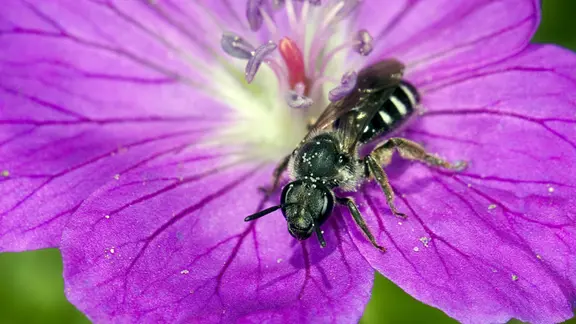
As we move toward the middle of the 21st century, the focus must shift from merely preventing extinction to actively restoring the complexity of our insect landscapes. The "century of data" provides us with the evidence we need; the next decade will provide the test of whether we have the political and social will to act on it.
If we fail to protect these, our smallest agricultural partners, the consequences will be felt far beyond the meadow—they will be felt on our plates and in the stability of the natural world we depend upon.
Source: Martínez-Núñez, Carlos et al.: "Historical trends show more declining than increasing species among European pollinators." In: PNAS Vol. 123, Iss. 0 (2026). DOI: 10.1073/pnas.2600774123.