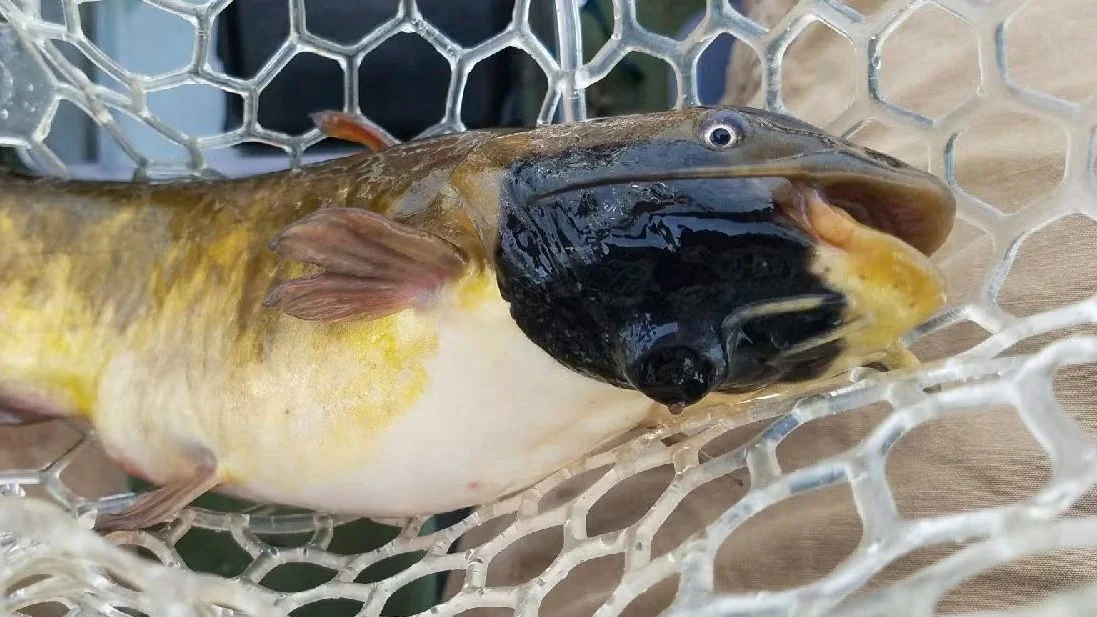

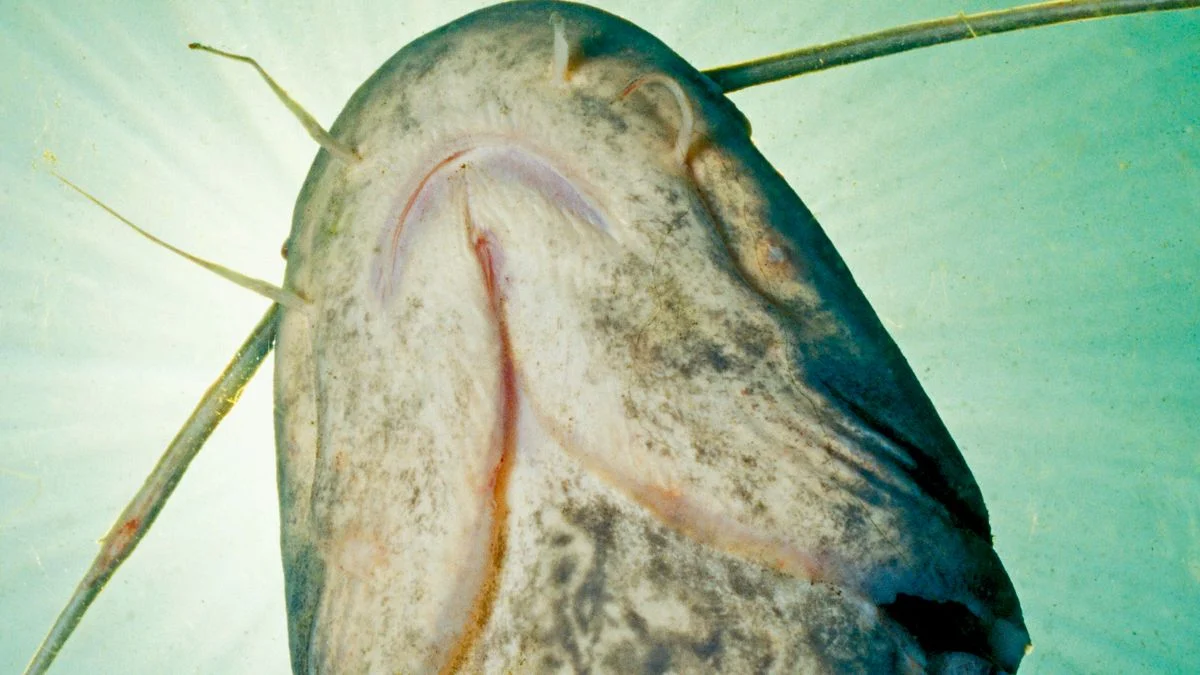
Across Germany’s rivers, lakes, and urban canals, a silent, whiskered giant is reclaiming its territory. The Wels catfish (Silurus glanis), Europe’s largest freshwater predatory fish, is currently at the center of a growing ecological debate. Once confined to specific river systems in the east and south, the species is now expanding its range with remarkable speed, leading to questions about biodiversity, the balance of local food webs, and the potential risks posed to both indigenous fish populations and human recreational water users.
Main Facts: A Predator Without Rivals
The Wels catfish is an apex predator of impressive proportions. Capable of growing to lengths exceeding 2.5 meters and weighing over 100 kilograms, Silurus glanis is not a creature to be trifled with. Unlike many other predatory fish that rely on stealth or speed, the Wels is an opportunistic generalist. Its diet consists of anything from small invertebrates and fish to, on rare occasions, water birds like pigeons or ducks.
In recent years, sightings and documented catches of these massive fish have surged in regions where they were previously considered rare or entirely absent. This expansion is not merely a product of natural migration; it is a complex intersection of climate change, the warming of stagnant water bodies, and human intervention. As Germany’s water temperatures rise, the metabolism of these cold-tolerant, yet warmth-thriving, predators increases, allowing them to reach maturity faster and exert more pressure on their environment.
Chronology: From Eastern Origins to Nationwide Presence
The historical distribution of the Wels catfish in Germany was largely restricted to the Danube and Elbe river basins. For centuries, the species remained relatively localized, with its expansion limited by cooler water temperatures in the central and western regions of the country.
- 19th and 20th Century: The Wels was viewed as a localized curiosity, often sought after by specialized anglers but rarely considered an invasive threat.
- The 1990s and 2000s: A gradual warming of European inland waters began to shift the ecological baseline. During this period, reports of Wels catfish in the Rhine, the Main, and various large reservoirs began to increase.
- 2010–2020: The expansion accelerated. Environmental scientists noted that the catfish began thriving in human-made habitats, such as gravel pits and interconnected canal systems, which serve as "stepping stones" for the species to move between major river systems.
- Present Day: The Wels is now effectively ubiquitous across Germany’s major waterways. The concern has shifted from "Is the Wels here?" to "How many are there, and what is the carrying capacity of these ecosystems?"
Supporting Data: Understanding the Population Boom
Ecological surveys conducted by state environmental agencies indicate a clear trend: the Wels is outperforming its competitors. In many German lakes, researchers have observed a decline in the populations of native cyprinids (carp-like fish) and even the once-dominant Northern Pike.
Data suggests that the Wels catfish is a "r-strategist" to a certain degree—it produces a high number of offspring, and its lack of natural predators in adult stages allows for high survival rates. In a study conducted on a reservoir in central Germany, sonar mapping revealed a density of adult Wels that far exceeded initial estimates. This suggests that the "silent giant" is not just present, but dominant, fundamentally restructuring the biomass of the lakes it inhabits.
Furthermore, water temperature data over the last thirty years shows a consistent upward trend. For a thermophilic species like the Wels, a 1.5-degree Celsius increase in average summer water temperature can drastically expand its potential breeding grounds and extend its active hunting season.
Official Responses: Conservation vs. Management
The official stance on the Wels catfish is a study in bureaucratic and ecological nuance. While environmental authorities in some states view the fish as a native species simply reclaiming its ancestral range, others are beginning to treat it as a management concern.
The Perspective of Fisheries Authorities
State fisheries departments are currently caught between protecting biodiversity and managing the interests of the angling community. For many fishermen, the Wels is a trophy catch, driving tourism to specific regions. However, professional commercial fishermen often view the species as a nuisance that depletes the stocks of commercially viable fish.
Conservationist Concerns
Conservationists emphasize that the Wels is not "invasive" in the traditional sense—it is not an introduced species like the signal crayfish or the round goby. Instead, it is a native species undergoing a range expansion. The core question for experts is whether the current rate of expansion is natural or if it has been artificially accelerated by human mismanagement of waterways. There are growing calls for more rigorous monitoring programs to ensure that the Wels does not drive other vulnerable species toward local extinction.
Implications: Is It Dangerous?
The question of danger is twofold: ecological danger and the threat to human safety.
Ecological Implications
The most significant implication is the "trophic cascade." When a predator at the top of the food chain becomes too numerous, it can trigger a collapse in the populations of smaller fish. This, in turn, can lead to imbalances in water quality. For instance, if the fish that consume algae-eating plankton are decimated by Wels, the water quality of a lake could suffer, leading to increased algal blooms and oxygen depletion.
The Human Element
Public perception is often fueled by viral videos showing Wels catfish attacking pigeons on the banks of canals. While these incidents are fascinating, they have led to a degree of "Wels-phobia" among the general public.
Are they dangerous to humans? The short answer is: almost never. While a large Wels catfish has a mouth full of small, sandpaper-like teeth that can cause abrasions if a swimmer were to handle one, there are no documented cases of a Wels catfish attacking a human swimmer in Germany. They are, by nature, wary of large, unfamiliar objects and will almost always retreat when they sense the vibrations of a human entering the water.
The Future of Germany’s Waters
The expansion of the Wels catfish is a hallmark of the Anthropocene—a period where human activity, via climate change and landscape alteration, is forcing nature to adapt in unexpected ways. The Wels is a survivor, a creature of immense adaptability that has found a comfortable home in the modified, warmed, and interconnected rivers of modern Germany.
Moving forward, the management of the Wels will require a delicate balance. Eradication is neither feasible nor desirable, given the species’ native status. Instead, the focus will likely shift toward "population control" in sensitive habitats and further research into how these giants interact with the changing climate.
As citizens, we must adjust our perspective. The Wels is not a monster to be feared, but a indicator species. Its success is a reflection of the state of our rivers. If we want to maintain a diverse aquatic ecosystem, we must focus less on the "menace" of the catfish and more on the health of the entire riverine environment, ensuring that the rivers of tomorrow remain robust enough to support not just the giants, but the smaller, more vulnerable species that share these waters.
For now, the Wels remains the silent king of the German depths—a testament to the resilience of nature in an era of rapid change. Whether this king will eventually overstay its welcome remains a question that only time, and careful observation, will answer.