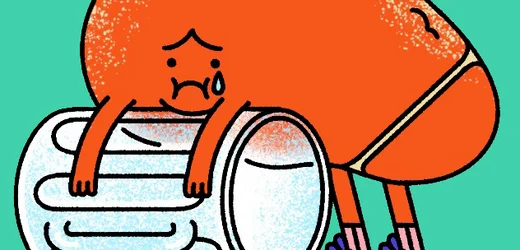
Testosterone, the primary male sex hormone, is often relegated to discussions of bodybuilding or fleeting pop-culture tropes. However, in the clinical world, it is a vital metabolic regulator. Recent medical scrutiny has turned toward a growing public health concern: the persistent underdiagnosis of hypogonadism—testosterone deficiency—among populations that are statistically at the highest risk.
While the medical community has improved its screening protocols, a significant gap remains between prevalence and detection. For men suffering from metabolic syndrome, obesity, and type 2 diabetes, low testosterone is not just a symptom; it is a critical diagnostic marker that, if left unaddressed, exacerbates systemic health failures.
The Core Facts: Defining the Deficiency
Hypogonadism occurs when the testes fail to produce sufficient levels of testosterone. In clinical terms, this is generally defined by serum levels falling below 300 nanograms per deciliter (ng/dL), though this threshold is a subject of ongoing debate.
The symptoms are often insidious. Unlike acute illnesses, testosterone deficiency manifests as a "slow creep": fatigue, irritability, loss of muscle mass, increased body fat, and, most notably, sexual dysfunction. Because these symptoms are frequently attributed to aging or general stress, many men never seek blood work. For those in high-risk groups—specifically men with a Body Mass Index (BMI) over 30 or those diagnosed with insulin resistance—the link is physiological. Adipose tissue, particularly visceral fat, actively converts testosterone into estrogen via the aromatase enzyme, creating a vicious cycle of hormonal decline.
A Chronology of Clinical Awareness
The medical history of testosterone therapy is marked by a pendulum of enthusiasm and skepticism.
- 1935: Testosterone is first isolated and synthesized, winning Adolf Butenandt a Nobel Prize. It was initially viewed as a wonder drug for vitality.
- 1990s–2000s: The rise of "Low-T" clinics in the United States and Europe led to an explosion in prescriptions. This era was characterized by aggressive marketing, leading to a temporary backlash regarding potential cardiovascular risks.
- 2014–2015: Major regulatory bodies, including the FDA and the EMA, issued warnings regarding potential heart-related side effects. This caused a temporary dip in prescription rates and, more importantly, a decline in physician willingness to screen for the condition.
- 2020–Present: Recent large-scale clinical trials, such as the TRAVERSE study, have provided clarity, suggesting that for most men, testosterone replacement therapy (TRT) does not increase cardiovascular risk when monitored correctly. This has shifted the focus back to the necessity of accurate, early diagnosis for those who truly need it.
Supporting Data: The Correlation Gap
The correlation between metabolic syndrome and testosterone levels is not merely anecdotal; it is data-driven. Studies consistently show that up to 40% of men with type 2 diabetes also suffer from clinically significant hypogonadism.
The "Under-Screening" Phenomenon
Despite these statistics, internal hospital audits reveal that screening rates for testosterone levels in diabetic clinics remain staggeringly low. Factors contributing to this include:
- Clinical Inertia: Doctors prioritize glucose control and blood pressure, often viewing hormone levels as secondary.
- Symptom Overlap: Symptoms of depression, obesity, and diabetes often mask the specific signs of hormonal deficiency.
- Lack of Standardized Screening: Unlike cholesterol or blood sugar, there is no universal "threshold" for when a man should be tested, leaving the decision to the discretion of individual primary care physicians.
Research indicates that when screening is implemented, the quality of life (QoL) metrics for patients often improve significantly within the first three months of intervention. This includes better glycemic control, improved exercise tolerance, and reduction in waist circumference.
Official Responses and Clinical Guidelines
The Endocrine Society and the European Association of Urology have issued updated guidelines emphasizing that TRT should not be used as a "lifestyle" treatment, but as a corrective measure for pathologically low levels.
The "Risk-Benefit" Argument:
Medical boards emphasize that the risk of not treating hypogonadism in obese men is higher than the risks associated with properly managed therapy. Untreated hypogonadism is linked to a higher risk of osteoporosis, frailty, and cognitive decline. The official stance is now: "Treat the patient, not just the number." If a patient exhibits metabolic distress alongside low serum testosterone, the case for intervention is considered robust.
Implications: The Long-Term Health Burden
If the medical community fails to close the diagnostic gap, the implications for public health are significant.
1. The Economic Toll
Chronic conditions exacerbated by low testosterone—such as type 2 diabetes and obesity—are the leading drivers of healthcare expenditure in developed nations. By failing to address the hormonal component, we are treating the symptoms of metabolic disease without addressing the underlying endocrine environment.
2. The Quality-of-Life Crisis
Beyond the laboratory results, the human cost is immense. Men living with undiagnosed hypogonadism often struggle with profound fatigue and mood disturbances, which can lead to social isolation and reduced professional productivity. The psychological toll of living in a state of hormonal deficiency is rarely accounted for in clinical outcomes but is arguably the most impactful for the patient.
3. Toward a Holistic Diagnostic Approach
The path forward requires a shift in the primary care paradigm. Integrating a "hormonal check" into the annual physical for men over 45—particularly those with high-risk markers—could catch thousands of cases annually.
Furthermore, patients must be better informed. The stigmatization of testosterone, often linked to the misuse of anabolic steroids in athletic contexts, has made many men hesitant to discuss their symptoms with their doctors. De-stigmatizing the conversation around hormonal health is just as vital as the diagnostic tests themselves.
Conclusion: Bridging the Divide
The evidence is clear: Testosterone deficiency is a critical, under-addressed factor in the health of men with metabolic disorders. It is not a trivial vanity issue, but a legitimate endocrine pathology that influences everything from insulin sensitivity to cardiovascular health.
As we move forward, the goal must be systematic screening and the removal of the outdated taboos surrounding male hormonal health. By ensuring that physicians are equipped to recognize the signs early, we can move toward a healthcare model that treats the whole man, rather than just the disease on the surface. The data supports it, the clinical outcomes demand it, and the thousands of men currently living with suboptimal health deserve it.
It is time to treat the silence surrounding this epidemic with the clinical rigor it requires. The window for intervention is wide, and for many, the path to a healthier life begins with a simple blood draw.