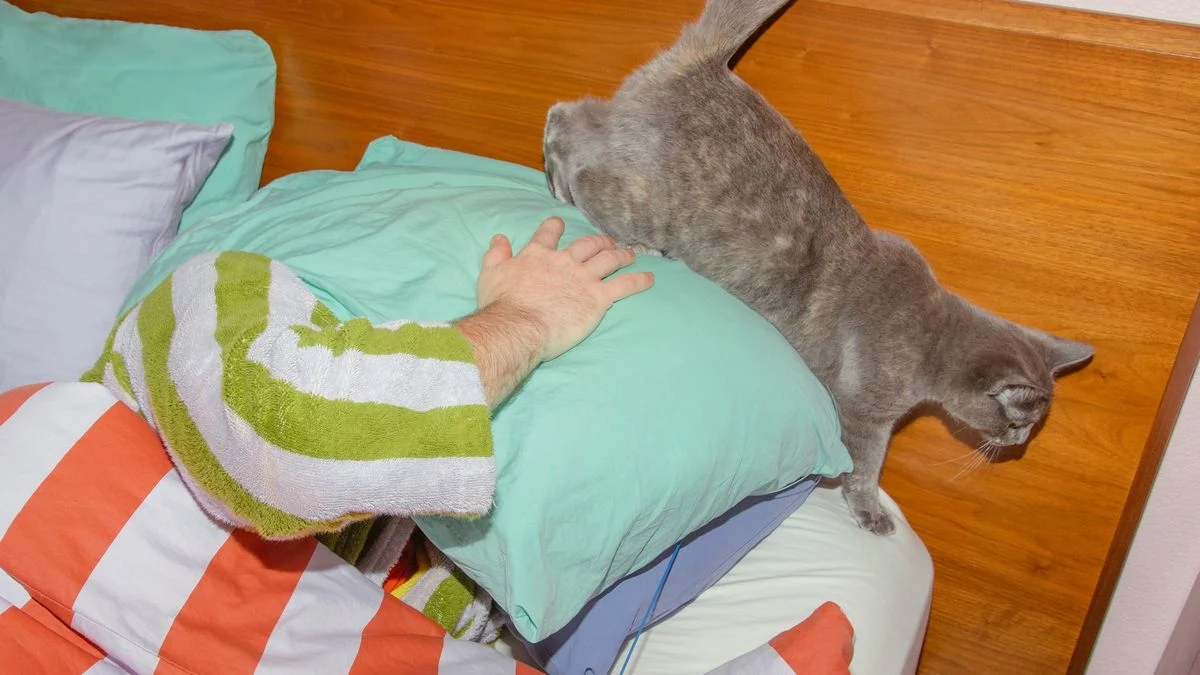
For millions of people, the nightly ritual of sleep is punctuated by a rhythmic, often thunderous, disruption: snoring. What is frequently dismissed as a domestic nuisance or the punchline of a tired joke is, in medical terms, a complex physiological phenomenon that can serve as a primary indicator of underlying health issues. As the modern world grapples with a crisis of sleep deprivation, the market has responded with a dizzying array of remedies—from specialized pillows and nasal strips to custom-fitted mandibular advancement devices. But amidst the marketing claims, what truly offers relief?
The Anatomy of a Snore: Why We Sound the Alarm
At its core, snoring is a mechanical problem. It occurs when the flow of air through the mouth and nose is physically obstructed during sleep. When we drift into slumber, the muscles in the throat and soft palate relax. If these muscles relax too much, they can narrow the airway. As air is forced through this constricted passage, the surrounding tissues vibrate, producing the harsh, rattling sound we identify as snoring.
Several factors exacerbate this process. Anatomical variations, such as a deviated septum, enlarged tonsils, or an elongated soft palate, can create a predisposition. Lifestyle factors, including alcohol consumption—which acts as a muscle relaxant—and obesity, which adds structural pressure to the throat, are equally significant. Crucially, the position in which one sleeps plays a vital role; sleeping on one’s back is the most common trigger, as gravity naturally pulls the tongue and soft tissues toward the back of the throat.
The Chronology of Intervention: From Home Remedies to Clinical Care
The journey to stop snoring often follows a predictable, escalating timeline for most patients.
Phase 1: Behavioral Adjustments
Most individuals begin their journey with low-intervention lifestyle changes. These include elevating the head of the bed, shifting from back-sleeping to side-sleeping, and avoiding alcohol or sedatives in the hours leading up to bedtime. For many, these simple adjustments provide immediate, albeit sometimes incomplete, relief.
Phase 2: Over-the-Counter Aids
When behavioral changes fail, the market offers a suite of accessible solutions. Nasal dilators and strips work by mechanically widening the nasal passages to reduce turbulence. Anti-snoring pillows are engineered to keep the head in a neutral position, preventing the chin from dropping toward the chest. While these devices can mitigate mild snoring, they often fail to address the deeper structural issues associated with moderate to severe sleep-disordered breathing.
Phase 3: Oral Appliances and Clinical Consultation
If snoring persists, patients often transition to mandibular advancement devices (MADs). These are dental appliances designed to shift the lower jaw slightly forward, thereby pulling the tongue away from the throat and widening the pharyngeal airway. Unlike generic pillows, these devices are most effective when custom-fitted by a specialist. This phase marks the bridge between "nuisance management" and "medical treatment."
Supporting Data: When Snoring Becomes a Health Risk
The primary medical concern regarding chronic snoring is its role as a sentinel symptom for Obstructive Sleep Apnea (OSA). OSA is a serious disorder in which the airway becomes completely blocked, causing repeated pauses in breathing throughout the night.
Data from the American Academy of Sleep Medicine indicates that roughly 30% to 50% of habitual snorers have OSA. The implications of undiagnosed apnea are profound. During these pauses, oxygen levels in the blood drop, triggering the brain to "wake up" the body to resume breathing. While the individual may not remember these awakenings, the sleep cycle is constantly fragmented.
Long-term consequences of untreated sleep-disordered breathing include:
- Cardiovascular Strain: The cycle of hypoxia (low oxygen) and subsequent adrenaline spikes raises blood pressure, significantly increasing the risk of hypertension, heart disease, and stroke.
- Metabolic Disruption: Chronic sleep deprivation is linked to insulin resistance and type 2 diabetes.
- Cognitive Decline: The lack of deep, restorative REM sleep impacts memory consolidation, emotional regulation, and daytime alertness, leading to a marked increase in accidents and decreased productivity.
Official Perspectives: The Medical Consensus
Medical organizations and sleep specialists emphasize that there is no "magic bullet" for snoring. The gold standard for diagnosis remains a polysomnography—a comprehensive sleep study that monitors brain activity, heart rate, oxygen levels, and breathing patterns throughout the night.
"The danger lies in the assumption that snoring is merely a sound," says Dr. Elena Rossi, a specialist in sleep medicine. "It is a physiological signal. We see patients who spend hundreds of dollars on pillows and nasal sprays, unaware that their snoring is a mask for a more dangerous condition like apnea. The priority must always be to rule out the systemic health risks before attempting to ‘fix’ the noise."
Health authorities advise that individuals who snore loudly, experience daytime fatigue, or have been observed gasping for air during the night should prioritize a clinical consultation. The reliance on non-prescriptive, non-validated products can lead to a false sense of security, delaying critical interventions such as Continuous Positive Airway Pressure (CPAP) therapy, which remains the most effective treatment for moderate to severe OSA.
The Future of Snore Mitigation: Implications for Patients
The industry is currently pivoting toward smarter, more personalized solutions. Emerging technologies, including AI-driven sleep trackers, promise to differentiate between benign snoring and apnea-related obstructions with greater accuracy.
However, the proliferation of "smart" devices poses a new challenge: the democratization of health data without the oversight of a physician. While an app might alert a user to the frequency of their snoring, it cannot interpret the physiological nuances that differentiate a harmless vibration from a life-threatening airway collapse.
Addressing the Financial and Practical Hurdles
The cost of effective treatment remains a barrier for many. Custom-fitted oral appliances can be expensive, and insurance coverage for sleep-related devices varies significantly by region. Furthermore, the stigma associated with wearing a mask or a device to bed leads many to avoid treatment altogether, preferring to ignore the problem until it manifests in a more serious health event.
Conclusion: A Holistic Approach
Ultimately, the path to a quieter night and a healthier body requires a balanced, evidence-based approach.
- Screening: If snoring impacts your life or your partner’s, treat it as a symptom, not a quirk.
- Diagnostics: Seek professional guidance to determine if the snoring is primary or secondary to a sleep disorder.
- Tiered Intervention: Start with lifestyle modifications, but do not hesitate to escalate to professional dental or clinical support if symptoms persist.
- Long-term Monitoring: Sleep health is dynamic. As we age, our tissue elasticity changes, and our weight fluctuates; consequently, the efficacy of our snoring interventions may change over time.
Snoring is a dialogue between our anatomy and our environment. By listening to what our bodies are trying to tell us during those hours of rest, we can move beyond the temporary fix of a new pillow and toward the sustainable goal of deep, healthy, and quiet sleep. The investment in understanding one’s own sleep architecture is not merely about silence—it is about securing the vitality that comes from true restoration.