The United States is currently grappling with a public health emergency that many experts thought was confined to the history books. According to the latest data from the Centers for Disease Control and Prevention (CDC), the country has officially surpassed its highest number of measles infections in 35 years. With 2,318 confirmed cases recorded in just the first half of 2026, the nation has already eclipsed the total of 2,289 cases reported for the entirety of 2025.
This surge represents the most significant transmission event since the devastating period between 1989 and 1991, a time when the nation saw over 55,000 infections and 123 tragic deaths. The resurgence is particularly alarming because, as of the year 2000, measles was declared eliminated in the United States—meaning the disease was no longer endemic. The current trajectory suggests that the public health infrastructure, once considered robust enough to maintain this status, is fracturing under the weight of declining vaccination rates and institutional skepticism.
The Human Cost: A Crisis Targeting the Vulnerable
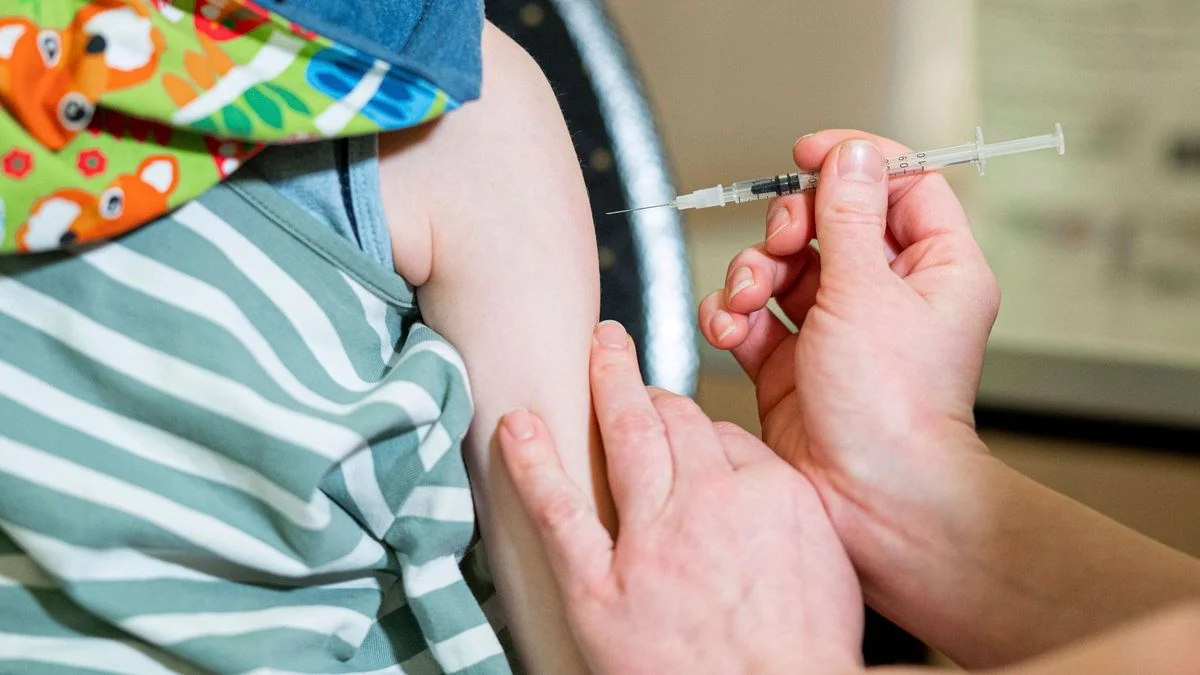
The demographic profile of the current outbreak is deeply concerning. Children and young people are bearing the brunt of the crisis, accounting for 69 percent of all infections. Most distressingly, one in five infected individuals is under the age of five—a group for whom measles can be particularly lethal.
The clinical severity of these cases is underscored by the high rate of hospitalization. CDC reports indicate that ten percent of infected toddlers required intensive medical care, while three percent of older children and adolescents faced similar fates. With 151 hospitalizations already logged this year, healthcare systems in several states are being stretched thin. While there have been no reported deaths so far in 2026, the medical community warns that this is a matter of luck rather than health policy; last year, three individuals lost their lives to the disease.
Measles is not merely a "childhood rash." It is a highly contagious respiratory virus that causes high fever, severe coughing, and the characteristic blotchy skin eruptions. In its more severe forms, it can lead to pneumonia, encephalitis (inflammation of the brain), and permanent hearing loss.
Chronology of a Resurgence
To understand how a country with advanced medical technology arrived at this precipice, one must look at the timeline of the last two years.
- Late 2025: A massive outbreak begins in South Carolina. Within six months, the state records nearly 1,000 cases, marking the largest localized outbreak in the United States since the turn of the millennium.
- Early 2026: As cases spread, the CDC notes a concerning trend: clusters are forming not just in the South, but in Utah, Arizona, Texas, Florida, Virginia, and Pennsylvania.
- Spring 2026: Vaccination rates among kindergarteners continue a multi-year decline, dropping to an average of 92.5 percent nationally. This figure falls below the 95 percent "herd immunity" threshold required to prevent community spread.
- July 2026: The CDC confirms that the country has passed the 2,300-case milestone, confirming that the current year is officially the worst since the early 1990s.
"Dating back to the beginning of last year, we have seen a systematic dismantling of trust in public health," says Dr. William Moss, an epidemiologist at the Johns Hopkins Bloomberg School of Public Health. "Reaching this milestone in July, with cases continuing to climb, is not just a statistical anomaly—it is a clear signal of a failing preventative strategy."
The Science of the Gap: Why Vaccination Matters
The medical consensus remains ironclad: the Measles, Mumps, and Rubella (MMR) vaccine is one of the most effective medical interventions in human history. Two doses of the vaccine provide a 97 percent protective shield against the virus.
Data from the current outbreak confirms that 93 percent of those infected were entirely unvaccinated. The remaining seven percent had received one or two doses, highlighting the importance of the two-dose schedule in ensuring full immunity.
The primary driver of the current crisis is the erosion of the "herd immunity" threshold. When 95 percent or more of a population is vaccinated, the virus cannot find enough susceptible hosts to sustain transmission. In the United States, however, 16 states have now seen vaccination rates drop below 90 percent. In these "pockets of vulnerability," the virus moves with terrifying speed, often moving through schools and daycare centers where unvaccinated children are clustered.
Institutional Skepticism and the "Anti-Vax" Political Shift
Perhaps the most controversial aspect of the 2026 measles crisis is the role of political leadership. Critics point to the actions of US Health Secretary Robert F. Kennedy Jr., whose long-standing skepticism toward vaccination programs has, according to many public health officials, trickled down into public consciousness.
Kennedy has frequently propagated the scientifically debunked theory that MMR vaccines are linked to autism—a claim that has been thoroughly investigated and disproven by countless international medical studies. Beyond rhetoric, his administration took the unprecedented step last June of dismissing all members of the CDC’s Advisory Committee on Immunization Practices. This move removed the primary scientific check-and-balance body that provides guidance on vaccine safety and distribution, leaving a power vacuum in national health policy.
"We are witnessing a preventable crisis that is disproportionately impacting our children," says Andrew Racine, president of the American Academy of Pediatrics. "When federal officials label measles as ‘harmless’ or ‘inevitable,’ they aren’t just expressing an opinion—they are creating the conditions for a public health catastrophe. The misinformation spread at the highest levels of government has had direct, harmful consequences for families across the country."
Implications: A Systemic Breakdown
The implications of this outbreak extend far beyond the immediate medical costs of treating 2,318 patients.
1. The Burden on Healthcare Infrastructure
The economic cost of managing 35 distinct outbreak clusters is immense. Contact tracing, isolation protocols, and the surge in hospitalizations divert resources from other critical care areas. Hospitals in the most affected states are reporting increased strain on pediatric wards, limiting the capacity to treat other conditions.
2. The Erosion of Public Trust
Perhaps more damaging than the disease itself is the damage done to the institution of public health. When vaccination becomes a partisan wedge issue rather than a matter of clinical necessity, the ability of the government to respond to future pandemics is severely compromised. If a significant percentage of the population rejects established science, the government loses its most effective tool for preventing mass mortality.
3. Global Comparisons and Lessons
The contrast between the US and other developed nations is stark. In Germany, for example, the government responded to similar concerns by implementing a strict mandatory vaccination law for children entering schools and daycare centers six years ago. While such mandates are often met with resistance, they have proven effective in keeping vaccination rates well above the 95 percent threshold. The US, which traditionally relied on school-entry requirements with various religious or philosophical exemptions, is now seeing the limits of that "voluntary-plus" approach.
Conclusion: A Turning Point for Public Health
The 2026 measles outbreak serves as a grim warning. The disease, once considered a relic of the past, has exploited gaps in our social and political cohesion. As the nation moves into the latter half of the year, the focus of the medical community is twofold: containment and communication.
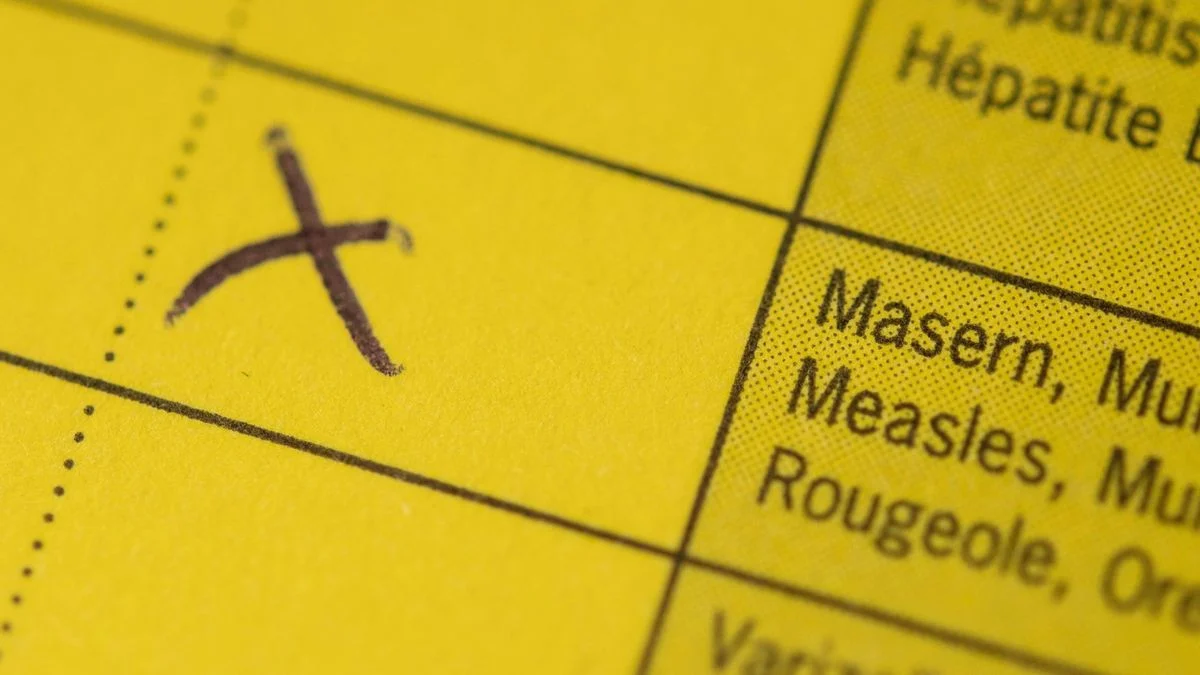
Containment involves aggressive outreach in the 16 states where vaccination rates are critically low, encouraging parents to update their children’s immunization records. Communication, however, remains the harder battle. Restoring confidence in the MMR vaccine will require a depoliticization of public health data and a unified message from the medical community that puts the health of the child above the agendas of the political class.
Unless the decline in vaccination rates is reversed, the 2026 numbers may not be a one-time peak, but rather the new baseline for a nation struggling to remember the necessity of protecting its youngest citizens from a preventable, yet devastating, illness.