

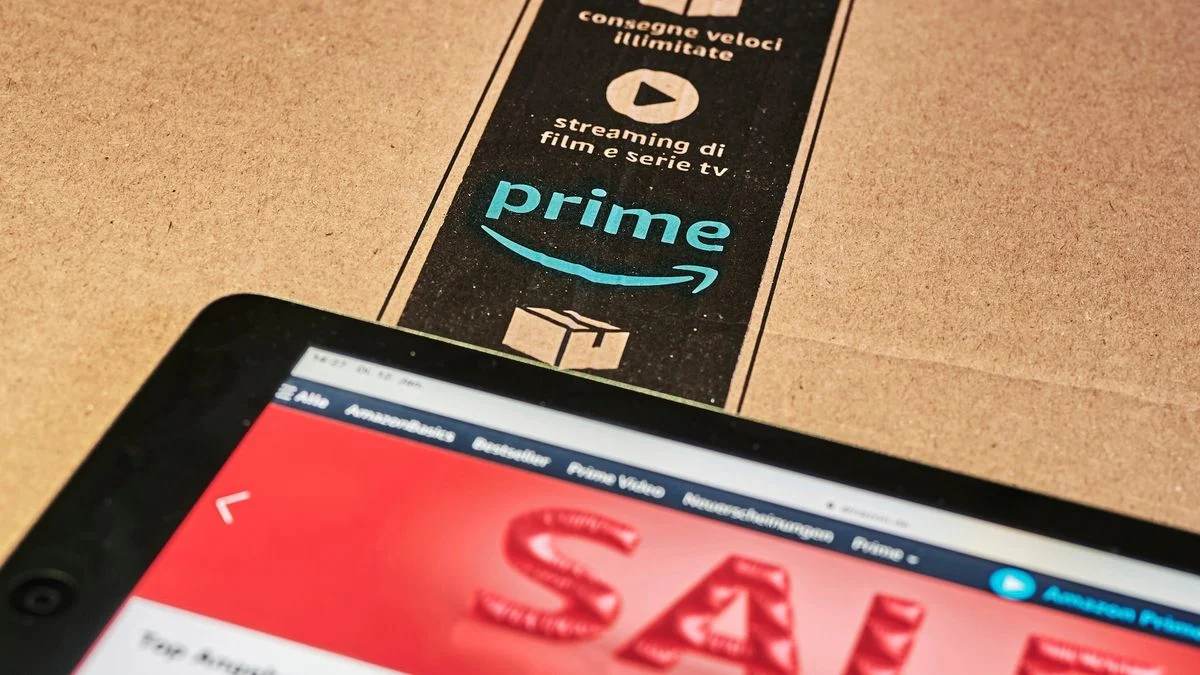
In the landscape of modern digital consumption, few services have become as ubiquitous as Amazon Prime. Originally conceived as a simple two-day shipping solution for avid online shoppers, the service has ballooned into a multi-faceted ecosystem encompassing streaming video, high-fidelity music, cloud storage, and exclusive retail access. However, as the digital economy faces cooling growth and subscription fatigue, consumers are increasingly asking: Does the value proposition of Amazon Prime still hold up, or has it become a bloated tax on the average household?
Main Facts: The Evolution of a Digital Giant
Amazon Prime is no longer just a delivery service. For a recurring monthly or annual fee, subscribers are granted access to a "walled garden" that aims to satisfy almost every digital and physical consumption need.
The core of the value proposition remains the retail experience: free, expedited shipping on millions of items. Yet, the secondary pillars—Prime Video, Amazon Music, Prime Reading, and Amazon Photos—are designed to create "stickiness." By bundling these services, Amazon ensures that even if a user rarely shops, they remain tethered to the ecosystem through entertainment.
However, recent pricing adjustments have raised eyebrows. With the cost of subscriptions rising globally, the barrier to entry is higher than it was even five years ago. Furthermore, the introduction of advertising tiers in Prime Video—a service previously marketed as an ad-free perk—has sparked backlash among long-term subscribers who feel the "deal" is being systematically eroded.
Chronology: From Logistics to Lifestyle
- 2005: The Birth of Prime. Amazon launches its loyalty program in the United States, offering unlimited two-day shipping for a flat annual fee of $79. At the time, it was an unprecedented experiment in customer retention.
- 2011: The Content Pivot. Amazon adds "Instant Video" to the Prime bundle. This marks the transition from a logistics-based service to a lifestyle media company.
- 2014-2016: Global Expansion and Original Content. Amazon begins aggressive international expansion and launches Amazon Studios. Shows like The Marvelous Mrs. Maisel demonstrate that the company is serious about competing with Netflix and HBO.
- 2018-2022: The Pandemic Boom. During the COVID-19 pandemic, Prime becomes an essential service for millions of homebound consumers. Amazon reports record-breaking subscription growth.
- 2023-2024: The Monetization Phase. Amazon introduces ads to Prime Video, requiring an extra fee for an ad-free experience. The company doubles down on "Prime Day" as a global retail holiday, while simultaneously tightening shipping logistics to maximize profitability.
Supporting Data: By the Numbers
To understand the current state of Prime, one must look at the fiscal realities. Amazon’s subscription services revenue has consistently seen double-digit year-over-year growth, even as retail margins fluctuate.
- Subscriber Base: Global estimates suggest that Amazon Prime has over 200 million members worldwide. This massive scale provides Amazon with a steady stream of recurring revenue that dwarfs the income from individual item sales.
- Cost vs. Benefit: An average user who shops once or twice a month and streams three hours of video a week may find the annual fee justified. However, data indicates that "power users"—those who use the service for its niche benefits like gaming (Prime Gaming) or cloud photo storage—derive significantly more value than the casual shopper.
- The "Ad-Tax": Financial analysts note that by introducing ads, Amazon has effectively created a "shadow price increase." For those who refuse to watch commercials, the real cost of the subscription has increased significantly, potentially leading to churn among price-sensitive demographics.
Official Responses and Strategic Shifts
Amazon executives have defended these changes by citing the rising costs of logistics and the massive investment required to produce high-quality original content. In statements to shareholders, leadership has emphasized that the "value" of Prime is not static; it is an evolving suite of services that grows alongside technology.
"Our goal is to ensure that Prime remains the best value in shopping and entertainment," an Amazon spokesperson noted in a recent quarterly earnings call. "We continue to invest in faster delivery speeds and world-class content, ensuring our members receive more value every year."
However, industry observers are more skeptical. Many analysts argue that Amazon is testing the limits of its "monopoly power." By integrating so many services, they have made it difficult for the average consumer to untangle their digital life from the Amazon ecosystem, a concept known as "vendor lock-in."
Implications: The Future of Subscription Fatigue
The implications for the consumer are profound. We are witnessing the end of the "cheap subscription" era. As companies like Amazon, Netflix, and Disney+ reach market saturation, their focus has shifted from acquiring new users to monetizing existing ones.
1. The Death of the "All-in-One" Myth
The era of the "all-in-one" subscription is fracturing. Consumers are beginning to realize that they are paying for features they do not use. The "bundling" strategy, once a benefit, is now becoming a point of friction. Users are increasingly calling for "a la carte" options, though companies are historically resistant to this model as it lowers total lifetime value per customer.
2. The Rise of "Churn and Return"
A new consumer behavior is emerging: the "subscription rotation." Users subscribe to Prime for a month to get free shipping during the holidays or to watch a specific series, then cancel until the next high-demand period. This creates volatility for Amazon, forcing them to spend more on retention marketing.
3. Ethical and Regulatory Scrutiny
Amazon’s dominance has not gone unnoticed by regulators. In both the EU and the US, the Federal Trade Commission (FTC) has scrutinized the ease of signing up for Prime versus the difficulty of canceling it. These "dark patterns" in UI/UX design are increasingly the subject of legal battles, which could force Amazon to change its subscription architecture in the coming years.
Conclusion: Is it Still Worth It?
Ultimately, the decision to maintain an Amazon Prime membership rests on a personal audit of your digital consumption habits.
If you are a frequent shopper, the shipping benefits alone often outweigh the annual cost. If you rely on Amazon for your primary streaming entertainment and photo backup, the integration provides a convenience that is hard to replicate elsewhere. However, if your usage is sporadic, the value proposition is eroding.
The "Prime" experience is no longer the undisputed deal of the century. It has become a sophisticated utility—one that requires careful management by the consumer to ensure that the cost of convenience doesn’t turn into a drain on the household budget. As we look toward the future, the question isn’t just "is it worth the money," but rather "is the convenience worth the loss of choice?"
In a world where every company wants to own your monthly recurring revenue, Amazon remains the king of the bundle. Whether that remains a benefit or a burden will be decided by the consumers in the coming fiscal quarters. For now, the "Prime" status is a luxury that requires a watchful eye.
























