To mark two decades of dominance in the enthusiast PC hardware segment, Asus has unveiled its "ROG Edition 20" lineup—a collection of ultra-premium components that push the boundaries of price, performance, and aesthetic excess. Following their high-profile debut at Computex 2026, the official pricing for the DACH region (Germany, Austria, and Switzerland) has been confirmed, revealing a tiered ecosystem where exclusivity comes at a staggering cost.
Main Facts: The Cost of the "Edition 20" Ecosystem
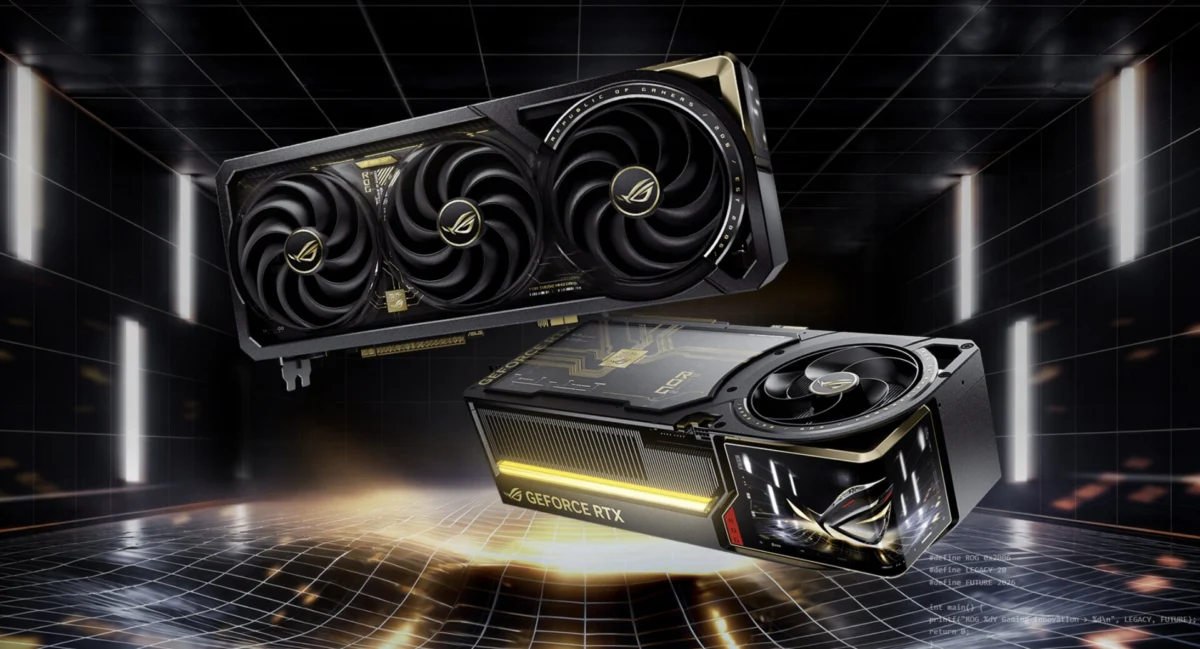
The flagship of the collection is undoubtedly the ROG Astral GeForce RTX 5090 32GB GDDR7 OC Edition 20. Priced at an eye-watering €5,799, this graphics card is not merely a piece of hardware; it is a statement piece. Featuring an 800W power draw and an integrated AMOLED display for real-time telemetry, the card represents the absolute zenith of current GPU engineering.
However, the "Edition 20" series is not limited to GPUs. Asus has curated a portfolio that spans the entire enthusiast rig, targeting those who view their PCs as high-performance art. Among the standout items is a bundle pairing the latest X870E flagship motherboard with a custom-designed All-in-One (AiO) cooling solution, retailing for €2,999. While the entry point to the collection—represented by high-end peripherals like specialized mice—sits at a more "approachable" €270, the overall message remains clear: the Republic of Gamers (ROG) is positioning itself as a luxury brand, far removed from the constraints of the traditional DIY PC market.
Chronology of an Anniversary: From Tease to Launch
The journey to the "Edition 20" launch began as a whisper in the enthusiast community, fueled by rumors of a "special project" to celebrate 20 years of ROG.
- Q1 2026: Initial leaks suggested that Asus was working on a "halo" product to celebrate the two-decade milestone. The industry speculated on a limited-run GPU, but few anticipated the scale of the full product ecosystem.
- Computex 2026: Asus officially unveiled the "Edition 20" series in Taipei. The showcase was a spectacle of engineering, highlighting the 800W RTX 5090 and the modular cooling solutions that would define the collection. The hardware was met with both awe at the technical specifications and apprehension regarding the inevitable price tags.
- July 2026: As the release window approaches, Asus has confirmed the pricing structure for the DACH market. This rollout marks the beginning of a phased release strategy, ensuring that these limited-run products remain "collector’s items" rather than mass-market inventory.
- Late July 2026 and Beyond: The hardware will hit the shelves across Germany, Austria, and Switzerland. Analysts expect the initial stock to sell out within hours to early adopters and professional enthusiasts, setting the stage for a potential secondary market surge.
Supporting Data: Why the Price Hikes?
The pricing of the Edition 20 series has triggered a significant debate regarding the "luxury tax" applied to PC components. To understand why a graphics card costs as much as a used car, one must look at the technical architecture.
The Engineering Premium
The ROG Astral RTX 5090 is not a standard board. With a power requirement of 800W, it necessitates a custom power delivery system (VRMs) that is significantly more robust than the standard reference design. Furthermore, the inclusion of 32GB of GDDR7 memory is a cutting-edge implementation that currently commands a premium price due to limited supply chain availability.
The Aesthetic and Functional Value
The integration of an AMOLED display is more than just a cosmetic upgrade; it requires a dedicated controller and firmware integration, increasing the complexity of the PCB. When combined with the limited-run manufacturing process—where yield rates for such highly binned, high-clocked chips are significantly lower—the per-unit cost to Asus is exponentially higher than that of their standard-issue "Strix" or "TUF" lines.
Comparative Market Positioning
| Product | "Edition 20" Price | Standard High-End Equivalent |
|---|---|---|
| RTX 5090 GPU | €5,799 | €2,200 – €2,500 |
| X870E + AiO Bundle | €2,999 | €1,200 – €1,500 |
| Premium Mouse | €270 | €120 – €160 |
The data shows a roughly 2x to 2.5x multiplier on the "Edition 20" series compared to even the highest-end standard models. This confirms that Asus is targeting the "ultra-enthusiast" demographic, a group for whom budget is a secondary concern to exclusivity.
Official Responses and Corporate Strategy
Asus representatives have framed the "Edition 20" series as a "tribute to the community." In various statements following the Computex reveal, the company emphasized that these products were designed to showcase what is possible when engineers are given a blank check.
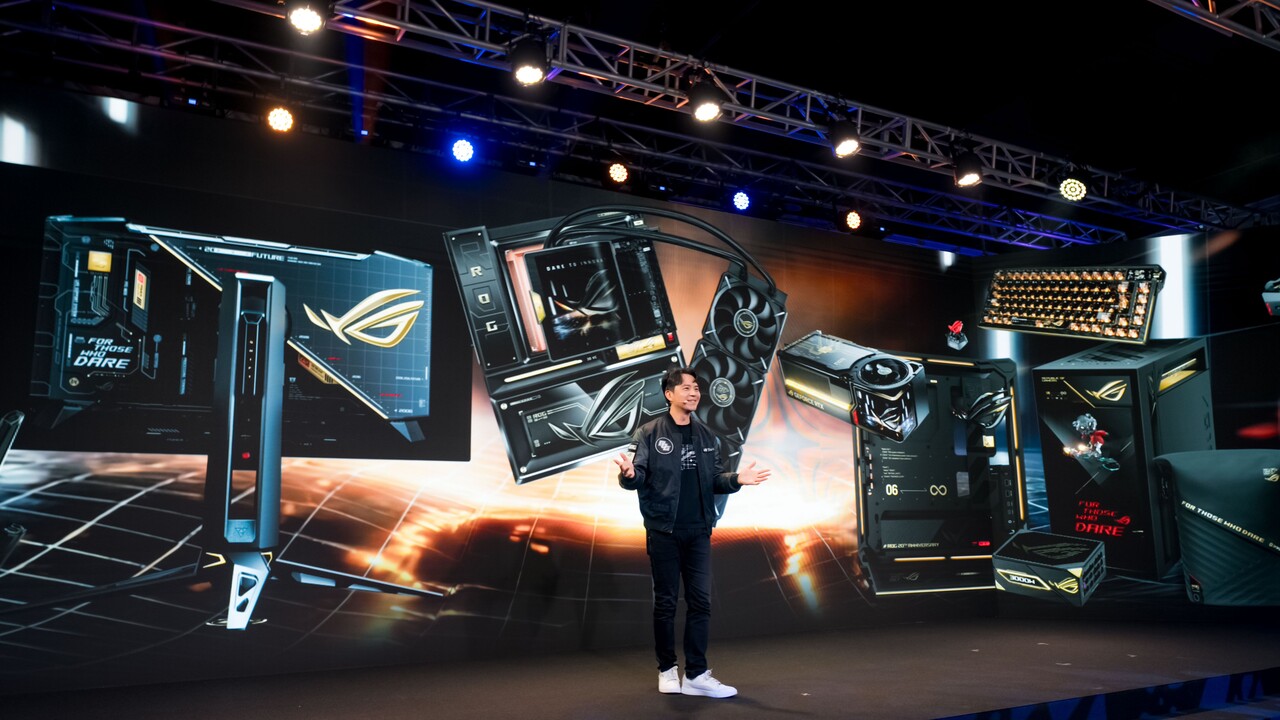
"Our goal was not to create a product for the mass market, but to create a legacy," stated a company spokesperson. "The Edition 20 series represents the pinnacle of 20 years of Republic of Gamers history. Every component has been refined to its absolute limit, from the power delivery on our X870E boards to the thermal efficiency of our custom cooling loops."
The official narrative positions the high cost as a necessary byproduct of "perfectionism." By limiting the production run, Asus creates a scarcity-driven market, ensuring that the brand retains its "prestige" status. They are not competing against other manufacturers here; they are competing against the limits of the technology itself.
Implications: The Future of the DIY Market
The release of the Edition 20 series carries significant implications for the future of the PC hardware industry.
The "Luxury" Pivot
Asus is signaling a shift toward luxury branding. Much like the automotive industry, where manufacturers offer "Special Edition" models that cost significantly more than their base counterparts, Asus is effectively creating a "Supercar" tier for PC components. If this model proves successful, we may see other manufacturers—such as MSI or Gigabyte—following suit with their own ultra-premium, limited-run product lines.
The Death of the "Mainstream" Enthusiast?
A major concern among the PC building community is the "hollowing out" of the middle class of hardware. As manufacturers focus on high-margin, ultra-expensive halo products, there is a risk that innovation in the $500–$1,000 price range may stagnate. If companies prioritize the "Edition 20" level of engineering, the research and development budgets might be diverted away from the bread-and-butter components that the average gamer relies on.
The Secondary Market and Collector Value
Because the "Edition 20" series is being marketed as a "begehrte Sammler-Edition" (sought-after collector’s edition), it is highly likely that these items will gain value in the secondary market. This turns PC components into an asset class, a phenomenon previously seen only in rare consoles or retro hardware. This change in perception could attract non-gamers and investors, further complicating availability for genuine enthusiasts.
Conclusion
The Asus ROG Edition 20 collection is a masterclass in branding and technical ambition. While the price tags—ranging from €270 for a mouse to a staggering €5,799 for the RTX 5090—will undoubtedly alienate a large portion of the market, that appears to be by design. Asus is betting that after 20 years, the Republic of Gamers is strong enough to command a premium that transcends traditional value metrics.
For the DACH region, the wait is nearly over. By the end of July, the first wave of these ultra-exclusive units will enter the market. Whether they represent the future of computing or merely the excesses of a celebration, the "Edition 20" will undeniably leave a permanent mark on the history of PC hardware. For now, the world watches to see if the performance, aesthetics, and sheer audacity of these components can truly justify the cost of the "Edition 20" experience.