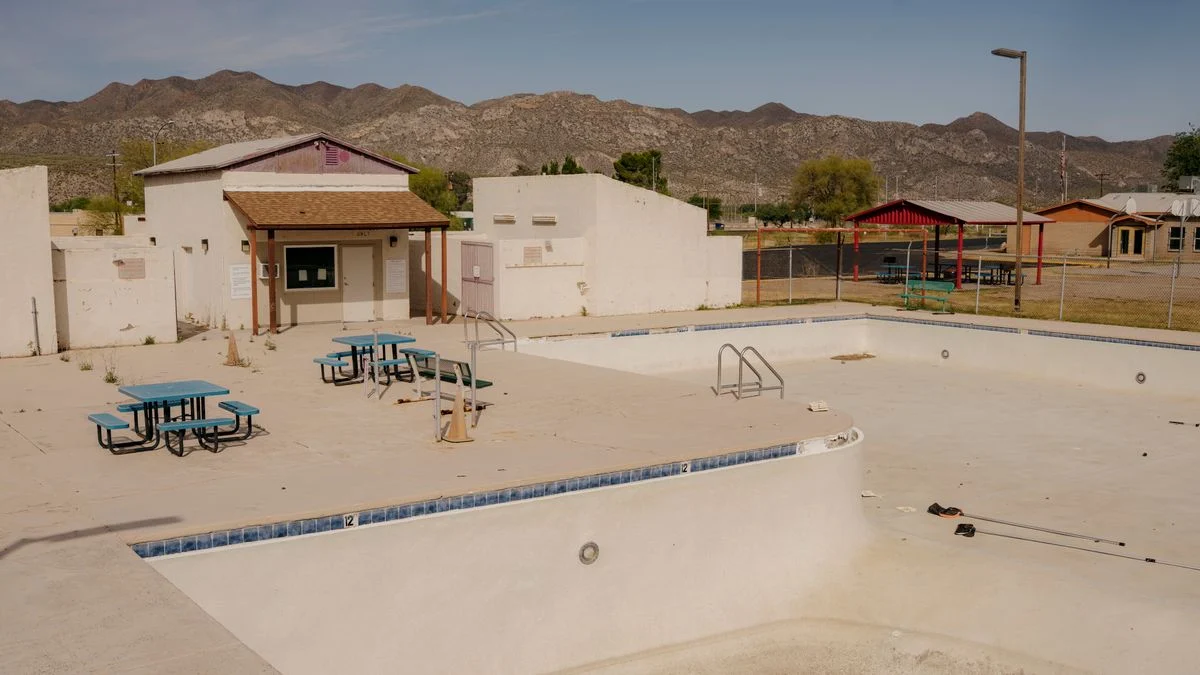
The Colorado River is more than just a waterway; it is the lifeblood of the American Southwest. Stretching 1,450 miles from the Rocky Mountains to the Gulf of California, it sustains the agriculture, industry, and daily existence of 40 million people across seven U.S. states and Mexico. Today, however, that lifeline is fraying. A historic "megadrought"—the most severe in at least 1,200 years—has brought the river to the brink of collapse, triggering unprecedented water restrictions and forcing a fundamental reckoning with the region’s sustainability.
The State of the Basin: Main Facts
At the heart of the crisis are the two largest reservoirs in the United States: Lake Mead and Lake Powell. These artificial giants were designed to act as giant bank accounts for water, storing years of supply to hedge against dry cycles. Yet, after two decades of diminishing snowpack and relentless heat, these accounts are overdrawn.
As of the latest federal reports, the system is operating at historically low levels. The "bathtub ring"—the stark white mineral deposit lining the canyon walls of Lake Mead—reveals just how far the water levels have retreated. When the reservoirs drop below critical elevation levels, the federal government is legally mandated to trigger "shortage declarations," which force downstream states—most notably Arizona, Nevada, and California—to reduce their water intake.
The crisis is driven by a "perfect storm" of factors: climate change-induced heat waves increasing evaporation, a long-term shift in precipitation patterns, and an archaic legal framework that allocated more water than the river has historically provided.
Chronology of the Decline
The seeds of the current crisis were sown nearly a century ago.
- 1922: The Colorado River Compact. Signed during a period of uncharacteristically wet years, this agreement divided the river’s water among seven states based on flawed data. It overestimated the river’s average annual flow, setting the stage for future conflict.
- 2000: The Onset of the Megadrought. While scientists debate the exact start date, the turn of the millennium marked the beginning of a sustained period of below-average precipitation that has persisted for over two decades.
- 2007: Guidelines for Shortage. Recognizing the instability, the basin states agreed to interim guidelines that outlined how water cuts would be managed if reservoir levels dropped.
- 2021: The First Federal Shortage Declaration. For the first time in history, the Bureau of Reclamation declared a Tier 1 shortage on the Colorado River, mandating cuts for Arizona and Nevada.
- 2023–2024: The Emergency Re-negotiations. With levels nearing "dead pool"—the point at which water can no longer flow through the dams—the federal government stepped in to force states to accept additional, voluntary cuts to prevent a total system collapse.
Supporting Data: By the Numbers
The statistical reality of the Colorado River basin is sobering.
- Flow Reduction: Studies published in journals like Science suggest that the river’s flow has decreased by approximately 20% since the early 20th century. Roughly half of this decline is directly attributed to rising temperatures.
- Allocation vs. Reality: The 1922 Compact promised 16.5 million acre-feet of water annually. However, the river’s actual average annual flow over the last two decades has hovered closer to 12 million acre-feet.
- Agricultural Dominance: Approximately 70–80% of the water diverted from the Colorado River is used for agriculture. Specifically, the irrigation of water-intensive crops like alfalfa and hay in the Imperial Valley of California accounts for a massive portion of this consumption.
- Economic Impact: The Colorado River basin supports an economic output of over $1 trillion annually. If the system were to fail, the agricultural production of the Southwest—a major source of the nation’s winter vegetables—would be decimated.
Official Responses and Political Maneuvering
The political friction between states has been intense. California, which holds the most senior water rights, has long resisted significant cuts, arguing that it has invested heavily in conservation and that its farmers provide food for the entire country. Conversely, Arizona and Nevada, which hold "junior" rights, have faced the brunt of the mandatory cuts.
The U.S. Bureau of Reclamation has shifted from a mediator to a proactive regulator. Under the Biden administration, federal officials have signaled that they are willing to impose unilateral cuts if the states cannot reach a consensus. This move has pushed state governors into a series of high-stakes negotiations, culminating in a proposal to voluntarily reduce water usage by 3 million acre-feet through 2026.
"We are not just managing a drought," a Department of the Interior spokesperson recently noted. "We are managing a permanent aridification of the landscape."
The Implications: A New Era of Aridification
The crisis has profound implications for the future of the American West.
1. The Death of the "Green Lawn" Aesthetic
Municipalities across the region, from Las Vegas to Phoenix, are launching aggressive "grass removal" programs. The era of the lush, green suburban lawn in the middle of the Sonoran Desert is coming to an end. Cities are shifting toward "xeriscaping"—landscaping that requires little to no irrigation—as a permanent fixture of urban design.
2. The Agricultural Reckoning
The most difficult conversations involve the agricultural sector. As water prices rise and allocations drop, many farmers are being forced to fallow their land. This raises critical questions about food security and the economic survival of rural communities. Can the region continue to export water-intensive crops to international markets while local water tables collapse?
3. Energy Security
The Colorado River is a massive source of hydroelectric power. The Hoover Dam and the Glen Canyon Dam provide clean, renewable energy to millions. As water levels drop, the turbines operate less efficiently. If the water drops too low, the dams stop producing electricity entirely, threatening the stability of the Western power grid.
4. The Ecological Toll
The river’s delta, once a lush wetland in Mexico, has been a dry salt flat for decades. Increased conservation efforts have attempted to restore small "pulse flows" to the region, but these efforts are increasingly threatened by the broader need to keep water in reservoirs for human consumption. The loss of biodiversity along the river’s corridor is a silent, ongoing tragedy.
Conclusion: Adapting to a Drier Future
The megadrought in the American Southwest is not a temporary anomaly; it is a preview of a warmer, drier future. While temporary fixes like winter snowstorms can offer a brief respite, they do not resolve the structural deficit of the river.
The path forward requires a radical rethink of how water is valued. It involves investment in desalination technology, massive infrastructure for water recycling, and, most importantly, a political willingness to prioritize water usage based on long-term survival rather than century-old legal claims. The Colorado River has reached a breaking point, and the actions taken in this decade will determine whether the American Southwest remains a viable place for millions to call home in the 22nd century.