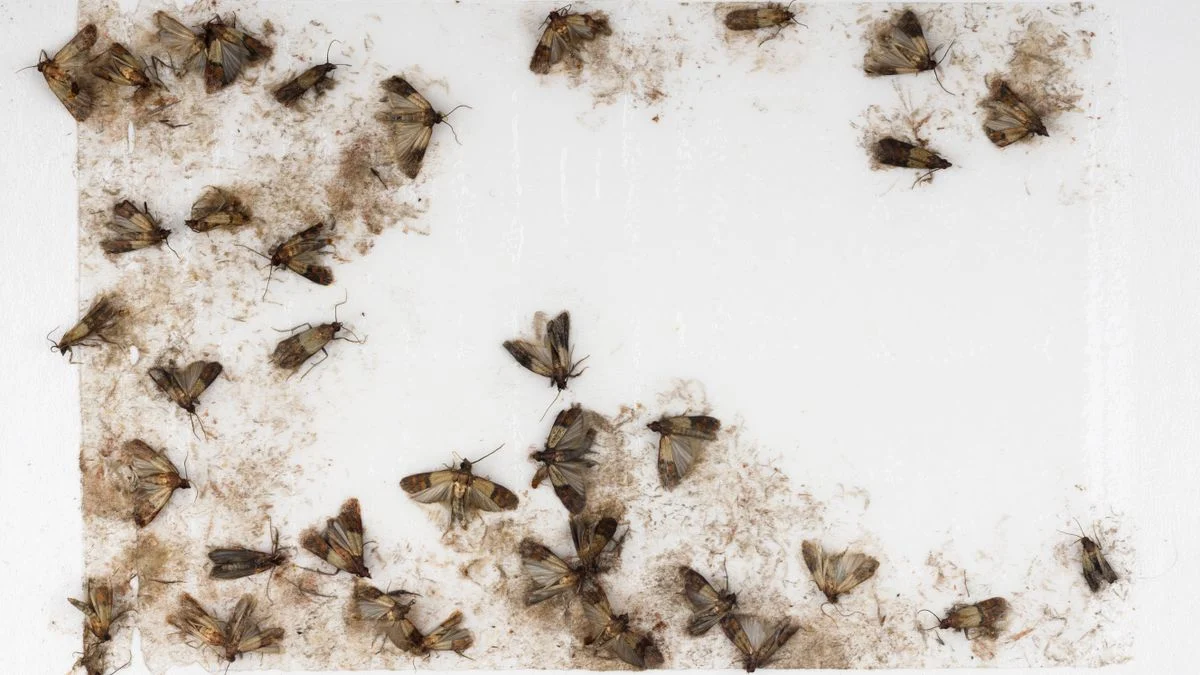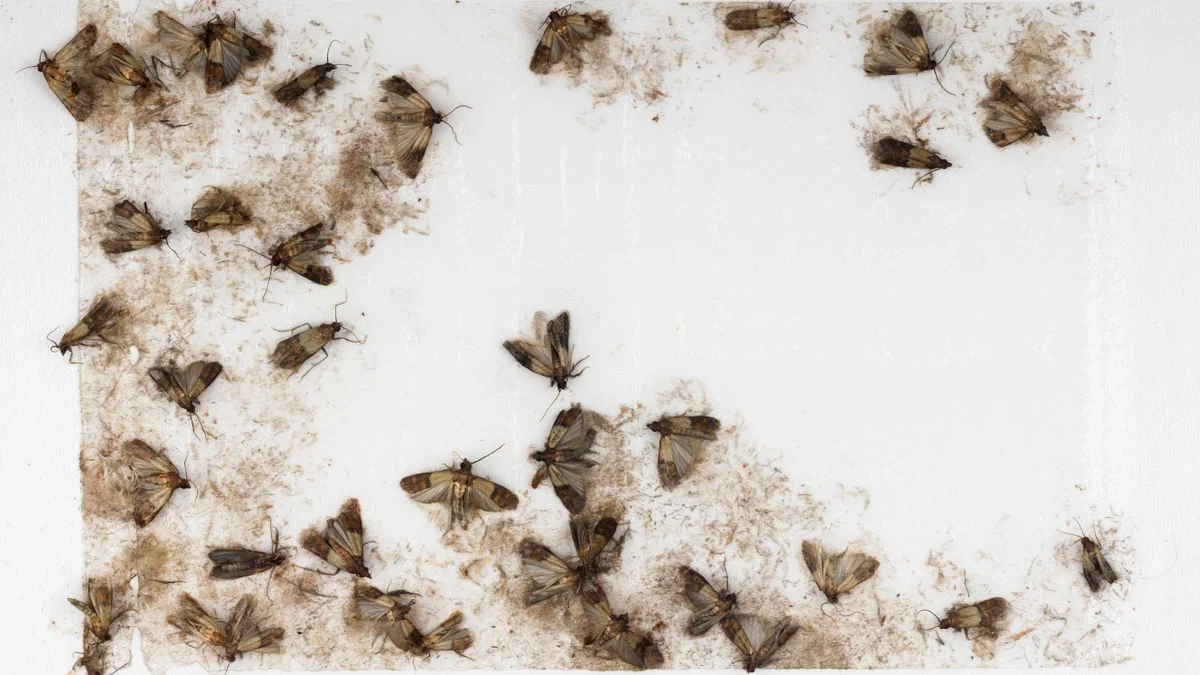
The presence of food moths—specifically the Indian meal moth (Plodia interpunctella) and the flour moth (Ephestia kuehniella)—is a common domestic nuisance that often catches homeowners off guard. What begins as the occasional sighting of a small, nondescript moth fluttering near the ceiling frequently escalates into a full-scale infestation within the kitchen pantry. Understanding the biological mechanisms, behavioral patterns, and effective mitigation strategies for these pests is essential for maintaining a hygienic and secure food storage environment.
Main Facts: Identifying the Enemy
Food moths are not merely a visual annoyance; they are highly efficient biological machines designed to exploit dry food supplies. The adult moths themselves do not eat; their sole purpose is reproduction. The real damage—and the primary indicator of an infestation—is caused by the larvae.
These larvae are prolific consumers of a wide variety of pantry staples, including flour, cereals, nuts, dried fruits, birdseed, pet food, and spices. A key identifier of an infestation is the presence of fine, silk-like webbing within food containers or across the corners of storage jars. This webbing is produced by the larvae as they crawl, effectively contaminating the food source with excrement and discarded skins.
Key facts regarding their lifecycle include:
- Rapid Reproduction: A single female can lay up to 400 eggs, often depositing them directly into or near food sources.
- Camouflage: The eggs are microscopic, making it virtually impossible to detect them when bringing home new groceries.
- Resilience: Larvae can chew through thin plastic, cardboard, and foil packaging, meaning that "sealed" store-bought boxes are often insufficient protection.
Chronology of an Infestation
The development of a pantry infestation typically follows a predictable, albeit insidious, timeline. Recognizing these stages is critical for early intervention.
Stage 1: The Introduction (Day 0)
Most infestations begin through "hitchhiking." Consumers unknowingly introduce the pests into their homes via contaminated goods purchased at the grocery store or warehouse. Because the eggs are nearly invisible, the infestation may go unnoticed for weeks.
Stage 2: The Latent Phase (Weeks 1–4)
During this period, the eggs hatch into larvae. These tiny creatures begin feeding immediately. They are nocturnal and remain hidden deep within food packets, meaning the homeowner sees no signs of activity. The larvae grow through several "instars" (molting stages), consuming significantly more as they mature.
Stage 3: The Emergence (Weeks 5–8)
Once the larvae reach their final growth stage, they begin to wander. It is during this time that they often leave the food source to seek a pupation site. Homeowners usually notice the infestation at this stage, as they spot mature larvae crawling on walls, ceilings, or the exterior of pantry shelves.
Stage 4: The Reproductive Loop (Ongoing)
Within a few days of pupating, the adults emerge. They mate, lay more eggs, and the cycle repeats. Without intervention, a minor introduction can transform into a widespread problem affecting every dry good in the kitchen within two to three months.
Supporting Data: Economic and Hygiene Implications
Pest control specialists note that food moths are among the most difficult household pests to eradicate completely due to their ability to survive on trace amounts of food.
- Contamination Rates: Studies suggest that over 80% of residential kitchen infestations originate from products brought home from retail environments.
- Waste Statistics: A typical household with an undetected moth infestation may be forced to discard between 10% and 40% of their dry food inventory annually, leading to significant financial losses and food waste.
- Health Concerns: While pantry moths do not bite humans or transmit diseases in the same way as cockroaches or rodents, the consumption of contaminated food can lead to allergic reactions or gastrointestinal distress due to the fungal growth often associated with larval webbing.
Official Responses and Expert Strategies
Entomologists and pest control experts emphasize that chemical sprays are rarely the solution for pantry moths. Instead, a structural approach to sanitation and storage is required.
Integrated Pest Management (IPM)
- Systematic Inspection: Remove every item from the pantry. Inspect the underside of jars, the folds of bags, and even the screw threads of lids. If webbing is present, the item must be discarded.
- Deep Cleaning: Use a vacuum with a HEPA filter to clean cracks and crevices, as eggs and pupae often hide in shelf pinholes or the corners of shelving units. Follow up with a vinegar-and-water solution to wipe down all surfaces.
- Containment: The most effective defense is transferring all dry goods—flour, rice, grains, and even chocolate—into airtight glass or high-quality hard plastic containers with rubber gaskets. This effectively "quarantines" the food, preventing a localized infestation from spreading to the entire pantry.
- Freezing: If you suspect a product may be contaminated but are unsure, place the item in a deep freezer at 0°F (-18°C) for at least 72 hours. This kills eggs and larvae at all stages.
Implications for Modern Kitchen Management
The shift toward "bulk buying" and sustainable, plastic-free shopping has inadvertently increased the prevalence of food moths in modern homes. By purchasing large quantities of grains and storing them in original paper or thin plastic packaging, consumers provide the perfect habitat for these insects to thrive.
Furthermore, the rise of "open pantry" kitchen designs, while aesthetically pleasing, often lacks the climate-controlled, sealed environment necessary to discourage pest migration. To effectively manage the risk, homeowners must transition from a "store-and-forget" mentality to a "monitor-and-secure" approach.
The Role of Pheromone Traps
Pheromone traps are highly effective, but they must be used correctly. These traps use the scent of female moths to lure males, effectively disrupting the breeding cycle. However, they are not a "cure-all." They serve primarily as a monitoring tool to tell you if the population is still active. If you catch more than one or two moths in a week, it indicates that a source of infestation remains hidden somewhere in your kitchen.
Conclusion: A Proactive Future
Eradicating food moths is a test of patience, not strength. There is no shortcut that replaces the necessity of discarding contaminated materials and thoroughly cleaning the storage environment. By adopting a system of airtight storage and regular pantry audits, households can reclaim their kitchens from these persistent invaders. While the sight of a moth may be unsettling, it serves as a reminder of the importance of food hygiene and the necessity of proactive household management in protecting our food supplies.