The announcement of the Nobel Prize in Literature is more than just a cultural milestone; for the global book trade, it is a logistical earthquake. As soon as the Swedish Academy unveils its latest laureate, a frantic, high-stakes cycle begins. Publishers scramble to secure printing rights, warehouses are emptied, and bookstores—from small independent shops to major retail chains—rush to capitalize on a sudden, explosive surge in demand.
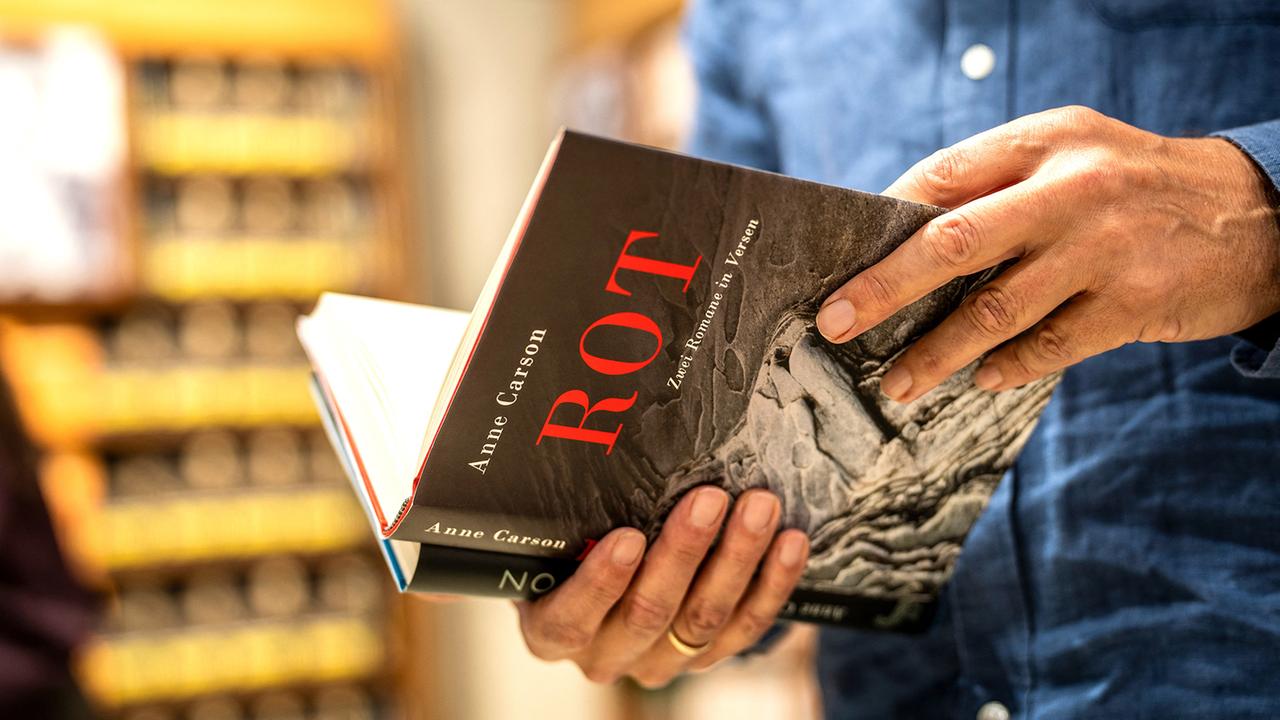
For 2026, the spotlight falls on the Canadian poet and essayist Anne Carson. While her appointment has been celebrated by critics worldwide, it has simultaneously triggered a familiar, chaotic chain reaction within the book industry. This phenomenon, colloquially known as the "Nobel Effect," serves as a testament to the power of literary prestige in a commercial market.
Chronology of a Literary Frenzy
The lifecycle of a "Nobel Effect" follows a predictable, yet volatile, trajectory.
The Moment of Announcement:
The secret, guarded by the Swedish Academy with vault-like security, is broken. In an instant, a name that may have been known primarily to academics and literary enthusiasts becomes a household fixture. Within minutes, online search engines spike, and bookstore inventory management systems across the globe begin to flicker with red alerts as stock levels plummet.
The First 48 Hours:
As witnessed in the case of Anne Carson at Berlin’s Dussmann bookstore, the immediate reality is one of scarcity. "Books like Eros the Bittersweet or Autobiography of Red are currently only available in their original English versions," explains Gibran Syed, a floor manager for modern literature. For international readers, the gap between the announcement and the arrival of translated editions creates a temporary "dead zone" where demand far outstrips supply.
The Logistical Sprint:
In the weeks following the announcement, publishers initiate emergency print runs. For smaller independent publishers who hold the rights to a laureate’s work, this is a "sink or swim" moment. Andreas Rötzer, director of the publishing house Matthes & Seitz, notes that the sudden influx of orders for Carson’s works presents a complex business challenge. "We are currently evaluating how many copies to reprint and which specific titles to prioritize," Rötzer admits, noting that such a massive, sudden spike in demand is a rare experience even for seasoned publishers.
Supporting Data: Measuring the Impact
The "Nobel Effect" is not merely an anecdotal observation; it is a measurable economic force. Market research conducted by firms like Media Control, commissioned by broadcasters like the RBB, provides concrete data on how the prize alters consumer behavior.
The Krasznahorkai Case Study
When Laszlo Krasznahorkai was awarded the prize, his sales trajectory provided a masterclass in the Nobel impact. In the four weeks following his win, his books saw a 400% increase in sales compared to the twelve-week period preceding the announcement. Crucially, this was not limited to his most recent publication; his entire backlist experienced a surge, demonstrating that the Nobel Prize acts as a "seal of quality" that invites readers to explore a writer’s entire oeuvre.
Longevity of Interest
Data suggests that while the spike is sharpest in the first month, the "tail" of the Nobel effect can last significantly longer. Even one year after winning, authors like Krasznahorkai continue to see weekly sales figures substantially higher than their pre-award baseline. However, experts warn that this is a finite resource. Sandra Richter, director of the German Literature Archive in Marbach, notes that the cycle is aggressive: "The attention is eventually reclaimed by the next laureate. The effect typically fizzles out after one to two years."
The Nuance of Prestige: Why Not Everyone Benefits Equally
While the Nobel Prize is the highest honor in literature, its impact on sales is not uniform. Not every laureate experiences a "bestseller" transformation.
The "Established Author" Paradox
Paradoxically, authors who are already global household names—such as Thomas Mann—often see less of a dramatic "sales jump" than lesser-known figures. Because their works are already widely distributed and present in libraries and homes, the prize serves more as a confirmation of their status rather than a catalyst for discovery.
The "Lack of Appeal" Factor
Literature is subjective, and the Nobel Prize is an academic selection, not a commercial one. Historical data, such as that regarding Pearl S. Buck (the 1938 winner), shows that if an author’s work does not resonate with the contemporary public’s taste, the "Nobel Effect" can be muted. Richter notes, "Buck was relatively unpopular in certain circles, and her texts were not viewed as groundbreaking by the broader public, which limited the commercial boost she received from the prize."
The Genre Filter
The type of literature also dictates the intensity of the demand. As Gibran Syed observes regarding Anne Carson, works of poetry and complex essayistic prose naturally reach a different, often smaller, demographic than broad-appeal fiction. While demand for Carson is expected to be "very solid" due to her long-standing, loyal readership, it is unlikely to reach the mass-market velocity of a blockbuster novelist.
Implications for the Book Trade
The Nobel Prize forces the industry to grapple with two competing realities: the cultural necessity of promoting high-level literature and the cold, hard logic of supply chain management.
The Shift from Single-Title Success
One of the most significant differences between the Nobel Prize and other industry awards—like the German Book Prize—is the scope of the impact. The German Book Prize typically focuses on a single, new, high-quality publication. The Nobel Prize, however, is a lifetime achievement award. Consequently, it forces bookstores to curate "Nobel shelves" that span decades of an author’s career. This forces booksellers to act as curators, guiding readers through a complex backlist rather than simply pushing a current bestseller.
The Digital Buffer
In the age of digital transformation, e-books and audiobooks have become the industry’s primary "safety net" during the initial post-announcement shortage. When physical copies are stuck in transit or waiting on printing presses, digital platforms allow readers to access the laureate’s work instantly. This has helped mitigate some of the frustration that characterized the era of printed, physical-only inventory.
Preparing for the "Gift Season"
Timing is a final, critical factor. With the Nobel Prize traditionally awarded in October and the formal ceremony taking place on December 10th, the timing aligns perfectly with the holiday shopping season. For bookstores, the prize provides a perfect "anchor" for Christmas marketing. By the time the Nobel lecture is delivered in Stockholm, many shops are fully restocked and prepared to market the laureate’s works as premium, thoughtful gifts.
Conclusion: A Double-Edged Sword
The "Nobel Effect" remains one of the most fascinating intersections of art and commerce. It forces the publishing industry to be agile, responding to a sudden shift in public interest with limited lead time. While it brings significant logistical pressure—particularly for smaller, independent publishers who must navigate the financial risk of large-scale reprints—it ultimately serves the primary purpose of the prize: ensuring that the world’s most significant literary voices find their way into the hands of the public.
For authors like Anne Carson, the prize is an affirmation of a life’s work. For the industry, it is a reminder that even in an era dominated by algorithmic recommendations and social media trends, the prestige of the Nobel committee remains the most powerful "influencer" in the world of books. As bookstores prepare their displays for the coming winter, the message is clear: the Nobel Prize does not just reward literature; it revitalizes the entire ecosystem of reading.