In a landscape defined by algorithmic feedback loops and the relentless pursuit of online attention, the German youth have cast their vote. "Ragebait"—the calculated manufacturing of controversy to drive engagement—has officially been declared the Youth Word of the Year 2026.
The announcement, made by the Langenscheidt publishing house at the prestigious Frankfurt Book Fair, serves as a poignant cultural critique of the digital age. As social media platforms prioritize high-arousal content to maximize time-on-app, the term "Ragebait" has become a quintessential part of the lexicon for Gen Z and Generation Alpha, capturing the cynical reality of modern content consumption.
The Anatomy of "Ragebait"
At its core, "Ragebait" (a portmanteau of "rage" and "bait") describes digital content—be it a video, a social media post, or a provocative headline—specifically engineered to trigger an immediate, visceral emotional reaction. The objective is not to inform or entertain in a traditional sense, but to provoke, irritate, or offend the viewer enough to compel them to comment, share, or engage in a heated debate.
In the parlance of 2026, a "Ragebait" post is rarely accidental. It is a strategic tool often utilized by influencers, content creators, and media entities to manipulate the recommendation algorithms of platforms like TikTok, Instagram, and X (formerly Twitter). By prioritizing negative sentiment—such as moral outrage or indignant correction—these creators exploit the human psychological tendency to voice opposition. The resulting surge in engagement signals to the platform’s algorithm that the content is "valuable," thereby pushing it into the feeds of thousands, if not millions, of unsuspecting users.
A Tight Race: The Finalists
The selection process for the Youth Word of the Year was characterized by intense competition. "Ragebait" secured the title with 36.5% of the popular vote, narrowly edging out two other strong contenders that reflect the current state of youth vernacular:
- Peak (33.8%): Borrowed from the English "summit" or "pinnacle," this term is used to describe the absolute best of something. It is the antithesis of "Ragebait," often used to describe a moment, a song, or an experience that is truly unmatched or "at its best."
- Crashout (29.7%): A term describing a person who has reached their breaking point and is, in a metaphorical or literal sense, having a complete meltdown or "crashing out" of social norms or behavioral constraints.
The narrow margin between these three terms—all of which hover around the 30% mark—suggests a polarized linguistic landscape. While "Peak" represents aspiration and "Crashout" represents emotional volatility, "Ragebait" captures the systemic exploitation of that volatility.
A Chronology of the 2026 Selection
The road to the 2026 title began months earlier, following a nationwide call for submissions from young people aged 11 to 20. Langenscheidt, which has managed the tradition since 2008, oversaw a multi-stage selection process:
- The Nomination Phase: Thousands of terms were submitted via an online portal. Lexicographers at the publishing house evaluated the terms based on their frequency of use, popularity, and cultural relevance.
- The Shortlist: Following the initial vetting, a shortlist was presented to the public for a preliminary vote.
- The Finalist Announcement: By late summer, the top three candidates were isolated, leading to a final round of voting that saw intense discourse on social media platforms.
- The Proclamation: On October 10, 2026, the official winner was unveiled at the Frankfurt Book Fair, a move that serves to bridge the gap between traditional literary culture and the rapidly evolving digital language of the youth.
Supporting Data: Why "Ragebait" Resonates
The victory of "Ragebait" is not merely a linguistic trend; it is a sociological indicator. According to data provided by Langenscheidt, over one million young people participated in the voting process. While the exact demographic breakdown of the voters remains proprietary, the trend aligns with ongoing research into the mental health and media literacy of teenagers.
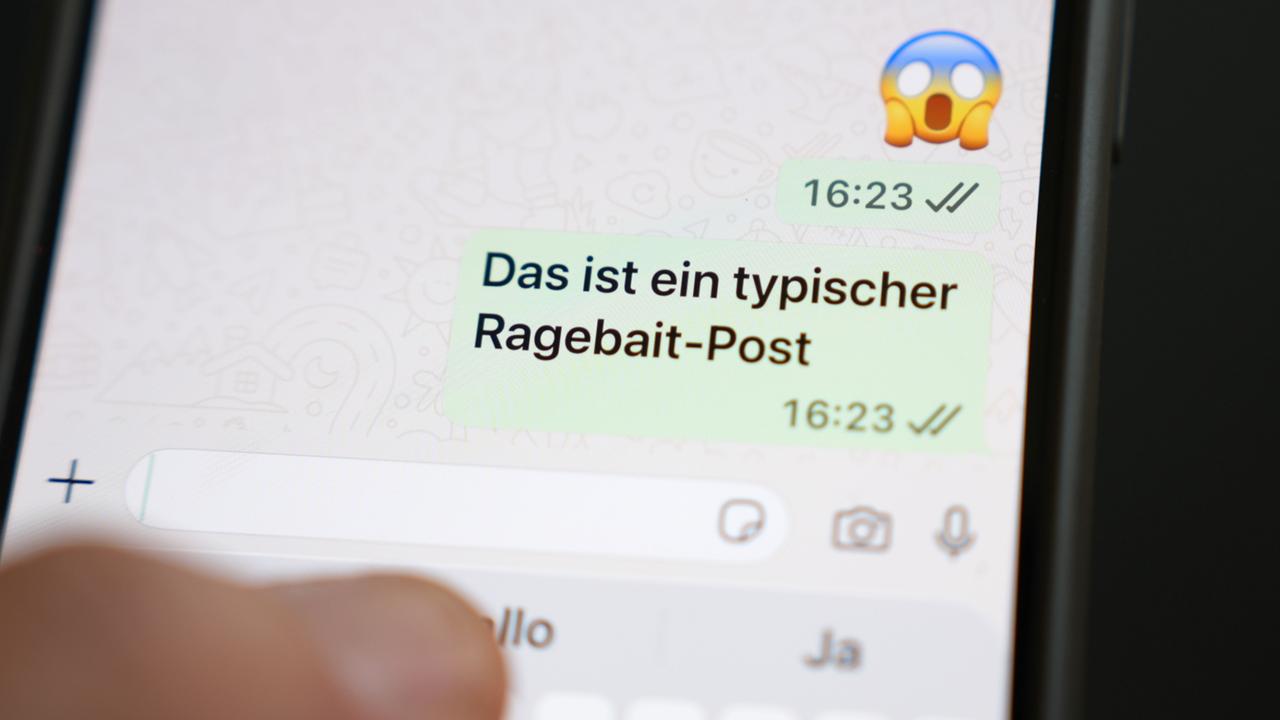
Studies suggest that Gen Z is increasingly aware of the "attention economy." By labeling content as "Ragebait," young users are demonstrating a sophisticated form of media literacy. They are not merely passive consumers; they are identifying the manipulative tactics used by content creators. Calling something "Ragebait" is often an act of digital self-defense—a way to dismiss a post and signal to one’s peers that they are aware the content is designed to exploit them.
Official Responses and Linguistic Context
The selection of "Ragebait" has drawn commentary from linguists and educators alike. Dr. Elena Fischer, a sociolinguist specializing in digital discourse, noted: "The term is fascinating because it is a meta-term. It describes the process of the internet itself. By choosing this word, the youth are showing a cynical, yet highly accurate, understanding of the digital environment they inhabit for several hours a day."
Langenscheidt representatives emphasized that the goal of the annual vote is not to endorse the language used, but to document it. Since 2008, the list has featured everything from "Gammelfleischparty" (a derogatory term for parties for older people) to "Smombie" (a smartphone-zombie). Last year’s winner, "das crazy," marked a shift toward irony and the integration of English adjectives into German syntax. "Ragebait," by contrast, marks a shift toward a more critical, analytical, and perhaps slightly jaded outlook.
Implications: The Future of Digital Interaction
What does the prevalence of "Ragebait" mean for the future of online discourse? The implications are twofold.
1. The Erosion of Nuance
The fact that "Ragebait" is a household word among youth suggests that the expectation of balanced, nuanced content is diminishing. If the primary mode of engagement is the reaction to provocation, the "middle ground" of political and social discourse is increasingly squeezed out of the digital public square.
2. A Defense Mechanism for the Attention Economy
On a more optimistic note, the naming of the phenomenon is the first step toward overcoming it. If young people can collectively identify and label "Ragebait," they are more likely to refrain from feeding the algorithm. It is a form of digital immunization; by naming the "bait," the effectiveness of the trap is reduced.
As we look toward 2027, the choice of "Ragebait" as the 2026 Youth Word of the Year stands as a testament to a generation that is acutely aware of its surroundings. It is a generation that has grown up in the shadow of the algorithm and has decided that, rather than being a pawn in the outrage machine, they would rather define it, dissect it, and ultimately, move past it.
The Frankfurt Book Fair served as a reminder that even as language migrates to 15-second clips and viral threads, it remains the primary tool for humans to make sense of their environment. Whether "Ragebait" will remain in the common vernacular or be replaced by the next evolution of digital slang remains to be seen, but for now, the message is clear: the youth are watching, they are cynical, and they are naming the game.