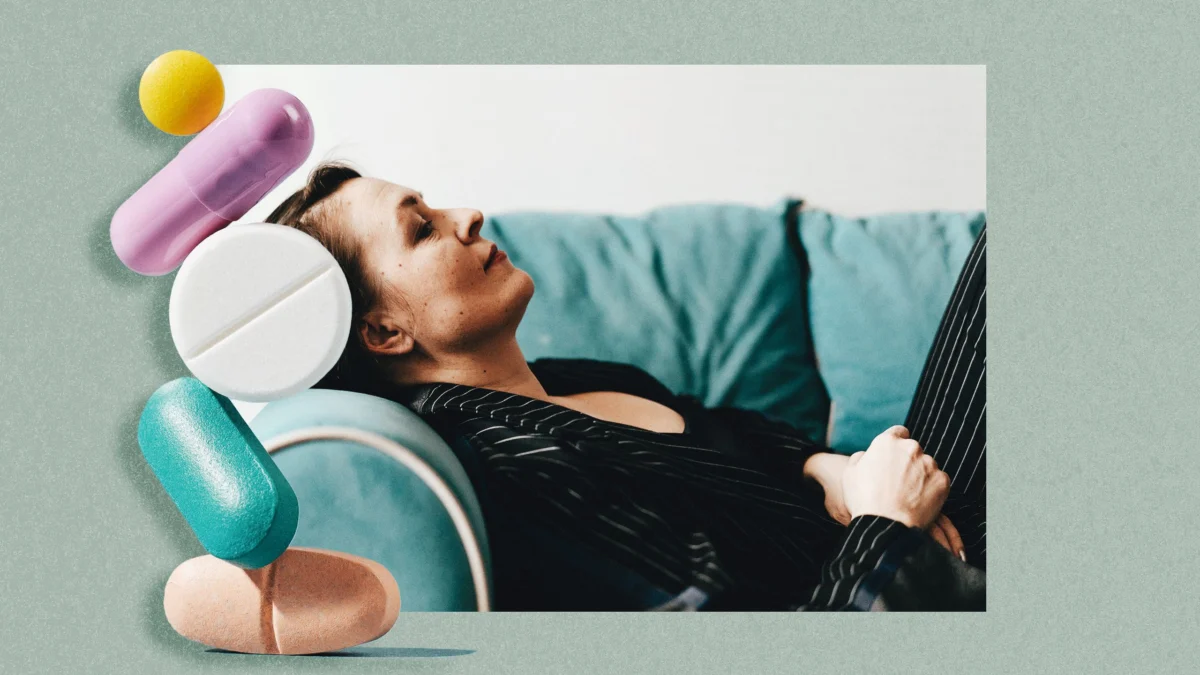
MUNICH — For decades, the biological reality of the menopause was shrouded in a complex cocktail of social stigma, medical negligence, and corporate indifference. Despite the fact that this transition affects more than half of the global population at some point in their lives, it remained a "silent" issue—a private struggle relegated to the shadows of the doctor’s office or, more often, endured in total isolation.
Today, that narrative is undergoing a seismic shift. Hitzewallungen (hot flashes) and other menopausal symptoms have transformed from a taboo topic into one of the most lucrative "hot" sectors in the global economy. As private equity firms, venture capitalists, and pharmaceutical giants rush to capture a share of this burgeoning market, the "Menopause Economy" has moved from the periphery of women’s health into the spotlight of global finance.
The Main Facts: A Paradigm Shift in Women’s Health
The current surge in investment is not merely a commercial trend; it is a long-overdue acknowledgment of a massive demographic that has been historically underserved. The menopause market—often categorized under the broader "FemTech" umbrella—is now seeing billions of dollars in capital allocation.
Telemedicine providers are leading the charge, offering streamlined access to hormone replacement therapy (HRT) and specialized consultations. Simultaneously, corporate America and Europe are beginning to integrate "menopause support" into their employee benefits packages, recognizing that millions of women in their prime earning years are exiting the workforce prematurely due to unmanaged symptoms.
The shift is as cultural as it is financial. Gone are the days when women were expected to endure symptoms in silence. The rise of a new generation of influencers, alongside high-profile advocates like Oprah Winfrey and Serena Williams, has catapulted the conversation into the mainstream. On TikTok, the hashtag #menopause has garnered billions of views, creating a digital ecosystem where information, product reviews, and personal testimonies circulate at an unprecedented scale.
A Chronology of Silence and Surge
To understand the current explosion in the menopause market, one must look at the historical trajectory of women’s health.
- The Mid-20th Century to 2002 (The Hormonal Heyday): For decades, HRT was prescribed liberally. However, the publication of the Women’s Health Initiative (WHI) study in 2002, which suggested a link between HRT and increased risks of breast cancer and cardiovascular issues, sent shockwaves through the medical community. The resulting fear led to a precipitous drop in prescriptions, effectively silencing the conversation around menopause for nearly two decades.
- 2010–2018 (The FemTech Genesis): As the digital health revolution began, a small cadre of entrepreneurs started identifying gaps in reproductive health. While the initial focus was on fertility and menstruation tracking, the groundwork was laid for a more comprehensive approach to the female lifecycle.
- 2020–2022 (The "Taboo-Breaking" Era): The COVID-19 pandemic acted as a catalyst. With healthcare systems overwhelmed and women disproportionately affected by the stresses of the era, the need for accessible, at-home support became clear. High-profile celebrities began speaking openly about their experiences, stripping away the social shame.
- 2023–Present (The Capital Influx): Major investment firms have recognized that women in their 40s and 50s represent the most affluent and stable demographic in the workforce. We are currently witnessing a "gold rush" where startups providing everything from specialized cooling clothing to personalized hormonal guidance are receiving massive funding rounds.
Supporting Data: The Economic Reality
The numbers behind this trend are staggering. Industry analysts estimate the global menopause market could reach upwards of $20 billion by 2030. The drivers of this growth are twofold:
- Demographic Weight: By 2025, an estimated 1.1 billion women worldwide will be post-menopausal. This cohort represents a significant portion of the global GDP, holding immense purchasing power.
- The Productivity Gap: According to research from the Mayo Clinic, the cost of menopause-related productivity loss in the United States alone is estimated at $1.8 billion annually. When factoring in medical expenses and lost wages, the economic incentive for corporations to retain these employees via menopause-friendly policies becomes a clear business imperative.
- Digital Engagement: The sheer volume of digital content—with #menopause on TikTok reaching over 4 billion views—demonstrates a massive, pent-up demand for both clinical solutions and community-based support.
Official Responses: Healthcare vs. Commerce
The response from the medical establishment has been a mixture of cautious optimism and defensive skepticism.
Pharmaceutical companies, having largely abandoned research into menopause treatments for years, are now scrambling to fill the pipeline. New non-hormonal treatments for hot flashes, such as Veozah (fezolinetant), have recently received FDA approval, signaling a move toward more targeted, modern medicine.
However, medical associations remain wary of the "wild west" nature of the current digital market. Many experts point out that while telemedicine provides much-needed access, it risks turning medical care into a subscription-based commodity. "There is a danger," notes one leading endocrinologist, "that profit motives could lead to over-prescription or the marketing of ‘wellness’ products that lack clinical efficacy, ultimately failing the very women they claim to support."
Implications: Does the Boom Miss the Point?
While the injection of capital is undeniably positive for awareness, a critical question remains: Is the current investment boom actually solving the right problems?
H3: The Quality of Care Gap
There is a massive divide between the availability of "menopause-branded" lifestyle products—such as cooling mists, supplements, and wellness apps—and the availability of actual clinical expertise. Many women are still struggling to find primary care physicians who have received adequate training in menopausal health. If the investment capital flows primarily into consumer apps and beauty products rather than medical research and specialized training for clinicians, the fundamental gap in healthcare will remain.
H3: Equity and Accessibility
The current "Menopause Economy" is heavily skewed toward affluent, urban, and digitally savvy women. The services provided by high-end telehealth startups are often out-of-pocket expenses, making them inaccessible to women from lower socioeconomic backgrounds. True progress will only be measured by whether these innovations reach the populations that have been the most historically marginalized.
H3: The Corporate Benefit Paradox
While it is commendable that companies are offering "menopause benefits," critics argue that this should not be a substitute for structural change. A company offering a menopause support app does little to help a woman if the workplace culture still stigmatizes aging or fails to provide the necessary flexibility for managing symptoms. The danger is that menopause becomes a "corporate HR box to check" rather than a holistic cultural shift.
Conclusion: The Path Forward
The transformation of the menopause from a taboo topic to a commercial powerhouse is a historic milestone. It signifies that the voices of mid-life women are finally being heard by the power structures that shape our society. However, the journey is far from complete.
For this "Menopause Momentum" to result in genuine improvement in women’s lives, the focus must shift from pure commercialization to structural healthcare reform. We need more clinical research, better training for doctors, and systemic changes in the workplace that go beyond simple benefits.
The "hot business" of menopause has ignited a global conversation. Now, the challenge for the next decade will be to ensure that this energy translates into meaningful, accessible, and scientifically grounded care for every woman, regardless of her background. The market has proven there is money to be made; now, the world must prove there is a commitment to be kept.