By International Affairs Desk
Updated: October 11, 2026
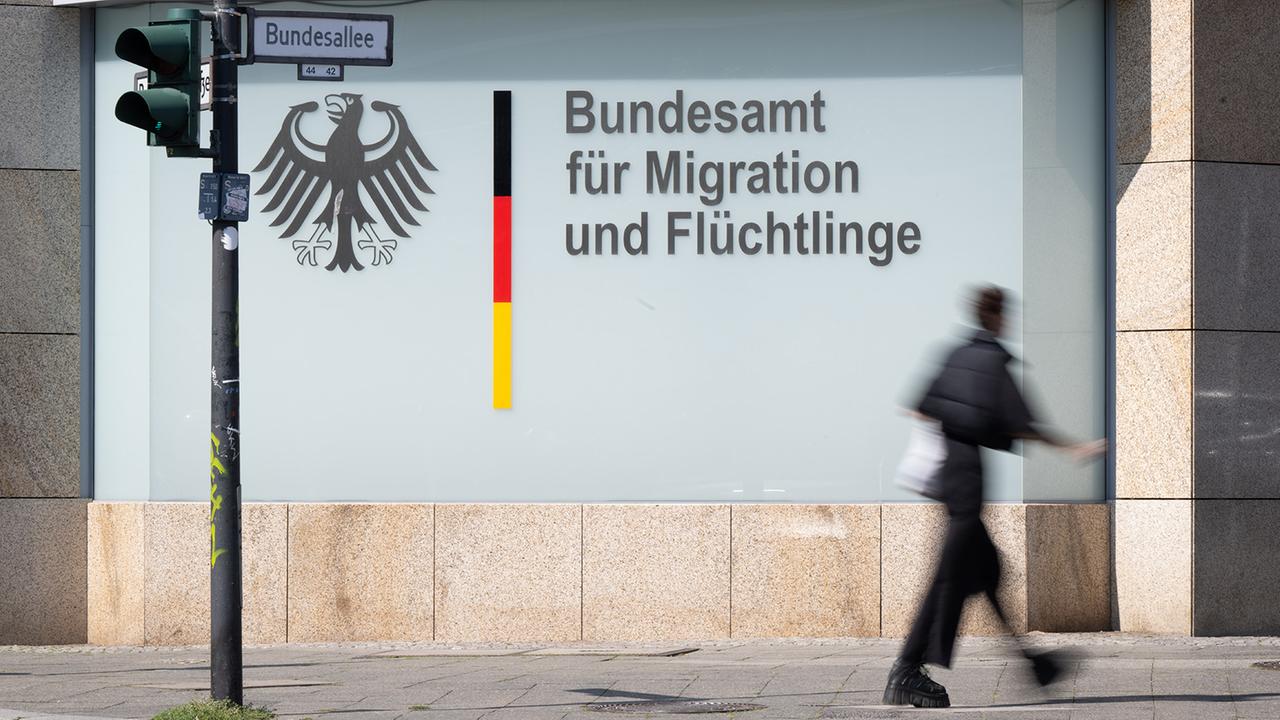
The German judicial system is currently grappling with a significant strain on its administrative capacities, as the duration of asylum litigation—the legal process through which refugees challenge decisions made by the Federal Office for Migration and Refugees (BAMF)—has begun to climb once again. After a period of relative stabilization and improved efficiency in processing times, the trend has reversed, leaving thousands of protection seekers in a state of legal limbo that can last for nearly two years depending on their location.
According to data released by the Federal Government in response to a formal parliamentary inquiry by the Left Party (Die Linke), the average duration for an asylum lawsuit reached 15.3 months in the first half of 2026. This uptick marks a reversal of the progress made in the post-pandemic years, raising urgent questions about judicial resources, the quality of initial administrative decisions, and the regional disparities that define the German asylum landscape.
The Chronology of Procedural Delays
To understand the current crisis, one must look at the trajectory of the last five years. The German asylum system underwent a period of intense pressure following the 2015 migration crisis, which led to a massive backlog of both initial applications and subsequent court challenges.
In 2021, the system reached a breaking point, with average litigation times ballooning to 26.5 months. Massive administrative efforts were undertaken to clear these dockets, and by 2024, the government had successfully reduced the average waiting time to 16.7 months. Throughout 2025, that figure dropped further to approximately 14.3 months. However, the first half of 2026 has signaled a plateau and a subsequent rise, indicating that the administrative machinery is once again struggling to keep pace with the influx of legal challenges.
This volatility highlights a systemic vulnerability: the judiciary’s capacity is highly sensitive to fluctuations in the number of incoming asylum applications and the complexity of the cases involved.
Supporting Data: A Landscape of Inequality
The national average of 15.3 months masks a stark reality: the experience of a refugee in the German court system is fundamentally defined by geography. Germany’s federalist structure means that administrative courts are managed at the state level, leading to wild discrepancies in efficiency and workload management.
Regional Disparities
The most recent data highlights a glaring contrast between the best and worst-performing regions:
- Sachsen (Saxony): As of mid-2026, Saxony holds the record for the longest waiting times in the country, with an average duration of 20.4 months.
- Rheinland-Pfalz (Rhineland-Palatinate): In contrast, this state has managed to keep the process significantly more efficient, with an average duration of only 9.2 months.
This gap of over 11 months between two German states suggests that the delay is not solely a product of the number of cases, but also of the varying administrative practices, staffing levels in local courts, and judicial prioritization strategies across the federal states.
The Volume of Pending Cases
As of August 15, 2026, the cumulative backlog of asylum lawsuits across all German administrative courts stood at 196,315 cases. This figure represents a massive volume of individuals whose lives, employment prospects, and family reunification rights are tied up in a slow-moving bureaucratic process. When a system is burdened by nearly 200,000 active cases, even minor administrative bottlenecks can lead to years of delay for the individual claimant.
Factors Driving the Increase
Several interrelated factors contribute to this growing timeline.
1. The Volume of Appeals
The primary driver is a straightforward increase in the absolute number of asylum lawsuits. As the number of people seeking protection rises, so too does the percentage of those who choose to contest a negative or partial-protection decision from the BAMF.
2. The Complexity of Origin Countries
Administrative courts are not just dealing with high volumes; they are dealing with high-complexity cases. Courts are increasingly tasked with evaluating the rapidly shifting human rights situations in volatile nations. When the BAMF denies asylum, it often does so based on a specific assessment of the claimant’s country of origin. If the situation in that country is deteriorating, legal counsel for the claimant will inevitably challenge the BAMF’s assessment in court.
3. Discrepancies in Decision Quality
Critics, including parliamentarians, have pointed to the "hit rate" of the courts as a sign of trouble at the initial decision-making level. When a high number of BAMF decisions are overturned or corrected by judges, it suggests that the initial processing may be rushed or insufficiently nuanced. This creates a feedback loop: poor initial decisions lead to more lawsuits, which lead to court backlogs, which in turn lead to longer processing times.
Official Perspectives and Parliamentary Scrutiny
Clara Bünger, a prominent member of the Left Party in the Bundestag, has been a vocal critic of the current trends. She argues that the rise in litigation is a direct consequence of the government’s increasingly restrictive stance on asylum.
"In 2025, we saw a clear pattern: the state was increasingly rejecting asylum applications from individuals originating from countries where the human rights situation is, by all international accounts, deteriorating," Bünger stated. She specifically cited Iran, Russia, Afghanistan, and Turkey as key examples.
According to her analysis, the judiciary is acting as a necessary corrective force. In the case of Iranian asylum seekers, for instance, nearly one out of every two contested decisions was later corrected by the courts in favor of the claimant. This suggests that the legal system is performing a vital function in upholding the rule of law, but doing so at a significant cost to the speed of the asylum process.
The Broader Implications
The implications of these delays are profound, affecting both the German state and the refugees themselves.
For the Refugee
For those waiting for a court date, the uncertainty is corrosive. Prolonged litigation means an inability to plan for the future, limited access to stable employment, and, in many cases, prolonged separation from family members who remain in unsafe environments. The psychological toll of living in a state of "uncertain residence" is well-documented, often leading to mental health struggles that complicate the integration process.
For the German State
The state faces a dual burden. First, there is the financial cost of maintaining the legal and support infrastructure for tens of thousands of people in legal limbo. Second, there is the social and political challenge of managing a large population of individuals who are waiting for a final status determination. When court cases take nearly two years to resolve, it effectively delays the integration of those who are granted status and the removal of those who are not, leading to a "frozen" situation that pleases no one on the political spectrum.
The Rule of Law
Finally, there is the question of judicial integrity. A justice system that takes 20 months to rule on a fundamental human right—the right to seek safety—is a system under strain. The legal community in Germany has warned that if the administrative courts are perpetually overwhelmed, the quality of justice may eventually suffer, leading to "assembly-line" rulings that fail to account for the individual merits of each case.
Conclusion: A System in Need of Reform
As the numbers for late 2026 continue to paint a picture of an overburdened judiciary, the debate in Berlin is likely to intensify. The government faces a difficult balancing act: it must uphold its migration policies while ensuring that the administrative and judicial arms of the state remain functional and fair.
Without a significant increase in judicial staffing, a harmonization of procedures across federal states, or a reassessment of the quality control mechanisms within the BAMF, it is likely that the "long wait" for asylum seekers will continue to be the standard in Germany for the foreseeable future. The data serves as a sobering reminder that administrative efficiency is not merely a bureaucratic goal—it is a fundamental component of the social contract between the state and those who come to it seeking protection.