The Bucerius Kunst Forum in Hamburg is currently hosting a landmark exhibition that serves as both a cultural triumph and a moral indictment. "From Monet to Picasso – Jewish Art Collectors in Germany" does more than display 95 masterpieces; it exposes the bureaucratic inertia and the persistent, painful burden of proof placed on the descendants of those systematically robbed during the Holocaust.
As of late September 2026, an estimated 600,000 works of art remain in a state of provenance limbo, their ownership histories clouded by the shadow of the Third Reich. The Hamburg exhibition acts as a bridge between the vibrant, sophisticated world of pre-war Jewish patronage and the bleak, dehumanizing reality of the subsequent displacement and theft.
The Weight of Memory: The Bucerius Kunst Forum Exhibition
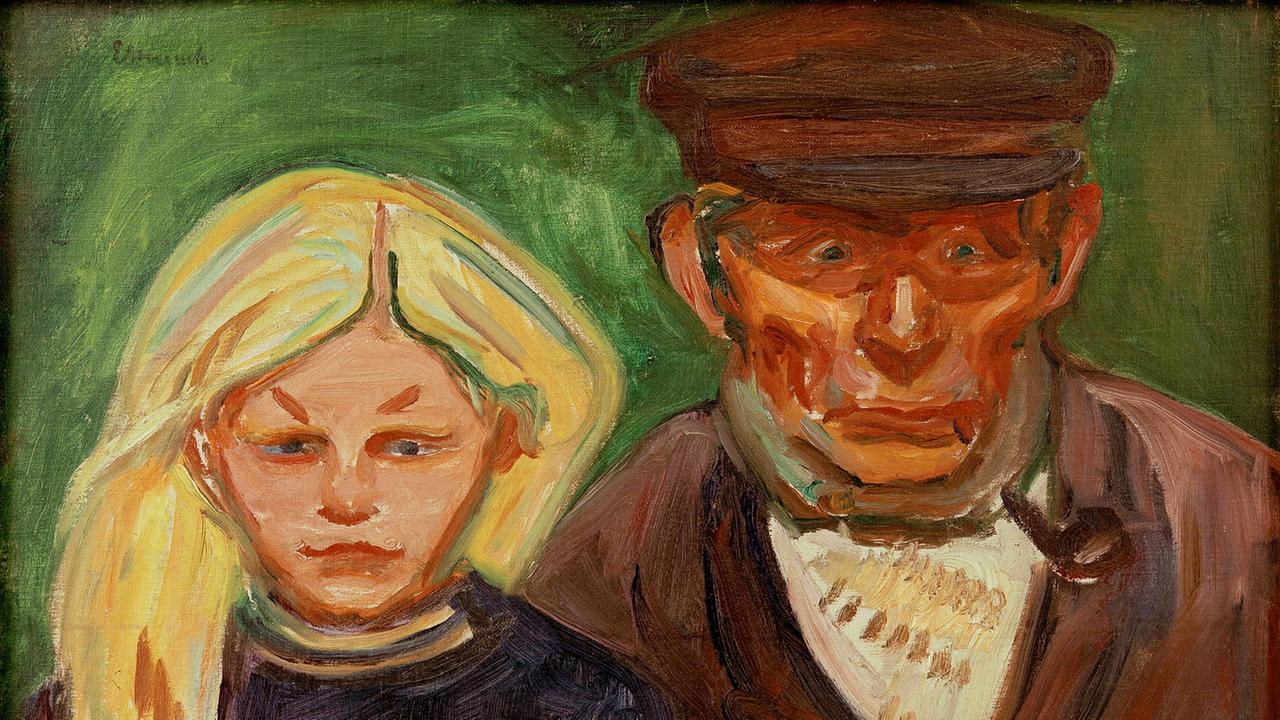
Kathrin Baumstark, director of the Bucerius Kunst Forum, describes the experience of curating this exhibition not merely as an academic endeavor, but as an exercise in confronting national shame. After five years of exhaustive research, the team has assembled works by titans of modern art—Vincent van Gogh, Paul Cézanne, Max Pechstein, Paula Modersohn-Becker, Emil Nolde, Claude Monet, and Ferdinand Hodler.
Many of these pieces, which were once the pride of prestigious private collections, are being exhibited in Germany for the first time since their recovery from the hands of the Nazi regime. Yet, the atmosphere in the gallery is not merely one of aesthetic appreciation. It is underscored by the harrowing documentation of the era: archival notes from museum directors reading, "Lower the price again; he has to leave anyway." These callous administrative memos, uncovered during the research process, provide a chilling look at how the machinery of the Holocaust functioned on a granular, economic level.
Chronology of Dispossession: From Patronage to Persecution
To understand the scale of the loss, one must look at the cultural landscape of the 1920s and 30s. Jewish collectors were not merely buyers; they were the engine of the German avant-garde. Figures like Margarethe Mauthner, a Berliner and close confidante of the painter Max Liebermann, were instrumental in shaping the urban cultural identity of the time.
The systematic destruction of these lives began in earnest by 1938. The implementation of the "Jewish Assets Levy" (Judenvermögensabgabe)—which eventually claimed 25% of a household’s total wealth—combined with the "Reich Flight Tax" (Reichsfluchtsteuer), left families with no choice but to liquidate their most precious assets.
For Mauthner, the end of her life in Berlin was defined by the desperate sale of her collection to fund her family’s escape to South Africa. One of the few items she managed to retain was a small portrait of her granddaughter by Max Liebermann. It was a portable, canvas-bound piece of identity, which she carried in her luggage. The physical damage still visible on the canvas serves as a silent witness to the haste and terror of her flight.
Similar is the story of Max Emden, a Hamburg department store pioneer and a key benefactor of the University of Hamburg. As a man of immense wealth and influence, he represented the very target the Nazis sought to erase. Following his death in 1940, his son was forced to sell off the remainder of the collection to fund his own escape to Chile. The subsequent disappearance of these works into the art market and state collections has fueled decades of legal and moral conflict.
Supporting Data: The Institutional Failure of Restitution
The international community’s response to this systematic theft was codified in the 1998 "Washington Principles," which committed 44 nations to the identification of Nazi-confiscated art and the facilitation of "just and fair solutions" for the original owners and their heirs.
Despite these high-level commitments, the practical reality has been abysmal. In Germany, the "Advisory Commission," established in 2003 to mediate restitution disputes, has managed to resolve only 26 cases in over two decades of operation. This glacial pace is not merely a logistical failure; it is a secondary trauma for the families involved.
The introduction of the new "Arbitration Court" in 2026—comprising representatives from the Federal government, states, municipalities, the Central Council of Jews in Germany, and the Jewish Claims Conference—is a belated attempt to provide binding rulings. However, the legacy of the previous 20 years looms large, leaving many descendants skeptical of whether these new mechanisms can overcome the entrenched resistance of public institutions.
The Case of the Emden Heirs: A Conflict with the State
Perhaps the most poignant example of the current struggle is the case of Maeva Emden, the great-granddaughter of Max Emden. Her family’s battle is not just for the return of art, but for the recognition of lost real estate and systemic economic disenfranchisement.
In 2019, the family finally secured the return of two Canaletto masterpieces that had spent years hanging in Villa Hammerschmiede, the official residence of the German President. While the return of the paintings was a symbolic victory, the financial reality was grim. Maeva Emden, now continuing the legal battle initiated by her grandfather, reports that the paintings had to be sold immediately to cover the crippling costs of the legal proceedings.
The family’s conflict with the Hamburg Senate remains unresolved. The dispute involves 30 plots of land in Hamburg that were sold under coercion. The city government has consistently resisted claims for compensation, leaving the family in a position where they must fight for their own history against the very institutions that benefited from its destruction. As Maeva Emden notes, her 80-year-old grandfather has largely lost the strength to continue, and the city’s refusal to acknowledge the state’s role in the family’s economic ruin remains a painful, open wound.
Implications: The Moral Imperative of Provenance
The implications of the Bucerius Kunst Forum exhibition reach far beyond the art world. It challenges the German public and the state to consider the nature of "ownership" when that ownership is built upon the foundation of state-sponsored plunder.
- The Burden of Proof: For too long, the "burden of proof" has been unfairly shifted onto the victims. Heirs are often forced to prove not only that their ancestors owned a piece of art but that the sale was explicitly coerced—a high evidentiary bar for families whose records were scattered or destroyed during the chaos of the Holocaust.
- Institutional Transparency: The presence of stolen art in government buildings and public museums for decades is a failure of institutional transparency. The fact that a Canaletto from the Emden collection sat in the President’s residence for years without being flagged highlights the need for more aggressive and proactive provenance research.
- The Time Factor: As the survivors of the Holocaust pass away, the window for achieving "just and fair solutions" is closing. For many families, the legal battle has become a multi-generational burden that is both financially ruinous and emotionally draining.
- A New Standard of Accountability: The creation of the 2026 Arbitration Court must move beyond symbolic gestures. To be effective, it must be granted the power to override the defensive legal posturing of municipal and state authorities who are more concerned with protecting their assets than with addressing historical wrongs.
As the exhibition at the Bucerius Kunst Forum continues, it stands as a poignant reminder that art is never just paint on canvas. It is a vessel for history, a repository of identity, and, in the context of the Holocaust, a ledger of what was stolen. The journey toward restitution is not just about returning objects; it is about acknowledging the humanity of those who were systematically stripped of it. Whether the German state is capable of evolving from a defensive posture to a truly restorative one remains the defining question of the next chapter of this ongoing, painful history.