The debate surrounding the safety protocols of firefighter training exercises has intensified following recent incidents in Schleswig, Germany. While rigorous physical exertion is a fundamental component of preparing emergency responders for the life-or-death scenarios they encounter in the field, questions are being raised about the threshold between necessary conditioning and unnecessary risk. As departments nationwide look to modernize their training standards, the balance between operational readiness and the health of the individual volunteer remains a contentious issue.
Main Facts: The Anatomy of a Controversy
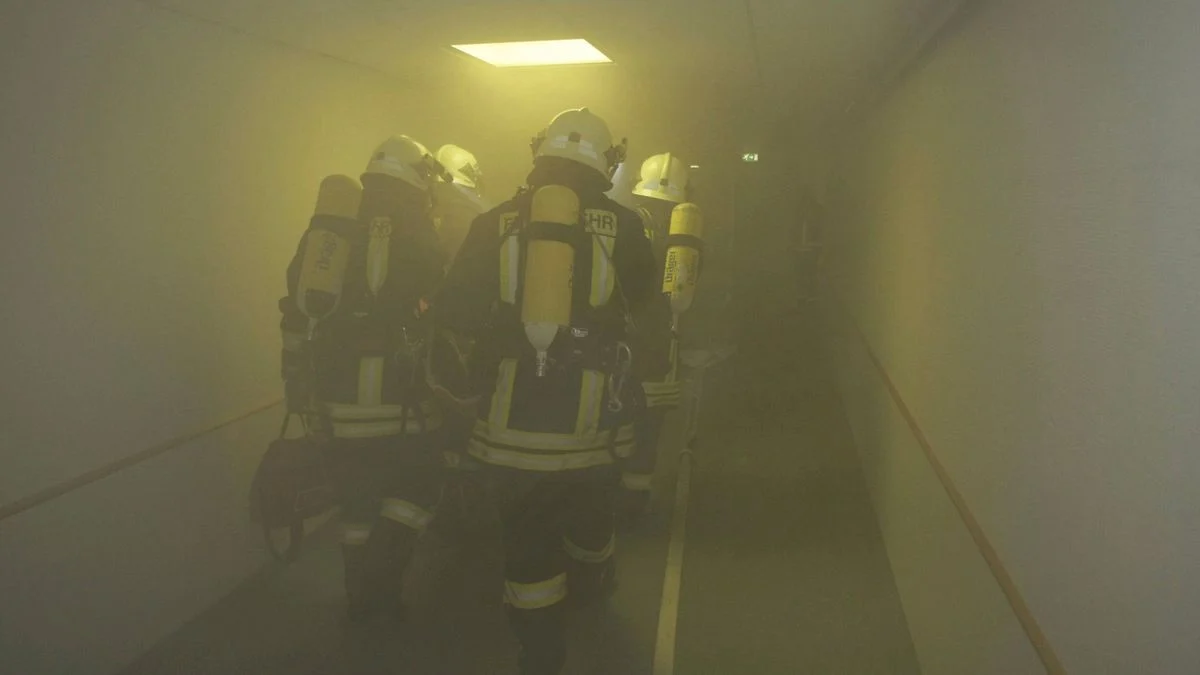
In the high-stakes world of firefighting, "belastungsübungen"—or stress/load-bearing exercises—are designed to simulate the extreme physical and psychological strain of an actual fire. These drills typically involve navigating obstacle courses in full personal protective equipment (PPE), often in heated environments or under simulated smoke conditions.
The core of the current debate centers on whether these exercises, which are intended to build endurance, are inadvertently creating long-term health risks for firefighters. Critics argue that in some jurisdictions, the lack of standardized medical monitoring during these drills—coupled with the intense heat stress and physical fatigue—can lead to cardiovascular strain, rhabdomyolysis, and heat exhaustion. Proponents, however, contend that if the training does not mirror the extreme conditions of a structural fire, the volunteers will be ill-prepared for the reality of their profession, leading to greater dangers on the front lines.
Chronology: A Pattern of Concern
The scrutiny on these training methods did not emerge in a vacuum. Over the past decade, several key events have shifted the narrative:
- Early 2010s: Increased focus on "fitness for duty" standards began to gain traction in German fire departments as cardiac events were identified as a leading cause of line-of-duty deaths.
- 2018–2020: A series of regional reports in Schleswig-Holstein highlighted concerns regarding the intensity of "hot" training sessions, where temperatures in burn containers were pushed to the limit, leading to several reported cases of severe dehydration and heat stroke among trainees.
- 2022: A formal inquiry into the safety protocols of training facilities was launched following a whistleblower report alleging that some instructors were prioritizing "toughness" over physiological safety thresholds.
- 2024: Current debates are now focused on the implementation of mandatory heart-rate monitoring and real-time biometric tracking for all participants in high-intensity training modules.
Supporting Data: The Physiological Cost
To understand the necessity of this debate, one must look at the physiological toll of modern firefighting gear. A full set of PPE, including the Self-Contained Breathing Apparatus (SCBA), weighs roughly 20 to 30 kilograms. When combined with the high thermal load of a fire, the body’s core temperature can spike to dangerous levels within minutes.
Studies from occupational health institutes suggest that during high-intensity training, a firefighter’s heart rate can reach upwards of 90% of their maximum capacity. When this is sustained over a 30-to-45-minute drill, the risk of arrhythmia or acute myocardial infarction increases significantly, especially in individuals with undiagnosed underlying conditions. Data from the German Social Accident Insurance (DGUV) indicates that while total accident numbers in training have remained stable, the severity of heat-related injuries has seen a subtle upward trend, prompting calls for more rigorous pre-exercise medical screening.
Official Responses and Regulatory Shifts
The response from fire department leadership has been multifaceted. Many department chiefs emphasize that the nature of the job is inherently dangerous and that "sanitizing" the training process could lead to a false sense of security.
"We do not train to make them comfortable; we train to make them capable," says one senior training officer in Schleswig. "However, we recognize that the ‘old school’ mentality of ‘pushing through the pain’ is outdated. We are transitioning toward evidence-based physical conditioning."
The Ministry of the Interior in Schleswig-Holstein has recently proposed a set of revised guidelines. These include:
- Mandatory Cooling Protocols: Strict enforcement of cooling breaks using immersion or misting techniques after every 20 minutes of high-exertion training.
- Medical Oversight: The presence of a paramedic or emergency physician at all "hot" drills involving live fire or maximum-load obstacles.
- Standardized Intensity Caps: Moving away from "maximum effort" drills toward "target heart rate" drills, where instructors are alerted if a trainee exceeds safe biological markers.
The Implications for Volunteerism
One of the most significant, yet often overlooked, implications of these safety reforms is their effect on volunteer retention. In Germany, the fire service relies heavily on volunteer labor. If the barriers to entry—or the risks associated with the training itself—are perceived as too high or poorly managed, the already struggling recruitment numbers could plummet.
Conversely, implementing high-tech safety measures, such as real-time biometric monitoring, adds significant costs to department budgets. Smaller, rural stations in Schleswig are concerned that they will be unable to afford the equipment necessary to comply with the new, stricter safety standards. This creates a potential "safety gap" between well-funded urban brigades and their rural counterparts, which could lead to an unequal distribution of safety standards across the region.
Moving Toward a Culture of Safety
The path forward requires a shift in the cultural identity of the firefighter. For generations, the ability to endure suffering was seen as a badge of honor. Today, that culture is being replaced by a "Safety First, Mission Always" approach.
Technological advancements, such as smart-fabric base layers that monitor core body temperature and transmit data to a tablet held by an instructor, are the next logical step. These tools allow for "precision training," where the intensity can be adjusted in real-time based on the individual’s physiological response rather than a one-size-fits-all approach.
Furthermore, the legal landscape is shifting. Departments that fail to provide adequate medical oversight during training are increasingly finding themselves liable for long-term health complications suffered by their volunteers. This legal pressure, while burdensome, is acting as a powerful catalyst for the adoption of better safety technology.
Conclusion: Balancing Readiness and Health
The training exercises in Schleswig are a microcosm of a global challenge: how to prepare first responders for the worst possible scenarios without causing them harm in the process. The objective is not to eliminate stress, as stress is the very thing they will face in a burning building. Rather, the objective is to manage the physiological cost of that stress.
As the industry moves forward, the integration of sports medicine, advanced biometric monitoring, and a more nuanced understanding of thermal stress will be critical. The fire service must continue to evolve, ensuring that those who rush into the flames to protect others are given the same level of care and protection that they provide to the public. If successful, these changes will not only save the lives of those being rescued but will also ensure that the firefighters themselves return home safely, training session after training session.
Ultimately, the debate in Schleswig serves as a wake-up call for departments worldwide. It reminds us that the most valuable asset in any fire station is not the trucks, the gear, or the technology—it is the human beings who wear the helmet. Protecting their health through intelligent, data-driven, and safety-conscious training is the most vital duty of any fire service leader.