By Editorial Staff
Updated: June 11, 2026
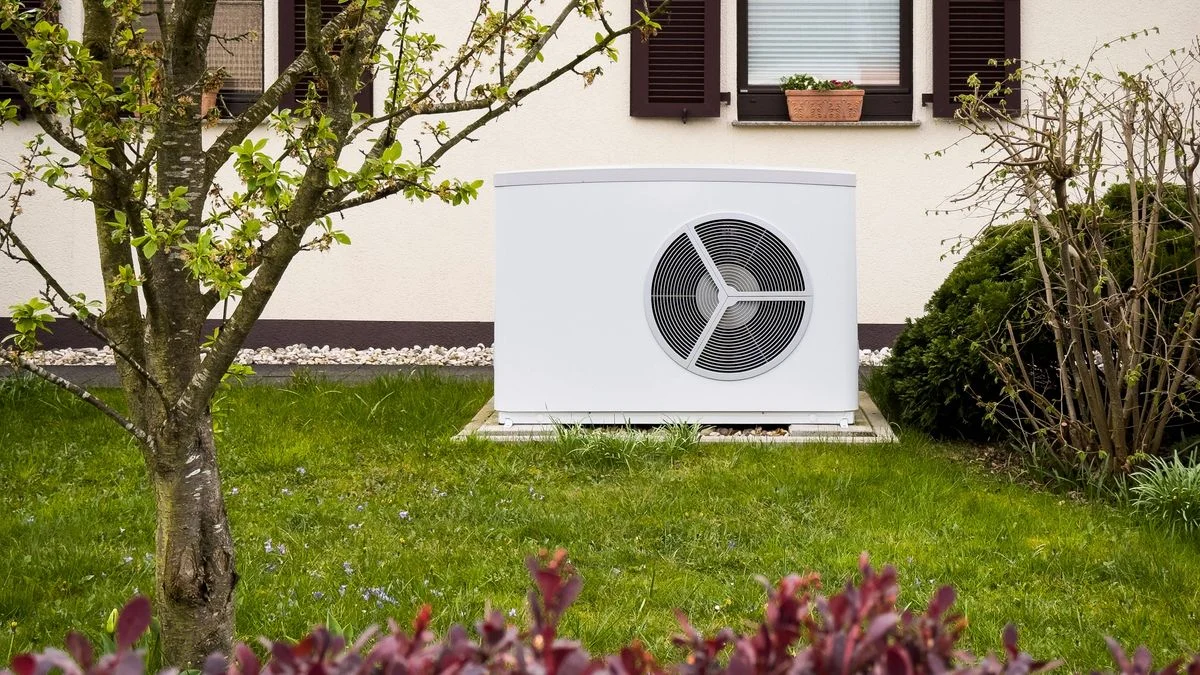
The German housing market is undergoing a fundamental transformation. As the nation pivots toward its ambitious climate goals, the way homes are heated has shifted from a reliance on fossil fuels to a cleaner, more efficient future. According to recent data from the Federal Statistical Office (Destatis), the heat pump has firmly established itself as the standard for modern German living.
Main Facts: A Paradigm Shift in Heating
The statistics are clear: the era of the gas boiler in new residential construction is effectively drawing to a close. In 2025, approximately 58,900 new residential buildings were completed across Germany. Of these, 73.6 percent—nearly three out of four—relied on heat pumps as their primary source of heating energy.
This technological leap is not merely a trend; it is a structural revolution. Heat pumps, which leverage ambient heat from the air, ground, or water, have moved from being a niche luxury solution to the primary choice for developers and private homeowners alike. While the total number of new building completions has fluctuated over the last decade, the adoption rate of heat pump technology has skyrocketed, marking a definitive victory for electrification in the domestic heating sector.
A Decade of Transformation: Chronology of Change
To understand the magnitude of this shift, one must look back at the trajectory of the last ten years. In 2015, the landscape was drastically different. Of the 105,600 residential buildings constructed that year, only 31 percent were equipped with heat pumps. At that time, the market was still heavily anchored in fossil fuel combustion, with natural gas remaining the dominant choice for builders prioritizing low upfront costs and established infrastructure.
The turning point arrived in the early 2020s, driven by a combination of tightening energy efficiency standards, geopolitical energy insecurity, and increased environmental awareness among consumers. By 2025, the dominance of gas had collapsed to just over 10 percent of new installations—a staggering decline from the over 50 percent share it held just a decade prior.

This progression reflects a wider systemic change in the energy mix. In 2015, only 38 percent of new homes relied on renewable energy sources for heating. By 2025, that figure jumped to 78.2 percent. This category now encompasses a diverse portfolio, including geothermal and air-source heat pumps, modern wood-pellet systems, solar thermal installations, and the growing use of biogas and biomethane.
Supporting Data: Deep Dive into the Stats
The data provided by Destatis reveals distinct patterns in how these technologies are applied. Heat pumps have found their strongest foothold in the segment of single- and two-family homes. In 2025, approximately 78 percent of all newly constructed detached or semi-detached homes utilized a heat pump.
The adoption is notably lower in larger, multi-unit residential complexes, where centralized district heating systems or complex hybrid solutions remain more prevalent. District heating now accounts for roughly 8 percent of the new build market. Meanwhile, the use of oil as a primary heating source has been relegated to the statistical margin, appearing in a negligible 0.3 percent of new projects.
However, a stark contrast exists between the "new build" market and the existing housing stock. The Zensus 2022 survey confirms that the German building sector is still heavily fossil-fuel dependent. Over 53 percent of all existing residential buildings in Germany are still heated by natural gas, while nearly 25 percent continue to rely on heating oil. Renewable energy sources currently contribute to less than 10 percent of the heating demand in the existing inventory, highlighting the massive "renovation gap" that remains a major hurdle for national climate policy.
Official Responses and Policy Evolutions
The policy environment surrounding heating has been a subject of intense political debate. The previous administration’s efforts to mandate a 65 percent renewable energy requirement for all new heating systems—the controversial "Heizungsgesetz" (Heating Act)—created significant public friction and political polarization.
The current administration has taken a different approach, moving away from rigid mandates. The government has reformed the legislative framework, explicitly removing the requirement that forced a 65 percent renewable threshold for every single new installation. The current strategy aims to incentivize the transition through subsidies and market-driven mechanisms, hoping that the plummeting costs of heat pump technology and the rising carbon price will naturally drive homeowners toward greener alternatives without the need for heavy-handed regulation.

Despite these changes, the building sector remains a critical bottleneck in Germany’s plan to achieve climate neutrality by 2045. As the sector currently generates roughly one-third of the nation’s total CO2 emissions, the disconnect between the "green" new-build market and the "brown" existing-stock market remains a point of contention for environmental groups and economists alike.
Implications: The Road Ahead
The implications of these findings are profound. For homeowners, the transition to heat pumps represents a long-term investment in energy independence. As the electrical grid becomes increasingly powered by wind and solar, the carbon footprint of a heat pump continues to decline annually, unlike gas boilers which remain tethered to the fluctuating prices and environmental impact of fossil fuels.
However, the rapid transition creates significant challenges. The electricity grid must be upgraded to handle the increased load of millions of heat pumps operating during the winter months. Furthermore, the supply chain for heat pumps and the availability of qualified technicians to install and maintain them remain under immense pressure.
Industry experts argue that while the numbers for new buildings are encouraging, the real battle for climate neutrality will be fought in the millions of homes already standing. The slow pace of energy-efficient retrofitting in the existing stock suggests that Germany’s climate goals remain precarious.
The shift to heat pumps in new construction proves that when the technology is mature and the economic incentives align, the market is capable of rapid self-correction. Yet, for the millions of households currently reliant on aging gas and oil boilers, the path to a carbon-neutral home remains complex, costly, and heavily dependent on future government policy, technological innovation, and the patience of the German public.
As of mid-2026, the data indicates that while the foundations for a green heating future have been laid, the structural transformation of the entire building sector is a marathon, not a sprint. The success of the "Energiewende" in the residential sector will ultimately depend on whether the progress seen in new construction can be mirrored, even partially, in the vast, fossil-dependent landscape of Germany’s older buildings.